
Review · CHOBE NATIONAL PARK
11Day WILDERNESS TRAIL:Okavango,Moremi&Chobe -WildCamping Safari +Victoria Falls
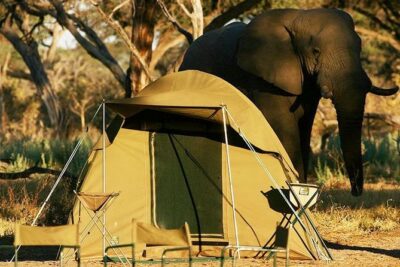
The big draw here is simple: you sleep in the bush with no fences between camp and wildlife. Your days move from silent mokoro rides in the Okavango Delta to open-sided game drives in Moremi and Savute, ending with Chobe and Victoria Falls. It is a real safari, not a resort stay with a few animal sightings added on.
I like the small maximum group of nine, which keeps the experience personal, and I like the local connection provided by Okavango polers who grew up in the delta. The bush meals, hot showers, campfire evenings, and careful movement between parks add comfort without taking away the wild feel.
The main consideration is that this is a demanding trip. Long road transfers, sandy tracks, basic mobile camping, changing weather, and close wildlife encounters are part of the deal. Ask about current vehicle servicing and emergency communications before paying, since one past report raised concerns about a breakdown during a lion sighting and the lack of a satellite phone.
Key points to know before booking
- Three major safari areas: See the Okavango Delta by mokoro and on foot, Moremi by game vehicle, and Savute and Chobe by road and boat.
- Unfenced bush camping: Sleep on islands and inside wildlife areas, with showers, meals cooked over a fire, and camp staff handling setup.
- Maximum of nine people: A small group suits visitors who want a quieter safari and more room for questions.
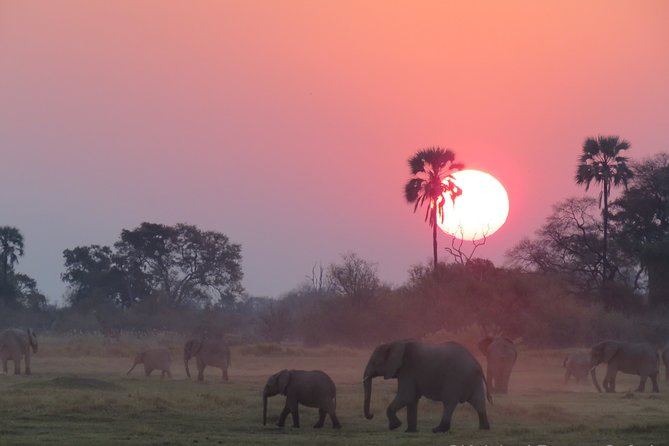
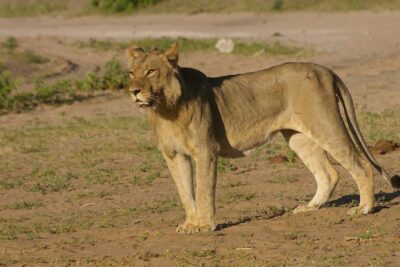
- A strong animal-watching route: The parks are home to elephants, lions, giraffes, zebras, leopards, wild dogs, hippos, wildebeest, and both black and white rhinos.
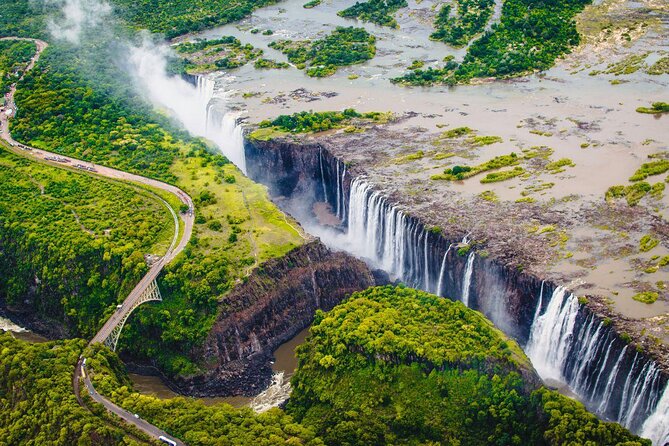
- A busy final stretch: The tour ends with a Chobe River cruise, a Victoria Falls walk, and a Zambezi sunset cruise.
- Price and pace: At $4,897 per person, this is a major purchase, but it covers 11 days of guiding, transport, camping, meals, park travel, and several included activities.
Why this safari feels different from a lodge-based trip
Many African safaris give you a comfortable room, a swimming pool, and a scheduled game drive. This one puts the emphasis on being out in the bush. You sleep in mobile camps, hear the night around you, and move with the terrain rather than returning to one permanent base each evening.
That choice brings real value. You get more time inside the parks and a closer sense of how water, roads, animals, and weather shape daily life. It also means fewer conveniences. You should be comfortable with early starts, dust, long drives, warm days, and the fact that wildlife does not follow a timetable.
The camp crew sets up the tents as the route changes. You can expect bush showers, light breakfasts before morning activities, brunch after returning to camp, and dinners prepared over a fire. One of the most praised parts of the experience is the food, with several accounts describing the cooking and camp support as a highlight.
The group size matters here. With no more than nine people, you are not trying to spot a leopard over a crowd of vehicles. You also have a better chance to speak with the guide, ask about animal behavior, and settle into the rhythm of camp.
More Chobe National Park Safaris in the world:
- Victoria Falls: Chobe National Park Day Trip with Lunch
★ 4.7 · 518 reviews - Chobe National Park: Day Trip, Safari drive & River Cruise
★ 4.7 · 100 reviews - From Kasane: Chobe National Park Full Day Wildlife Safari
★ 4.6 · 71 reviews
Day 1 in Maun, a useful pause before the bush
Your first day is deliberately easy. You are met at Maun Airport and taken to your accommodation, where you can rest and prepare for the safari beginning the next morning.
That overnight is useful. The next day starts at 7:30 in the morning, and the first transfer can be long. Use this time to organize your luggage, check camera batteries, and confirm what should stay accessible during the canoe and walking sections.
Maun is the practical gateway to the Okavango Delta. This is not a day packed with sightseeing, but it prevents the trip from beginning in a rush.
Days 2 to 4: the Okavango Delta by mokoro and on foot
The Okavango section is the quiet heart of the trip. You start early from Maun and travel by speedboat for about an hour toward the Buffalo Fence. Depending on water levels, the dry season, or other conditions, the transfer may instead be by 4×4 vehicle.
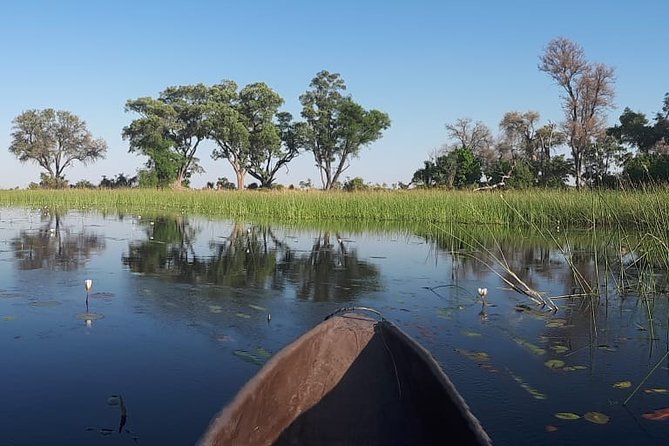
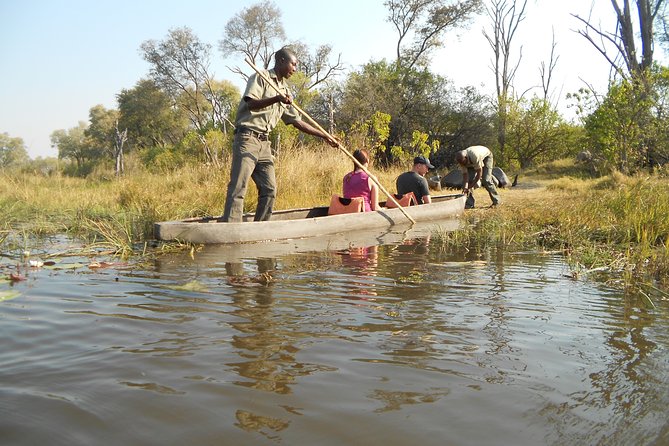
At the meeting point, local polers take you into the delta by mokoro, a traditional dugout canoe made from a single tree. The polers were born and raised in the Okavango, so this is more than a transport method. They know the channels, islands, and changing water routes as part of home territory.
A mokoro is slow and low to the water. That is exactly why it works so well here. You glide through narrow channels with little noise, seeing reeds, water, and open sky at a pace that allows you to notice small details. This is not the best part of the trip for rushing from one animal sighting to the next. It is the best part for quiet observation.
You spend two nights on an island in the delta. The first day includes the boat journey, camp arrival, tea, and a first taste of island life. On Day 3, you have the full day in the Okavango, with a morning activity and an afternoon activity. These may be mokoro excursions or guided bush walks.
Walking changes the way you read the delta. From a vehicle, you scan the distance for large animals. On foot, you pay attention to tracks, plants, sounds, and the movement of birds. You are accompanied by an experienced guide, but you still need to follow instructions closely. This is unfenced wildlife country.
The daily routine is simple and well judged. A warm Dumela, the Setswana greeting for hello, starts the morning. After coffee, tea, and a light breakfast, you head out before the heat builds. You return for a chance to shower and a larger brunch, then go out again later in the day.
Day 4 includes a final mokoro outing and bush walk before you return toward town. Lunch is taken beside the river, and you should be back in Maun before sunset. The day is long, listed at about 14 hours, so do not expect a lazy travel day.
The Okavango portion will suit you if you prefer soundless water, local guiding, and walking to constant vehicle time. It may feel too basic if you want a private room, air conditioning, or a guaranteed hot shower at a set hour.
Days 5 and 6: Moremi brings classic game drives
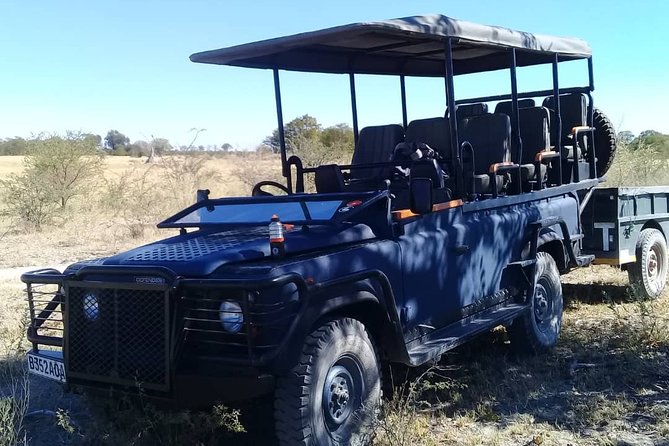
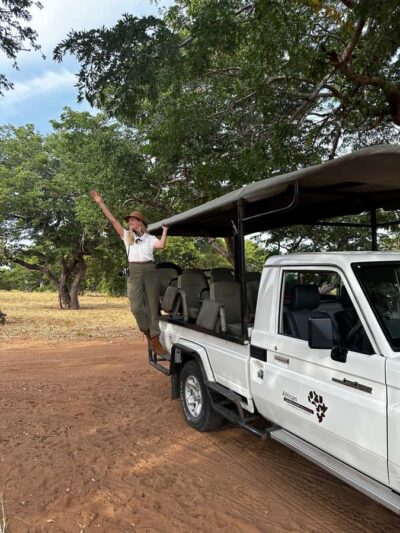
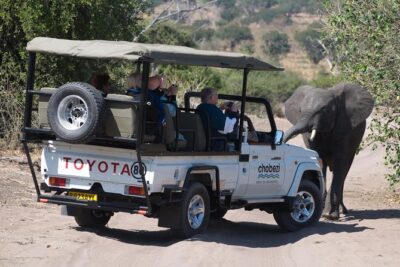
Moremi Wildlife Reserve changes the pace. You leave Maun early in an open-sided 4×4 with an experienced guide and spend the day on game drives through floodplains, waterways, lagoons, pools, pans, grasslands, and mopane and riverine woodland.
This variety is what makes Moremi so rewarding. Water levels shift with the seasons, and animal locations shift with them. Some routes may be wet and open, while others run through thicker bush or across dry ground. The same drive can offer very different views depending on the time of year.
Moremi is also a Big Five destination. Black and white rhinos have been reintroduced, adding to the chance of seeing the major African species in the reserve. Still, no responsible safari can promise a particular animal. The value lies in spending long hours in good habitat with a guide who knows how to read the tracks and conditions.
Your first Moremi day is long, about 15 hours including the transfer from Maun, park travel, and game viewing. The open-sided vehicle gives you a clear view and a good camera angle, but it also exposes you to sun, wind, dust, and cold early mornings. Bring layers, even if the afternoon is hot.
Day 6 follows the classic safari pattern. You wake before sunrise, eat quickly, and set out while predators are more active. You return for a bush shower and brunch, then go back out after the worst midday heat has passed.
That split day is important. Animals often rest during the hottest hours, so a schedule built around early morning and late afternoon gives you better odds than one long midday drive. At night, dinner and storytelling take place around the campfire. Sleeping inside Moremi is a major part of the experience, but it also means you should take the camp rules seriously and never walk away from the tents alone.
More Waterfall and Lakes Park Tours in the world:
- From Split: Plitvice Lakes National Park Guided Tour
★ 5.0 · 3,002 reviews - From Split: Plitvice Lakes National Park Guided Tour
★ 5.0 · 2,355 reviews - Plitvice Lakes National Park Guided Day Tour from Split
★ 5.0 · 1,948 reviews - Doi Inthanon Waterfall and Royal Project Chiang Mai
★ 5.0 · 1,735 reviews
Day 7: a full-day move from Moremi to Savute
Day 7 is a travel day, but it is not wasted time. The crew breaks camp after a light breakfast, and you begin a cross-park game drive toward Savute.
The scenery changes as you go from the greener, wetter Moremi area toward the more open savanna of Savute. You stop for animals along the route and have a picnic lunch in the bush. The drive takes about six to seven hours, depending on conditions and stops.
This is where the mobile nature of the safari becomes clear. The staff handles the camp move while you spend the day watching the country change. You arrive in Savute, have time for a shower, and sit down to dinner after the tents are ready.
Do not treat this as a comfortable transfer between hotels. The roads are sandy, and the day can be dusty and tiring. The reward is that you do not need to pack up and leave the wildlife area for a town overnight.
Days 8 and 9: Savute, predators, and the road to Chobe
Savute gives you another full day of early and late game drives. As in Moremi, you leave after a quick breakfast, return for a shower and brunch, then head out again when the heat eases.
The area is known for its open savanna and predator sightings, though animal viewing always depends on season and luck. The supplied accounts describe encounters with lions, leopards, wild dogs, elephants, giraffes, zebras, hippos, and wildebeest across the wider safari route. Those possibilities are exciting, but you should approach every drive with patience rather than a checklist.
The evening returns to the familiar pattern of bush dinner, firelight, and stories. After several nights, that routine becomes one of the pleasures of the trip. You are not rushing to a restaurant or checking a city timetable. You are listening to the bush settle after dark.
On Day 9, you leave Savute early and head toward the Chobe Riverfront, stopping for a picnic lunch. By around lunchtime, you reach Kasane, where you leave the mobile camp behind and check into a lodge with a double or twin chalet.
That change is welcome. After several nights under canvas, a chalet gives you a chance to repack, wash properly, and recharge. You do not spend the whole afternoon indoors, though. A three-hour boating safari on the Chobe River follows check-in.
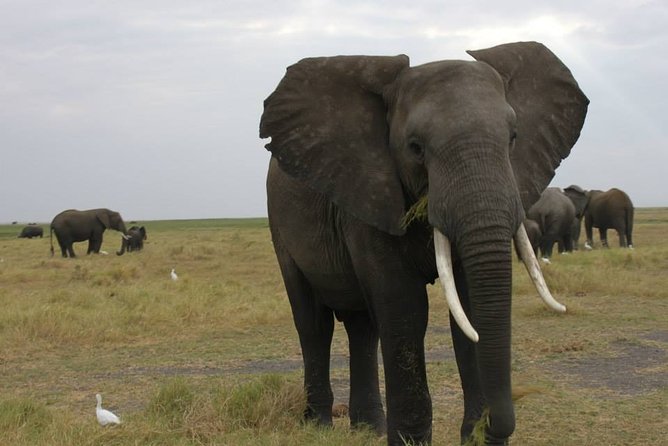
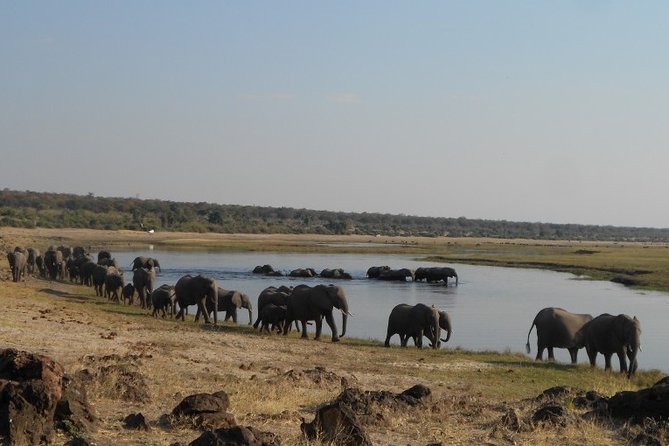
The boat offers a different view of wildlife. Instead of following tracks on sandy roads, you watch the riverbanks and shallows from the water. Chobe is especially suited to seeing elephants near the river, along with hippos and other animals that come to drink. The ride also gives your legs a break after the long overland days.
Days 10 and 11: Victoria Falls and the Zambezi
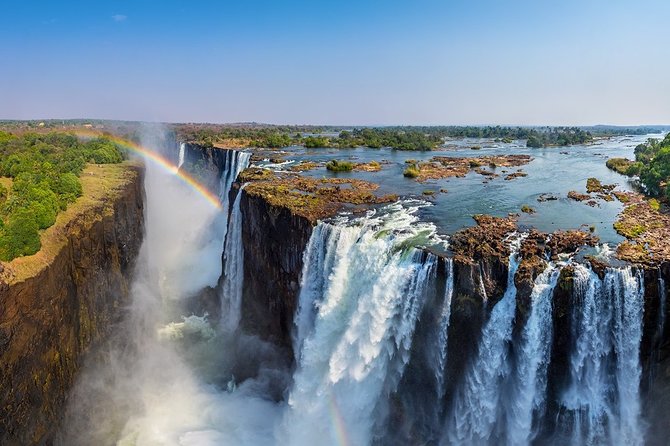
After breakfast on Day 10, you transfer to Victoria Falls. The drive takes about one and a half to two hours if the border crossing causes no delay. Build some flexibility into your plans, since an international border can slow the schedule.
In Zimbabwe, a guided walk takes you through the Victoria Falls rainforest. The falls are not included in the listed admission price, so check exactly what is covered before you go and budget for any entrance cost shown at booking.
The day ends with a sunset cruise on the Zambezi River. After several days of game drives and camp routines, this is a gentler way to finish. You get open water, evening light, and a final chance to look back on the route from Botswana into Zimbabwe.
Other activities can be arranged for an extra charge. The final morning is simple: breakfast, then a transfer to Victoria Falls Airport. If you need to fly out early, confirm the transfer timing in advance.
What $4,897 includes in practical terms
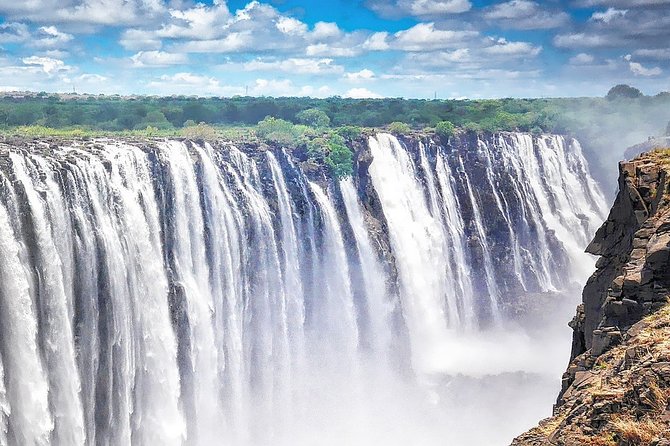
At $4,897 per person, this is not a budget trip. It is also more than a short safari package. The price covers roughly 11 days, airport and hotel transfers, the Okavango canoe and walking section, mobile camping, park-to-park transport, game drives, bush meals, camp support, the Chobe boat safari, the Victoria Falls walk, and the Zambezi sunset cruise.
The value is strongest if you want one continuous route rather than separate day tours. You are paying for the staff, vehicles, camp moves, park access, guiding, and the time required to connect four major Southern African highlights.
The price is less attractive if you mainly want a luxury lodge holiday. The camps are designed to make bush life comfortable, not polished. You will have showers and good meals, but you should not expect a permanent room, resort facilities, or a fixed daily schedule.
A maximum of nine people helps the cost feel more reasonable. You are sharing the safari, but not with a large coach group. If you can use a group discount, ask about it before booking.
Comfort, safety, and the questions I would ask
The tour makes a serious effort to keep wild camping comfortable. You get bush showers, hot drinks, brunch, fire-cooked dinners, and camp staff who handle the tents. That is a strong setup for a mobile safari.
Still, unfenced camping requires discipline. Listen to the guide, stay with the group, and do not wander outside camp after dark. The absence of fences is a central attraction, but it is also why the safety briefing matters.
I would ask these practical questions before committing:
- What emergency communication equipment is carried now?
- How recently were the safari vehicles serviced?
- What is the backup plan if a vehicle breaks down?
- How are weather or water-level changes handled?
- What luggage size and weight are recommended?
- What exactly is included in the Victoria Falls admission and transfer?
Most accounts praise the team, the camp crew, the food, and the personal care from people connected with Kalahari Breeze Safaris. Maria and Chris are associated with the warm, efficient organization of the trips. One account also described the company stepping in after another operator canceled at short notice, which suggests useful flexibility when plans go wrong.
That said, you should not ignore the one serious complaint about vehicle reliability and emergency communication. A single problem does not define an entire operation, but it is enough reason to ask direct questions and get clear answers.
Who should book this 11-day route?
I would recommend it to you if you want an active safari with real time in nature, not just a chain of hotel stays. It suits people who enjoy early mornings, simple camps, long drives, local guiding, and the chance to see wildlife from a mokoro, on foot, by 4×4, and from a boat.
Families can take part, and the experience has been used by a family with children aged 11 and 8. Still, parents should be comfortable with the early starts, basic camp setting, long road days, and strict wildlife rules.
Senior visitors can also manage it if they have a sense of adventure and are comfortable with the physical demands. The biggest issue is not a difficult hike. It is the repeated cycle of early mornings, uneven roads, heat, dust, and limited personal space.
I would look elsewhere if you need luxury, predictable travel times, or a tightly controlled schedule. This route crosses remote areas and international borders. The reward is a stronger connection to the bush, but the tradeoff is less control.
Should you book it?
Book this safari if the phrase sleeping close to wild Africa sounds more exciting than intimidating. The strongest parts are the Okavango mokoro experience, local polers, unfenced camps, a small group, excellent food, and the range of wildlife areas visited in one trip.
Before paying the non-refundable price, confirm the current safety equipment, vehicle backup plan, border timing, luggage rules, and Victoria Falls fees. If those answers satisfy you, this is a powerful route for seeing Botswana by water, on foot, from a safari vehicle, and from the river, with Victoria Falls as a fitting final chapter.
FAQ
How long is the safari?
The experience lasts approximately 11 days, beginning with pickup at Maun Airport and ending with a transfer to Victoria Falls Airport.
What is the maximum group size?
The tour has a maximum of nine participants.
Where does the safari begin and end?
It begins in Maun, Botswana, and ends at Victoria Falls Airport after the route through the Okavango Delta, Moremi, Savute, Chobe, and Victoria Falls.
Are the camps fenced?
The experience is designed as wild camping without fences or other boundaries between the camp and the surrounding bush.
Is Victoria Falls admission included?
The guided walk through the Victoria Falls rainforest is listed, but admission is not included. Confirm the current entrance fee when booking.
What happens if bad weather cancels the trip?
If poor weather causes the experience to be canceled, you are offered a different date or a full refund. The same applies if the minimum number of participants is not reached. The booking itself is otherwise non-refundable and cannot be changed for any reason.
More National Park Safaris in the world
- Teide National Park Sunset & Stargazing with Dinner (Star Safari)
★ 5.0 · 2,601 reviews - Teide National Park: Sunset & Stargazing Safari with Dinner
★ 4.6 · 2,115 reviews - From Johannesburg: Pilanesberg Nature Reserve Game Safari
★ 4.8 · 1,327 reviews - East Coast National Park: Half-Day Caves Jeep Safari
★ 4.6 · 1,090 reviews
Just added for the parks around the world
- Stone Town: Jozani Chwaka Bay National Park Half-Day Tour★ 4.7 · 5 reviews
- Stockholm: Dog Walk in Nature Reserve with Swedish Fika★ 5.0 · 3 reviews
- Stockholm: Sunset Hike in Tyresta National Park with Meal★ 4.8 · 126 reviews
- Stockholm: Self Guided Kayak Adventure in Nature Reserve★ 5.0 · 69 reviews
- Stewart Island: Guided Wilderness Walk★ 5.0 · 10 reviews
- Stewart Island: Ulva Island Guided Wilderness Walk & Cruise★ 4.5 · 165 reviews
- Wasgamuwa: Wasgamuwa National Park Private 3-Hour Safari★ 4.9 · 10 reviews
- Sri Lanka: Yala National Park Private Safari★ 3.2 · 5 reviews
Chobe National Park Safaris, compared.
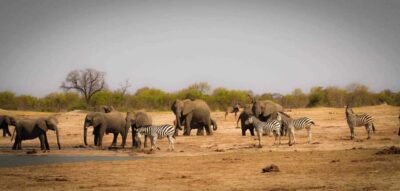
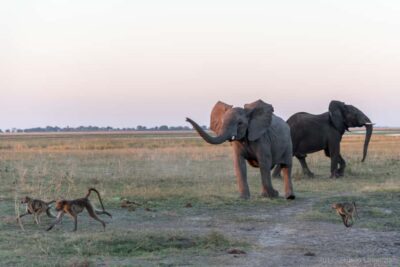
Chobe National Park: Day Trip, Safari drive & River Cruise
Read our review →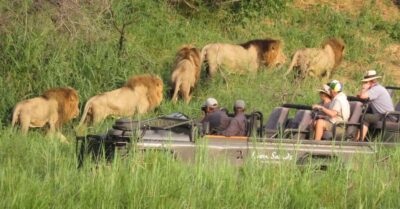
From Kasane: Chobe National Park Full Day Wildlife Safari
Read our review →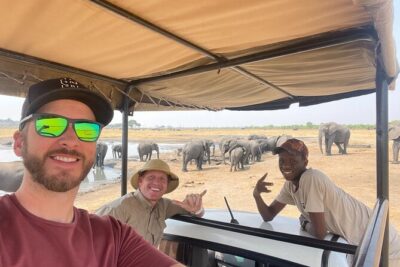
2-Day Camping Safari in Chobe National Park from Victoria Falls
Read our review →Browse the lists this tour appears in