
Review · WEST GLACIER
Montana: Glacier National Park Whitewater Rafting Trip
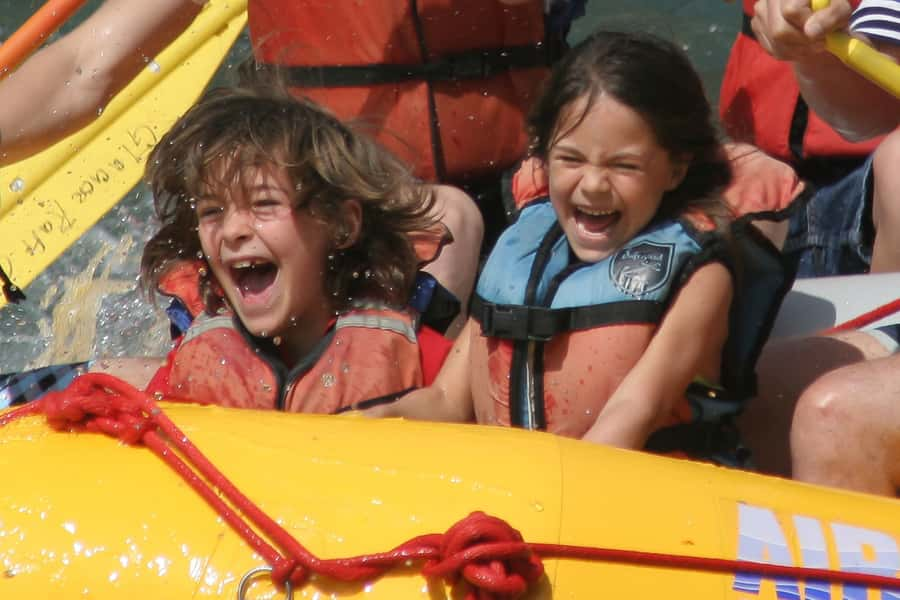
The best part of this trip is the change of pace. You begin with four quiet miles to learn the paddle commands, then meet nine class II and III rapids on the second half as the canyon closes around the Middle Fork Flathead River. The route gives you both scenery and action, rather than forcing you to choose between a peaceful float and a whitewater run.
I like the careful introduction for first-time rafters, and I like the chance to stop for a swim in clear glacial water. Guides such as Maddie, Wes, Paige, and Aaron have been praised for keeping people safe while sharing facts about the river, geology, birds, fish, and Glacier National Park. The main consideration is water level: late-season trips can be gentler, with more floating and less splash.
Key things to know before you paddle
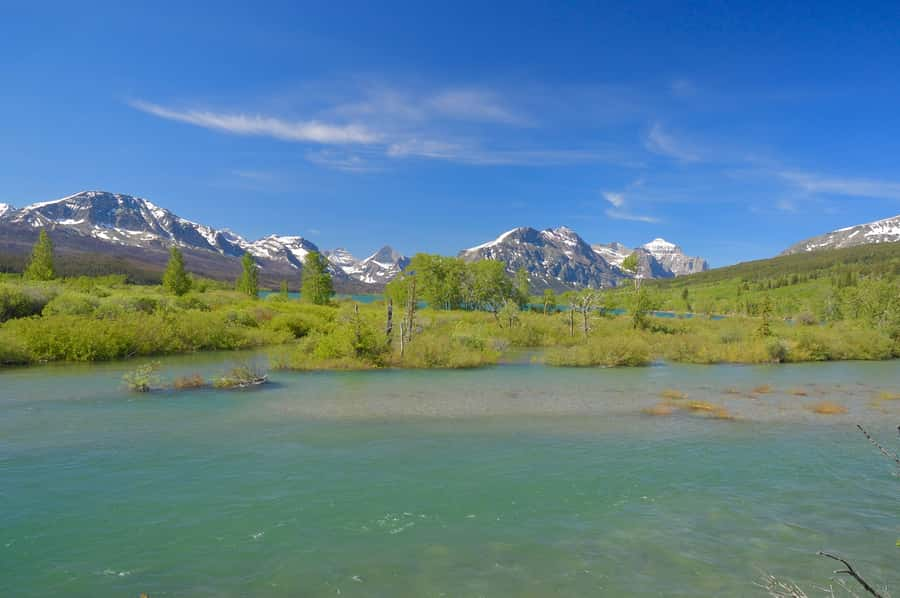
- Eight miles through John F. Stevens Canyon: The route gives you mountain views, forested riverbanks, and a fresh angle on Glacier National Park.
- Four calm miles before the rapids: You have time to learn the commands and settle into the raft before the action starts.
- Nine class II and III rapids: This is lively whitewater, but it is aimed at families and first-time rafters rather than experts.
- Cold-water swimming stop: You can jump in for a short swim if conditions and your comfort allow.
- Historic Belton Bridge: Near the end, the raft passes under this old bridge before returning to West Glacier.
- $90 with equipment and transport: A guide, helmets, life jackets, cold-weather gear when needed, and the bus ride to the river are included.
A family-friendly run beside Glacier National Park
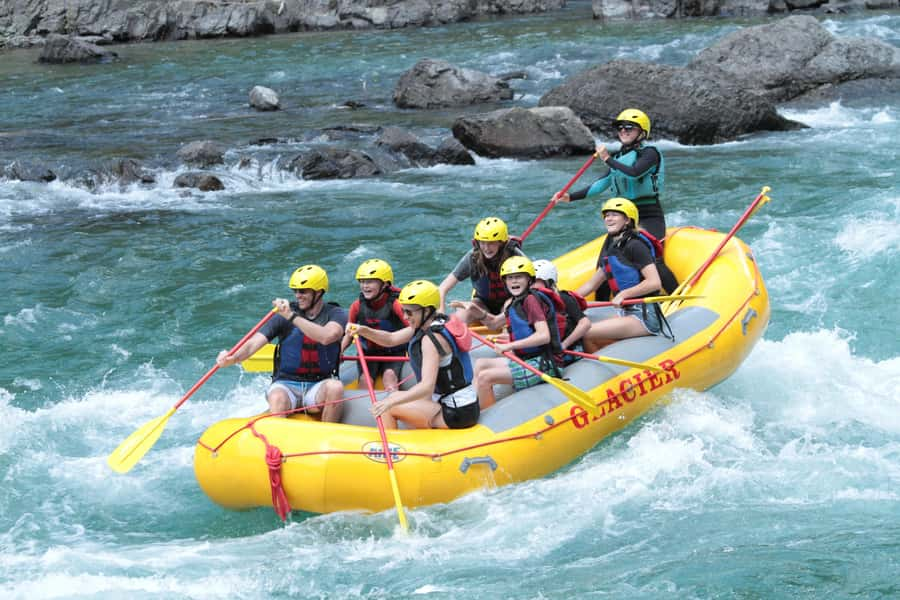
This is not a full-day expedition or a technical whitewater course. It is a half-day outing built around a simple idea: teach you enough to paddle, then let the river provide the excitement.
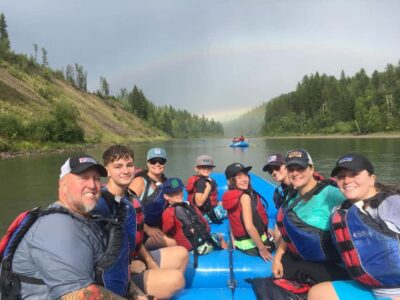
The Middle Fork section of the Flathead River runs near Glacier National Park and through John F. Stevens Canyon. From the raft, you see the park from below, where river rocks, canyon walls, forests, and changing water levels shape the experience. You are not simply sitting in a boat while a guide does everything. You will follow short commands and help move the raft through the rapids.
The rapids are rated class II and III. That means you should expect splashes, bumps, quick paddling, and some moments when the raft tilts or turns. It is exciting enough to feel like a real adventure, but the trip is presented as suitable for families and people trying whitewater rafting for the first time.
The biggest variable is the river itself. High water in June and early July can make the trip more active. By August and September, lower water may produce a calmer ride. That is not a flaw in the outfitter, but it matters if you are booking mainly for whitewater. A lower river can still give you beautiful scenery and some class I to III action, but the balance shifts toward a scenic float.
More national park tours around the USA:
- Miami: Everglades National Park Airboat Tour & Wildlife Show
★ 4.5 · 7,296 reviews - Clear Kayak Tour of Shell Key Preserve and Tampa Bay Area
★ 5.0 · 5,800 reviews - Discover Rocky Mountain National Park
★ 5.0 · 3,419 reviews
Check-in at West Glacier
You meet at Glacier Raft Company in the village of West Glacier, between the gas station and the Alberta Visitor Center. Plan to arrive 30 minutes before departure. That early arrival gives you time to check in, sort your clothing, and listen to the safety briefing without rushing.
Leave your belongings in your car. The company keeps your car keys at the front desk, so you do not have to carry them downriver or worry about losing them in the raft. Food and drinks are not included, so bring water and eat beforehand if you need a meal before the trip.
The safety talk lasts about 30 minutes. This is useful time, not filler. You learn how to sit, hold the paddle, respond to commands, and stay secure in the boat. First-time rafters often need a few minutes to understand how quickly a guide’s instructions must be followed once the raft reaches a rapid.
The company provides helmets and life jackets. If the temperature is below 70 degrees, cold-weather gear is available, including fleece and splash jackets. Wetsuits and river shoes can be provided when conditions call for them. Water shoes cost $7 once wetsuits are no longer required, so closed-toe shoes are the safer packing choice if you do not want to rent footwear.
The 10-minute ride to the river
After check-in, your guide takes the group by bus to the launch point. The ride lasts about 10 minutes, so there is no long transfer eating into your day.
Your gear and belongings are handled before the boat launches. At the river, the guide explains the basic safety rules again and gets everyone settled in the raft. Helmets and life jackets are mandatory, and you should expect to wear them for the full water portion.
The short drive is also helpful for practical planning. You can leave dry clothes, a towel, and anything you do not want exposed to water in your vehicle. Keep sunscreen and water available before you board, since food and drinks are not supplied during the outing.
Four calm miles to learn the rhythm
The first four miles are mellow. This is one of the smartest features of the trip because you do not begin with a rapid before you know what the guide means by forward, back, or other paddle commands.
Use this section to adjust your foot position, get comfortable beside the other people in the raft, and learn how the boat responds. The guide may also point out plants, animals, geology, river features, and environmental concerns. The quiet water makes it easier to listen.
This part can feel long if you booked strictly for whitewater. That is the tradeoff for the trip’s broad appeal. Families and beginners get a gentle start, while experienced rafters may wish the rapids arrived sooner. Still, the slow opening gives you time to take in the canyon and enjoy the river without constantly bracing for the next turn.
The guides are a major part of the experience here. Maddie has been praised for keeping the group amused and on task while explaining the river, geology, and park. Other guides, including Jacob, Eva, Jackson, Alex, and Eric, have been noted for sharing local facts and making first-time rafters comfortable. The strongest pattern is not flashy performance. It is calm instruction mixed with good conversation.
Same parks, a different way to see them:
- Yosemite Highlights & Giant Sequoias Day Tour from San Francisco
★ 4.5 · 3,455 reviews - Mt. Rainier National Park Highlights Tour
★ 5.0 · 3,156 reviews - Grand Canyon National Park South Rim Bus Tour from Las Vegas
★ 4.5 · 3,071 reviews - Wilderness, Wildlife, Glacier Experience from Anchorage
★ 5.0 · 3,004 reviews
Nine rapids on the second four miles
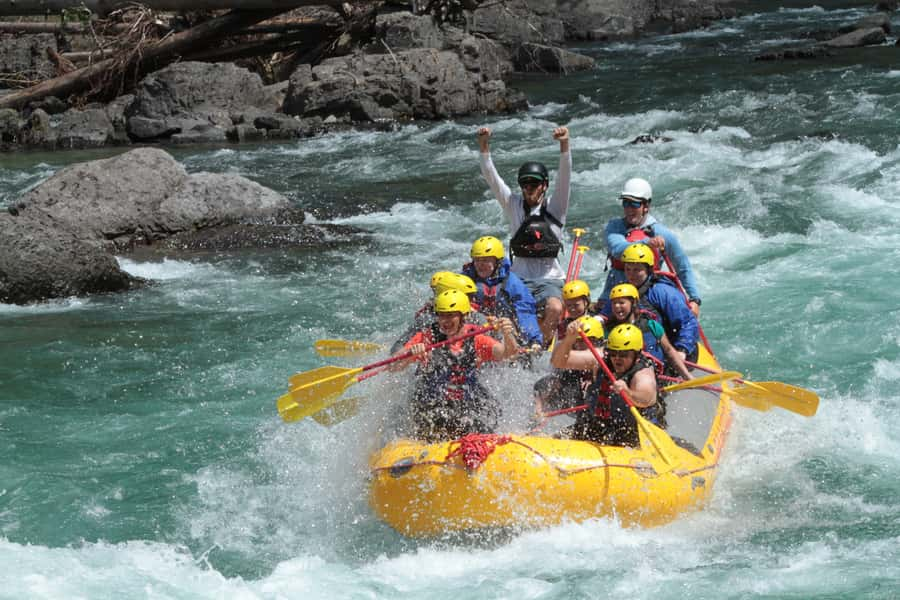
The whitewater begins on the second half of the route. You will work as a team, listening for the guide’s instructions and paddling when told. The class II and III rating suggests a lively ride with plenty of spray, but not the demanding conditions associated with advanced whitewater trips.
Bonecrusher is the named rapid where photographs are taken. You do not need to bring a camera into the raft. That is a good thing, since phones and loose objects have no business in a wet boat moving through rapids.
Expect the character of the ride to change with the season. Higher water can make the rapids feel faster and more forceful. Lower water may expose more rocks and reduce the punch of the waves. Several outings in July and August have still produced exciting class I to III sections, but the experience can become more scenic when the river drops.
This is where the $90 price makes sense. You are paying for a guide trained in river rescue and first aid, safety equipment, transportation to the launch point, and roughly 150 minutes on the river. You also get the convenience of a managed route near the park without needing your own raft, shuttle, or technical knowledge.
Glacial water and a choice to swim
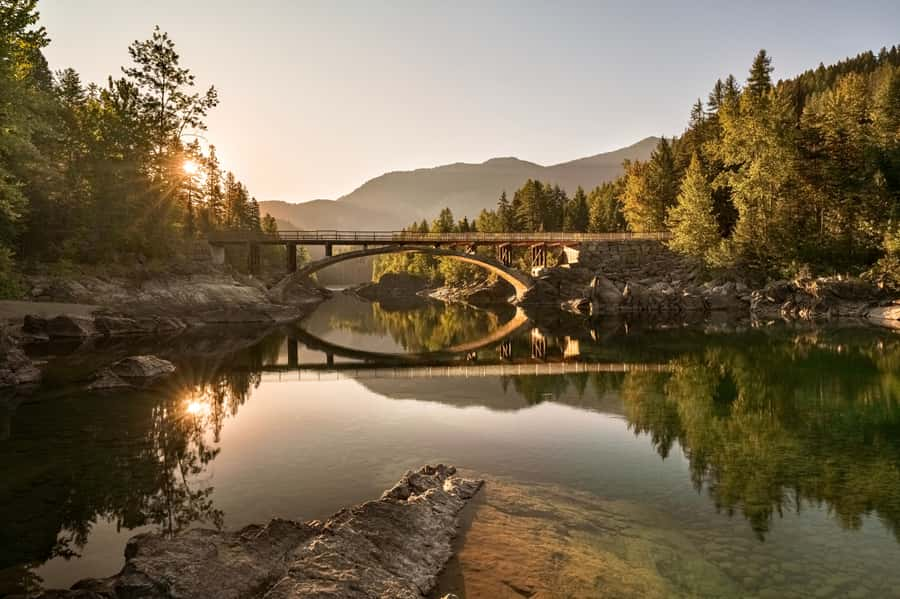
The raft stops at times so you can jump into the river. This is optional. If the water looks too cold, the weather turns rough, or you simply want to stay dry, remain in the raft.
The water comes from a cold mountain river system, so do not treat the swim as a warm-weather pool break. A brief dip can be refreshing, but you should expect a sharp chill. Bring a towel and a full change of clothes, even if you decide before departure that you will not swim. Spray and splashes can leave you wet anyway.
This stop adds a relaxed note to a trip that could otherwise be all commands and rapids. It also gives you a chance to appreciate the river’s clarity and rock formations. One outing included a black bear sighting from the river, but wildlife is never guaranteed. Keep your attention on the shoreline, and do not count on seeing an animal.
Under Belton Bridge and back to town
Near the end, the raft passes beneath historic Belton Bridge. It is a memorable closing point because it links the natural river route with the built history of West Glacier.
After leaving the water, you walk about 10 minutes back to the Glacier Raft Company office. You should be ready for a wet walk if the river has soaked your clothing. This return on foot is short, but it is another reason to wear secure footwear rather than sandals or bare feet.
The total duration changes with river flow. In June through early July, allow about 2.5 hours. From mid-July to early August, it usually takes about three hours. From mid-August through the end of the season, plan on roughly 3.5 hours. The advertised duration is 150 minutes, but you should not schedule a tight appointment immediately afterward.
What the guides add to the trip
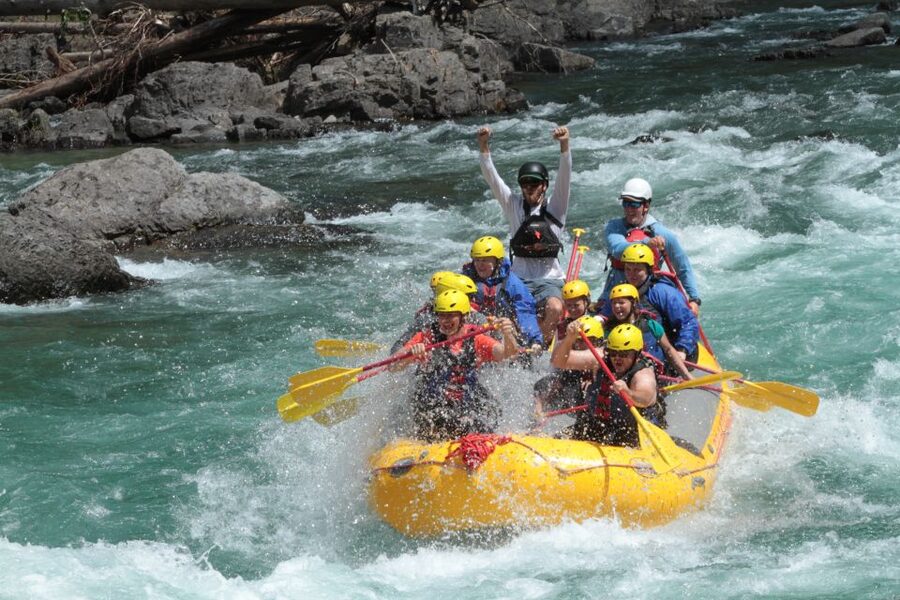
A rafting company can provide a safe boat and still offer a dull outing. Here, the guide’s role extends beyond steering. The best guides teach paddle technique, explain river ecology, and keep the group engaged during the quiet stretches.
You may hear about flora and fauna, geology, park history, fish, birds, and environmental concerns. Jake, Reid, Niels, Trevor, Hannah, and McClure have all been singled out for combining facts with humor or clear instruction. Cierra was praised for maintaining group energy during a storm and low water, while Eric helped an 11-year-old feel comfortable.
That matters if your group includes different ages or confidence levels. A nervous beginner needs plain directions and a steady voice. A child may need encouragement before the first rapid. An experienced adult may appreciate facts about the river between the exciting sections. The guide has to serve all three people at once.
Guide quality can vary from one departure to another because different people lead different boats. The company’s long-serving seasonal staff and training in rescue techniques and first aid are reassuring, but your experience will still depend partly on the personality and style of the guide assigned to you.
Who should book this rafting trip
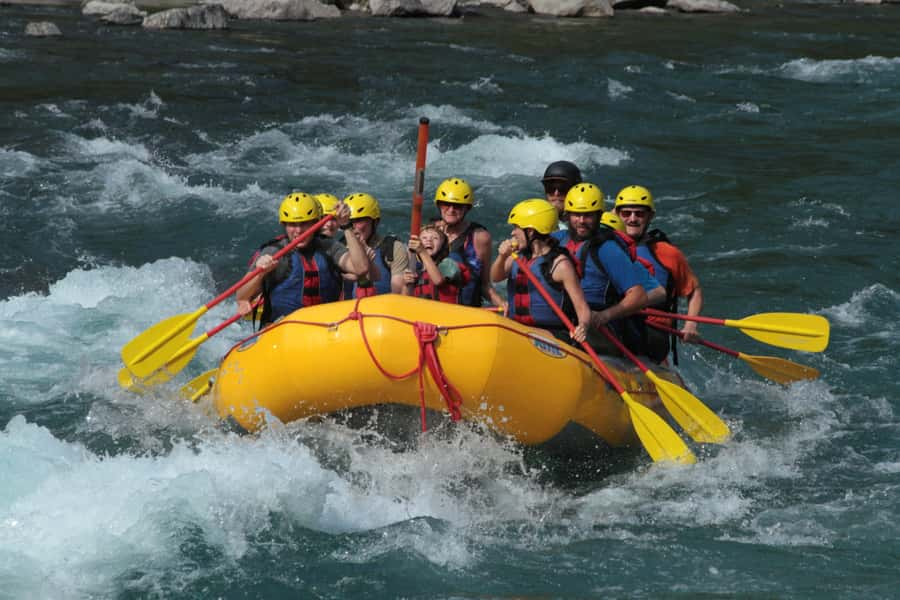
I would point families, first-time rafters, and Glacier National Park visitors toward this trip. The calm opening, moderate rapids, optional swim, and clear safety structure create a manageable introduction to whitewater.
It also works well for a group with mixed interests. One person can enjoy the scenery and river ecology, while another gets the splash and teamwork of the rapids. The trip gives you a different view of the park without requiring a long hike.
It is less suitable if you want a hard-charging whitewater day from the first minute. Four mellow miles come before the rapids, and late-season low water can make the ride more of a scenic float. You should also skip it if you are pregnant, have a mobility impairment, weigh under 50 pounds, or have a child under five.
The trip runs rain or shine. That makes clothing important. Pack layers, a towel, sunscreen, water, cash, and clothes that can get dirty or wet. Avoid glass, coolers, alcohol, drugs, and bare feet. Alcoholic drinks are also not permitted in the vehicle.
Is $90 a fair price?
At $90 per person, this is a fair price for a guided half-day river outing near Glacier National Park. The fee includes the professional guide, helmet, life jacket, transport to the river, and cold-weather gear when required. You do not need to rent a raft or arrange a separate shuttle.
The extra $7 charge for water shoes is modest, but remember it if you are not bringing suitable closed-toe footwear. Food and drinks are not included, so build those costs into your day.
Value depends on what you want from the river. At higher water, you get a stronger whitewater experience for the same price. At low water, you pay more for the scenery, instruction, and chance to see the park from the river than for intense rapids. I would still consider it worthwhile for beginners and families, but dedicated rafters should check the expected river conditions before booking.
Free cancellation up to 24 hours before departure and the option to reserve without paying immediately make planning easier. Check the available start times, then leave enough room in your day for the changing trip length.
Should you book it?
Book this trip if you want a safe, social introduction to Montana whitewater with excellent park scenery and guides who explain what you are seeing. The gentle first half, nine later rapids, optional swim, and Belton Bridge finish give the outing a satisfying range.
Think twice if your only goal is maximum whitewater. River levels can turn the trip into a calmer scenic float, especially late in the season. For most families, first-timers, and Glacier visitors with half a day to spare, the mix of action, scenery, and practical instruction makes this a strong use of $90.
FAQ
Where does the rafting trip meet?
Meet at Glacier Raft Company in the village of West Glacier, between the gas station and the Alberta Visitor Center.
How long does the trip last?
The listed duration is 150 minutes. Actual time varies with river flow, from about 2.5 hours in June and early July to about 3.5 hours from mid-August through the end of the season.
How many rapids will I run?
The route includes nine class II and III rapids on the second four miles of the eight-mile trip.
Is this trip suitable for beginners?
Yes. The first four miles are calm, giving you time to learn the paddle commands before reaching the rapids. The trip is described as family-friendly and suitable for first-time rafters.
What equipment is provided?
Helmets and life jackets are provided. Fleece, splash jackets, wetsuits, and river shoes are available when conditions require them. Water shoes cost $7 once wetsuits are no longer needed.
What should I bring?
Bring a change of clothes, towel, sunscreen, water, cash, clothes that can get dirty, and closed-toe shoes. Food and drinks are not included.
Who cannot participate?
Children under five, pregnant women, people with mobility impairments, and anyone weighing less than 50 pounds cannot take part. Bare feet, glass objects, coolers, alcohol, and drugs are not allowed.
Just added for the parks around the USA
- St. George: Sunset ATV Adventure near Zion National Park★ 5.0 · 12 reviews
- Springdale: Guided eBike Tour in Zion National Park★ 4.9 · 61 reviews
- Small Group: Olympic National Park Day Tour From Seattle★ 4.7 · 133 reviews
- Seattle:Small Group Mount Rainier National Park 1-Day Tour★ 4.6 · 46 reviews
- Sitka: Guided Alaskan Wilderness Trail Adventure Hike★ 5.0 · 3 reviews
- Seward: Kenai Fjords National Park Extended Cruise★ 5.0 · 47 reviews
- Seward: Captain’s Choice Kenai Fjords National Park Tour★ 5.0 · 16 reviews
- Seward: Kenai Fjords National Park Glacier & Wildlife Cruise★ 4.9 · 76 reviews
West Glacier National Park Tours, compared.
Half-Day Glacier National Park Whitewater Rafting Adventure
Read our review →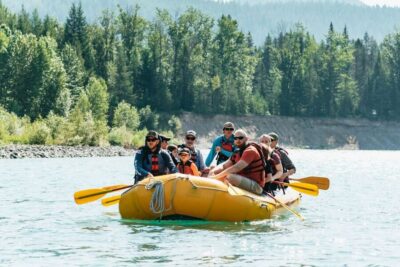
West Glacier: Glacier National Park Scenic Raft Trip
Read our review →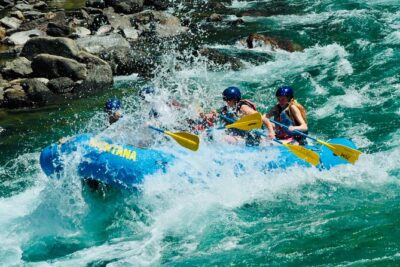
Full Day Glacier National Park Whitewater Rafting Adventure – With Lunch!
Read our review →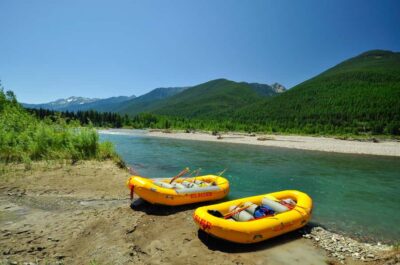
Glacier National Park: Full-Day Whitewater Rafting Trip
Read our review →
Glacier National Park: Scenic Float on the Flathead River
Read our review →Browse the lists this tour appears in