Review · AMBOSELI NATIONAL PARK
Nairobi: 3-Day Amboseli National Park Shared Safari Package
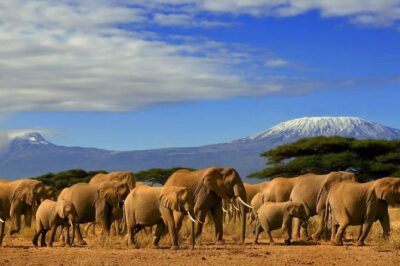
Amboseli’s great draw is easy to understand: large elephant herds beneath Mount Kilimanjaro. On this three-day trip from Nairobi, you spend a full day in the park, with time to search acacia woodland, grassland, marshes, and swamps for wildlife.
I like the small group limit of eight and the fact that park fees, meals, water, transport, and a professional driver-guide are included. I also like the simple rhythm: travel in, two nights at Nyati Safari Camp, a full game-drive day, then a final morning in the park. The main caution is the long drive and fairly short safari period, plus basic camp bedding and a lunch arrangement that may not suit vegetarians.
Key points to know
- Kilimanjaro views depend on conditions: The mountain is a major part of the experience, but clouds can hide it.
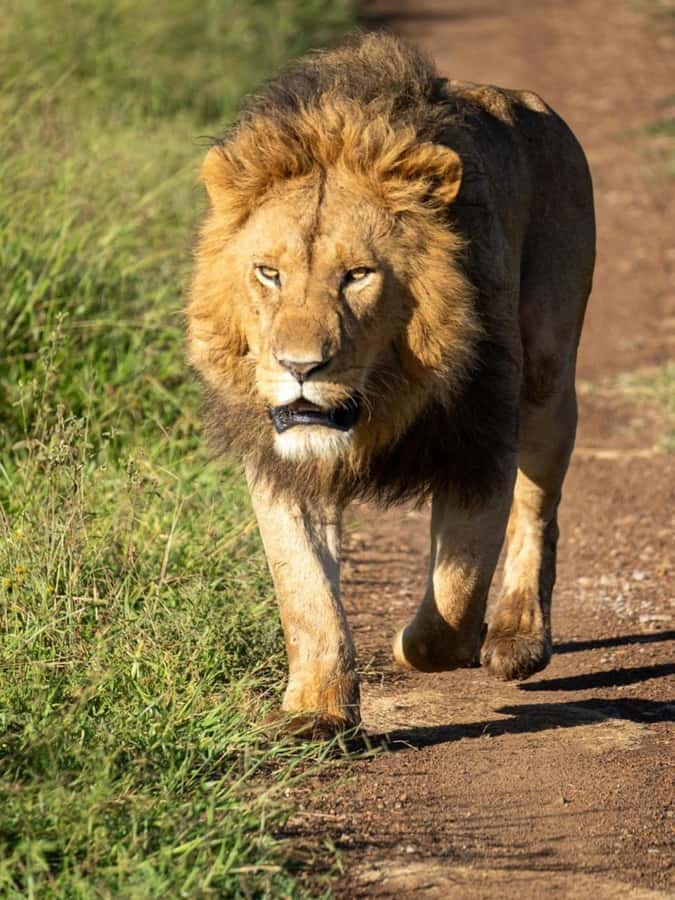
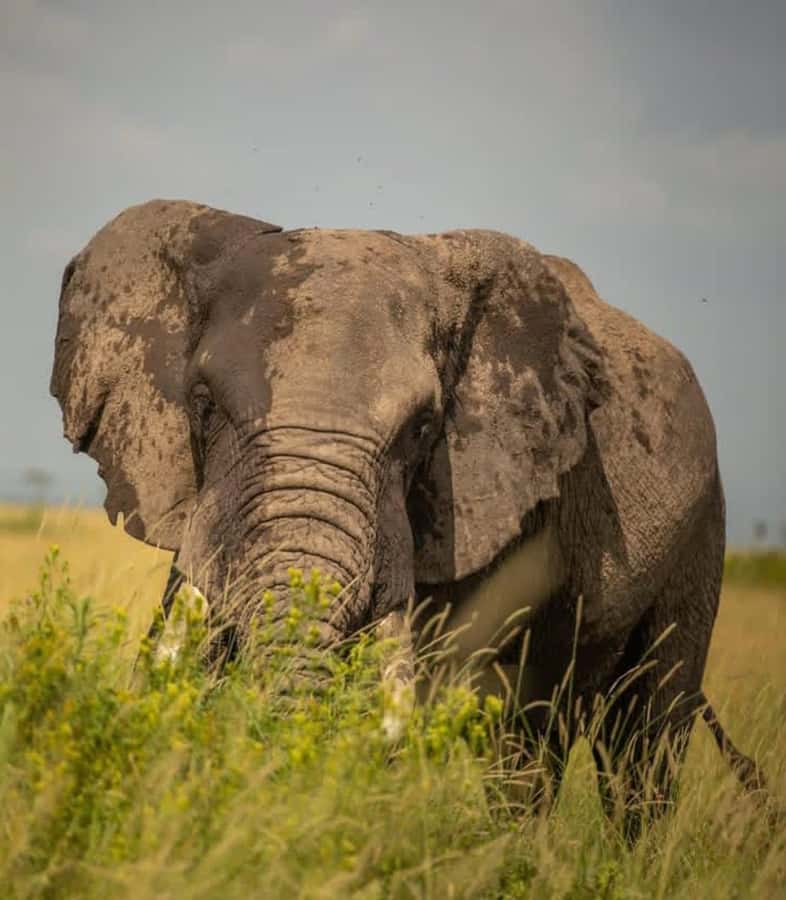
- Elephants are the main attraction: Amboseli is known for large herds, with lions, cheetahs, buffalo, giraffes, and zebras also possible.
- The full park day matters: Morning and afternoon drives give you the best chance to see changing animal activity.
- Nyati Safari Camp is comfortable but basic: One guest found the beds very hard, so do not expect a luxury lodge.
- The shared van keeps the price down: You travel with a small group of up to eight people in an open-roof safari van.
- Food needs some planning: Meals are included, but vegetarian safari lunches may be too light for a long day outside.
Why Amboseli works so well for a short safari
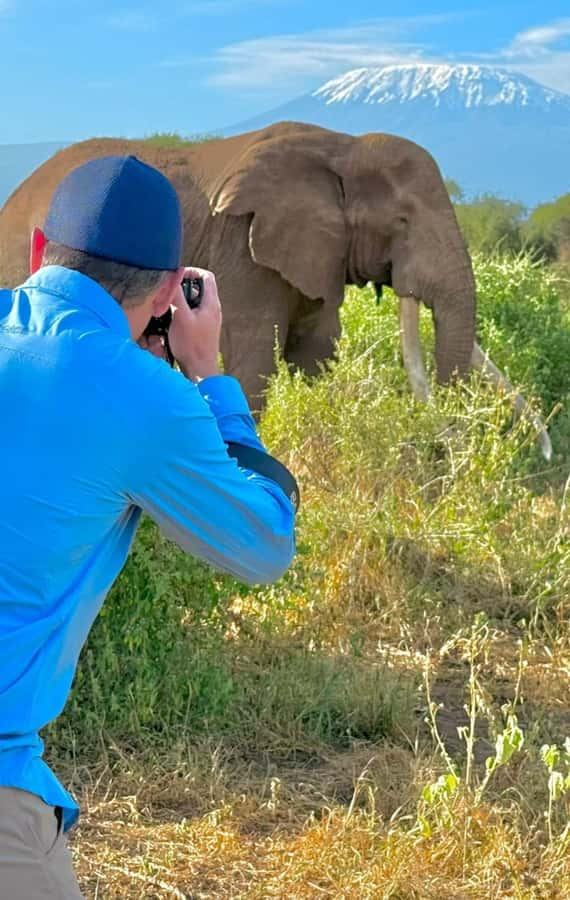
If you have only a few days in Kenya, Amboseli makes sense because it offers two strong sights in one park: elephants and Kilimanjaro. The mountain gives the safari a memorable backdrop, while the park’s mix of open grassland, acacia forest, marshes, and swamps gives you more than one kind of wildlife setting.
I like this combination because the day does not depend on a single animal sighting. Even if lions stay out of view, you still have elephants, giraffes, zebras, buffalo, and many bird species to watch for. The park is also known for more than 400 types of birds, so binoculars are worth packing even if large mammals are your main goal.
The trip is not a luxury safari and it is not a long expedition into Kenya’s remote parks. At $427 per person, it is a practical shared option for someone who wants a proper national park visit without paying for a private vehicle. Your money covers park entry, a professional driver-guide, two nights of accommodation, game drives, and bottled water.
The tradeoff is time. You leave Nairobi at 2:30 p.m. on the first day, arrive in the evening, have one full day in the park, then take a two to three-hour morning drive before returning to Nairobi. That is enough for a taste of Amboseli, but not enough for the relaxed pace of a longer safari.
More Multi-Day Safari Tours in Kenya
- Overnight Amboseli National Park Safari from Nairobi
★ 4.5 · 29 reviews - From Nairobi: 2-Day Amboseli National Park Safari
★ 4.8 · 23 reviews - Overnight Safari to Amboseli National Park
★ 5.0 · 16 reviews
Day 1: Nairobi to Amboseli after a 2:30 p.m. departure
The first day begins in central Nairobi. If you are using the stated meeting arrangement, you make yourself available at Java House Mama Ngina, then transfer to the departure point to join the group. Hotel or airport pickup is not part of the standard price, though it can be arranged for an additional fee.
This detail matters. You should plan your Nairobi morning and early afternoon around reaching the meeting point on time. Since the trip uses a shared vehicle, late arrivals can create problems for everyone in the group. Confirm the exact pickup instructions before the day begins.
The drive to Amboseli takes up the afternoon and continues into the evening. The first day is mainly a transport day, not a full game-drive day, so set your expectations accordingly. You will not get hours of wildlife viewing before dinner.
After arriving, you check in at Nyati Safari Camp, eat dinner, and spend the night. Two nights at the same camp make the trip easier than changing accommodation each evening. You can settle in, keep your bags organized, and be ready for the early starts that usually shape a safari day.
The camp is described as comfortable, but it is not presented as a high-end property. One useful warning concerns the beds, which one visitor found very hard. If you sleep better with extra support, ask the camp staff if additional bedding is available, though that cannot be guaranteed.
Day 2: a full Amboseli day from acacia trees to marshes
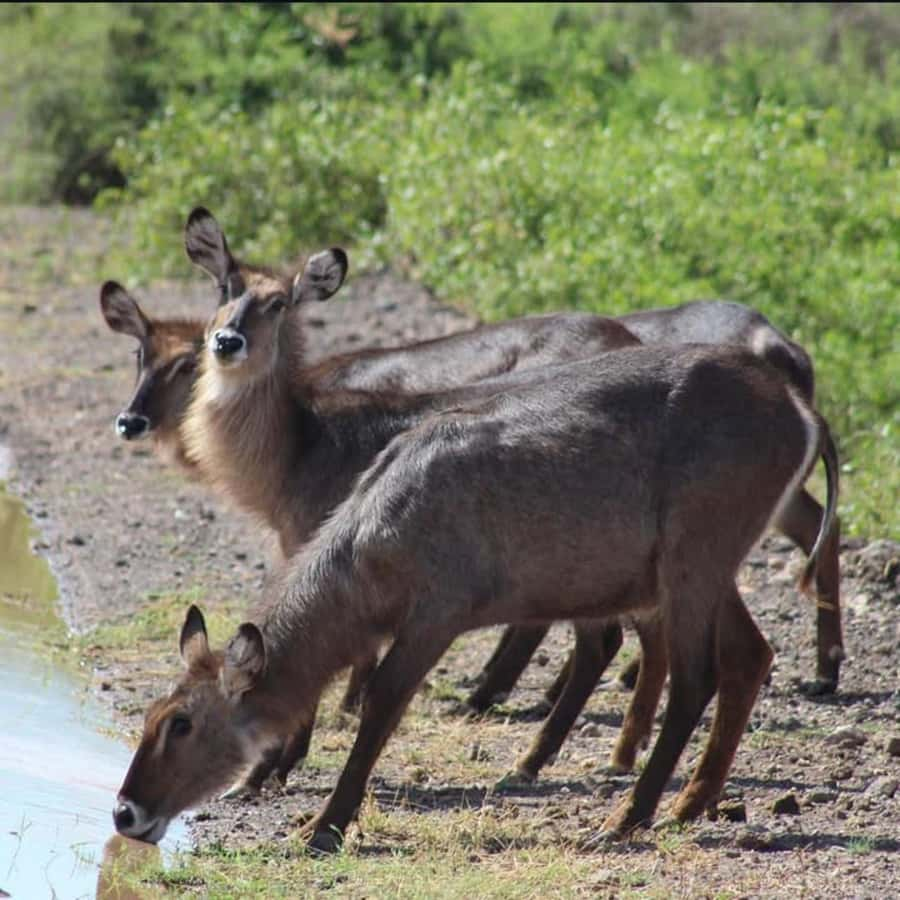
The second day is the heart of the trip. You spend the morning and afternoon on game drives, with a midday break at the camp. That pause is valuable in a hot, open park. It gives you a chance to eat, rest, charge yourself up, and enjoy the Kilimanjaro views without sitting in a moving vehicle.
The park’s different habitats give the driver-guide several places to search. Open grasslands can offer broad views of animals, while acacia woodland provides a different setting. Marshes and swamps attract wildlife and birds, making the park feel less dry and uniform than you might expect from a quick glance at the open plains.
The guide is an important part of the experience. A strong guide does more than point toward an animal. The guide decides where to spend time, explains what you are seeing, and handles the driving on rough park roads. One highly praised part of this trip was the driver-guide’s ability to find good viewing spots, explain Amboseli and Kilimanjaro, and respond to the group’s wishes.
That personal service matters in a shared safari. You will not control every stop, but a guide who listens can help balance photography, animal watching, and the wishes of other people in the van. The vehicle holds no more than eight participants, which is a useful middle ground: smaller than a large coach, but less costly than a private safari.
Elephants are the headline sight. Amboseli is famous for its large herds, and you should expect plenty of time spent watching their movement, feeding, and interaction if the animals are in a viewable area. Keep your camera ready, but do not let the search for the perfect photograph make you miss the wider scene.
Other animals listed for the park include lions, cheetahs, buffalo, giraffes, and zebras. Wildlife sightings are never guaranteed, so I would judge the trip by the range of habitats and search time rather than by a promise of checking every animal off a list.
The birdlife gives the day another layer. More than 400 species are found in the park, and the marshes and swamps are especially relevant for bird watching. Bring binoculars if you have them. A camera, hat, sunscreen, and comfortable clothes are also sensible choices for a full day in an open vehicle.
Kilimanjaro views and the best time to watch
Mount Kilimanjaro is one of the reasons to choose Amboseli over a safari that offers only wildlife. Africa’s highest peak gives you a clear visual marker throughout the experience, especially when the weather allows the mountain to appear.
The wording matters: you are promised stunning views, but no mountain view is guaranteed at every moment. Clouds and weather can cover the summit. The best approach is to enjoy the mountain whenever it appears, rather than treating one perfect photograph as the measure of the trip.
The midday break is a good design choice. After the morning drive, you can return to the camp and look toward Kilimanjaro while eating or resting. Then you head back out for an afternoon drive, when the light changes and animals may be in different places.
You should also bring sunscreen and a hat. An open-roof van gives you better viewing and photography angles, but it leaves you exposed to sun, dust, and changing temperatures. Comfortable clothing is more useful than dressing for a formal lodge.
More Multi-Day Safari Tours in Nairobi
- 3-Day Masai Mara and Naivasha Hell’s Gate National Park-Safari
★ 4.0 · 12 reviews - Nairobi: Overnight Safari Trip to Amboseli National Park
★ 4.9 · 8 reviews
Meals, water, and what to pack
Meals are included during the safari, and one liter of bottled drinking water is provided per day while you are on safari. Drinks beyond that, including alcoholic and other beverages, are not included. If you drink a lot of water in warm weather, you should budget for extra supplies.
Food deserves special attention if you are vegetarian. One vegetarian lunch consisted of a small milk roll with tomato and cucumber, two boiled eggs, juice, and two pieces of fruit for a ten-hour safari day. That was not enough food and caused stomach discomfort.
I would contact the operator before departure with clear dietary requirements and ask exactly what will be packed for the long game-drive day. Do not assume that an included meal will match your appetite or diet. This is a small but important planning point, especially because you may be far from the camp during the day.
Pack sunscreen, a hat, comfortable clothes, and a camera. Binoculars will help with birds and distant animals. Water is listed among the recommended items, even though one liter per safari day is included, so carrying extra water is sensible if you can do so.
Personal toiletries, insect repellent, and ointments are not supplied. Bring toothpaste, a toothbrush, repellent, and any medication or skin products you need. The camp may have some basic supplies, but the trip information does not promise them.
What the $427 price really covers
The $427 price is reasonable for a short shared safari because several large costs are already bundled into it. You get transport in a safari van with an open roof, park entry fees, two nights at Nyati Safari Camp, a professional driver-guide, game drives, and one liter of water per safari day.
Park entry fees alone can make a Kenya safari expensive, so having them included makes the final cost easier to understand. The small group limit also improves the value. You are not paying for a private vehicle, but you are not being placed in a large tour bus either.
Still, the price does not cover every part of the trip. You pay extra for Nairobi hotel or airport pickup, drinks, personal items, tips, and optional activities. A Maasai village visit costs $20 per person, while a hot-air balloon experience costs $450 per person, which is more than the safari itself.
I would treat the hot-air balloon ride as a separate luxury add-on, not as part of the core value. The main experience is the park, the animals, the mountain, and the guided drives. The village visit is more affordable, but you should decide based on your interest and the extra time involved.
Tips for the guide, cook, and porters are also excluded. The trip information does not set an amount, so carry some cash if you plan to tip. A guide who drives safely, finds wildlife, explains the park well, and adjusts to the group can make a major difference.
The shared van, group size, and road time
The open-roof safari van is a practical choice for Amboseli. You get a better view than you would through ordinary side windows, and it is easier to take photographs from a raised position. The downside is exposure to sun and dust, plus less personal space than you would have in a private vehicle.
A maximum of eight participants keeps the group fairly small. I like this size for a first safari because you can share the cost while still having a reasonable chance of seeing out. Your experience will still depend on where you sit and how the group handles stops, so a private safari remains the better choice if you need complete control.
The driving time from Nairobi and back is part of the calculation. Day one begins in the afternoon and ends at the camp in the evening. Day three includes a morning game drive, breakfast, and the return to Nairobi, with drop-off in the city center.
This format suits you if you want a short break from Nairobi and do not mind giving much of the first and last day to the road. It suits you less if you want several full days of wildlife viewing or dislike long vehicle journeys.
Day 3: a final two to three-hour game drive
The final morning starts with a game drive lasting about two to three hours, followed by breakfast. This is a useful last chance to see animals in the park before the return trip.
A morning drive can feel different from the previous day because you are watching the park wake up and making the most of limited time. Still, two to three hours is shorter than the full-day outing, so you should see it as a final opportunity rather than another complete safari day.
After breakfast, you leave Amboseli for Nairobi. The route brings changing scenery as you travel, and the planned drop-off is in Nairobi city center. Hotel or airport drop-off requires an extra arrangement and fee.
Who should book this Amboseli safari?
I would recommend this trip to you if you are based in Nairobi, want to see elephants and Kilimanjaro, and prefer a lower-cost shared arrangement. It is also a good fit if you like having park fees, transport, accommodation, and guiding gathered into one price.
This safari suits first-time visitors who want a manageable introduction to Kenya’s wildlife. The driver-guide receives the strongest praise, and good guiding is especially helpful when you are learning how game drives work.
I would be more cautious if you need soft bedding, have strict food requirements, or want a long, unhurried safari. Ask about the bed and vegetarian meals before paying. Also confirm the pickup plan if you are staying outside central Nairobi.
The free cancellation policy allows cancellation up to 24 hours before departure for a full refund, and the reserve-now, pay-later option keeps your cash available until closer to the trip. Those terms are useful, but they do not change the basic decision: you are buying a compact park visit, not a luxury safari.
Should you book it?
Book this Amboseli trip if elephants, Kilimanjaro, and a small shared group are your priorities. At $427, it offers solid value for two nights, park fees, guided drives, and transport from Nairobi.
Skip it or choose a longer private option if you want more time in the park, more control over meals and stops, or a higher level of camp comfort. For the best experience, bring sun protection and binoculars, clarify dietary needs, and arrange Nairobi pickup early. With those points handled, this is a practical way to see one of Kenya’s most recognizable safari settings in three days.
FAQ
How long is the Amboseli safari?
The safari lasts three days, including travel between Nairobi and Amboseli.
Where does the tour meet in Nairobi?
The meeting arrangement uses Java House Mama Ngina. Clients who meet there are transferred to the departure point to join the group.
Is hotel or airport pickup included?
No. Pickup and drop-off at your Nairobi hotel or the airport can be arranged for an additional cost.
What accommodation is included?
You receive two nights at Nyati Safari Camp, with meals included during the safari.
How many people are in the group?
The group is limited to eight participants, and transport is in a shared open-roof safari van.
What animals can I see in Amboseli?
The park is known for large elephant herds. You might also see lions, cheetahs, buffalo, giraffes, zebras, and more than 400 bird species.
What optional activities are available?
A Maasai village visit costs $20 per person, and a hot-air balloon experience costs $450 per person. Both are optional and not included in the main price.
More National Park Safaris in Nairobi
- DAY TRIP AMBOSELI NATIONAL PARK FROM NAIROBI BUDGET SAFARI.
★ 4.5 · 52 reviews - Nairobi: Nairobi National Park Half-Day Game Drive
★ 4.3 · 36 reviews - Nairobi: National Park Early Morning or Afternoon Game Drive
★ 4.5 · 20 reviews - 5 Hours Nairobi National Park Game Drive Tour 4×4 Open Roof
★ 4.6 · 18 reviews
More National Park Safaris in Kenya
- Nairobi National Park Half-Day Game Drive
★ 4.5 · 738 reviews - Safari Tour; Nairobi National Park
★ 4.5 · 594 reviews - Nairobi National Park 5-hour Guided Game Drive Free Pick up
★ 4.5 · 367 reviews - Half-Day Nairobi National Park Safari from Nairobi with Free Pickup
★ 4.5 · 264 reviews
Just added for the parks around Nairobi
- Nairobi Park, Giraffe & Elephant Orphanage with Museum Visit★ 5.0 · 5 reviews
- Nairobi:Nairobi national park,David sheldrick,GiraffeCenter★ 3.6 · 3 reviews
- Nairobi national park: Sunrise and Sunset Tours★ 4.4 · 5 reviews
- Nairobi: Overnight Safari Trip to Amboseli National Park★ 4.9 · 8 reviews
- Nairobi National Park Morning Or Evening Game Drive Tour★ 4.6 · 10 reviews
- Nairobi National Park, Orphanage, Giraffe & Beads Tour★ 5.0 · 9 reviews
- Nairobi National Park Morning Game Drive With Free Pickup★ 3.8 · 4 reviews
- Nairobi National Park Half-Day Guided Game Drive With Pickup★ 4.1 · 13 reviews
Amboseli National Park Safaris, compared.
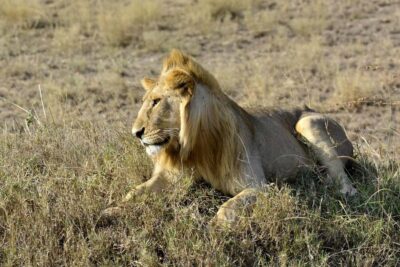
Day Tour to Amboseli National Park & Maasai Village
Read our review →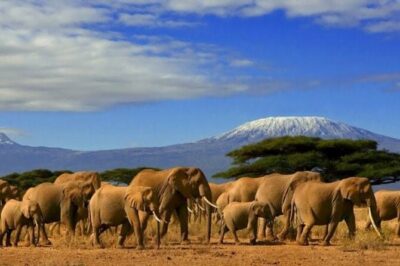
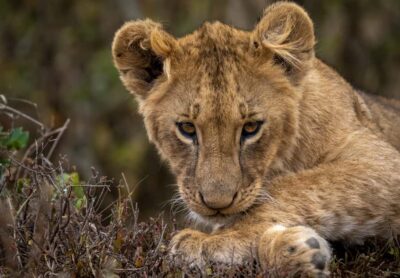
Day Trip: Amboseli National Park & Maasai Village – Nairobi
Read our review →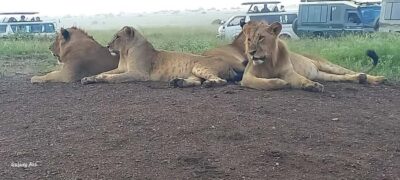
DAY TRIP AMBOSELI NATIONAL PARK FROM NAIROBI BUDGET SAFARI.
Read our review →
Private Day Tour Amboseli National Park, View Mt. Kilimanjaro 4*4
Read our review →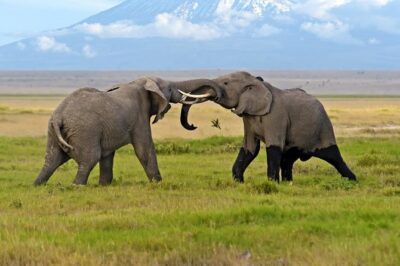
4 Days Tsavo West, Amboseli and Tsavo East National Park Safari
Read our review →