
Review · SRI LANKA
Arugam Bay: Kumana National Park Safari
Kumana National Park is at its best when the jeep slows beside a lagoon and everyone starts scanning the reeds. Birdlife is the main event, with painted storks, herons, egrets, ibis, pelicans, and migratory species possible across the wetlands. If luck joins you, elephants, deer, water buffalo, crocodiles, or even a leopard may appear.
I like two things here: hotel pickup from Arugam Bay keeps the morning simple, and the six-hour outing gives you time to search rather than rush from one sighting to the next. The comfortable jeep, English-speaking guide, safety briefing, and GPS tracker also make this a practical choice for a first Sri Lankan safari.
The main catch is that wildlife never follows a schedule. You may see elephants and monkeys close to the jeep, as one recent morning outing did, or spend long stretches watching birds and water. Park entry, food, and drinks are not included, and the ride may be tiring for anyone with back problems.
Key points to know before booking
- Kumana is especially strong for birdwatching: More than 200 bird species may be found, including painted storks, pelicans, flamingos, herons, egrets, and ibis.
- The six-hour format allows patient wildlife searching: You have time to explore mangroves, lagoons, wetlands, and forest instead of treating the park as a quick photo stop.
- Pickup starts in Arugam Bay: Hotel pickup and return are included for the Arugam Bay area, with Delon listed as the local contact at 0094774323187.
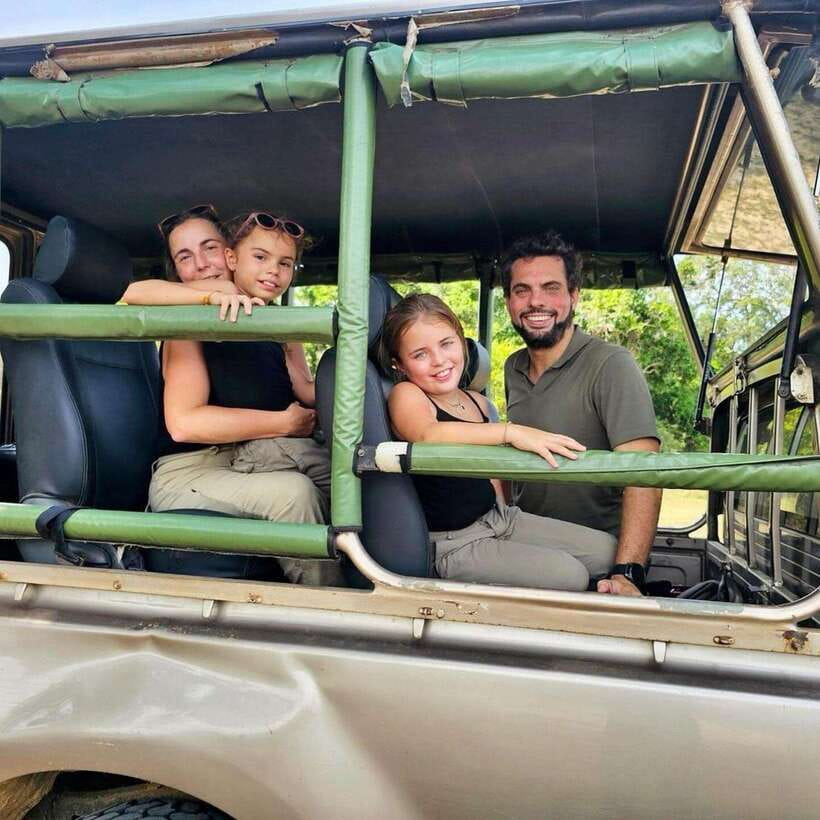
- The jeep is set up for a real safari: A comfortable vehicle, safety instructions, an experienced English-speaking guide, and a GPS tracker are included.
- Large animals are possible, not promised: Elephants, leopards, sloth bears, deer, wild boar, buffalo, crocodiles, and monitor lizards may appear.
- The price needs one extra calculation: The $51 cost covers the guided jeep outing and transfers, but the park entry ticket and refreshments are separate.
Why Kumana is a good match for Arugam Bay
Arugam Bay is best known for its surf, but Kumana offers a very different side of Sri Lanka. Instead of waves and beach cafés, you get wetlands, mangroves, lagoons, forest, and open country where animals move on their own terms.
The park is near Sri Lanka’s southeastern coast, making it a natural day trip from Arugam Bay. You do not need to arrange your own vehicle, find a driver, or work out the park visit alone. Pickup and return from the Arugam Bay area are part of the plan, which matters in a place where a simple outing can otherwise require several separate arrangements.
I would choose this safari if you want more than a quick animal sighting. Kumana’s mix of water and forest gives you several kinds of scenery to watch. The wetlands are useful for birdwatching, while the forest and open areas may bring elephants, deer, buffalo, wild boar, or larger predators.
The setting also gives the day a calm rhythm. You may spend part of the ride quietly watching a flock of birds, then shift your attention to tracks, movement in the brush, or a shape near the water. That change of pace is one of the pleasures of a national park visit.
More National Park Safaris in Sri Lanka
- Yala National Park Safari Tours: Morning/Evening/Full Day
★ 4.8 · 818 reviews - Udawalawe National Park: Elephant Safari with Expert Guide
★ 4.9 · 641 reviews - Full day Safari – Yala National Park – 04.30 am to 06.00 pm with – Janaka safari
★ 5.0 · 603 reviews
What your six-hour safari day looks like
Your day begins with pickup at your hotel in the Arugam Bay area. One recent outing began at 6am, so ask for the exact start time when you confirm. An early departure is sensible for a safari, since the cooler part of the day is generally more pleasant for sitting in an open vehicle, though the supplied details do not promise a specific wildlife schedule.
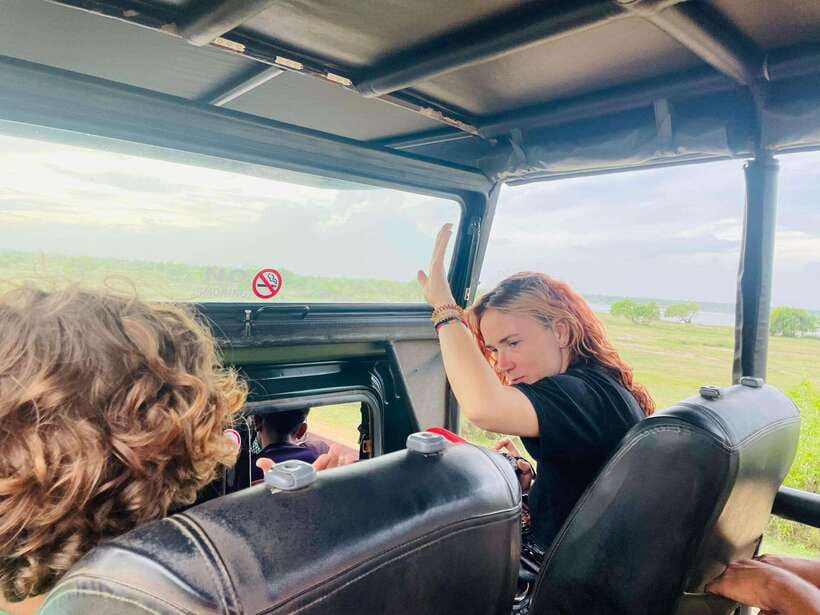
You then ride in the safari jeep toward Kumana National Park. The vehicle is described as comfortable and well maintained, which is important because six hours in a jeep can feel long if the seating or suspension is poor. You should still wear comfortable clothes and shoes, since this is an outdoor outing rather than a short city transfer.
Before or during the park visit, the guide gives safety instructions. Follow them closely. Do not feed animals, touch plants, smoke, or leave litter. These rules protect you, the animals, and the park itself. They also help keep wildlife behaving naturally instead of teaching animals to approach vehicles for food.
Inside the park, the guide takes you through areas of wetlands, lagoons, mangroves, and forest. The exact route and order of sightings will depend on conditions and animal movement. That uncertainty is normal. A safari is not a parade with guaranteed stops, and a good guide may spend extra time in an area where signs of wildlife look promising.
The six-hour duration is a useful middle ground. It is long enough to allow repeated searches for animals and birds, but shorter than a full-day outing. If you have limited time in Arugam Bay, this gives you a solid introduction to Kumana without taking over the entire day.
At the end, the jeep returns you to your hotel area. Food and drinks are not included, so bring water and plan for your own refreshments. The information provided does not specify a meal stop, so you should not count on lunch being supplied during the safari.
Kumana’s wetlands are the star for birdwatchers
If you care most about birds, Kumana may be more rewarding than a safari built only around big mammals. The park has more than 200 bird species, including migratory birds. That gives the guide plenty to look for even when elephants or leopards stay out of sight.
Painted storks are among the most appealing possible sightings. Their size and striking markings make them easier to notice than many smaller birds. Herons, egrets, ibis, and pelicans add variety around the water, while flamingos are also listed as a possible sighting.
Bring binoculars if you have them. Birds can be far across a lagoon or partly hidden in reeds, and a camera with a zoom lens will be more useful than a phone for distant subjects. Keep your movements quiet and avoid sudden gestures when the jeep stops.
The wetlands also give you something to watch between major sightings. Reflections on the water, birds feeding along the edge, and movement in the mangroves can make a quiet stop worthwhile. You do not need every minute to produce a large animal for the outing to feel productive.
Migratory birds are another reason timing can matter, but no exact migration dates are supplied for this activity. If birdwatching is your main reason for going, ask the local contact what conditions are like around your visit. Delon is listed as the contact at 0094774323187.
Elephants, leopards, and the luck factor
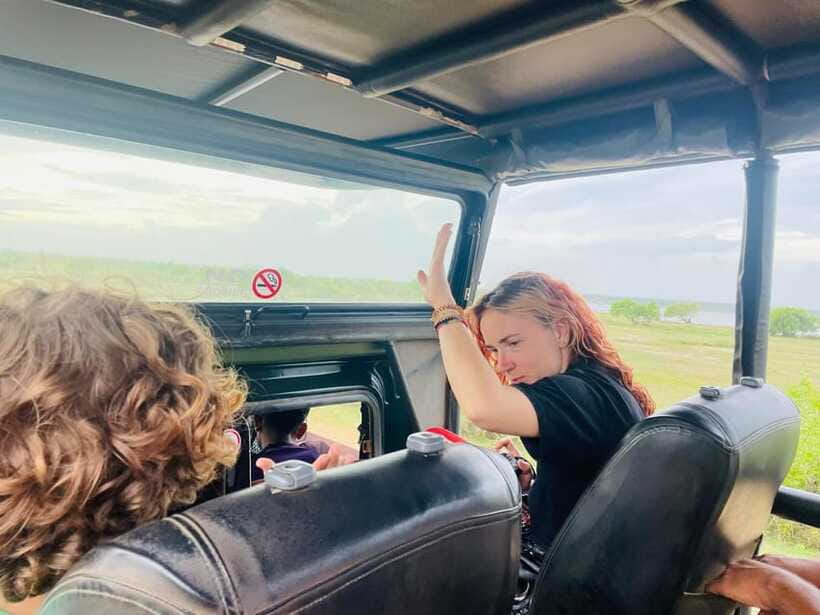
The safari gives you a chance to see some of Sri Lanka’s most exciting animals. Elephants, leopards, sloth bears, deer, wild boar, water buffalo, crocodiles, and monitor lizards are all listed as possible sightings.
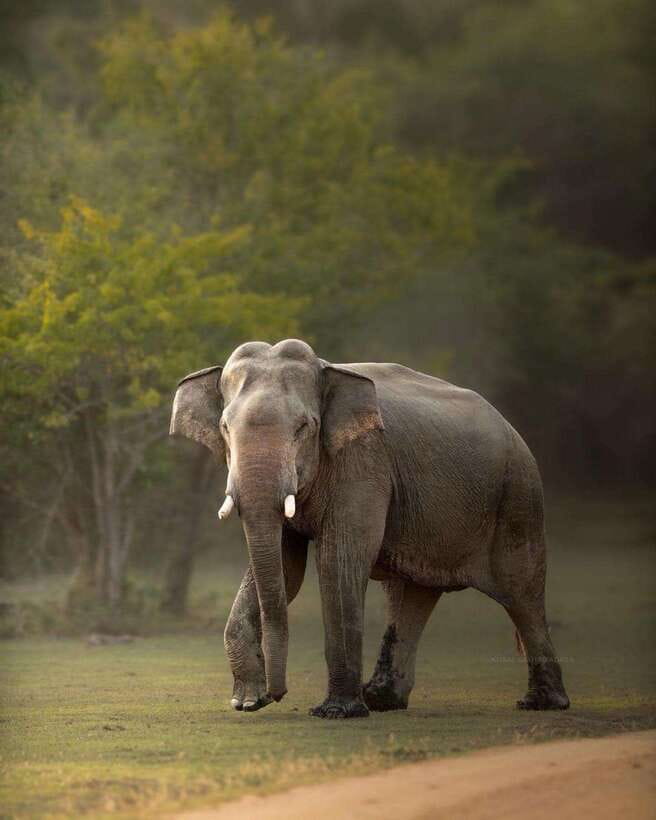
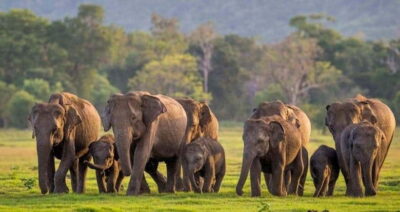
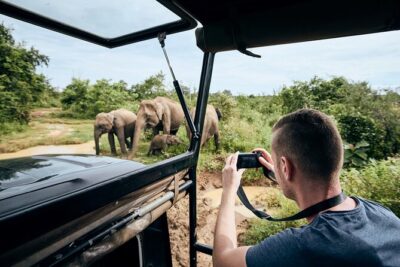
Elephants are often the animal people hope for most. A recent 6am outing included elephants, monkeys, pelicans, water buffalo, and other animals, so the early start can pay off. Still, that is one outing, not a guarantee. You should book this for the chance to see wildlife, not for a promised checklist.
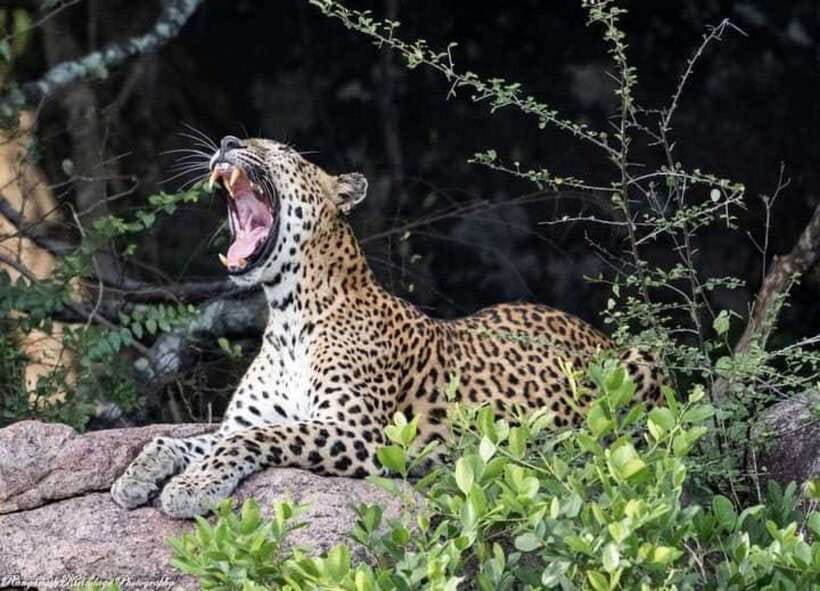
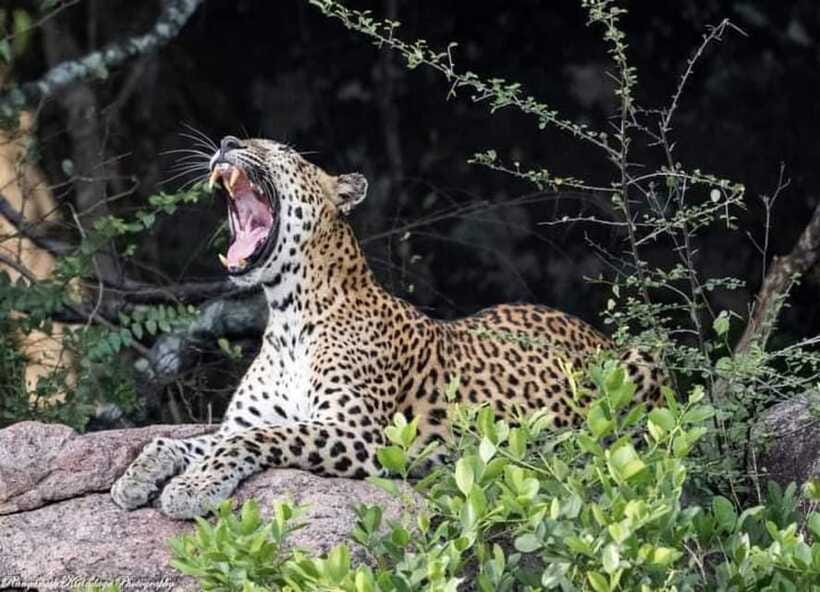
Leopards and sloth bears are much less predictable. They may remain hidden, appear briefly, or never show themselves during your six hours. A guide can search likely areas and use experience to read the park, but no guide can control where a wild animal goes.
Crocodiles and monitor lizards offer a different kind of sighting. They may be easier to spot near water than a leopard in thick cover, but they can still blend into their surroundings. Deer and water buffalo may be more familiar sights during a safari, yet seeing them in open country or beside a lagoon can still be memorable.
The best approach is to treat every sighting as its own event. A flock of pelicans, a monkey in the trees, or a crocodile barely visible at the water’s edge can make the day worthwhile even if the big cats remain absent.
Same parks, a different way to see them:
- Yala National Park: Half, 7-Hour, or Full-Day Safari & Meals
★ 4.8 · 489 reviews - From Sigiriya: Minneriya National Park Private Jeep Safari
★ 4.9 · 415 reviews - From Sigiriya: Minneriya National Park Elephant Safari
★ 4.8 · 365 reviews - Yala National Park Wildlife Safari/ Game Drive – by Ajith Safari
★ 4.5 · 351 reviews
The guide and jeep make a practical difference
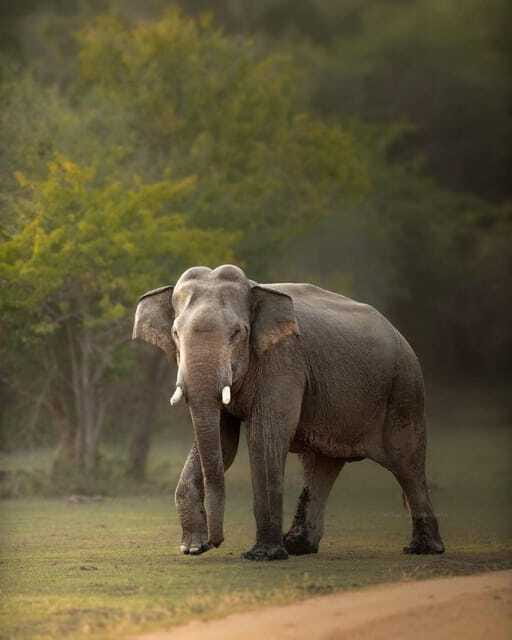
Your guide is not just there to drive. The guide leads you through the park, helps with wildlife spotting, explains what you are seeing, and keeps the group within park rules. The activity is offered in English, which is useful if you want to ask questions about birds, animals, or the areas you pass.
The guide team has also been described as friendly and persistent when looking for elephants in the wild. That persistence can add value, particularly if you have come with one or two specific animals in mind. At the same time, persistence should not mean chasing or crowding animals. The guide’s responsibility is to search while keeping a respectful distance and following park rules.
The jeep is another important part of the experience. A safari vehicle gives you a higher view than a regular car and makes it easier to look across reeds and open areas. A comfortable, well-maintained jeep matters during a six-hour ride, especially when the vehicle stops, starts, and moves over uneven ground.
A GPS tracker is included. That is a useful safety feature, but it does not turn the safari into a private rescue service or guarantee mobile coverage. You should still carry water, protect yourself from the sun, and listen to the guide’s instructions.
What to bring for comfort and better sightings
The park is an outdoor setting, so small packing choices can shape your day. Wear comfortable shoes and clothing suitable for sitting in a jeep and spending time outside.
Bring these essentials:
- Water for the full outing
- A sun hat and sunscreen
- Insect repellent
- A camera, ideally with useful zoom
- Binoculars for distant birds
- Comfortable shoes and light, practical clothing
Sun protection is especially important because parts of the route may be open. Insect repellent is sensible around wetlands and mangroves. The activity information specifically recommends both, so do not treat them as optional extras.
You should also keep your equipment easy to reach. A camera buried under other luggage will be frustrating when an elephant appears or a bird lifts off from the water. Keep your phone charged, but do not let photography replace watching the animals directly.
Do not bring the attitude that the park is a petting zoo. Feeding animals, touching plants, smoking, and littering are not allowed. These restrictions are simple, but following them is part of being a responsible visitor.
Is $51 a fair price?
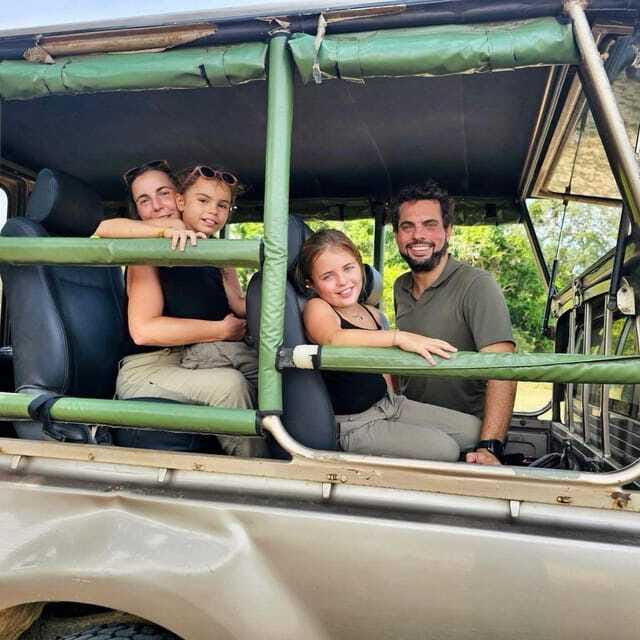
At $51 per person, this is a reasonable price if you value convenience. The cost includes the safari jeep, an English-speaking guide, safety instructions, GPS tracking, and pickup and drop-off from the Arugam Bay area.
The price does not include the park entry ticket, meals, drinks, or personal expenses. That makes the final cost higher than the headline figure. You should ask for the current entry fee and confirm how it will be handled before the day, since no amount is provided here.
The value is strongest for someone who would otherwise need to arrange transport, find a jeep, and organize a guide separately. Pickup saves time and removes some practical work. It also gives you a direct contact, Delon, at 0094774323187.
The value is less clear if you already have a private vehicle and a trusted park guide arranged. In that case, compare the full cost, including entry and transport, rather than looking only at the $51 rate.
I also like that the booking terms allow cancellation up to 24 hours ahead for a full refund and offer reserve now, pay later booking. Those options help if your Arugam Bay plans depend on weather or changing surf conditions.
Who should book this safari?
This outing suits birdwatchers, couples, solo visitors, and small groups who want a manageable wildlife day from Arugam Bay. It is also a good choice if you want a guide and vehicle arranged in advance rather than negotiating locally.
You will probably enjoy it most if you can stay patient. The park may offer several bird sightings and some mammals, but leopard sightings are never assured. Bring curiosity, not a rigid list of animals you expect to photograph.
The experience is not suitable for children under five, pregnant women, people with back problems, or wheelchair users. The six-hour vehicle ride and outdoor conditions are the key concerns. If you have any mobility or comfort issue, ask the provider for clarification before booking.
English is the listed tour language. If you need another language, do not assume it is available.
My verdict on the Kumana National Park safari
Book this safari if you want a straightforward wildlife outing from Arugam Bay, especially if birds, elephants, and wetland scenery appeal to you. The six-hour length, hotel pickup, comfortable jeep, and guide support make it easy to fit into a coastal itinerary.
I would be clear about the limits before paying. Park entry and refreshments cost extra, wildlife sightings cannot be promised, and the ride may be uncomfortable for some people. But if you accept those conditions, $51 buys a practical chance to see Kumana’s birds and animals without arranging every piece yourself.
The strongest reason to choose it is the mix of birdwatching and larger wildlife. You might spend one stop studying painted storks and pelicans, then find elephants or buffalo near the water. That variety gives the day a good balance, even when the park keeps its leopards out of sight.
FAQ
How long is the Kumana National Park safari?
The safari lasts 6 hours.
Where does pickup take place?
Pickup and drop-off are included from the Arugam Bay area.
Is the park entry ticket included?
No. The park entry ticket is not included in the price.
Are food and drinks included?
No. Meals and drinks are not included, so bring water and plan for your own refreshments.
What language does the guide speak?
The live tour guide speaks English.
What animals might I see?
Possible sightings include elephants, leopards, sloth bears, deer, wild boar, water buffalo, crocodiles, monitor lizards, and monkeys.
What birds might I see?
The park may offer painted storks, flamingos, herons, egrets, ibis, pelicans, and other species among more than 200 recorded bird types.
Can I cancel the booking?
Yes. You can cancel up to 24 hours in advance for a full refund. Reserve now and pay later booking is also available.
Just added for the parks around Sri Lanka
- Wasgamuwa: Wasgamuwa National Park Private 3-Hour Safari★ 4.9 · 10 reviews
- Sri Lanka: Yala National Park Private Safari★ 3.2 · 5 reviews
- Sigiriya Lion Rock Hike & Minneriya National Park Safari★ 4.8 · 55 reviews
- Sigiriya Rock Hike & Minneriya Elephant Safari – Day Tour★ 4.3 · 15 reviews
- Minneriya National Park: Halfday Jeep Safari with Wild Tours★ 5.0 · 2 reviews
- Minneriya National Park Safari★ 5.0 · 2 reviews
- Minneriya: Minneriya National Park Private Safari★ 4.8 · 95 reviews
- Minneriya National Park Wild Elephant Safari – Private★ 4.8 · 27 reviews
Sri Lanka National Park Tours, compared.
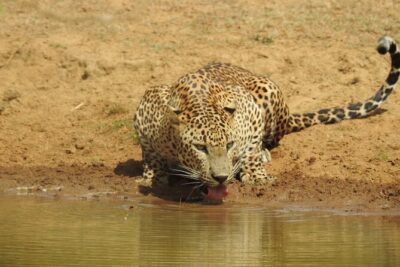
Yala National Park Safari Tours: Morning/Evening/Full Day
Read our review →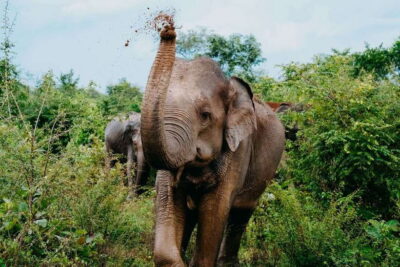
Udawalawe National Park: Elephant Safari with Expert Guide
Read our review →Full day Safari – Yala National Park – 04.30 am to 06.00 pm with – Janaka safari
Read our review →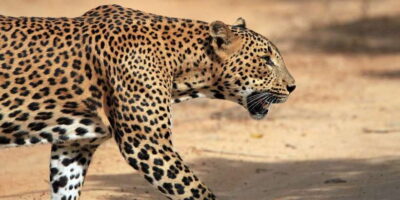
Yala National Park: Half, 7-Hour, or Full-Day Safari & Meals
Read our review →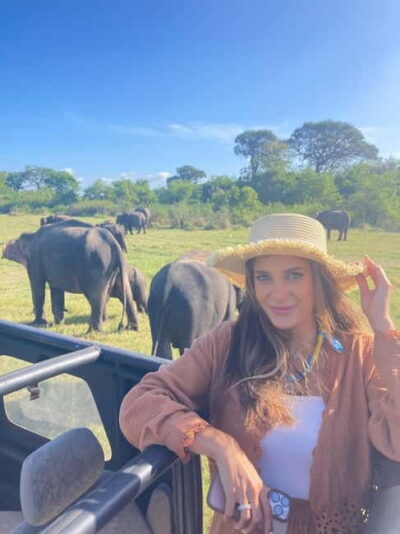
Yala National Park Wildlife Safari/ Game Drive – by Ajith Safari
Read our review →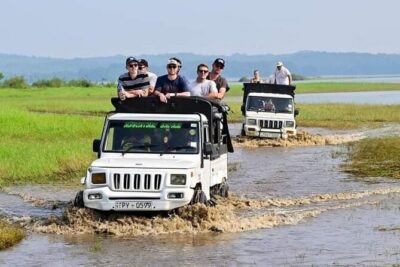
Browse the lists this tour appears in