
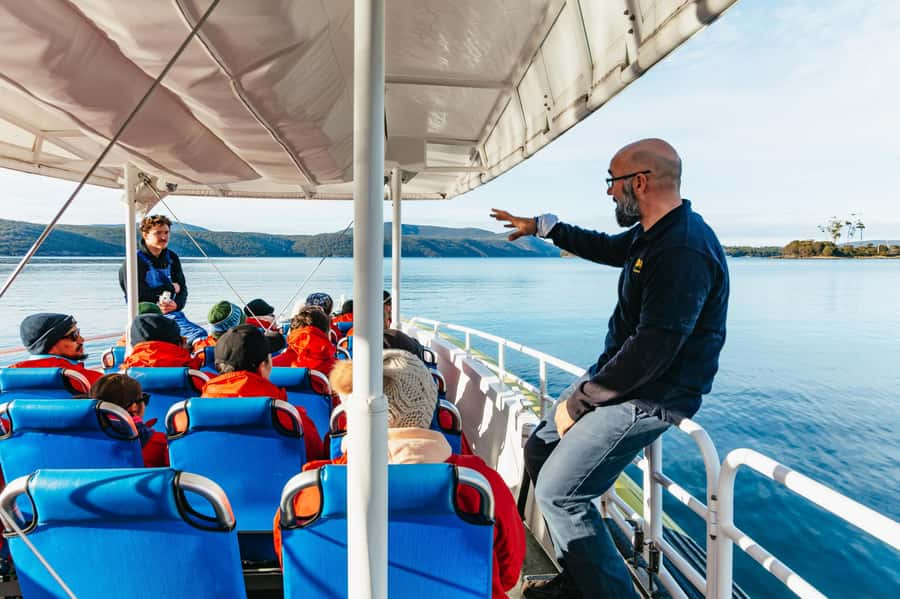
Review · AUSTRALIA
From Port Arthur: Tasman Island Wilderness Cruise
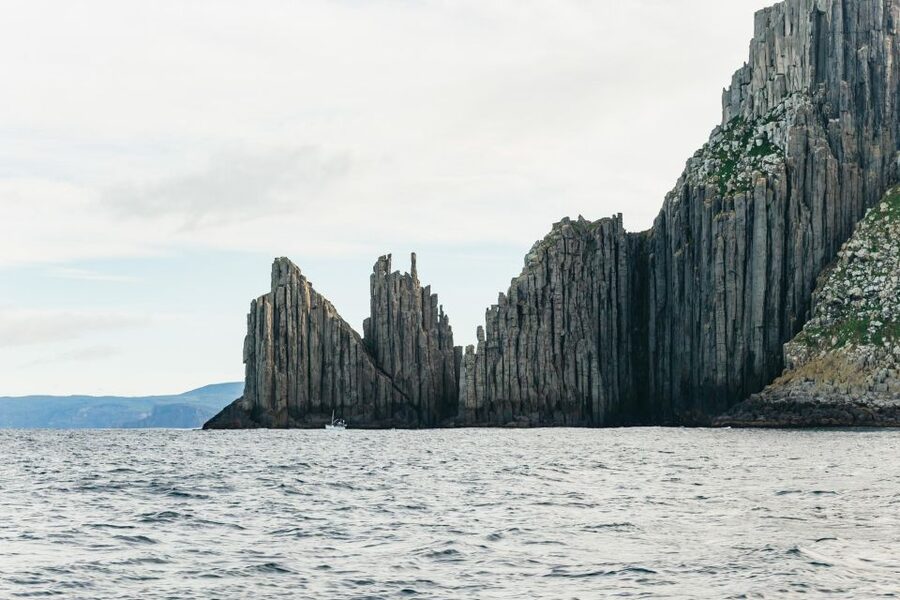
Cape Pillar rises above you in sheer walls as the boat runs along Tasmania’s wild southern coast. This is not a quiet harbour outing. It is a brisk, spray-in-your-face ride beneath some of the highest sea cliffs in the Southern Hemisphere, with caves, archways, waterfalls, and blowholes packed into three hours.
I like the close-to-the-water boat and the crew’s effort to find wildlife, from seals and albatross to dolphins and migrating whales. I also like that the cruise stays active: you move along the coast, thread between rock formations, and sometimes turn back so everyone gets a good view. The catch is simple: cold, wind, spray, and rough water are part of the deal.
Key points at a glance
- Cape Pillar cliffs: Cruise beneath immense vertical walls along the Tasman National Park coast.
- Caves and rock arches: The boat moves close to sea caves, waterfalls, blowholes, and narrow formations when conditions allow.
- Wildlife watching: Look for seals, dolphins, albatross, gannets, sea eagles, cormorants, falcons, and migrating whales.
- Fast, open-air seating: Covered tiered seats give you a broad view, but the ride can feel more like a jet boat than a gentle cruise.
- Weather matters: The route can change with wind and swell, and Tasmania’s water feels cold even in summer.
- Good value at $127: Three hours of scenery and wildlife costs more than a standard sightseeing boat, but the access and pace make it worthwhile for many visitors.
Why this Tasman Island cruise is different
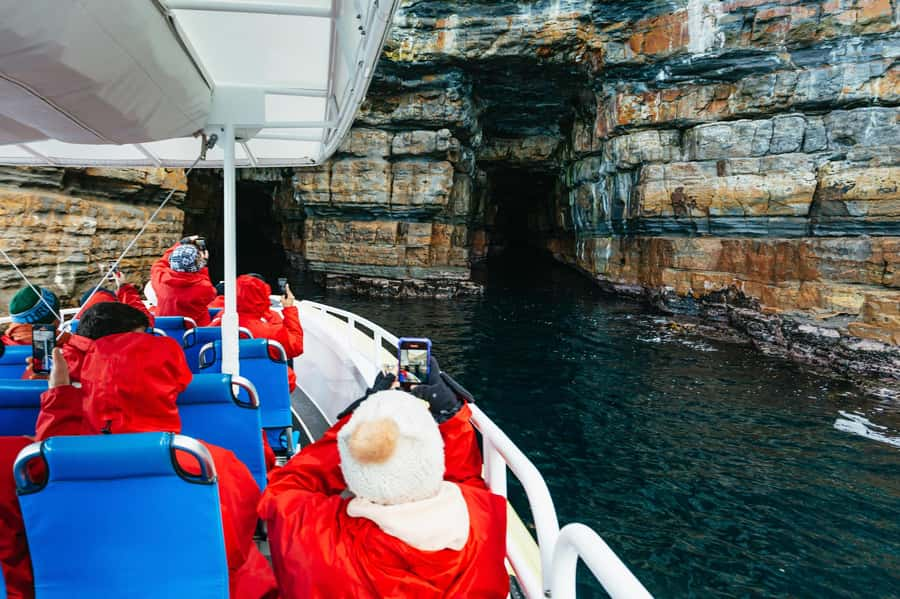
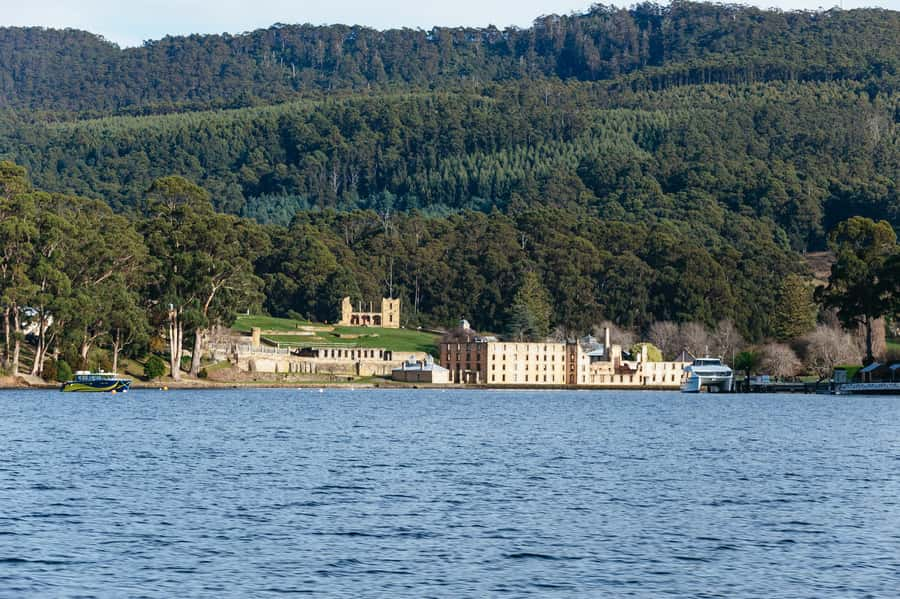
The Tasman Peninsula is best understood from the water. From land, you see parts of the cliffs and rock shelves. From the boat, you run directly beneath them, looking up at the broken layers of stone and the dark openings of sea caves.
The cruise travels between Port Arthur and Eaglehawk Neck, along a section of coast protected within Tasman National Park. The main visual prize is Cape Pillar, where the cliffs rise in long, severe faces above the sea. The scale is difficult to judge in a photograph. On the water, the boat gives you a moving reference point, and the cliffs feel much taller.
This is also a wildlife trip, but not one with a guaranteed animal checklist. You might see hundreds of seals resting on rocks, dolphins riding the bow wave, or albatross gliding close to the boat. Humpback whales have been seen during migration periods, while seabirds can appear at any time of year.
More national park tours around Australia:
- Litchfield National Park and Jumping Crocodile Cruise
★ 5.0 · 2,119 reviews - Grampians National Park Small-Group Eco Tour from Melbourne
★ 5.0 · 761 reviews - Sydney: Blue Mountains National Park Tour with River Cruise
★ 4.6 · 701 reviews
Check-in, transfer, and the boat
You meet at the Tasman Island Cruises office. Depending on the departure setup and sea conditions, a short bus transfer may take you from the office to the launch point. One visitor noted that this bus ride lasted about 20 minutes, so allow time for the transfer rather than assuming you walk straight from the desk to the boat.
The vessel has covered, tiered open-air seating. That arrangement matters because you are not confined to a single enclosed cabin. You get a clear view toward the cliffs, the water, and the sky above the seabird colonies. The seats also provide some cover, but they do not turn the trip into a warm indoor cruise.
Pennicott Wilderness Journeys supplies a full-body hooded raincoat. It helps with spray and wind, but it is not a substitute for warm clothes. Wear thermal layers, a fleece or warm jacket, long trousers, gloves, and a beanie. Comfortable shoes are a good idea, and keep bags small because storage space is limited.
The boat can move quickly across open water. Several people described the ride as exhilarating, while others found the swell uncomfortable. If you are prone to seasickness, take suitable medication before departure and choose a seat toward the rear, where the motion may feel less sharp. The crew has also been known to offer seasickness tablets before entering rougher water.
The first run along the Tasman coast
Once clear of the launch area, the boat settles into a faster pace. This first stretch gives you a taste of the cruise’s character: open sea, cold air, salt spray, and a rugged coast that looks far less tame from water level.
The captain usually provides running commentary on the headlands, rock formations, birds, and sea conditions. Guides including Andrew, Tim, Hamish, Kane, Damo, and others have been praised for combining clear information with humour. The style is lively rather than formal.
There is one practical limitation. On a fast boat, wind noise and engine sound can make commentary hard to hear, especially from the front or at the sides. A guide may need to raise their voice, and some of the narration can be lost. I would treat the commentary as a bonus rather than the only reason to book. The cliffs and wildlife remain the main event.
Cape Pillar and the highest sea cliffs
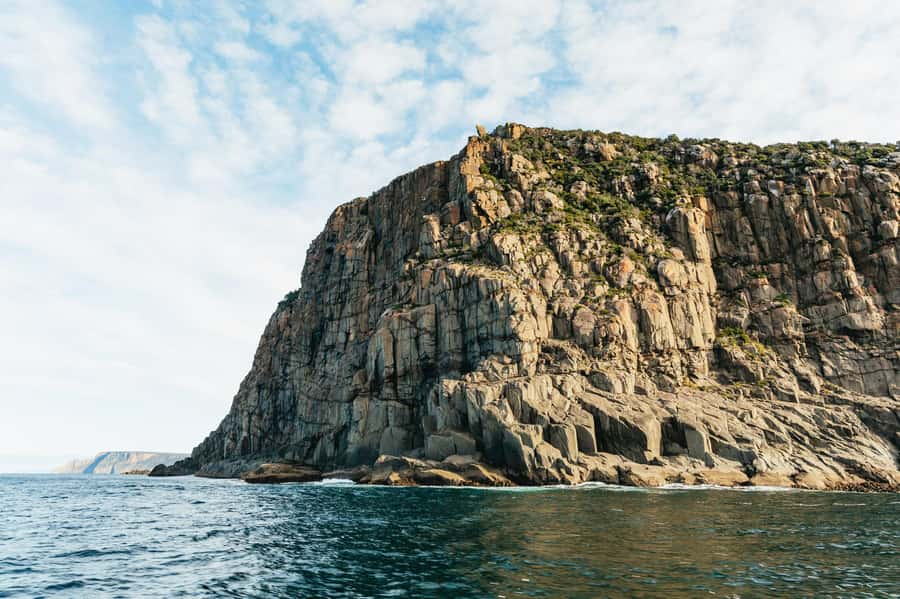
The boat’s most powerful moments come beneath Cape Pillar. The cliffs rise almost straight out of the water, with ledges, seams, and weathered faces showing how the sea has worked at the rock over time.
You do not simply stop at one lookout and take a photograph. The boat gives you changing angles as it travels along the cliff base. Looking forward, you see the coast narrowing toward a headland. Looking back, you see the cliffs recede in layers. This movement helps you understand the size of the coast far better than a single viewpoint.
Conditions control how close the boat can safely go. On calm days, the crew may take you close to cliff faces, rock pillars, and openings in the coastline. With more swell or wind, the route may be altered. That is worth remembering if you are picturing one exact itinerary. The coast is always impressive, but the order and distance can vary.
Same parks, a different way to see them:
- From Hobart/Adventure Bay: Bruny Island Wilderness Cruise
★ 4.8 · 601 reviews - Port Arthur Full-day Guided Tour with Harbour Cruise and Tasman National Park
★ 4.5 · 585 reviews - Grampians National Park Small-Group Eco Day Tour
★ 4.8 · 577 reviews - Hobart: Bruny Island Wilderness Coast Eco Cruise with Lunch
★ 4.8 · 498 reviews
Sea caves, archways, waterfalls, and blowholes
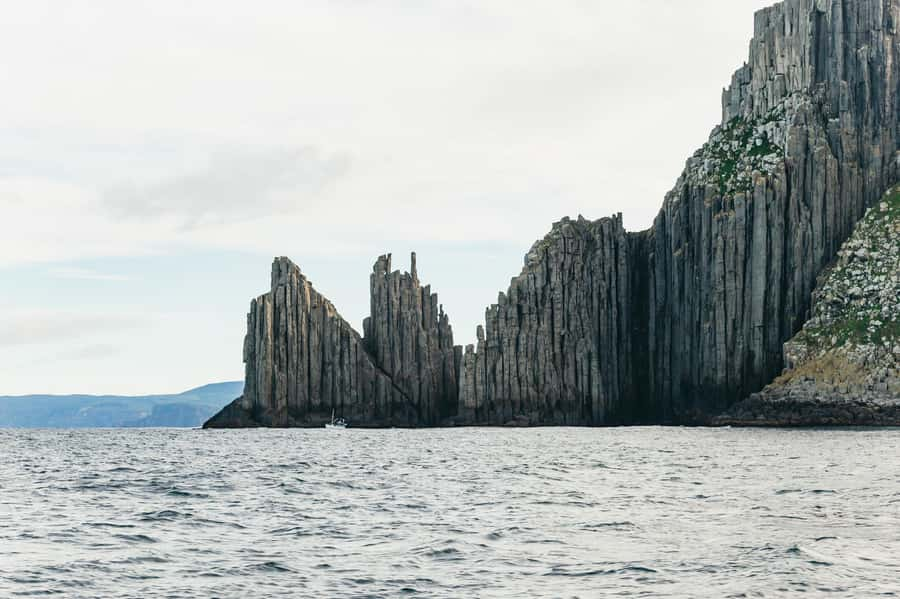
The boat then works its way along the cut-up coastline, where the sea has made caves and archways through the rock. You may enter the larger caves or approach their entrances, depending on swell and safety conditions.
This part rewards sitting alert and keeping your camera ready. The view changes quickly as a dark cave opening becomes a bright arch, then a narrow gap between rock towers. Waterfalls may spill down the cliff after rain, while blowholes send spray upward when the swell reaches the right angle.
The trade-off is that the boat’s speed and movement make photography difficult. You may get spray on your lens, and the best view can last only a few seconds. I would take a few photos, then put the camera away and watch. The coast is more enjoyable when you are not trying to frame every rock.
Seals, dolphins, and the busy bird colonies
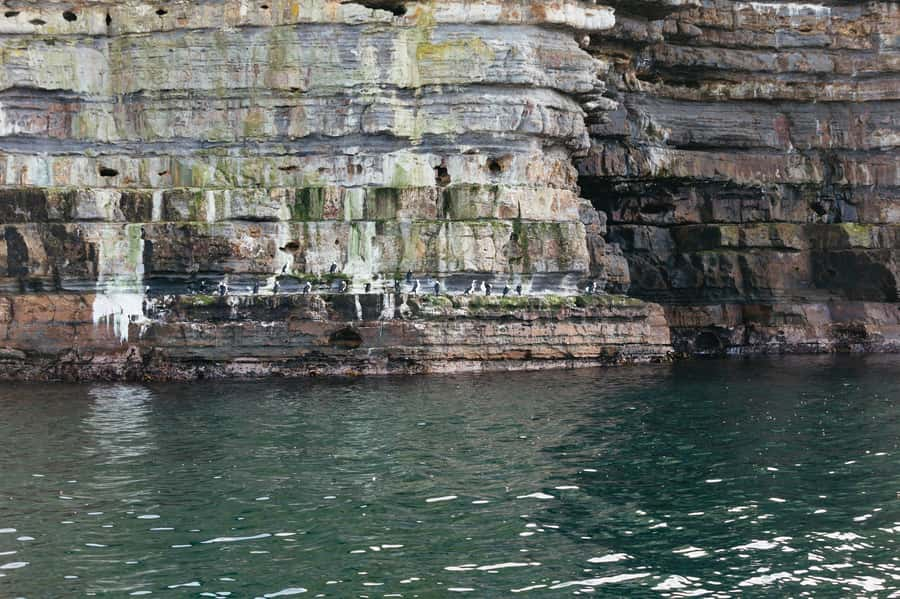
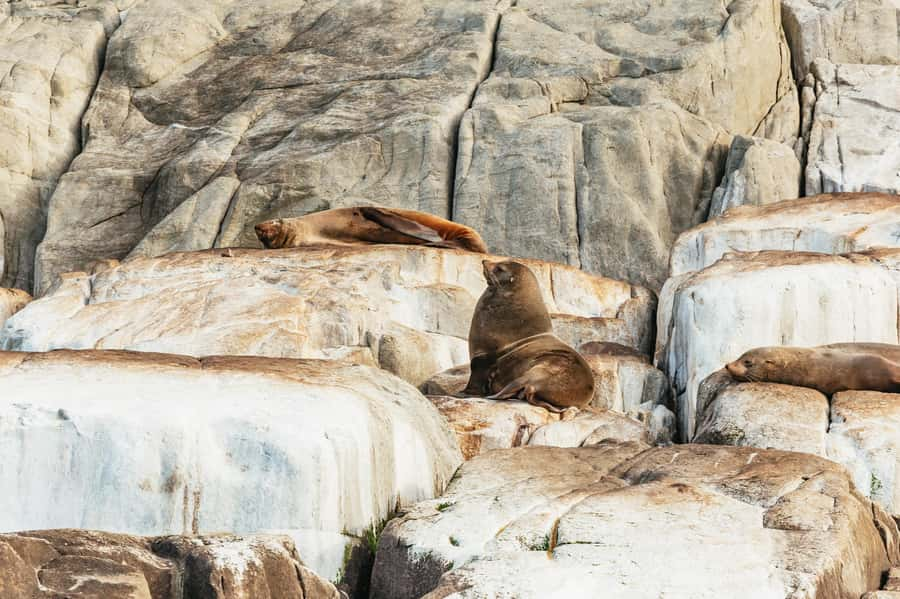
Wildlife is one of the strongest reasons to choose this trip over a simple scenic boat ride. Seals often rest on low rocks near the cliffs. You might see them stretched out in groups, slipping into the water, or watching the boat with the unbothered expression of animals that have seen plenty of tourists.
Dolphins can be a highlight. Pods have been seen near the boat, sometimes surfing the bow wave or feeding in groups. The crew watches carefully and may turn the boat so people on different sides get a view. That effort matters because wildlife rarely appears on cue, and a few minutes can make the difference between a distant glimpse and a close encounter.
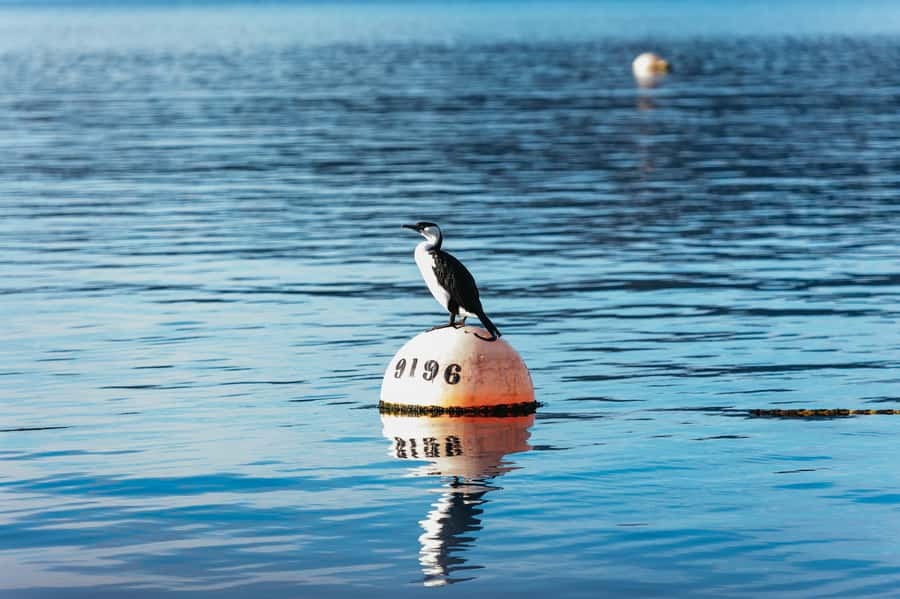
Birdlife is constant on the right day. Look for albatross gliding on the wind, gannets plunging after fish, white-breasted sea eagles, short-tailed shearwaters, cormorants, gulls, and sooty oystercatchers. Peregrine falcons may appear around the cliff faces.
You may also see jellyfish or penguins, though neither should be treated as a regular feature. Whales are seasonal and depend on timing, weather, and luck. The best attitude is to enjoy the coast first and see animals as an extra, not as a promised performance.
Tasman Island and changing routes
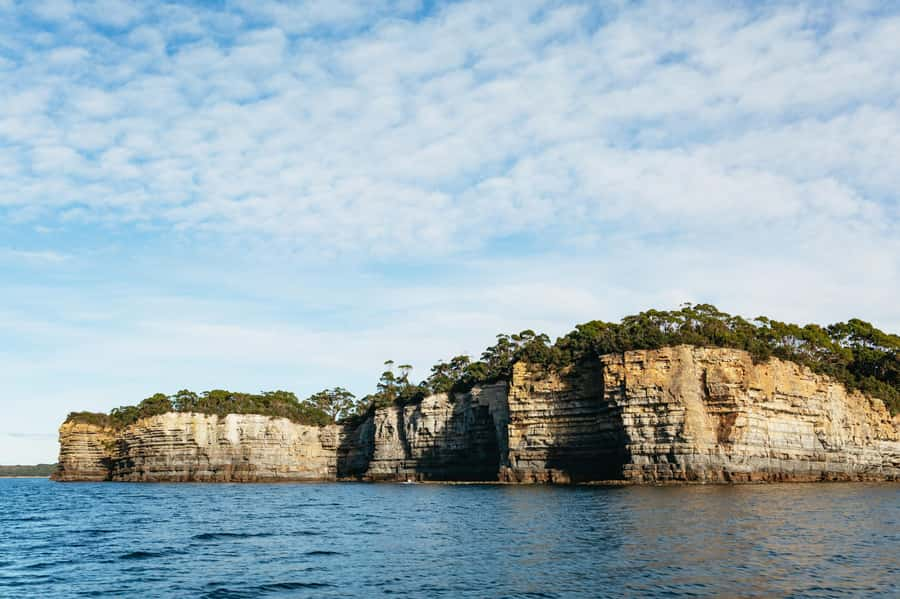
The name Tasman Island can be slightly misleading if you expect one fixed route around the island on every departure. The route changes with weather and ocean conditions. On some trips, the boat has gone around Tasman Island, while on others the crew has worked a more sheltered section of the coast.
This flexibility is sensible. The exposed coast can become rough, and the crew needs to balance the best possible sightseeing with a safe, comfortable operation. A wind shift may also mean launching from Pirates Bay rather than the Port Arthur side. One such change allowed the boat to cover more spectacular coastline while avoiding stronger westerly winds.
You should therefore book for the general experience, not a guaranteed sequence of landmarks. If you get a calm day, the boat may glide around more exposed formations. If conditions turn rough, a modified route can still deliver cliffs, caves, birds, and seals.
What the three hours feel like
Three hours is a useful length for this outing. It gives you enough time to reach the major cliff sections and search for wildlife, but it does not turn into an all-day commitment.
The pace varies. Some stretches are fast, with the boat skimming over swells and creating the feeling of a controlled amusement-park ride. Other sections slow down near caves, seals, cliffs, or birds. This change keeps the trip interesting, though anyone expecting a smooth sightseeing ferry should reconsider.
The final run back can feel particularly cold because the boat may travel at speed. Even on a sunny summer day, wind on open water cuts through light clothes. The supplied raincoat blocks some spray, but your hands, head, and legs still need proper protection.
Is $127 good value?
At $127 per person, this is not a cheap add-on. It is also not a basic harbour cruise. You are paying for three hours on an exposed stretch of coast that is difficult to experience from land, plus a purpose-built vessel, crew, transport arrangements, and wildlife searching.
I think the price is fair if you value dramatic scenery and active sightseeing. The cruise combines the cliffs, caves, archways, waterfalls, bird colonies, seals, and possible dolphins in one outing. A whale sighting can make the day exceptional, but the tour still has a clear purpose if no whales appear.
The value is weaker for anyone who dislikes cold, rough water, or fast boat travel. You may spend the whole trip bracing against the motion rather than enjoying the view. In that case, a land-based visit to the Tasman Peninsula may suit you better, though it cannot give you the same view from beneath the cliffs.
Who should book this cruise?
I would choose it if you have a limited time around Port Arthur and want one strong nature experience. It suits couples, families, solo visitors, photographers, birdwatchers, and anyone who enjoys a bit of speed with their scenery.
There is no minimum age stated for the cruise, so families can consider it, but the open-water conditions still matter. A child who dislikes wind, spray, or boat motion may not enjoy it, even if they are old enough to join.
It is also a good choice for repeat visitors. The route and animal sightings change with weather and season, so a second trip can feel different. One visitor had taken the cruise twice and found that each outing varied with the sea conditions.
Practical advice before you go
Wear more than you think you need. Thermal clothing, a warm outer layer, gloves, and a beanie are the safest plan. The supplied hooded raincoat protects against spray, but it does not create warmth by itself.
Keep luggage to a minimum. A small camera or phone is useful, but large bags have nowhere convenient to go. Use a waterproof cover for electronics if you care about keeping them dry.
Check the forecast, but do not assume a warm forecast means warm conditions on the boat. Several summer outings felt cold once the boat reached speed. Conversely, cloudy weather does not ruin the scenery. The cliffs remain striking in changing light, and overcast conditions can make the caves and rock faces look especially dramatic.
Allow flexibility in your wider Port Arthur schedule. The boat may use a different launch point or route because of wind and swell. Daily departures are offered, but the exact start time depends on availability.
Cancellation is flexible up to 24 hours before departure for a full refund, and you can reserve now and pay later. That is useful when Tasmanian weather is part of your planning puzzle.
Should you book the Tasman Island Wilderness Cruise?
Book it if you want to see the Tasman Peninsula from its most impressive angle, and if you can handle cold air, spray, and a lively ride. The cliffs alone justify the trip, while seals, dolphins, albatross, and possible whales add real excitement.
Skip it if you want a calm, enclosed boat with guaranteed animal sightings. This is a wilderness cruise in the plainest sense: conditions shape the route, the sea sets the mood, and the wildlife makes its own schedule.
For most active visitors staying around Port Arthur, I would make room for it. Bring warm layers, sit where you can see, take seasickness precautions if needed, and let the coast do the hard work.
FAQ
Where does the Tasman Island Wilderness Cruise depart from?
You meet at the Tasman Island Cruises office. A short bus transfer may take you from the office to the boat launch point.
How long is the cruise?
The cruise lasts three hours.
How much does the cruise cost?
The listed price is $127 per person.
Does the cruise run every day?
Yes. Cruises depart daily, subject to the operating conditions of the experience.
What wildlife can I see?
Possible sightings include seals, dolphins, migrating whales, albatross, gannets, sea eagles, cormorants, peregrine falcons, gulls, shearwaters, and sooty oystercatchers.
Are whales guaranteed?
No. Whales are migrating wildlife, so sightings depend on the season, location, and conditions on the day.
What should I wear?
Bring comfortable shoes, warm clothing, gloves, and thermal clothing. A beanie is also a sensible choice because the boat can feel very cold in the wind.
Is spray likely?
Yes. The boat travels close to the water and can move quickly. A full-body hooded raincoat is provided, but warm layers underneath are still needed.
Is there a minimum age?
No minimum age is stated for this tour.
What happens if the weather is rough?
The route and launch point can change with wind and swell. The crew may use a more sheltered route or adjust how closely the boat approaches exposed formations.
Can I cancel the booking?
You can cancel up to 24 hours in advance for a full refund. A reserve-now, pay-later option is also available.
Just added for the parks around Australia
- Spring Brook National Park Driving Tour with an APP★ 4.4 · 2 reviews
- Port Lincoln: Lincoln National Park Sunset Sand Dunes Tour★ 4.9 · 17 reviews
- Port Douglas: Daintree National Park Tour, Cruise, & Zipline★ 4.9 · 31 reviews
- Port Stephens: Worimi National Park Sandboarding Adventure★ 4.8 · 18 reviews
- Port Arthur: Cape Raoul Wilderness Cruise★ 4.8 · 80 reviews
- Noosa: Epic Ocean Kayak with Dolphins & 4WD Beach Adventure★ 4.6 · 247 reviews
- Noosa: National Park and Dolphin Watching Safari★ 5.0 · 5 reviews
- Melbourne: Wilsons Promontory Morning Wilderness Cruise★ 5.0 · 71 reviews
Australia National Park Tours, compared.
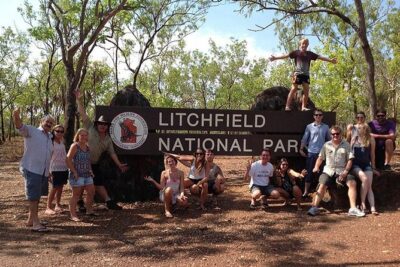
Litchfield National Park and Jumping Crocodile Cruise
Read our review →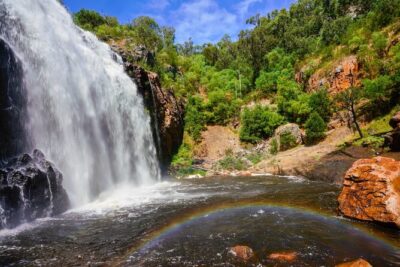
Grampians National Park Small-Group Eco Tour from Melbourne
Read our review →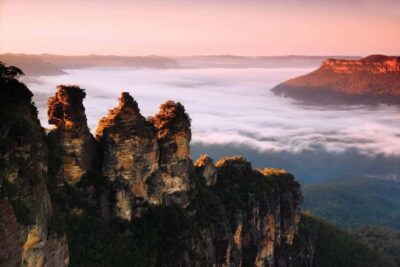
Blue Mountains National Park Tour with River Cruise
Read our review →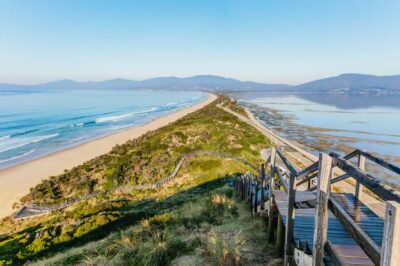
From Hobart/Adventure Bay: Bruny Island Wilderness Cruise
Read our review →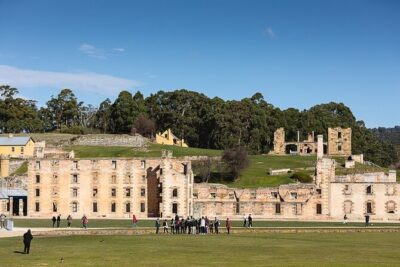
Port Arthur Full-day Guided Tour with Harbour Cruise and Tasman National Park
Read our review →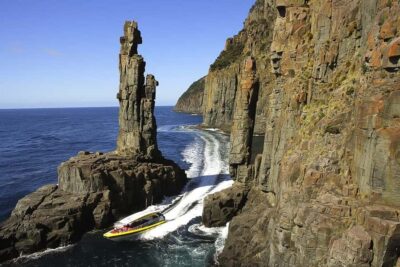
Bruny Island Wilderness Coast Eco Cruise with Lunch
Read our review →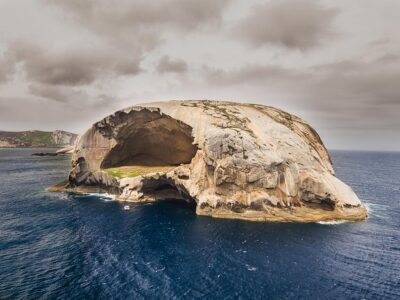
Wilsons Promontory Wilderness Cruise from Tidal River
Read our review →
Browse the lists this tour appears in