
Review · SPAIN
From Seville: Doñana National Park Day Trip
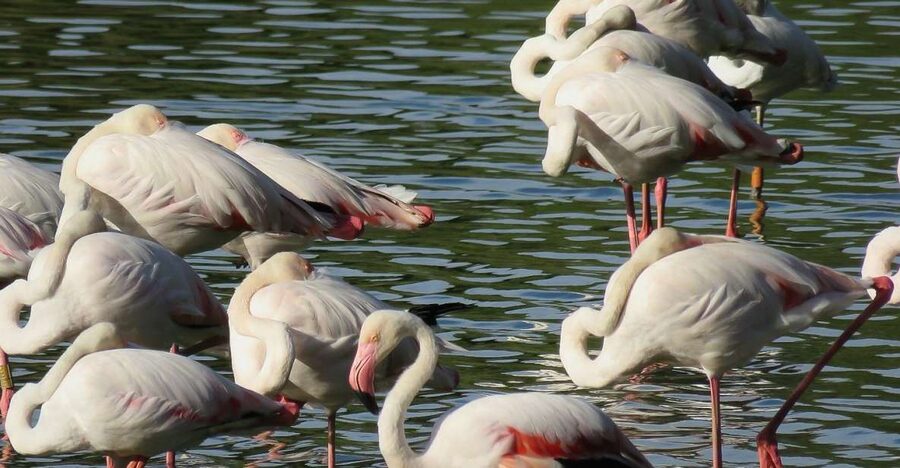
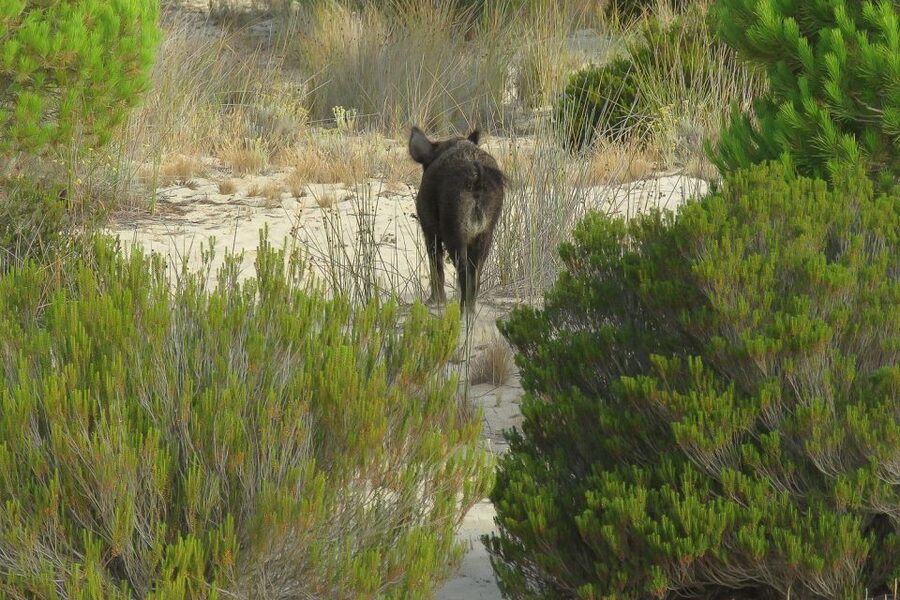
Doñana is not a quick photo stop. It is a huge sweep of marshes, pine woods, pasture, dunes, and beach, and this 10-hour trip gives you a useful taste of nearly all of it. The wildlife changes with the ground beneath you, from flamingos and storks near the wetlands to deer and wild boar among the trees.
I like the broad route and the guides’ sharp eyes. José, Sergio, Luismi, Patricia, Diego, and others have been praised for spotting birds, explaining the park, and making small detours when an animal appears. I also like the chance to visit El Rocío and the Atlantic beach in one day. The catch is simple: you spend plenty of time in the van, and some stops, especially the beach and El Rocío, may feel short.
Key points at a glance
- A full north-to-south crossing: See marshes, rice fields, pine forest, pasture, dunes, and Atlantic beach in one long day.
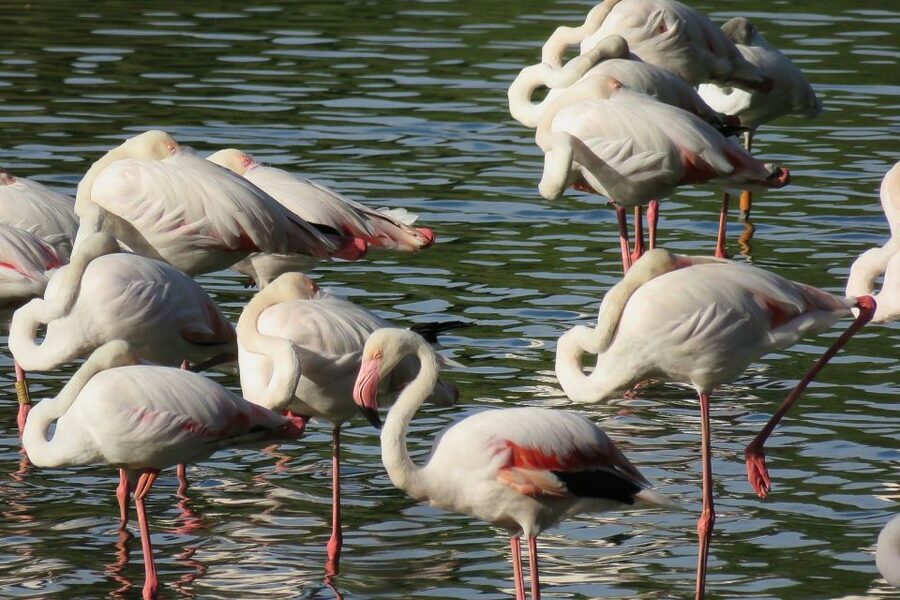
- Birdwatching is the main event: Flamingos, storks, egrets, herons, ibises, black kites, and many other species may appear.
- The guide matters: José, Sergio, Luismi, Patricia, and Diego have been praised for their wildlife knowledge and patient spotting.
- El Rocío adds local character: Visit the famous chapel, observatory, and sandy village before returning to the park.
- The Iberian lynx is a bonus, not a promise: You might see one, but tracks or distant signs are a more realistic hope.
- Bring your own binoculars if birds matter to you: Prismatics are supplied, but personal binoculars may give you a better view.
Why this is one of Seville’s best nature day trips
Seville is rich in grand buildings, tiled courtyards, and late dinners. Doñana gives you something completely different: open country, big skies, bird calls, and long stretches where nature sets the timetable.
The park is important because several habitats meet here. Wetlands attract birds. Pine woods shelter mammals. Pastures and marsh edges provide feeding grounds. Near Matalascañas, the scenery turns sandy and coastal. You are not visiting one tidy reserve with a single viewing platform. You are moving through a large and varied area.
That variety is the strongest reason to book this excursion. In one day, you can pass rice fields with large colonies of storks, pause at marshland, walk near La Rocina stream, explore the dunes, and reach a broad beach. It feels less like checking off one attraction and more like seeing how the park fits together.
The tour costs $105 per person. That is a fair price if you want hotel pickup, transport, a guide, supplied prismatics, and a full day outside Seville without arranging several vehicles yourself. Meals and drinks are extra, so include lunch and water in your budget.
The value depends on your expectations. If you want a relaxed beach day or several hours of walking, this is not the right outing. If you want a guided overview of Doñana and have a real interest in birds and animals, the long route makes the price easier to justify.
More National Park Day Trips in Spain
- Tenerife: Teide National Park Full-Day Tour with Pickup
★ 4.5 · 1,613 reviews - From Tenerife: Teide National Park Guided Day Trip by Bus
★ 4.2 · 88 reviews - From Madrid: Day Trip to Guadarrama National Park
★ 4.5 · 65 reviews
Leaving Seville through the Guadalquivir plain
Pickup is available from your hotel, and you should wait in the lobby about 10 minutes before the agreed time. The first drive takes roughly 50 minutes and passes through Coria del Río, a town on the Guadalquivir.
The journey is part of the geography lesson. The Guadalquivir connects Seville with the low wetlands and coast, and the fields around the river help explain why this area supports so many birds. Do not expect the wildlife action to begin the moment you leave town. The first stretch is mainly transport, but it gets you into the open country quickly.
The group may be private or small. Some departures use a comfortable modern van, while park sections can involve a smaller four-wheel-drive vehicle. If all seats are occupied, the back row may offer a less clear view and more road movement. Pick your seat early if you can, especially if birdwatching is your main goal.
Also expect some bumpy driving. Doñana is broad, and reaching its quieter areas means using rougher roads. If you are prone to motion sickness, bring whatever normally helps you. A light snack before departure may be wiser than relying on a large meal during the morning.
Dehesa de Abajo and the northern marshes
The first major stop is the visitor center at Dehesa de Abajo, in the northern part of Doñana’s marshes. Here, pine woods and pasture meet wet areas that can attract large numbers of birds.
This is where the supplied prismatics become useful. Flamingos are a major hope, but they are not guaranteed at every stop. A good guide will keep scanning and may change position or make a short detour if birds are feeding elsewhere. One guide even made sure the group reached a reserve area when flamingos had been hard to find earlier in the day.
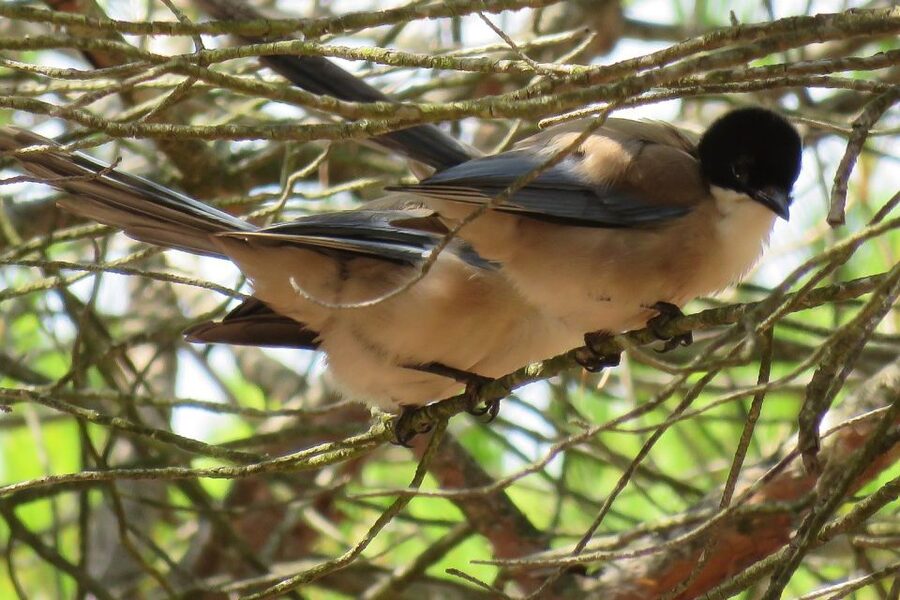
The park is home to about 300 bird species, according to the tour information. You might see flamingos, Spanish imperial eagles, glossy ibises, blue herons, little and great egrets, storks, black kites, purple swamphens, ospreys, and other birds. One keen birdwatcher recorded around 70 species on a particularly successful spring visit, including a barn owl, griffon vulture, great spotted cuckoo, and several larks.
That list should not become a checklist you feel you must complete. Bird sightings depend on season, weather, water levels, and luck. The useful part is having a guide who can identify what appears and explain why it is there.
Rice fields and the search for birds
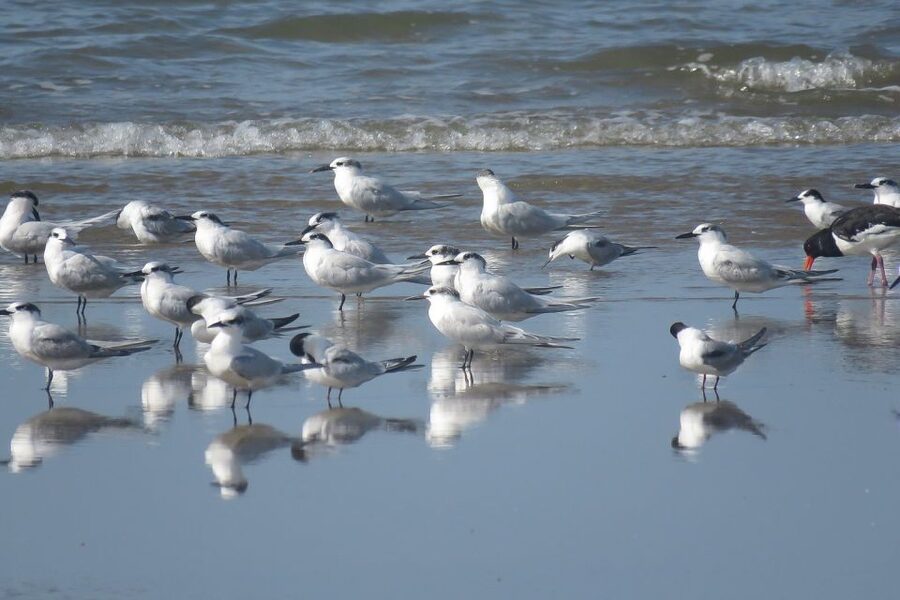
The route passes a rice-growing area known for Europe’s largest colony of storks. This is an unusual part of the day because it shows Doñana as a working region, not just untouched wilderness.
The rice fields attract birds because shallow water and muddy edges offer feeding grounds. Storks may be easier to spot than some of the smaller species, but a good guide may point out egrets, ibises, herons, or birds of prey nearby.
The strongest guides use the vehicle well. Several have been praised for driving slowly, reversing carefully, or repositioning the van so everyone gets a better view. That matters in a small group. You are not simply being driven past scenery. You may stop, watch, compare what you see through the prismatics, and move on when the birds disappear.
Still, keep your expectations sensible. This is not a private safari with guaranteed close encounters. You may spend time looking at distant birds, and your best sighting could last only a few seconds.
Same parks, a different way to see them:
- Tenerife: Teide National Park Sunset & Stargazing Tour
★ 4.2 · 3,812 reviews - Tenerife: Sunset and Stargazing at Teide National Park
★ 4.7 · 2,826 reviews - Teide National Park Sunset & Stargazing with Dinner (Star Safari)
★ 5.0 · 2,601 reviews - Teide National Park: Sunset & Stargazing Safari with Dinner
★ 4.6 · 2,115 reviews
El Rocío, chapel, and the La Rocina trails
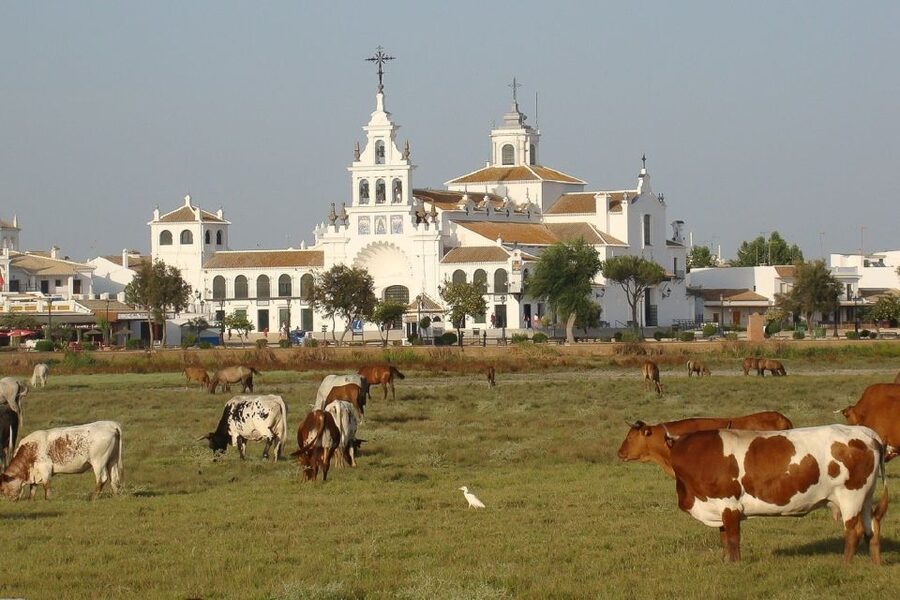
El Rocío is one of the day’s most distinctive stops. Its famous chapel and connection with local pilgrimage traditions give the excursion a human side after hours of marshes and forest.
You have about an hour here, including a guided visit and time to look around. That is enough for an introduction, but it may not satisfy you if you want to study the village’s history or spend a long time exploring on your own. Some visitors would happily trade part of the driving time for more time in El Rocío.
The village also has an observatory, adding another chance to look for birds. If you are mainly interested in wildlife, pay attention to the guide’s timing. El Rocío is not just a cultural stop. It sits close to habitats where birds may be visible, and the transition from village to nature is part of its appeal.
Afterward, the route continues toward the trails near La Rocina stream. This is one of the better opportunities to walk, though the day is still primarily a vehicle-based tour. A visitor expecting hours of hiking may be surprised. The tour offers short walks and photo stops rather than a long trek.
Wear sturdy, comfortable shoes. Sand, uneven ground, heat, and extended time outdoors make flimsy footwear a poor choice.
Matalascañas, dunes, and the Atlantic
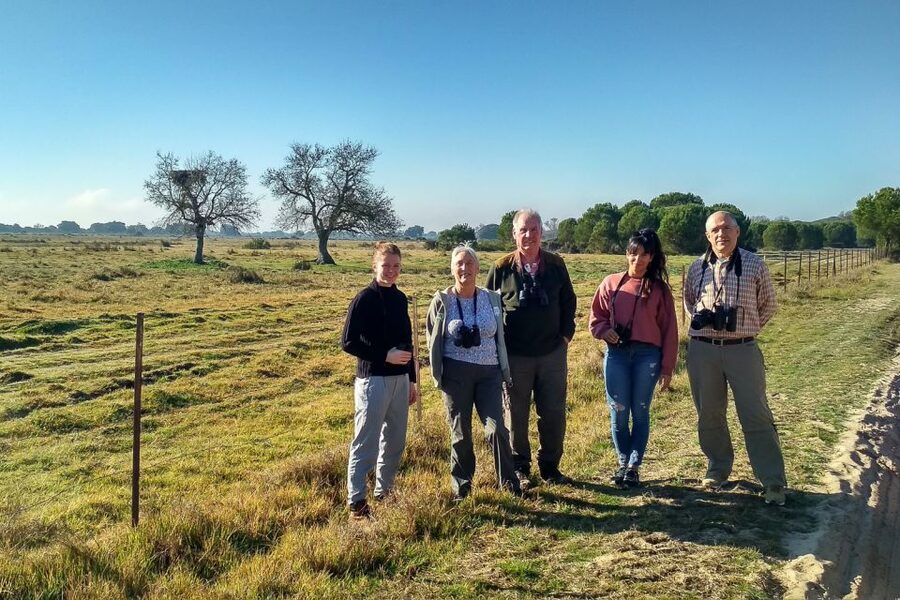
After El Rocío, the tour heads toward Matalascañas, with around two and a half hours devoted to the coastal part of the day. This section includes lunch time, a visit to the huge dune system, and the beach.
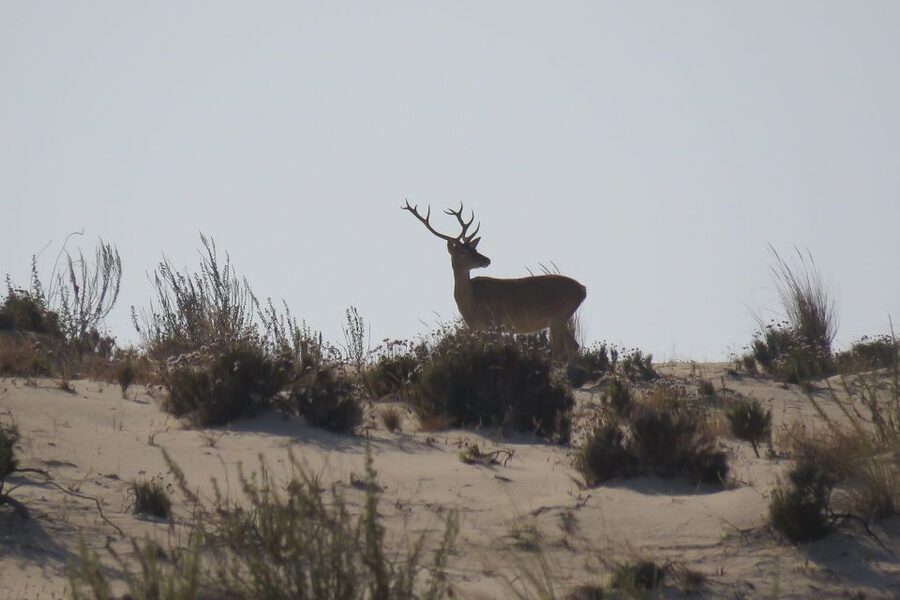
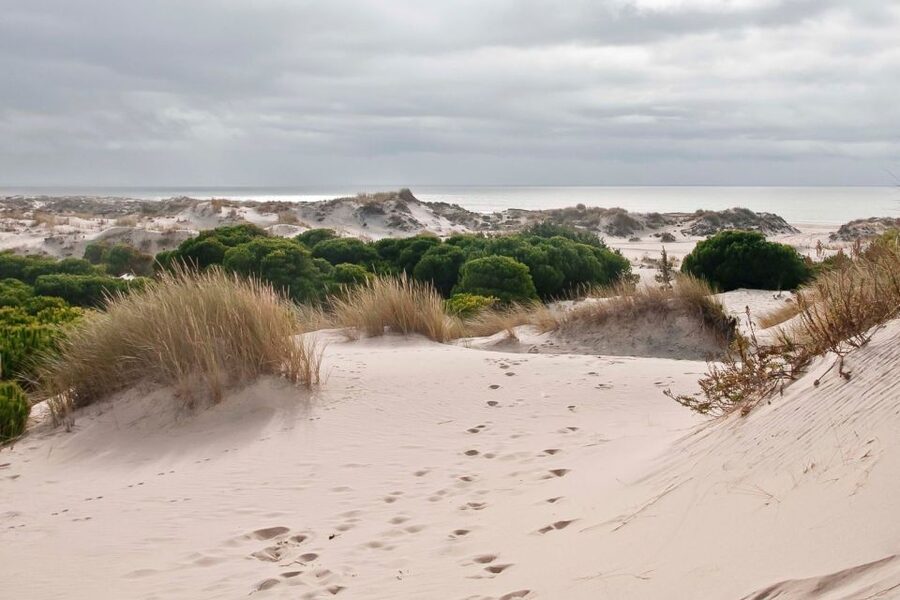
Doñana’s dunes give you a sharp change of scenery. The sandy ground, pine trees, and open Atlantic edge feel far removed from Seville’s city center. Spain’s largest dune system is the kind of place where a short walk can still leave a strong impression, especially if the light is good.
The beach is broad and pristine in character, and in summer you may take a swim. Bring swimwear if that appeals to you, along with a towel if you have room. Do not count on a long, unhurried beach afternoon. One itinerary leaves only a short period for the beach and dunes, so the coastal stop works best as part of a varied nature day, not as a replacement for a dedicated beach trip.
Lunch is not included. You can use the break to eat and rest, but confirm the day’s exact arrangement with your guide. A packed lunch or simple snacks may be useful, especially if you prefer to spend more time outdoors rather than search for food during a tight schedule.
Sun protection is essential. Bring sunglasses, a sun hat, and sunscreen. The combination of reflected light, sand, and open ground can feel intense even when the air is comfortable.
Forest roads and the chance of larger mammals
The return route passes through pine forest in the Asperillo area. If the timing is right, sunset adds warm light between the trees and makes the drive home feel less like a transfer.
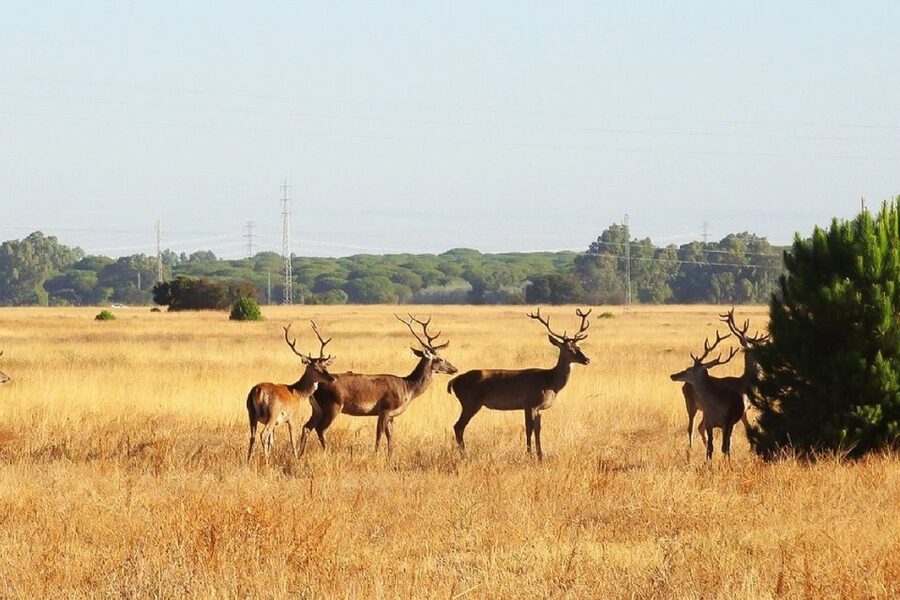
This is also when you may look for larger mammals. Deer and wild boar are possible, while the Iberian lynx is the famous prize. A guide may bring you close to signs or tracks, but seeing the animal itself is rare and never promised. One visitor came away with lynx pawprints rather than a sighting, which is a good picture of the experience.
Do not book this trip solely to see a lynx. Book it for the whole web of habitats, birds, plants, and open country. If a lynx appears, it will be an extraordinary bonus. If it does not, the day can still work well if you enjoy observation and do not need constant action.
The return drive takes about 75 minutes. After a long day, that final stretch can feel tiring, but it also gives you time to compare the morning marshes with the dunes and forest you saw later.
What the guides add to the day
The guide is the difference between a long drive through the countryside and a useful visit to a national park. The strongest guides named in the tour information include José, Sergio, Luismi, Patricia, Diego, Ramón, Javier, and Abraham.
The most important quality is not a rehearsed speech. It is the ability to notice movement, identify a bird quickly, explain the habitat, and give everyone a chance to see it. Several guides have been praised for patience, passion, safe driving, and a willingness to make small route changes for better views.
Language options include English, French, Italian, and Spanish. A specific language requires at least four people who speak it, and the operator may offer another language, date, or a full refund if that minimum is not met. Confirm your language before the day if it is important to you.
Group sizes can vary. A private outing gives you more control over interests and timing. A small shared group costs less and can be enjoyable, but you will need to accept the group’s pace and the available seats.
Best season and what to pack
Spring is a strong choice if you want fresh plant life and active birdwatching. Winter can also be excellent around the lakes, with large numbers of birds. Summer brings the best chance to enjoy a swim, but heat can make the sandy areas harder work.
Autumn offers a quieter feel in some places, while the scenery may be greener after seasonal changes. Doñana never operates like a museum exhibit, so no season guarantees a particular bird or mammal.
Bring:
- Comfortable shoes
- Sunglasses
- A sun hat
- Sunscreen
- Water and food money
- Personal binoculars if birdwatching matters to you
- Swimwear in summer if you want to enter the Atlantic
Prismatics are provided, but personal binoculars can be more comfortable and better suited to careful birdwatching. Pets are not allowed. Infant seats are available if requested ahead of time.
Is the $105 price good value?
For a 10-hour day with hotel pickup and drop-off, transportation, a live guide, and equipment, $105 is reasonable. You are paying for access to a large area that would be awkward to cover independently in one day, plus the guide’s ability to find and explain wildlife.
The cost feels less worthwhile if you want long walks, a guaranteed lynx sighting, or several hours at the beach. It feels stronger if you value transport, flexible wildlife spotting, and a broad introduction to Doñana.
Free cancellation up to 24 hours before departure and reserve-now, pay-later booking also make it easier to fit into a changing Seville schedule.
Should you book the Doñana day trip?
Book it if you want a full day in nature, enjoy birds, and like the idea of seeing marshes, forests, rice fields, dunes, a traditional village, and the Atlantic coast in one outing. It is especially good for visitors who do not have a car and want a guide to handle the long distances.
Think twice if your priority is independent hiking or a slow beach day. You will spend a meaningful part of the excursion in a van, and wildlife sightings depend on conditions.
My advice is to book in spring or winter for birdwatching, bring your own binoculars, and treat the lynx as a lucky extra. With that mindset, this is a rewarding change of pace from Seville, and one of the better ways to understand how much open country lies beyond the city.
FAQ
How long does the Doñana day trip from Seville last?
The activity lasts about 10 hours, including transport between Seville, Doñana National Park, El Rocío, Matalascañas, and Seville.
Is hotel pickup and drop-off included?
Yes. Hotel pickup and drop-off in Seville are included. You should wait in your hotel reception or lobby 10 minutes before the scheduled pickup time.
What languages are available?
The live guide may operate in English, French, Italian, or Spanish. A specific language requires at least four people who speak it.
Is lunch included?
No. Meals and drinks are not included, so you need to plan and pay for your own food and beverages.
Can I swim in the Atlantic?
You may take a swim during the summer coastal stop at Matalascañas. Bring suitable clothing and sun protection if you plan to do so.
Will I see an Iberian lynx?
A lynx sighting is possible but not guaranteed. You might instead see tracks or other larger mammals such as deer and wild boar.
Are binoculars provided?
Prismatics are included. If you have a strong interest in birds, bringing your own binoculars may give you a clearer and more comfortable view.
Is the tour private or shared?
You can choose between a private experience and a small-group option.
Can infants join the tour?
Infant seats are available if requested in advance. Pets are not allowed.
More Day Trips in Spain
- From Manapouri: Doubtful Sound Wilderness Day Trip
★ 4.8 · 1,621 reviews - Split: Krka National Park Day Trip with Boat Ride & Swimming
★ 4.6 · 1,321 reviews - From Dresden: Saxon Switzerland National Park Full-Day Trip
★ 4.7 · 931 reviews - Split/Trogir: Krka National Park Day Trip with Wine Tasting
★ 4.7 · 925 reviews
Just added for the parks around Spain
- South Tour: Timanfaya National Park★ 4.4 · 70 reviews
- Puerto de la Cruz: Quad Teide National Park★ 4.8 · 69 reviews
- Puerto de la Cruz: Teide National Park Buggy Tour★ 4.8 · 46 reviews
- Puerto de la Cruz Motorbike tour through Teide National Park★ 5.0 · 4 reviews
- Puerto de la Cruz: Buggy Teide Sunset National Park★ 4.9 · 15 reviews
- Private tour Tenerife: Teide National Park + Restaurant★ 5.0 · 23 reviews
- El Rocío: Doñana National Park 4×4 Guided Tour★ 3.5 · 31 reviews
- Tenerife: Teide National Park Sunset Picnic and Stargazing★ 4.6 · 117 reviews
Spain National Park Tours, compared.
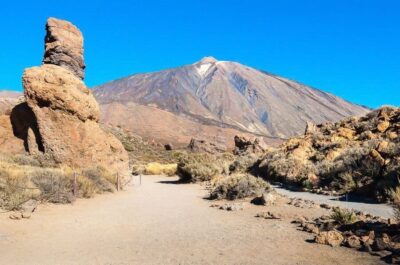
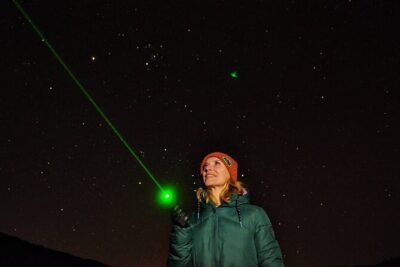
Teide National Park Sunset & Stargazing with Dinner (Star Safari)
Read our review →
Timanfaya National Park Volcanic Craters Tour
Read our review →Teide National Park Full-Day Tour with Pickup
Read our review →
Arrecife/Playa Blanca: Timanfaya National Park Area Day Tour
Read our review →
Browse the lists this tour appears in