
Review · NORWAY
Dovrefjell National Park: Hiking Tour and Musk Ox Safari
Dovrefjell’s musk ox are the main event, but this is not a quick wildlife stop. You set out on foot with a guide, scan broad mountain terrain, and learn how these ancient animals behave while keeping a proper distance. I especially like the use of a telescope, which makes distant sightings more rewarding, and the chance to hear how the park matters to local people. The main catch is simple: the animals roam freely, so the hike can stretch from 6 to 15 kilometers.
I also like the small-group feel reported on some outings, including one group of four that walked about 10 kilometers and saw several herds totaling roughly 30 animals. Guides Kim and Uwe receive particular praise for being kind, funny, and capable. Still, this is a real mountain hike in rain or shine, not a gentle wildlife ride, so you need solid fitness and warm, waterproof clothing.
Key points to know before booking
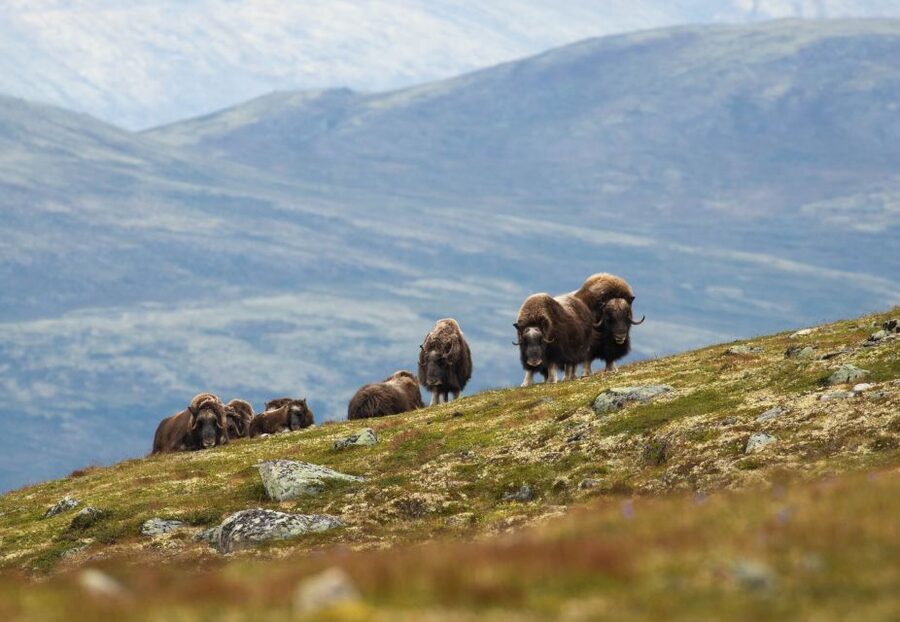
- Musk ox remain at least 200 meters away: You watch wild animals without crowding them.
- The route changes every day: Expect 6 to 15 kilometers, depending on where the herd is and how the group moves.
- A telescope is included: It helps you study animals that may look small at a safe distance.
- The outing lasts five to six hours: Bring your own lunch and drinks for the long morning and afternoon.
- Guides Kim and Uwe are praised by name: Both are described as capable, friendly, and entertaining.
- The meeting point is easy to confuse: Meet at the marked flag outside Frich’s Hjerkinn, not on the Snøheim shuttle bus.
Why the musk ox search is worth the walk
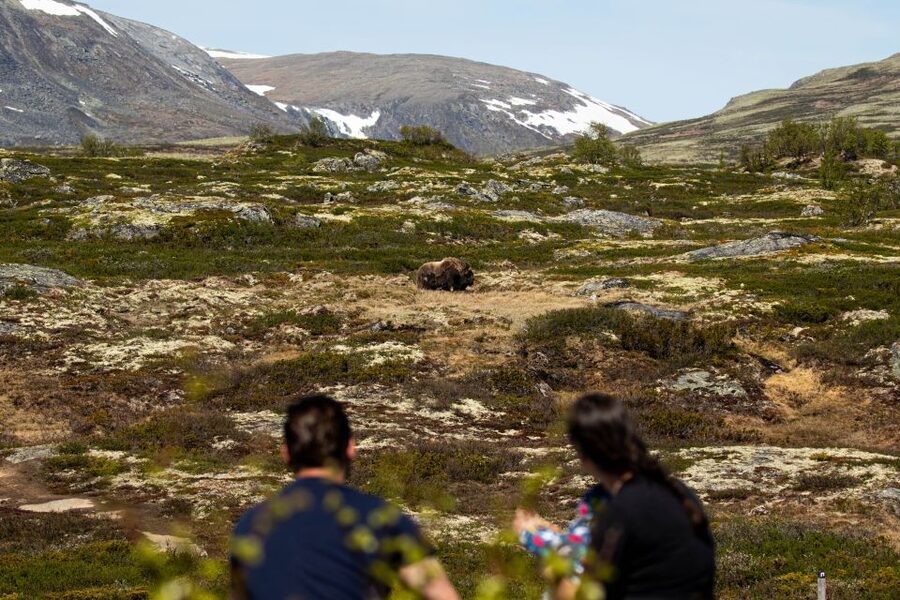
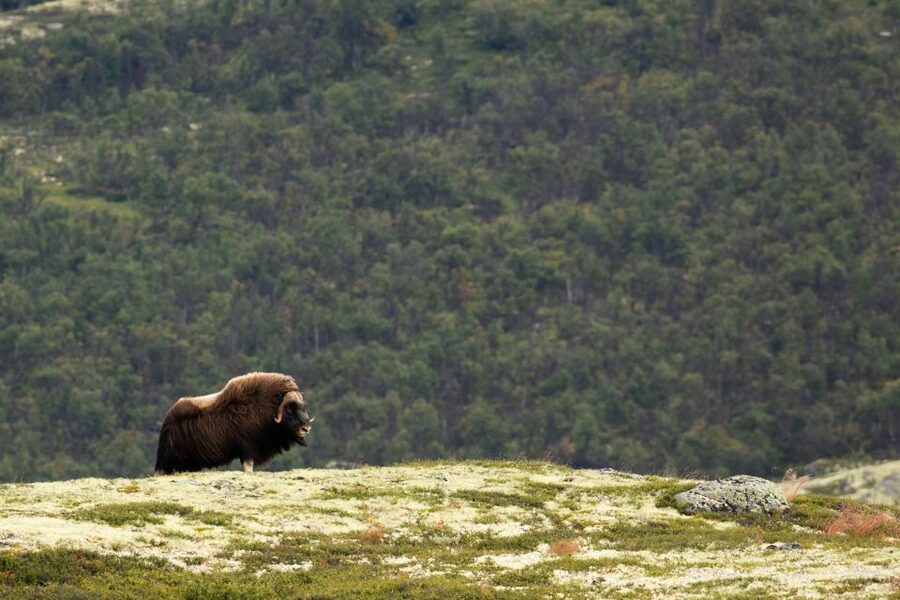
Musk ox are not animals you can schedule like a museum visit. They move through Dovrefjell on their own terms, and the guide has to search for them across open mountain terrain. That uncertainty is a central part of the outing. You may spend time scanning the slopes before the animals come into view, then find a herd spread out across the distance.
I like this approach because it treats the musk ox as wild animals, not a staged attraction. The 200-meter minimum distance protects both people and animals, while the included telescope gives you a better look without breaking that boundary. You may see the animals feeding, resting, or moving as a group, but their behavior is not controlled for your benefit.
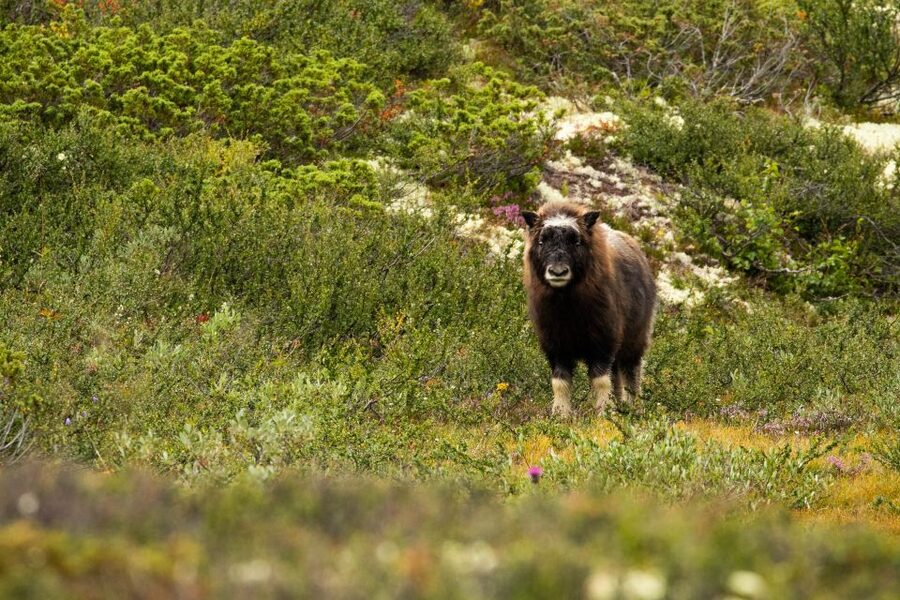
The experience also gives you more than a sighting. Your guide explains musk ox behavior and history, points out other wildlife such as reindeer, and discusses why Dovrefjell matters to local culture. That context helps turn a distant view into a better understanding of the place.
You should also set your expectations correctly. There is no guarantee of a particular number of animals, and the exact walking route changes from day to day. One outing recorded several herds and about 30 musk ox, while another day could require more searching for fewer sightings. If you need a guaranteed close encounter, this is the wrong format. If you value a respectful, wild setting, the uncertainty adds meaning.
More Park Hiking and Trekking Tours in the world:
- San Francisco: Yosemite National Park & Giant Sequoias Hike
★ 4.5 · 1,777 reviews - Skaftafell National Park: Falljokull Glacier Easy Hike
★ 4.7 · 1,370 reviews - Skaftafell National Park: Falljokull Glacier Advanced Hike
★ 4.8 · 1,083 reviews
Meeting at Hjerkinn before the 10 a.m. start
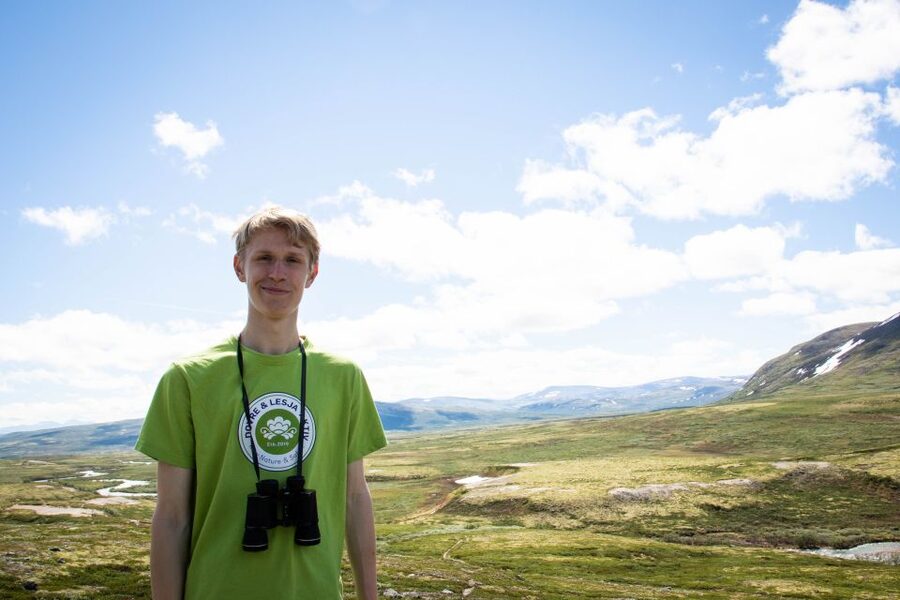
The morning begins at the Dovre & Lesja Aktiv office at Hjerkinnhusvegen 35, at Basecamp Frich’s Hjerkinn. You meet at the flag bearing the company logo and check in with the guide, who wears clothing with the same logo.
Plan to arrive for the 9:45 meeting time. The safari begins at 10:00, followed by a short five to ten-minute drive to the trailhead. The tour ends back at the original meeting point, which keeps the logistics straightforward if you arrived by car.
There is one important detail to watch. During summer, the Snøheim shuttle bus leaves from the same address at 9:45. It is not connected with this safari. You need to find the company’s flag and guide rather than boarding the bus. This is the sort of small detail that can ruin an otherwise well-planned morning, so check the meeting point before you arrive.
If you do not have your own vehicle, contact the operator ahead of time to arrange transport. That is worth doing before booking, since the activity includes a short transfer from the office to the walking start.
Five to six hours across changing mountain terrain
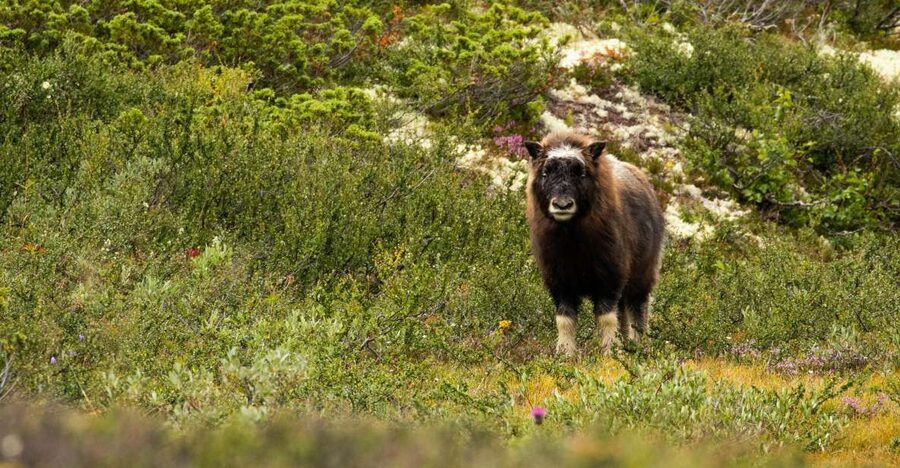
Once you leave the meeting point, the outing becomes a proper hike. The total distance can range from 6 to 15 kilometers, depending on where the musk ox are and how fit the group is. That is a wide range, and it matters when you decide if this fits your day.
A shorter route may suit you if the animals are found fairly close to the starting area. If the herd is farther away, the guide may need to lead the group on a longer search. The walk itself is part of the wildlife experience, but you should not book this expecting a fixed, easy path.
One recent outing covered about 10 kilometers. That gives you a useful idea of what a middle-of-the-range day can feel like, though it is not a promise for your group. You may also encounter other people using the popular route. The area is large, so you can still have a sense of open space, but complete solitude is not guaranteed.
The five to six-hour duration allows time for walking, stopping, scanning the terrain, and listening to the guide. It also means you should bring enough food and water rather than relying on a quick snack. There are no meals or drinks included.
What the guide adds to the wildlife encounter
A good guide makes a big difference on a search like this. Dovre & Lesja Aktiv uses Norwegian and English-speaking guides, and Kim and Uwe are two names associated with especially strong outings. Kim is described as kind and capable, while Uwe is praised for being both competent and funny.
Those qualities matter here because the guide has several jobs at once. You need help reading the terrain, locating animals, maintaining a safe distance, and keeping the group together over several hours. The guide also explains musk ox behavior, their place in Norwegian nature, and the role of Dovrefjell in local life.
I like that the education is tied to what you are seeing. Instead of getting a general talk disconnected from the walk, you can learn why the animals are being watched from far away, how their movements affect the route, and what else may appear in the park.
The guide also manages the pace according to group fitness. That does not turn the activity into an easy walk, but it can make a long day more manageable. A small group may feel more personal when the schedule allows stops for questions and careful viewing.
More National Park Safaris in the world:
- Teide National Park Sunset & Stargazing with Dinner (Star Safari)
★ 5.0 · 2,601 reviews - Teide National Park: Sunset & Stargazing Safari with Dinner
★ 4.6 · 2,115 reviews - From Johannesburg: Pilanesberg Nature Reserve Game Safari
★ 4.8 · 1,327 reviews - East Coast National Park: Half-Day Caves Jeep Safari
★ 4.6 · 1,090 reviews
The telescope and the 200-meter rule
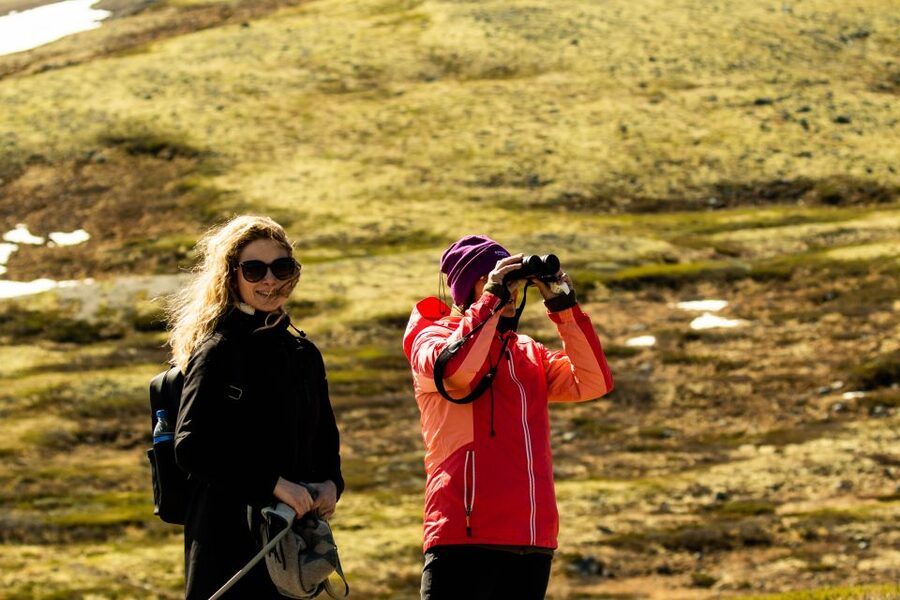
The included telescope is one of the most useful parts of the package. Musk ox may be far enough away that ordinary eyesight gives you only dark shapes against the terrain. The telescope helps you pick out body shape, horns, movement, and the spacing between animals.
Bring your own binoculars if you have them. They can help while you are walking or scanning before the guide sets up the telescope. You do not need to buy specialist equipment for the tour, but extra viewing tools can make a difference on a day when the herd stays distant.
The 200-meter rule is not a minor technical detail. Musk ox are powerful wild animals, and keeping distance is essential. You are not encouraged to walk closer for a better photograph. Instead, the guide uses safe viewing methods and explains the animals from a respectful position.
That makes the activity a good choice if you care about wildlife protection. It also means your photos may not show every detail. The experience is about seeing the animals in their own setting, not getting a close-up portrait.
Weather, clothing, and lunch
Dovrefjell weather can change quickly, so pack for conditions that may be colder, wetter, or windier than expected. The tour runs rain or shine. Extra warm layers and waterproof hiking shoes are not optional comforts here. They are the gear that can determine whether the final hours feel rewarding or miserable.
Bring:
- Warm extra clothing
- Waterproof hiking shoes or boots
- A packed lunch
- Drinks
- Binoculars, if you own them
The supplied information specifically recommends waterproof shoes, and that advice is easy to understand given the length and setting of the hike. Regular casual shoes are a poor choice for a 6 to 15-kilometer walk in unpredictable mountain weather.
Your lunch should be substantial enough for a half-day outdoors. Since food and drinks are not included, you need to organize them before meeting the guide. The schedule leaves plenty of time for a break, but the exact stop depends on the group and the search route.
Dogs are allowed to join. In some cases, however, the owner and dog must stay farther from the musk ox than the standard distance. If you plan to bring a dog, be ready for that extra separation and make sure the animal can handle a long mountain walk.
Who will enjoy this outing most
This safari suits you if you enjoy walking, wildlife, and open mountain scenery more than a tightly scripted tour. You should be comfortable spending five to six hours outdoors and walking up to 15 kilometers. A low fitness level or limited mobility makes this a poor match, and the activity is not suitable for children under six.
Families with older children should judge the distance carefully rather than focusing only on the wildlife appeal. The animals may be exciting, but the search can take patience and steady walking. The operator gives group fitness some consideration, yet the terrain and distance remain real demands.
The tour is also a good fit for visitors who want local interpretation. You learn about the musk ox, reindeer, Norwegian nature, and local connections to the national park in one outing. It offers more substance than simply driving past a viewpoint and hoping to spot wildlife.
If your priority is comfort, certainty, or a short route, choose something else. The animals are wild, the route is flexible, and the weather may be wet. If you see those factors as part of the adventure, the format makes sense.
Is $64 a fair price?
At $64 per person, the outing offers solid value if you want a guided musk ox search rather than an independent walk. The price covers the guide, the wildlife interpretation, the short transfer to the trailhead, and use of a telescope. It does not include food or drinks, so budget for your packed lunch and water separately.
The value depends on what you need from the day. If you already know the park well, can identify safe viewing distances, and have your own wildlife optics, you may prefer to walk independently. But a guide saves you from guessing where to search and gives you context about what you are seeing.
The flexible route is also part of the value, though it can feel like a drawback if you prefer a fixed itinerary. You are paying for an informed search through the park, not a guaranteed viewing platform. A strong outing may include several herds, while another may involve more time looking.
The high 4.8 rating from 88 reviews fits the strongest features of the activity: capable guides, small groups on some departures, and successful musk ox sightings. I would still judge the price against your fitness and weather tolerance. A low-cost tour is not good value if you are not prepared for a long, wet hike.
Booking details that affect your decision
The tour lasts about six hours, with starting times shown during booking. The stated departure includes a 9:45 meeting and a 10:00 start. It is led in Norwegian and English.
You can cancel up to 24 hours in advance for a full refund, and you can reserve now and pay later. Those terms help if your wider Norway plans are still shifting, though they do not remove the need to check transport and clothing before the day.
The safari takes place in all weather. That policy is important in Dovrefjell, where conditions can change and the animals do not follow a convenient schedule. If you are choosing between several days, select the one with the most promising forecast, but still pack for rain and cold.
The activity finishes where it starts, at the Hjerkinn meeting point. That makes it easier to connect with your onward plans, provided you have allowed enough time after the stated five to six-hour duration.
Should you book the Dovrefjell musk ox safari?
Book it if you want a respectful wildlife outing with a real hike, a local guide, and a chance to see musk ox in the wild. The telescope, the 200-meter rule, and the explanations about local culture give the experience more purpose than a simple animal-spotting trip.
I would especially recommend it to hikers who can manage around 10 kilometers without trouble and who are happy to bring their own lunch and dress for rough weather. The positive experiences with guides Kim and Uwe add confidence, although your guide and sightings may differ.
Skip it if you need a guaranteed herd, a short walk, indoor comfort, or a close animal encounter. Dovrefjell rewards patience and preparation. For the right person, that is exactly why this six-hour search can become one of the more memorable nature outings in the region.
FAQ
Where does the musk ox safari start?
It starts at the Dovre & Lesja Aktiv office at Hjerkinnhusvegen 35, at Basecamp Frich’s Hjerkinn. Meet at the flag with the company logo and check in with the guide.
What time should I arrive?
The meeting time is 9:45, and the safari starts at 10:00.
How long does the activity last?
The safari usually takes five to six hours. The duration depends partly on the group’s fitness and the search for the musk ox.
How far will I walk?
The hike can be between 6 and 15 kilometers in total. The route changes because the musk ox move freely through the national park.
How close will I get to the musk ox?
For safety, the group does not approach closer than 200 meters to the animals.
Is a telescope provided?
Yes. A telescope for spotting the musk ox is included. You can also bring your own binoculars.
What should I bring?
Bring drinks, a packed lunch, hiking shoes, waterproof shoes, and extra warm clothing. Binoculars are also useful if you have them.
Is the tour suitable for children or people with limited mobility?
The activity is not suitable for children under six, people with mobility impairments, or people with a low level of fitness.
Can I bring my dog?
Dogs are allowed, but in some cases the owner and dog must keep a longer distance from the musk ox.
Just added for the parks around the world
- Stone Town: Jozani Chwaka Bay National Park Half-Day Tour★ 4.7 · 5 reviews
- Stockholm: Sunset Hike in Tyresta National Park with Meal★ 4.8 · 126 reviews
- Stockholm: Self Guided Kayak Adventure in Nature Reserve★ 5.0 · 69 reviews
- Stockholm: Dog Walk in Nature Reserve with Swedish Fika★ 5.0 · 3 reviews
- Stewart Island: Guided Wilderness Walk★ 5.0 · 10 reviews
- Stewart Island: Ulva Island Guided Wilderness Walk & Cruise★ 4.5 · 165 reviews
- Wasgamuwa: Wasgamuwa National Park Private 3-Hour Safari★ 4.9 · 10 reviews
- Sri Lanka: Yala National Park Private Safari★ 3.2 · 5 reviews
Norway National Park Tours, compared.
From Tromsø: Ice Domes Snow Park and Wilderness Experience
Read our review →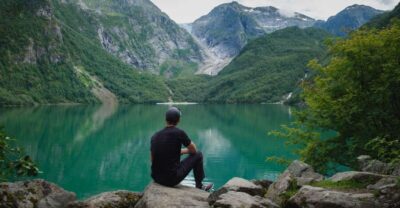
From Bergen: Folgefonna National Park & Glacier Lake Tour
Read our review →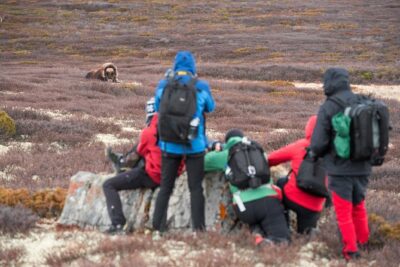
Musk ox Safari in Dovrefjell National Park, Oppdal Safari
Read our review →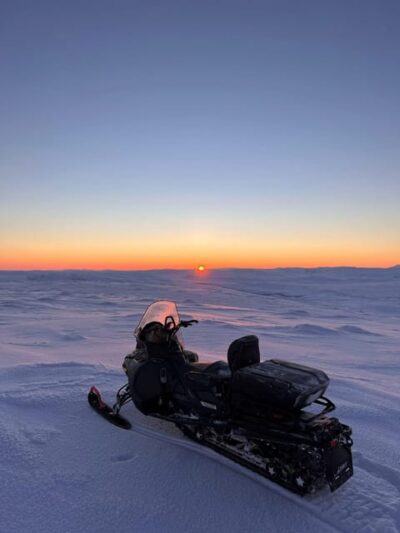
From Tromso: Arctic Wilderness Snowmobile Daytime Tour
Read our review →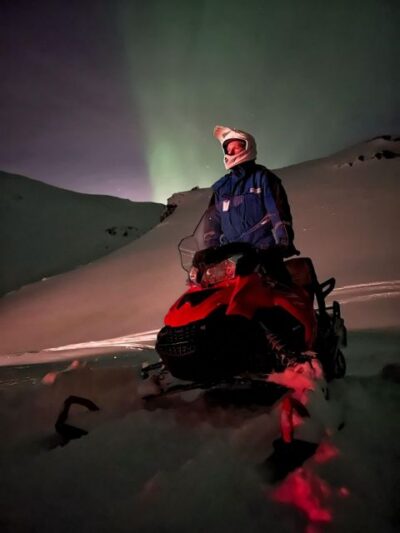
From Tromso: Arctic Wilderness Snowmobile Evening Tour
Read our review →
Oslo: Wilderness Skiing Tour with Lunch by the Fire
Read our review →
Browse the lists this tour appears in