Review · NATIONAL PARK
Etosha National Park: Full or Half-Day Game Drive
Etosha rewards patience, sharp eyes, and a good guide. This open 4×4 safari starts at park opening, when the air is cold and animals are often active. Guides such as Ben, Amone, and Matias use local experience and radio contact with other guides to adjust the route as sightings change. That gives you a better chance of finding lions, elephants, cheetahs, and other wildlife than a fixed drive would.
I like the early start and the flexible route. I also like the personal touch of a guide raised near Etosha, with time to explain animal behavior, local ecology, and Namibia’s past. Guides are praised for safe driving, good animal spotting, and stopping long enough for photos rather than rushing from one sighting to the next.
The main consideration is the cold. An open vehicle can feel very chilly at dawn, especially from May through August, and lunch, water, and the park entrance fee cost extra. You also need to reach Anderson Gate yourself for a half-day tour, so this is not a door-to-door outing in every case.
Key points to know before booking
- Park-opening departure: Meet at Anderson Gate early to enter before the crowds and make the most of the cooler morning hours.
- A route that changes daily: Your guide follows recent animal sightings, weather, and conditions rather than sticking to a rigid itinerary.
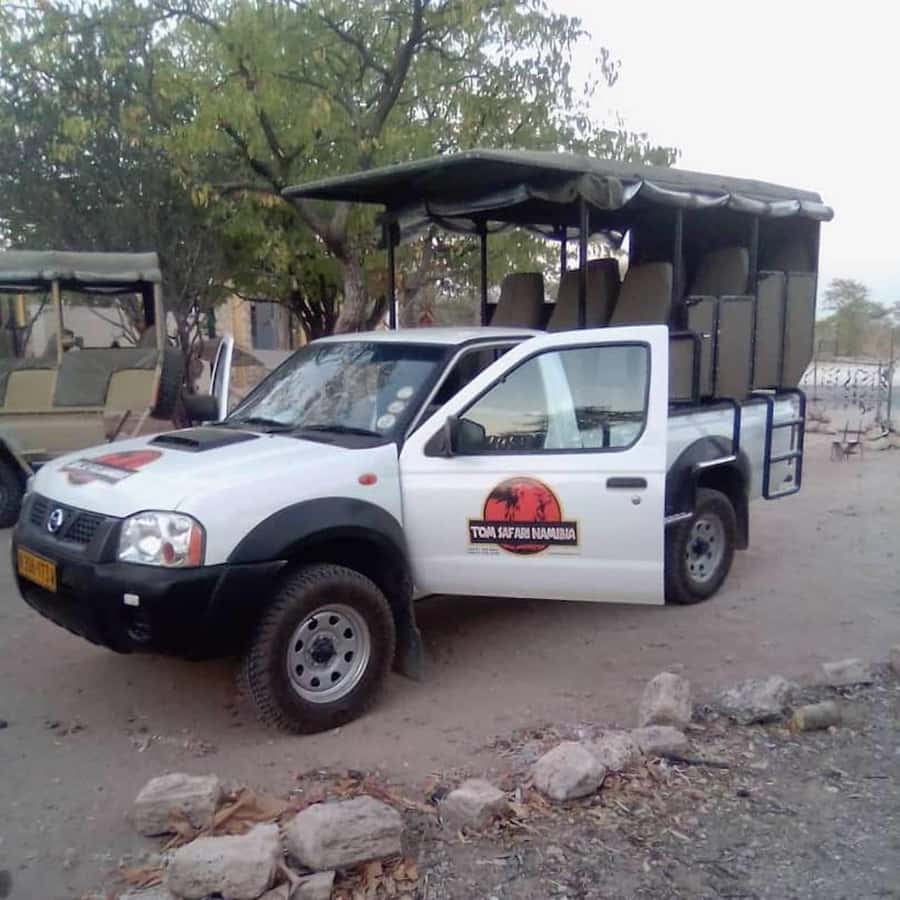
- Open 4×4 viewing: The high-sided safari vehicle gives you a clear view for photography and wildlife watching.
- Local guiding: Guides including Ben, Amone, and Matias are praised for spotting animals, sharing park knowledge, and working with other drivers.
- Full-day flexibility: The five to ten-hour option includes a one-hour midday break at a restaurant inside Etosha.
- Prepare for cold and extra costs: Bring warm layers, water, and cash for the NAD 150 park entrance fee, lunch, and drinks.
Starting at Anderson Gate before the crowds
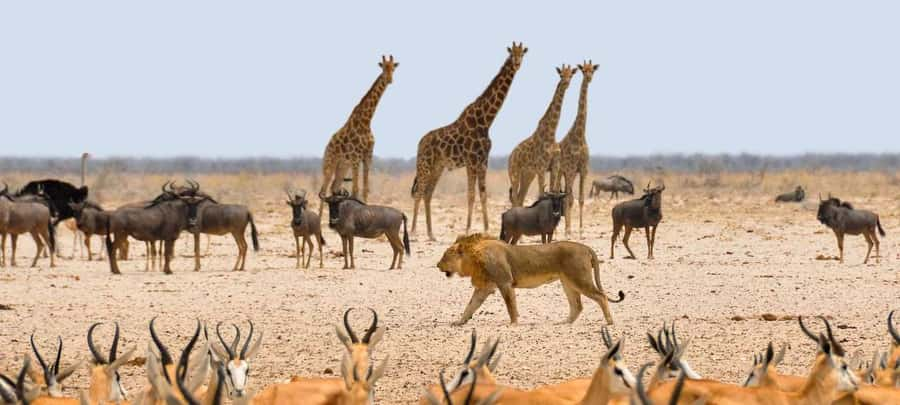
Your day begins at Anderson Gate, near Okaukuejo, at park opening time. This meeting point matters. If you drive yourself there, you can park for free and be ready to enter with the first vehicles of the day, avoiding a slow pickup round or extra driving before the safari even begins.
The gate is also the meeting point for all half-day trips. Full-day tours may include pickup from selected accommodation within about 30 minutes of Anderson Gate, but you should confirm this when booking. If you are staying at Okaukuejo Lodge or Okaukuejo Camp, do not assume the vehicle will collect you inside Etosha. In some cases, you must drive to Anderson Gate yourself.
This early start is one of the strongest parts of the experience. Morning light is useful for photography, and the park is often quieter than later in the day. The tradeoff is simple: you need to be organized the night before, and you may be standing in an open vehicle before the sun has warmed things up.
Bring a fleece, hat, gloves, and a windbreaker. A warm fleece poncho is available on board, but I would still dress as if you were spending a cold morning outdoors. The moving air makes the temperature feel lower than it does at the gate.
More National Park Safaris in the world:
- Teide National Park Sunset & Stargazing with Dinner (Star Safari)
★ 5.0 · 2,601 reviews - Teide National Park: Sunset & Stargazing Safari with Dinner
★ 4.6 · 2,115 reviews - From Johannesburg: Pilanesberg Nature Reserve Game Safari
★ 4.8 · 1,327 reviews
The open 4×4 makes wildlife easier to watch
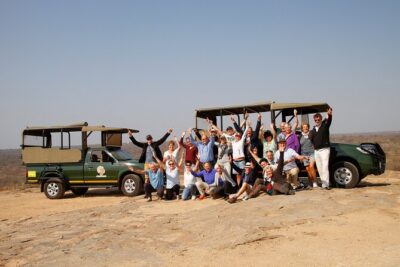
The safari uses an open 4×4 designed for game viewing. You are not looking through the windows of a standard transfer vehicle, so you get a broad view in several directions and a better chance to follow an animal as it moves.
The open design also has a drawback. Dust, wind, and cold are part of the deal. You should protect cameras from grit, keep a layer within reach, and bring sunglasses if bright conditions bother you. This is a real safari vehicle, not a climate-controlled sightseeing bus.
Binoculars are available for shared use, though bringing your own pair is useful if you have one. You may want binoculars for distant animals, birds, or activity around a waterhole. For close sightings, the guide’s ability to position the vehicle and explain what you are seeing is just as important as the equipment.
The vehicle is also a practical advantage for photography. Several people have praised the guides for moving the 4×4 into a good position and then waiting. That patience matters. A quick stop may give you a record shot, but a longer pause lets you watch behavior, compose a better image, and understand why the animal is there.
A flexible route through Etosha
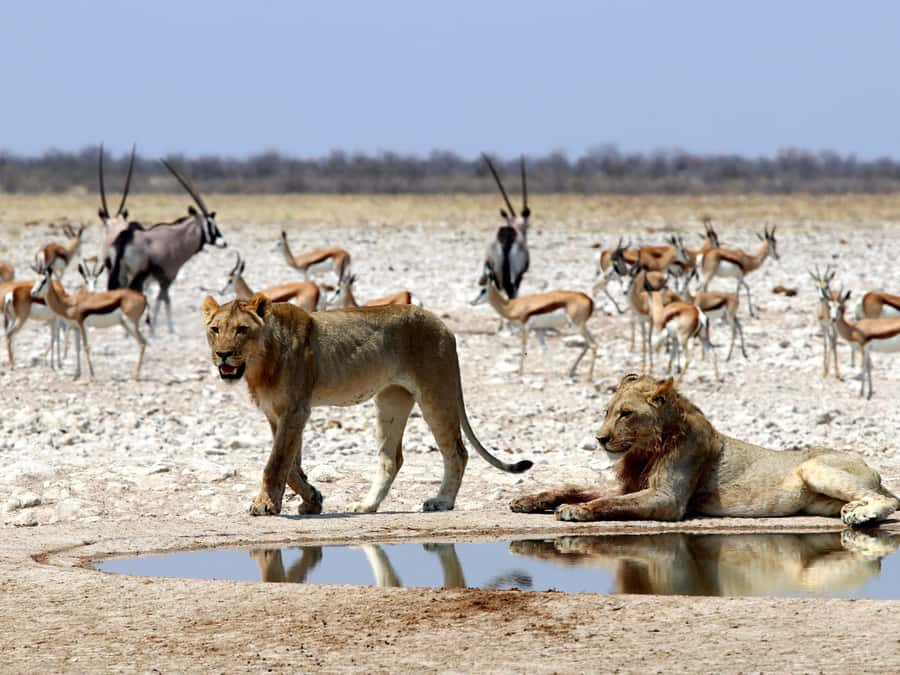
There is no fixed list of stops. The guide adapts the drive to current sightings, weather, and information from other drivers. This makes each safari different and gives the guide room to follow opportunities instead of ticking off attractions in a set order.
That communication network can be valuable. Guides are reported to stay in contact with other safari drivers, helping them locate animals that may have moved since the previous sighting. It does not guarantee a lion or cheetah, but it improves your odds and saves time that might otherwise be spent searching without a plan.
Expect the guide to scan constantly. A good stop may begin with a barely visible shape far from the road, then turn into a longer look at an elephant herd, giraffe, zebra, or antelope. Guides on this experience have been praised for noticing animals that are easy to miss, including less obvious or partly concealed wildlife.
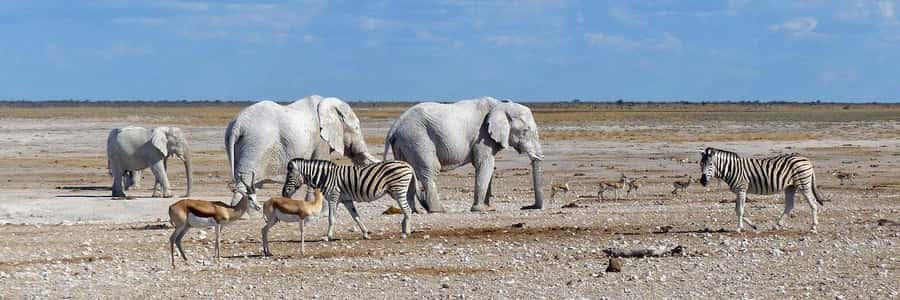
The species list can be impressive. You might see elephants, lions, giraffes, zebras, rhinos, springboks, oryx, wildebeest, warthogs, ostriches, and other birds. Cheetahs and leopards are possible, but uncommon sightings should never be treated as a promise. The guide’s own warning is sensible: luck remains part of every wildlife drive.
Morning sightings and the value of a patient guide
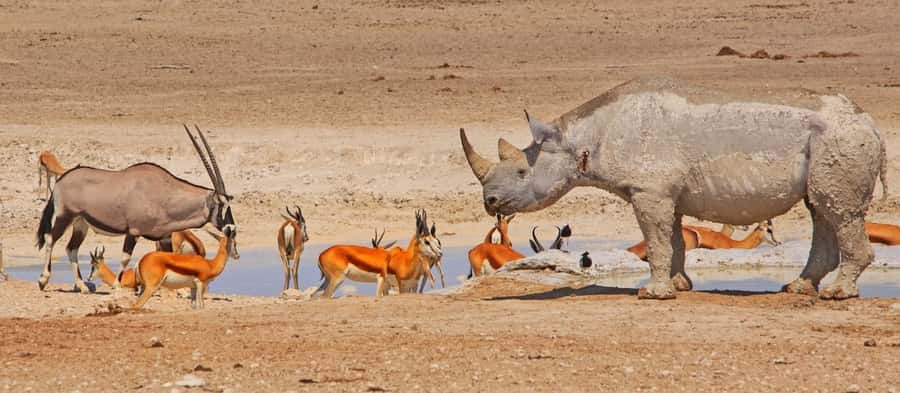
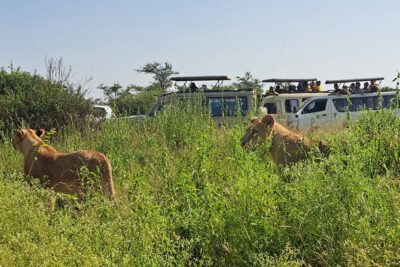
The first part of the day is often the most exciting. In the supplied trip experiences, people saw lions, elephants, giraffes, rhinos, cheetahs, and many antelope species during morning and full-day drives. One morning included lions, while another group had seen the Big Five by midday, although that is a fortunate result rather than a normal expectation.
Ben is named often in the feedback, along with Amone and Matias. The strongest praise is not just for finding animals. It is for the way the guides explain behavior, answer questions, drive safely, and wait without rushing. One guide was praised for knowing when to stop and when to move on, which is exactly the judgment you want in a wildlife vehicle.
You should also expect practical interpretation rather than a silent drive. The guide can discuss animals, Etosha’s ecosystem, and Namibia’s history. If you are curious, ask questions as you go. The experience is much better when you treat the drive as a chance to understand what you see, not just collect a list of species.
Animal encounters remain unpredictable. You might spend time watching a large herd, or you might drive for a while before finding anything close to the road. That uncertainty is part of a national park safari, and the flexible route helps, but no responsible guide can guarantee every animal.
More Half-Day Trips in the world:
- East Coast National Park: Half-Day Caves Jeep Safari
★ 4.6 · 1,090 reviews - Canyonlands National Park Half-Day Tour from Moab
★ 5.0 · 1,074 reviews - Nairobi National Park Half-Day Tour; Free Wi-Fi connection
★ 5.0 · 878 reviews - Half-day Everglades National Park Tour and 1-Hour Air Boat Ride
★ 5.0 · 811 reviews
The midday break on a full-day safari
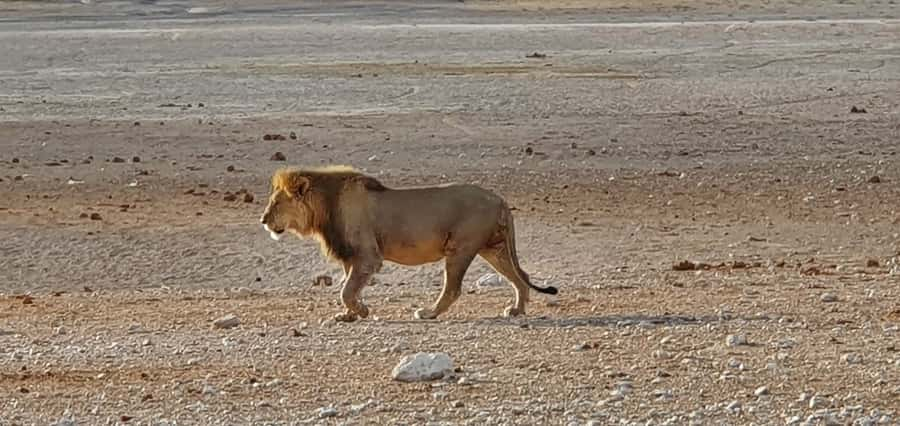
A full-day trip includes a planned break of about one hour at a restaurant inside the park. You can bring your own lunch or buy a meal there. Food is not included, so decide in advance whether you want the convenience of the restaurant or the lower cost and control of your own packed meal.
This pause gives you a chance to warm up, use facilities, eat, and rest your eyes after several hours of scanning. It also divides the long day into two manageable sections. For families and photographers, that break can make the difference between an enjoyable full day and an exhausting one.
Drinking water is not included either. Bring enough for the day, especially if you plan to stay out for the full five to ten hours. The park entrance fee is also separate: allow NAD 150 per person, paid in cash on site. Carry additional cash for lunch if you plan to eat at the restaurant.
A full day costs $123 per person. I see the price as reasonable if you want a guide, an open vehicle, fuel, binocular access, and a long period in the park without arranging your own game drive. It is less attractive if you already have a suitable vehicle, feel comfortable self-driving, and prefer to keep every route decision in your own hands.
Choosing between half-day and full-day
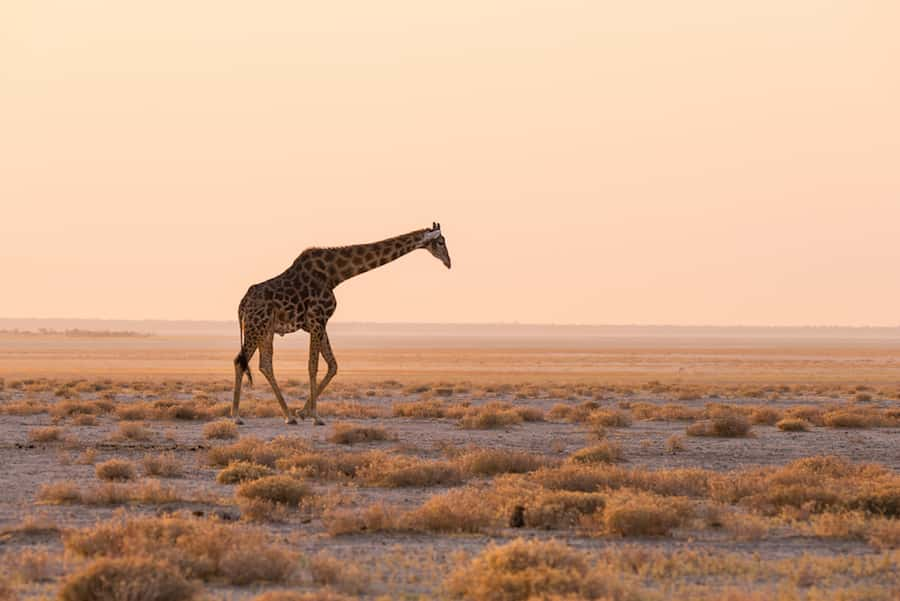
The half-day option suits you if your schedule is tight or you mainly want a morning wildlife outing. It is also a sensible choice if you are unsure how much time you want in an open vehicle. The key point is that half-day departures meet directly at Anderson Gate, with no pickup service.
The full-day option gives the guide more time to respond to sightings and cover more ground, with a restaurant break in the middle. It also gives you a better chance of seeing a wider range of animals simply because you spend more hours in the park. The downside is the early start followed by a long day in sun, wind, and dust.
I would choose the full day for a first visit to Etosha, especially if wildlife is the main reason for your Namibia trip. I would choose half-day if you are staying nearby, have another activity planned, or know that a full day of game viewing will feel too long.
Departures from Halali and Namutoni need extra planning. Halali bookings must be made at least 48 hours ahead and carry a NAD 1,500 surcharge paid directly to the guide. Namutoni departures also require 48 hours notice and have a NAD 3,000 surcharge. These options are not simple add-ons, so check the arrangements before paying.
Who will get the most from this safari
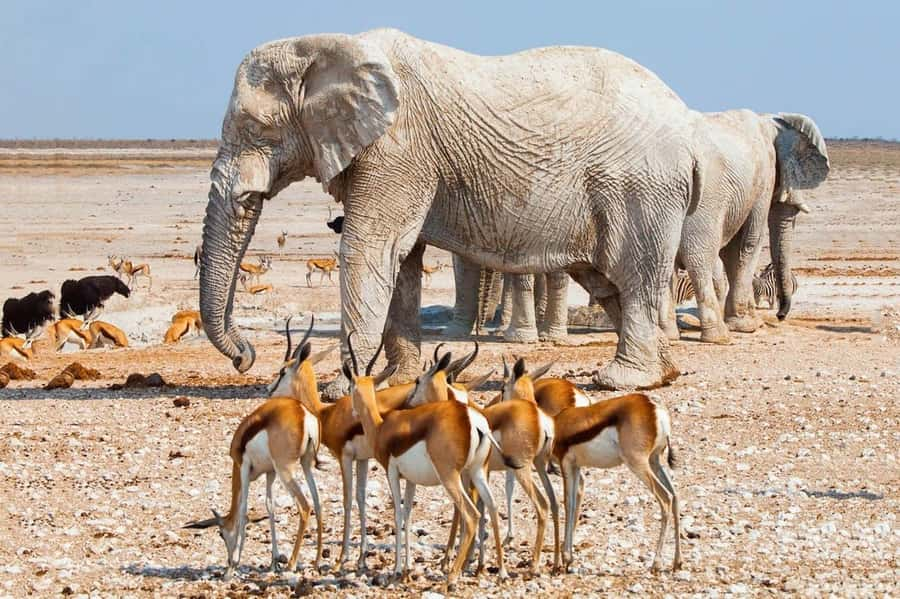
This tour suits first-time Etosha visitors who want help finding animals and interpreting what they see. It is also a good fit for photographers who value a guide willing to reposition the vehicle and wait for a clear view.
Families can benefit from the guide’s ability to make animal behavior understandable, though very young children may find the early cold and long duration tiring. Babies under two ride free on a parent’s lap, according to the activity terms.
The safari is less suited to anyone expecting a luxury vehicle, included meals, or a guaranteed Big Five checklist. It is an outdoor wildlife outing with a practical vehicle, variable conditions, and extra costs at the gate and restaurant.
The guides speak English and Afrikaans. If those languages work for you, the personal explanations add much more than a self-drive route map can provide. You also avoid having to drive while scanning for animals, which lets you focus on watching and photographing.
Practical planning for the day
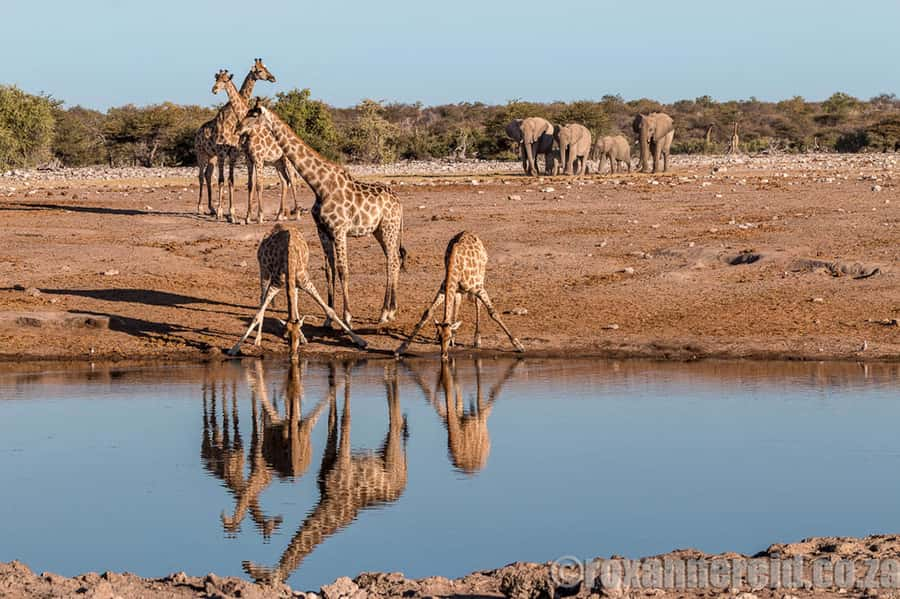
Before leaving your lodge, pack warm clothing, a windbreaker, water, sunscreen, and cash. Bring a camera with a charged battery, and keep a protective cover or bag handy for dust. Drones are not allowed.
If you are meeting at Anderson Gate, allow enough time to find the parking area and be ready at the agreed departure time. Driving yourself to the gate is especially useful for an early entry, but it also means you are responsible for getting there without delay.
Free cancellation is available up to 24 hours before departure, and you can reserve while postponing payment. Those terms help if your Namibia route is still changing, but you should still confirm the exact pickup point, tour length, and departure time before the day.
Should you book the Etosha open 4×4 drive?
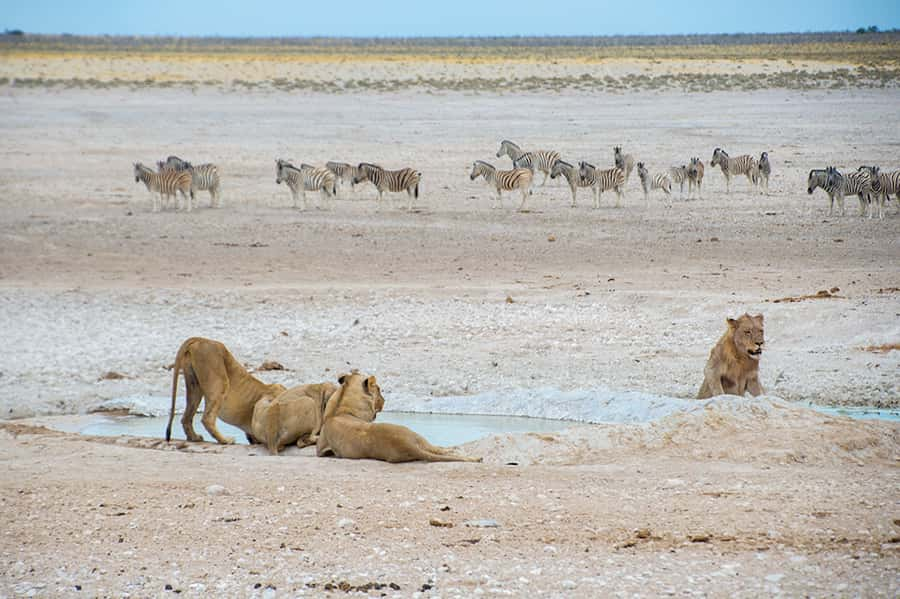
I would book this safari if you want a guide who actively searches, shares current sightings, and explains the animals rather than simply driving around. The strongest reasons are the park-opening start, the local guiding, the flexible route, and the repeated praise for careful driving and patient stops.
Choose the full day if Etosha is a major highlight of your trip and you can handle the cold morning plus a long day outside. Choose half-day if time is limited, but remember that you must meet at Anderson Gate.
Pack properly, bring water and cash, and keep your expectations realistic. You may see an extraordinary run of elephants, lions, rhinos, and cheetahs, or you may spend more time watching common antelope and birds. That mix of planning, local skill, and luck is what makes this a worthwhile Etosha safari rather than a guaranteed animal checklist.
FAQ
Where does the safari meet?
The main meeting point is Anderson Gate, near Okaukuejo, at the entrance to Etosha National Park. Free parking is available at the gate.
Is pickup included?
Pickup and drop-off are available for selected accommodation within about 30 minutes of Anderson Gate on eligible full-day tours. Half-day tours do not include pickup. Guests staying at Okaukuejo Lodge or Okaukuejo Camp may need to meet at Anderson Gate.
What time does the safari start?
The safari begins at park opening time. Exact starting times vary, so check availability when booking.
How long does the experience last?
The activity lasts between five and ten hours, depending on the option selected.
What animals might I see?
Possible sightings include elephants, lions, giraffes, zebras, rhinos, springboks, oryx, wildebeest, warthogs, ostriches, cheetahs, leopards, and other birds and antelope.
Is lunch included?
No. Full-day tours include about a one-hour midday break at a restaurant inside the park, but you pay for your own meal or bring your own lunch.
Is drinking water included?
No. Bring your own drinking water for the safari.
How much is the park entrance fee?
The Etosha entrance fee is NAD 150 per person and must be paid on site in cash. It is separate from the safari price.
What languages does the guide speak?
The live guide speaks English and Afrikaans.
Are binoculars provided?
Binoculars are available on board for shared use. You may also bring your own pair.
What should I wear?
Wear warm clothing and a windbreaker. Mornings can be very cold in the open 4×4, especially from May through August. A warm fleece poncho is available on board.
Can I bring a drone?
No. Drones are not allowed.
Are babies allowed?
Babies under two years old can join free while sitting on a parent’s lap.
Just added for the parks around the world
- Stone Town: Jozani Chwaka Bay National Park Half-Day Tour★ 4.7 · 5 reviews
- Stockholm: Dog Walk in Nature Reserve with Swedish Fika★ 5.0 · 3 reviews
- Stockholm: Sunset Hike in Tyresta National Park with Meal★ 4.8 · 126 reviews
- Stockholm: Self Guided Kayak Adventure in Nature Reserve★ 5.0 · 69 reviews
- Stewart Island: Guided Wilderness Walk★ 5.0 · 10 reviews
- Stewart Island: Ulva Island Guided Wilderness Walk & Cruise★ 4.5 · 165 reviews
- Wasgamuwa: Wasgamuwa National Park Private 3-Hour Safari★ 4.9 · 10 reviews
- Sri Lanka: Yala National Park Private Safari★ 3.2 · 5 reviews
National Park Safaris, compared.
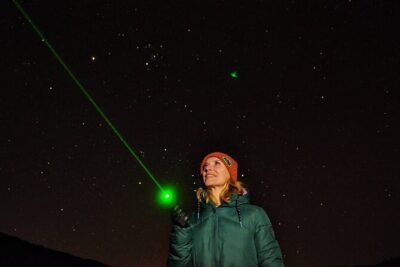
Teide National Park Sunset & Stargazing with Dinner (Star Safari)
Read our review →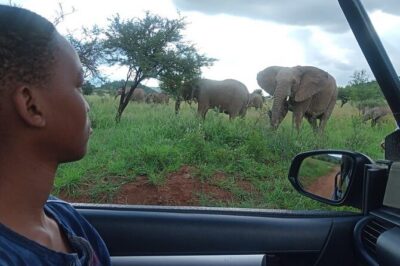
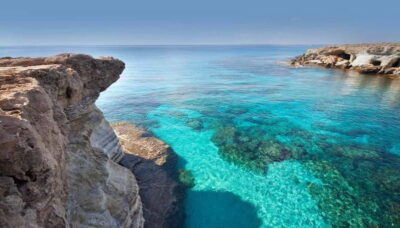
East Coast National Park: Half-Day Caves Jeep Safari
Read our review →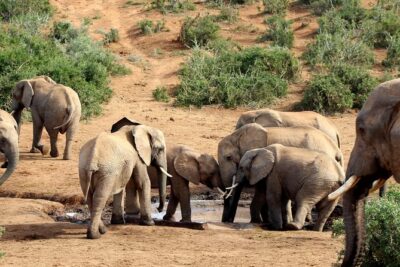
Addo Elephant National Park All Inclusive Full-Day Safari
Read our review →
Yala National Park Safari Tours: Morning/Evening/Full Day
Read our review →