
Review · AUSTRALIA
Hobart: Maria Island National Park Active Full-Day Tour
Maria Island’s great trick is that it gives you three Tasmanian experiences in one day: wild animals at close range, remarkable coastal rock, and a carefully preserved convict settlement. The island has no vehicles, so after the ferry arrives, you travel by foot through bush, open country, beaches, and cliffs.
I like the small-group format, which lets guides such as Heather, Hannah, Nick, Trevor, Ben, and Lucas adjust the pace and stop for wildlife. I also like the way the day joins natural sights with Darlington’s human story, rather than treating Maria Island as only a photo stop.
The main drawback is simple: this is a 10-kilometre walking day over uneven, unpaved ground. You need moderate fitness, good shoes, and patience for an early start. Lunch and drinks are not included, and there is little spare time if the group moves slowly.
Key points to know before booking
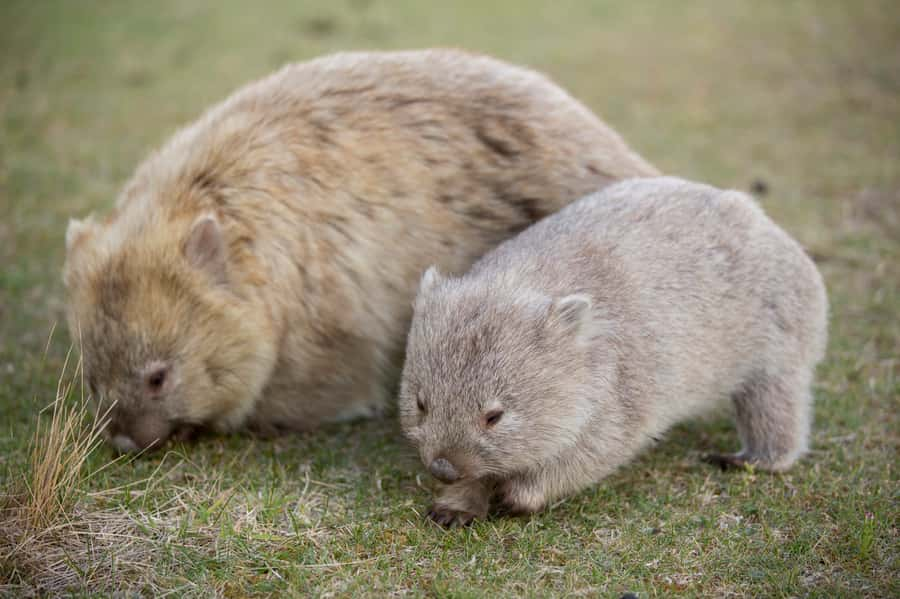
- Wombat country: You may see wombats, wallabies, kangaroos, pademelons, Cape Barren geese, bandicoots, possums, and many birds.
- Two easy but active walks: The Painted Cliffs and Fossil Cliffs routes each cover about 4.5 kilometres.
- A rare convict site: Darlington is a remarkably preserved former probation station and part of a UNESCO World Heritage site.
- Small groups matter: Guides can pause for wildlife, explain plants and geology, and offer choices when conditions change.
- Bring your own provisions: Food, drinks, water, sunscreen, a hat, and extra layers are your responsibility.
- Early departure: In summer, the bus leaves Hobart at 6:45 AM. Winter departures begin at 8:00 AM.
Why Maria Island makes such a strong day trip from Hobart
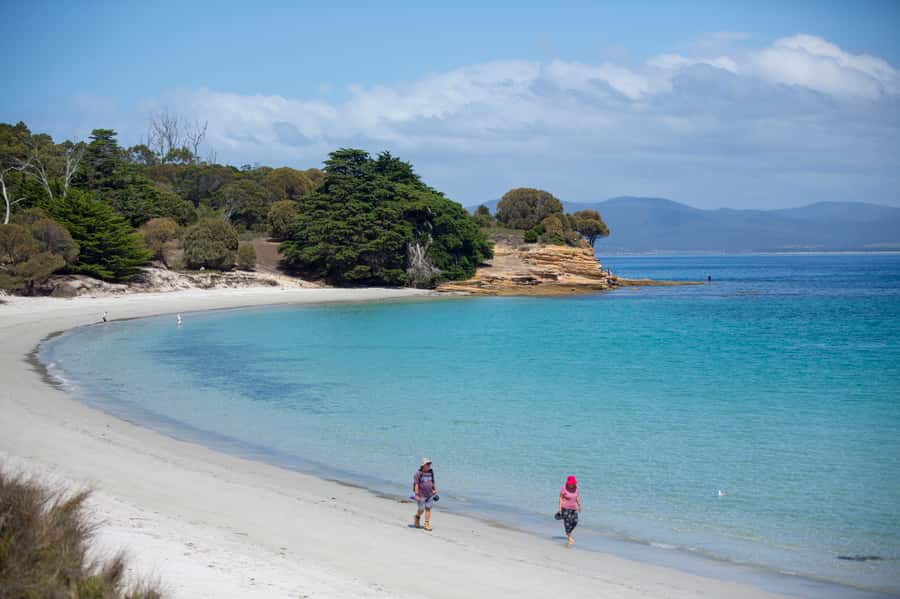
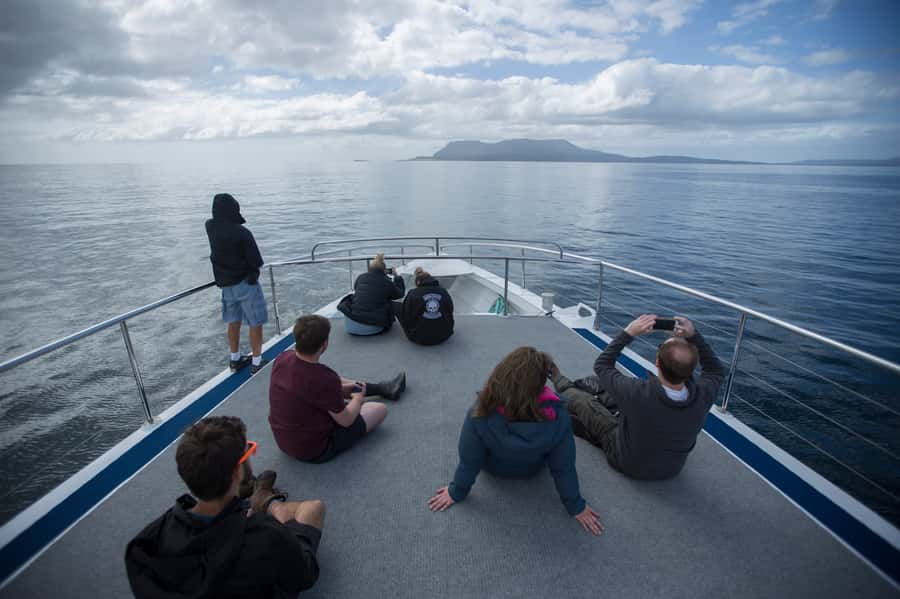
The journey begins at the Tasmanian Travel and Information Centre on Davey Street. From there, you spend about an hour on the road before a 30-minute ferry crossing carries you to Maria Island. The trip is long, but the transport is part of the appeal. You leave Hobart’s streets behind, pass rural views, and arrive somewhere that feels much quieter and less developed.
There are no vehicles on the island, and that changes the mood at once. You hear your own footsteps, watch animals wander across open ground, and move at a human pace. Maria Island is not a theme park with animals placed for display. The wombats, wallabies, kangaroos, and birds are living freely, so sightings are exciting but never guaranteed.
The day’s strongest feature is the balance between guided interpretation and room to look around. Guides help you spot wildlife and explain the island’s plants, geology, and colonial past. At the same time, you get time to pause at beaches, rock pools, cliffs, and old buildings.
More National Park Day Trips in Australia
- Port Arthur Full-day Guided Tour with Harbour Cruise and Tasman National Park
★ 4.5 · 585 reviews - Wineglass Bay & Freycinet National Park Day Trip from Hobart
★ 4.7 · 249 reviews - Litchfield National Park: Full-Day & Lunch from Darwin
★ 4.6 · 205 reviews
The ferry ride and first steps on the island
The ferry crossing lasts about half an hour and is generally an easy part of the day. It also creates a useful break between the early bus ride and the walking program. Once you arrive, the island’s quietness becomes part of the experience.
Your guide will help set the pace for the group. That matters because the walking program covers roughly 10 kilometres, and people tend to stop often for animals and photographs. Recent groups have ranged from very small parties of around six people to larger small-group outings. A small party can feel almost private, especially when the guide gives you choices about timing and stops.
Keep your eyes open near the settlement and along the tracks. Wombats are a major attraction, and several groups have seen two, three, or even four during the day. You might also find wallabies, kangaroos, pademelons, Cape Barren geese, possums, bandicoots, and a wide range of birdlife. Tasmanian devils are also associated with the island, though you should not book this as a guaranteed devil sighting.
The best wildlife behavior is respectful wildlife behavior. Let the animals set the distance, stay with the guide, and avoid treating a close encounter as permission to approach. Guides such as Ben and Lucas have been praised for encouraging care for the environment, which is exactly the right approach here.
Darlington, where convict history feels close
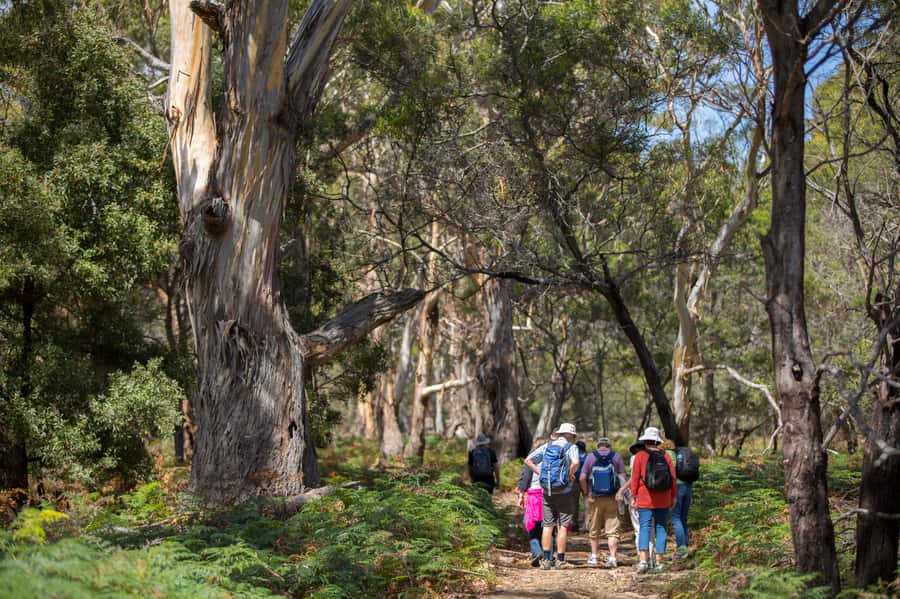
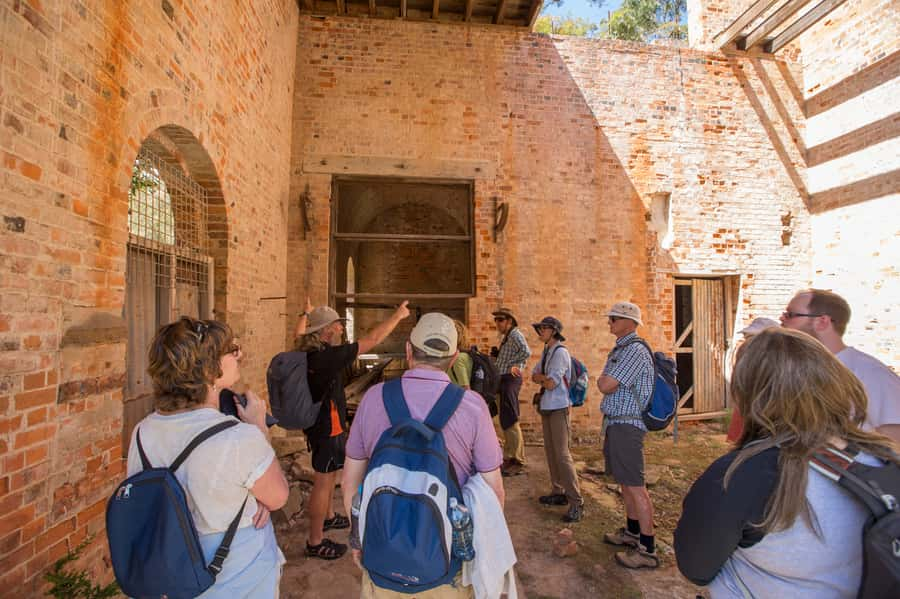
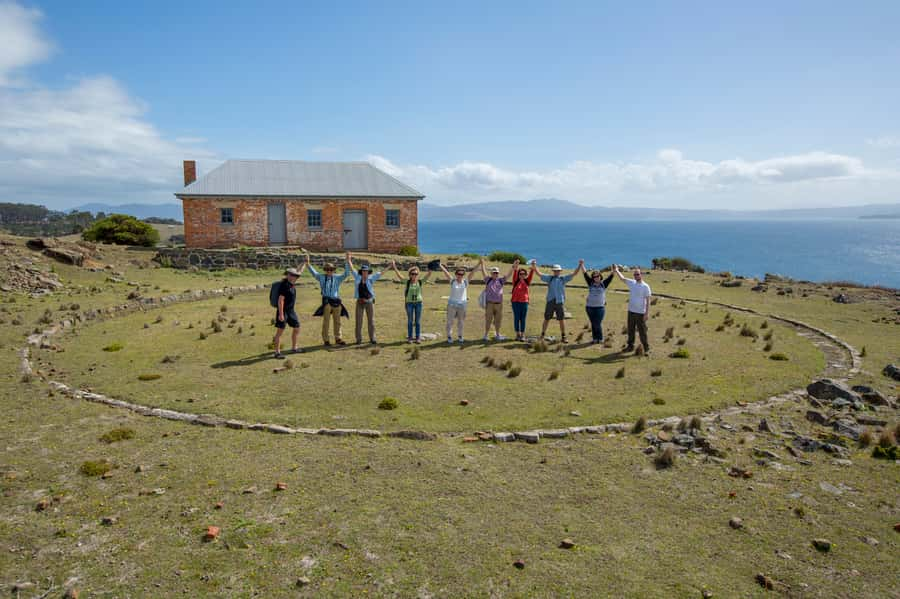
Darlington is one of the day’s most important stops. The settlement is a well-preserved former convict probation station and forms part of the Australian Convict Sites UNESCO World Heritage listing. You can walk among the old buildings and see how a remote penal settlement was organized.
This stop gives the island a human scale. Maria Island is not only open country and sea views. People were sent here, worked here, and lived under a strict colonial system. The remaining structures make that past easier to understand than a plaque or museum display alone.
Your guide adds value by connecting the buildings to the wider story of Tasmania. Several guides, including Trevor, Nick, Lucas, and Heather, have been praised for explaining the island in a clear, engaging way. Good guiding is especially useful at Darlington because the buildings can look simple at first glance. Context helps you see why the settlement matters.
Allow yourself time to look beyond the main structures. The cemetery, old buildings, nearby vegetation, and quiet setting all contribute to the feeling of a place left outside modern life. The drawback is that history takes time, and the schedule also needs to fit in two long walks. If you want a slow, detailed study of every building, this day trip may feel brisk.
Painted Cliffs: Maria Island’s most photogenic stop
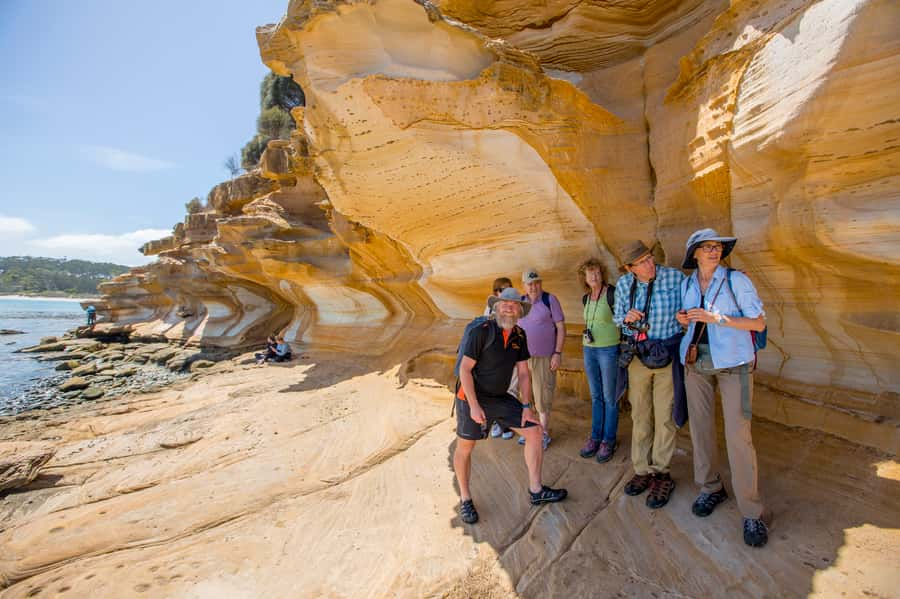
The walk to the Painted Cliffs covers about 4.5 kilometres round trip. It is described as easy, but easy does not mean effortless. You will be walking on natural, unpaved surfaces, and the full tour includes another similar walk later in the day.
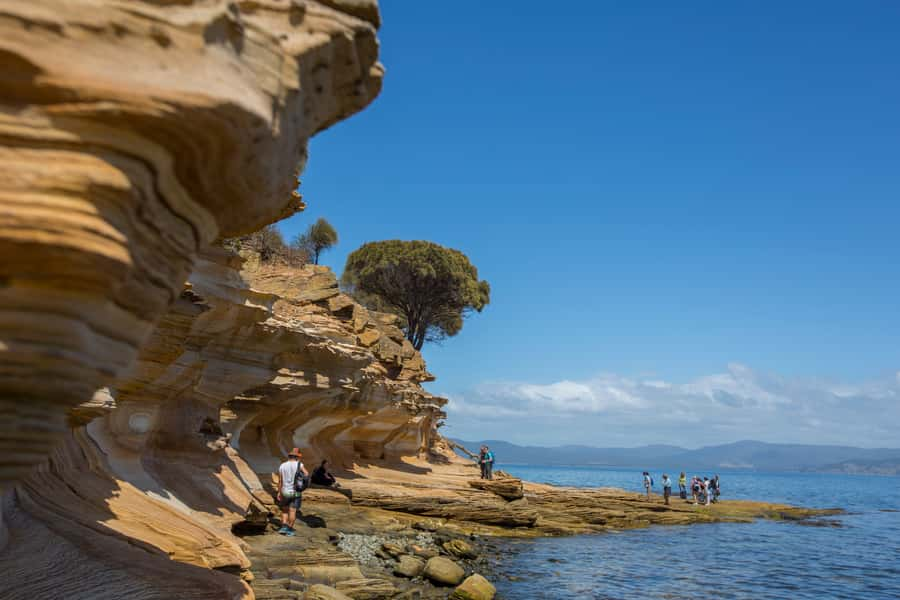
The cliffs are known for bands and swirls of color in the sandstone. The rock formations look especially striking beside the sea, and changing light can bring out different tones. The route gives you a close look at the geology rather than only a distant viewpoint.
This is a good place to slow down. You can study the patterns in the rock, take photographs, and watch the water. Depending on the group’s pace and the conditions, there may also be time to explore nearby rock pools or relax briefly by the beach.
The Painted Cliffs walk is one of the more accessible parts of the day, but you still need closed-toe shoes and comfortable clothing. Wind, rain, and sun can all change the feel of the route. A jacket belongs in your daypack even if Hobart starts warm and clear.
Same parks, a different way to see them:
- Litchfield National Park and Jumping Crocodile Cruise
★ 5.0 · 2,119 reviews - Grampians National Park Small-Group Eco Tour from Melbourne
★ 5.0 · 761 reviews - From Port Arthur: Tasman Island Wilderness Cruise
★ 4.9 · 704 reviews - Sydney: Blue Mountains National Park Tour with River Cruise
★ 4.6 · 701 reviews
Fossil Cliffs and 300 million years of geology
The Fossil Cliffs walk covers another 4.5 kilometres and follows the western side of Maria Island. Instead of colorful sandstone, the focus here is exposed fossil material and the geological story preserved in the cliffs.
The fossils are around 300 million years old. That number is hard to picture, but the exposed rock gives you something tangible to examine. Rather than hearing only a date, you see evidence in the cliff face and learn how the island records an ancient marine past.
The route crosses windswept hills and cliff edges, so conditions can make this part feel more exposed than the Painted Cliffs walk. Some visitors describe the paths as mostly easy, with small hills and one short incline. Still, you should be comfortable walking for several hours over mixed ground.
This is where a good guide earns their place. A guide can point out fossils, explain what you are seeing, and keep the geological story connected to the ground beneath your feet. Without that interpretation, the cliffs may simply look like broken rock. With it, the stop becomes one of the day’s most memorable lessons.
One practical limitation is that the second half of the day may feel less dramatic to you if your main goal is colorful coastal scenery. The Fossil Cliffs are valuable for geology and open views, but they do not offer the same visual punch as the Painted Cliffs. The trade-off is worthwhile for most people who want a fuller picture of the island.
Wildlife encounters are the emotional highlight
Maria Island is especially rewarding for anyone who wants to see Australian animals in the wild. Wombats are the stars. They often wander through open areas, and the chance to watch one feeding or moving across the grass is far more special than seeing one behind a fence.
You may also see kangaroos and wallabies, along with smaller pademelons and other native animals. Cape Barren geese add a distinctive bird sighting, while rock pools and treetops offer more reasons to keep looking. Several groups have seen wombats up close, including young animals, but the guide cannot control where wildlife appears.
The strongest guides do more than point and name. They help you wait quietly, scan the right places, and understand how to behave around animals. Ben, Heather, Lucas, and Nick are among the guides who have been singled out for wildlife spotting and care for the island. The exact guide depends on the departure date, so do not book expecting one particular person.
Rain and wind do not necessarily ruin the day. One group had rain and still described the outing as a great active day, while another had strong wind but continued to look for wombats and found several. The weather can affect your comfort and the views, so bring layers instead of relying on a forecast from the morning alone.
What the $152 price includes
At $152 per person, the tour bundles the parts that can make a Maria Island day awkward to arrange independently: return transport from Hobart, the ferry, national park fees, a guide, and guided walks. You also avoid having to coordinate the road transfer with the ferry timetable.
The value is strongest if you want interpretation and wildlife help. A self-guided visit can give you freedom, but the guide adds context at Darlington, Painted Cliffs, and Fossil Cliffs. Guides also help you make sensible choices when weather, walking speed, or wildlife sightings affect the schedule.
The price does not include food or drinks. Bring a packed lunch, plenty of water, and snacks. One practical criticism is that carrying enough water for a full day adds weight, but it is still better to arrive prepared than to count on buying supplies on the island. There is no airport drop-off, so you need to arrange your own transport after returning to Hobart.
The included national park fee and ferry tickets make the price easier to assess. If you would otherwise pay for those separately and hire transport, the package is reasonable. If you prefer a short outing with lots of free beach time, the cost may feel less attractive because the day is built around guided walking.
The early start, walking demands, and what to pack
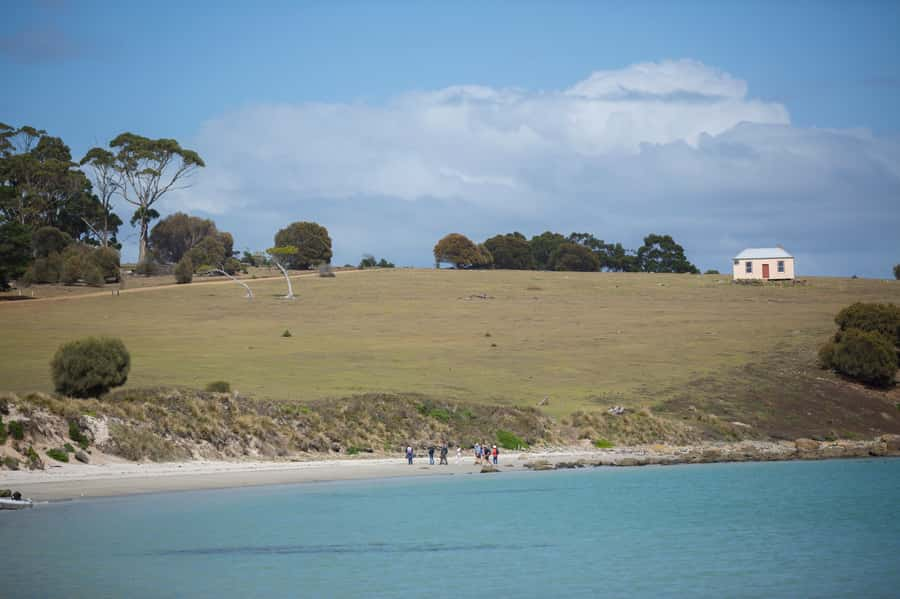
From October 1 through April 30, you meet at 6:40 AM for a 6:45 AM departure. The early start helps the group make full use of long summer daylight and complete both walks. From May 1 through September 30, departure shifts to 8:00 AM, with a shorter and more flexible program shaped by daylight, weather, and group pace.
Do not arrive late. The bus cannot wait because the ferry timetable controls the day. There is no parking at the general meeting point, so arriving by car requires a separate parking plan.
Wear sturdy, closed-toe walking shoes. Add a hat, sunscreen, comfortable outdoor clothing, a jacket, and weather-appropriate layers. Pack a daypack and reusable water bottle, but leave suitcases and large bags behind. You will be carrying your own supplies through the walking program.
The minimum age is eight. The tour is not suitable for wheelchair users or people with mobility impairments. If you are an older walker or simply prefer a gentle day, remember that the total distance matters more than the word easy used for the individual cliff walks.
Who will enjoy this Maria Island day most
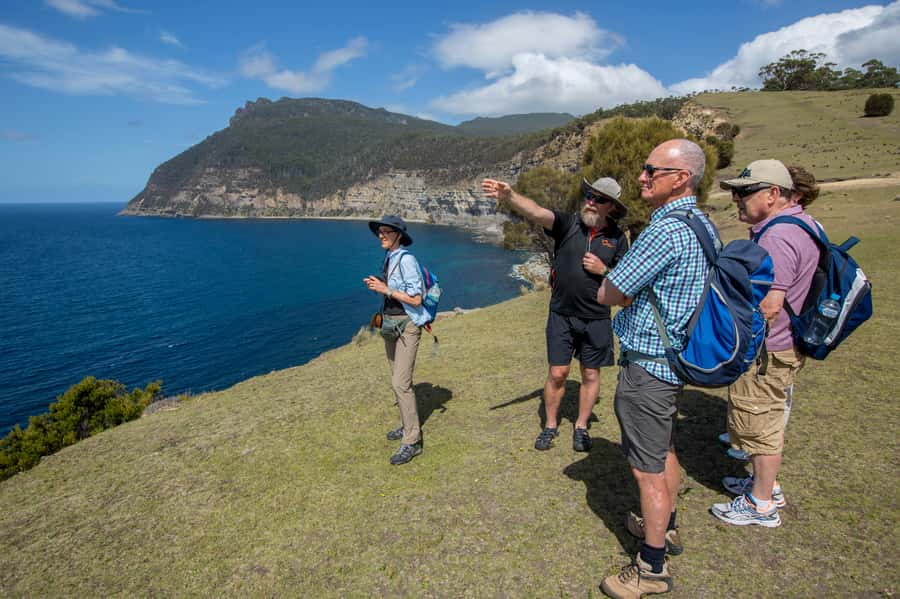
You should book this tour if you want a full outdoor day that mixes animals, geology, scenery, and convict history. It suits people who are happy to walk for hours, carry lunch and water, and accept that weather and wildlife are part of the deal.
It is also a good choice if you are visiting Hobart without a car. The bus and ferry connection removes the planning burden, while the guide gives you more background than you might gather alone.
You may want a different Maria Island plan if your priority is swimming, lounging on a beach, or exploring at your own pace. The schedule includes scenic pauses and some beach time, but the main aim is to complete the guided walking program. One afternoon group had only a short lunch break, partly because the pace of the day had to accommodate slower walkers.
The small-group setting is a real advantage for people who like questions, wildlife stops, and a flexible rhythm. Guides such as Hannah have offered several choices during the day, while others have adjusted plans around rain, wind, and the group’s pace.
Should you book the Maria Island active day tour?
I would book it if wombats, coastal geology, and Australian colonial history all appeal to you. The island is special because these elements sit close together, and the tour gives you a practical way to experience them in one long day from Hobart.
Go prepared for the physical side. Bring food, water, layers, sunscreen, and proper shoes. If you can handle about 10 kilometres over uneven ground and do not need a guaranteed wildlife sighting, the $152 price offers solid value for the ferry, transport, park fee, small group, and guide.
Cancel up to two days before departure for a full refund if your plans change. Most importantly, book this for the walking and the wild setting, not just for a quick wombat photograph. The animals may be the highlight, but Darlington, the Painted Cliffs, and the ancient fossil beds are what make Maria Island feel like a complete day out.
FAQ
How long is the Maria Island tour from Hobart?
The experience lasts about 10 hours. It returns to the Tasmanian Travel and Information Centre in Hobart at around 5:00 PM.
What time does the tour leave Hobart?
From October 1 to April 30, you meet at 6:40 AM for a 6:45 AM departure. From May 1 to September 30, you meet at 7:55 AM for an 8:00 AM departure.
How much walking is involved?
The full day involves about 10 kilometres of walking over varied, unpaved terrain. The Painted Cliffs and Fossil Cliffs walks each cover about 4.5 kilometres.
Is food included?
No. You need to bring your own food, drinks, snacks, and water. A reusable water bottle is recommended.
Can children join the tour?
Children must be at least eight years old. The tour is not suitable for wheelchair users or people with mobility impairments.
What is included in the $152 price?
The price includes the national park fee, return ferry tickets, transport, a small-group experience, an English-speaking guide, and guided walks with interpretation. Airport drop-off, meals, and drinks are not included.
More Full-Day Trips in Australia
- Darwin: Kakadu National Park & Wildlife Full Day Tour
★ 4.5 · 200 reviews - Tenerife: Teide National Park Full-Day Tour with Pickup
★ 4.5 · 1,613 reviews - Montenegro: Full-Day Tour to Lovcen National Park & More
★ 4.9 · 992 reviews - Yosemite National Park: Full Day Tour from San Francisco
★ 4.0 · 937 reviews
Just added for the parks around Australia
- Spring Brook National Park Driving Tour with an APP★ 4.4 · 2 reviews
- Port Douglas: Daintree National Park Tour, Cruise, & Zipline★ 4.9 · 31 reviews
- Port Stephens: Worimi National Park Sandboarding Adventure★ 4.8 · 18 reviews
- Port Lincoln: Lincoln National Park Sunset Sand Dunes Tour★ 4.9 · 17 reviews
- Port Arthur: Cape Raoul Wilderness Cruise★ 4.8 · 80 reviews
- Noosa: Epic Ocean Kayak with Dolphins & 4WD Beach Adventure★ 4.6 · 247 reviews
- Noosa: National Park and Dolphin Watching Safari★ 5.0 · 5 reviews
- Melbourne: Wilsons Promontory Morning Wilderness Cruise★ 5.0 · 71 reviews
Australia National Park Tours, compared.
Litchfield National Park and Jumping Crocodile Cruise
Read our review →
Grampians National Park Small-Group Eco Tour from Melbourne
Read our review →
Blue Mountains National Park Tour with River Cruise
Read our review →
From Hobart/Adventure Bay: Bruny Island Wilderness Cruise
Read our review →
Port Arthur Full-day Guided Tour with Harbour Cruise and Tasman National Park
Read our review →
Bruny Island Wilderness Coast Eco Cruise with Lunch
Read our review →
Wilsons Promontory Wilderness Cruise from Tidal River
Read our review →Browse the lists this tour appears in