
Review · BANFF AND JASPER
Banff: Winter Wilderness Walk with Wildlife Tracking – 2hrs
Winter turns the Rocky Mountains into a giant animal notebook. Fresh snow records every crossing, pause, and sudden change of direction. On this two-hour walk from the Cave and Basin area, your guide helps you read those clues instead of simply strolling past them.
I like the close look at animal behavior, especially the chance to compare tracks from deer, coyotes, and snowshoe hares. I also like the mix of local stories and practical nature lessons, which gives the walk more meaning than a basic scenic hike. The main drawback is that this is a short, weather-dependent outing, and wildlife sightings cannot be promised.
- Start at Cave and Basin: Meet outside the gift shop in the parking lot, with free parking and public transit access.
- Read winter tracks: Learn to identify signs left by deer, coyotes, snowshoe hares, and other animals.
- Hear local stories: Your guide connects wildlife, Indigenous history, early settlement, and the land.
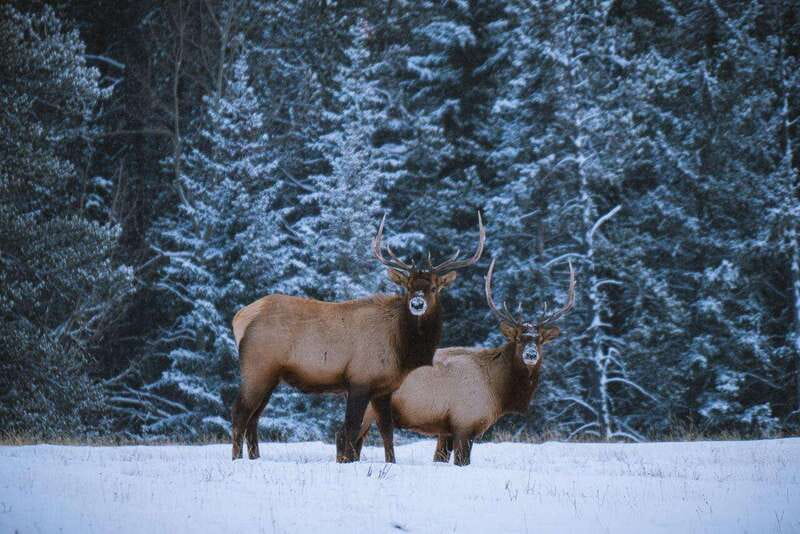
- Expect mountain scenery: Snowy trees, frosted branches, and Rocky Mountain views make strong photo subjects.
- Ask for equipment: Ice cleats are supplied when needed, and hiking poles are available on request.
- Know the limits: The walk is not suitable for children under nine, wheelchair users, people with mobility impairments, or anyone with certain medical concerns.
Reading the Snow at Cave and Basin
The meeting point is outside the gift shop in the Cave and Basin parking lot, a practical place to begin because it is easy to find and simple to reach. You get free parking here, public transit access, or a five to seven-minute taxi ride from downtown Banff.
Arrive at least ten minutes early. Your guide will have a clipboard and a smile, and you should let the guide know you have arrived. That small detail matters in winter, when standing around in the cold is no fun and late arrivals can hold up a walking group.
The Cave and Basin area also gives the outing a useful sense of place. You are not starting at an anonymous trailhead. You are meeting beside one of Banff’s best-known historic sites, then moving into Banff National Park for a closer look at winter ecology.
The exact route is not laid out stop by stop in advance. That can be a strength. A guide can spend more time on fresh tracks or interesting signs instead of rushing to meet a fixed list of viewpoints. It also means you should not book this expecting a guaranteed route to one particular lake or animal sighting.
Two Hours in Banff National Park
The walk lasts two hours and returns to the Cave and Basin meeting point. That is long enough to gain a useful introduction to tracking without taking up the better part of your day.
Your guide will lead you through snowy trails and point out the small marks that reveal animal activity. A track is only the beginning. You may also learn to look for disturbed snow, changes in direction, feeding signs, and the way an animal moves through its surroundings.
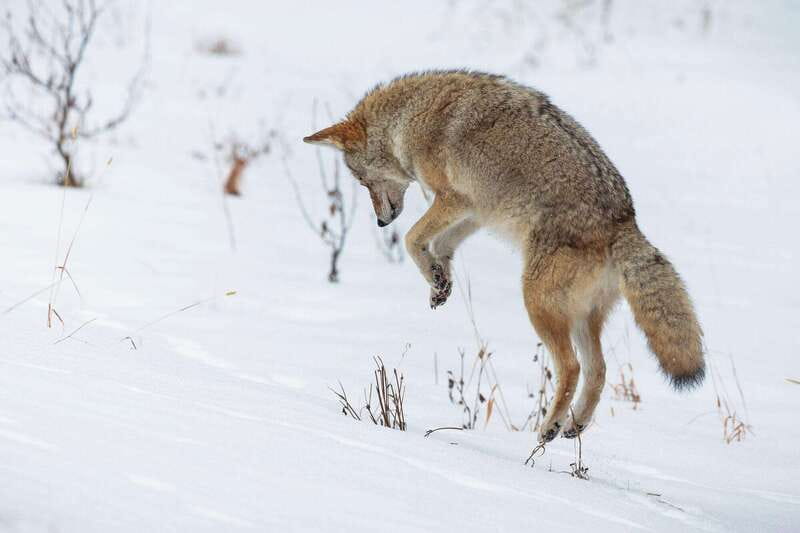
Deer tracks can help you think about the animal’s size and movement. Coyote tracks open a different discussion about territory and survival. Snowshoe hares are harder to spot, but their tracks and other signs can show where they have passed. The goal is not to turn you into a wildlife expert in two hours. It is to teach you what to notice.
That makes the outing useful even when no large animal appears. A deer bounding across the snow or a fox moving through its territory would be a memorable bonus, but the central activity is learning how to see evidence of life in a quiet forest.
The pace should suit people who want to pause and listen. This is not described as a fast hike or a workout. Still, you need to be comfortable walking outdoors in winter for two hours. Sturdy footwear is important, and ice cleats are available when needed.
More Banff and Jasper National Park Tours in Banff:
- Banff National Park Tour with Lake Louise and Moraine Lake
★ 4.5 · 692 reviews - Banff National Park: 1-Hour Bow River Horseback Ride
★ 4.6 · 518 reviews - Banff National Park: 1-Hour Spray River Horseback Ride
★ 4.7 · 315 reviews
What Winter Animals Are Up Against
Cold weather changes the rules for every animal in the park. Food is harder to find, energy is precious, and snow can make movement difficult. The walk explains how local wildlife manages these problems, with attention to behavior, habitat, and physical adaptation.
You might discuss how animals conserve energy, move through snow, or use forest cover. Birds offer another angle, since you may see them moving between branches while relying on their own winter survival methods.
The value here is the guide’s interpretation. You can look at a set of prints on your own and wonder what made them. With an experienced local guide, you get a reasoned explanation and a chance to ask questions as the evidence changes along the trail.
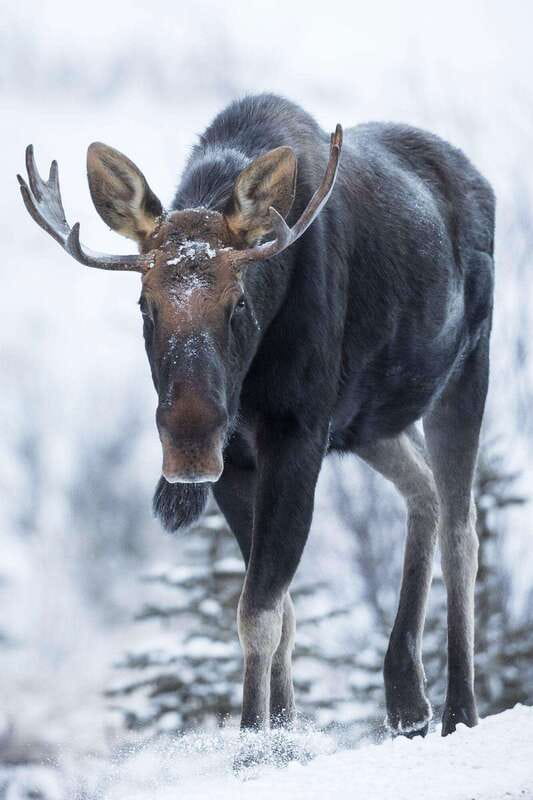
Keep expectations sensible. The tour does not promise a specific animal sighting. You could see mule deer, an eagle, a fox, or other wildlife, but the more dependable reward is learning to notice tracks and signs that most people miss.
One outing led by Jacob included Johnson Lake views, animal tracks throughout the snow, mule deer, and an eagle. Those details show the kind of combination that is possible: attractive scenery, clear evidence of wildlife, and an actual sighting. They should be treated as examples, not guarantees for every departure.
Jacob and the Value of a Local Guide
Jacob is the guide named in the supplied information, and his style is described through specific details: he is friendly, local to the area, and generous with background about places that are easy to miss. That matters on a short tour, because a guide who can connect the trail to the wider region gives you more than a route through the snow.
You can expect the guide to explain tracks, answer questions, and help you make sense of the forest. The experience also includes local stories and folklore. These stories connect Indigenous peoples and early settlers with the land and its wildlife, linking the present-day park to the people who have lived and worked in the region.
This cultural material is best understood as part of the setting, not as a separate history lecture. A coyote track, a mountain view, or a frozen trail can become a starting point for talking about how people understood and used this place over time.
The listed language is English. If you want a quiet walk with room for questions, tell your guide what interests you at the start. You might care most about photography, animal behavior, local stories, or simply getting comfortable outdoors in winter.
Winter Photography Without Fancy Gear
The Rocky Mountain scenery gives you plenty to photograph. Snow-covered trails, frosted trees, and mountain views create strong subjects even when wildlife stays out of sight.
Your guide can offer tips for better pictures. That is especially useful in snow, where bright white ground can confuse a camera’s exposure. You do not need to treat the walk as a formal photography course, but a few practical suggestions can help you save more than quick snapshots.
Bring a camera or phone, and keep it accessible. If it is buried in a pack beneath extra layers, you may miss a short-lived view of an eagle or deer. Gloves also matter. You will want warm hands while walking, but you may need enough finger control to handle your camera.
The Johnson Lake outing associated with Jacob produced strong Christmas-card-style images, with mountain scenery and snow-covered surroundings. Again, the route and conditions may differ, but the point is clear: winter can be a very good time for photographs, especially after fresh snowfall.
Do not let photography take over the walk. The best part of wildlife tracking is often the pause before the picture, when you work out what made the mark and where it may have gone.
More Wildlife and Elephant Encounters in Banff:
- Miami: Everglades National Park Airboat Tour & Wildlife Show
★ 4.5 · 7,296 reviews - Wilderness, Wildlife, Glacier Experience from Anchorage
★ 5.0 · 3,004 reviews - Kenai Fjords National Park Glacier & Wildlife Cruise
★ 5.0 · 1,756 reviews - Kenai Fjords National Park Glacier & Wildlife Tour from Seward
★ 4.5 · 1,036 reviews
Clothing, Footwear, and Trail Comfort
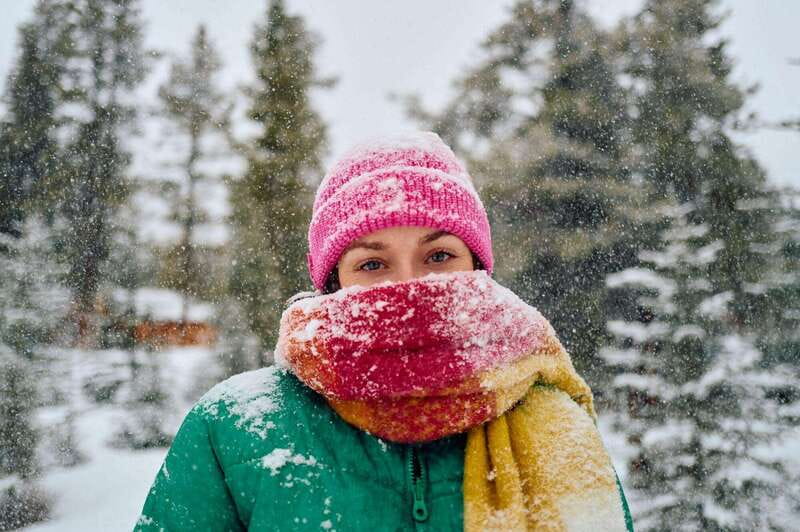
Dress in layers. This is the most useful advice for any winter walk because your comfort can change quickly once you start moving or stop to examine tracks.
Bring warm clothing, a hat, gloves, water, and sturdy outdoor shoes. Weather-appropriate clothing is not optional here. The activity takes place outside for two hours, and the cold can feel very different when you are standing still.
Ice cleats are included when needed. Hiking poles are available on request, which can help on slippery sections or give you extra confidence on uneven snow. Ask about both before setting out if you think you will use them.
The tour is not suitable for children under nine, pregnant women, wheelchair users, people with mobility impairments, people without outdoor experience, people with pre-existing medical conditions, or people who have had recent surgery. Those restrictions make the intended level of physical demand clear. This is a guided winter walk, not a paved sightseeing stop.
If you are unsure about your fitness or a medical concern, this is the time to ask before booking. A two-hour winter outing can be manageable for one person and uncomfortable for another.
Is $65 a Fair Price?
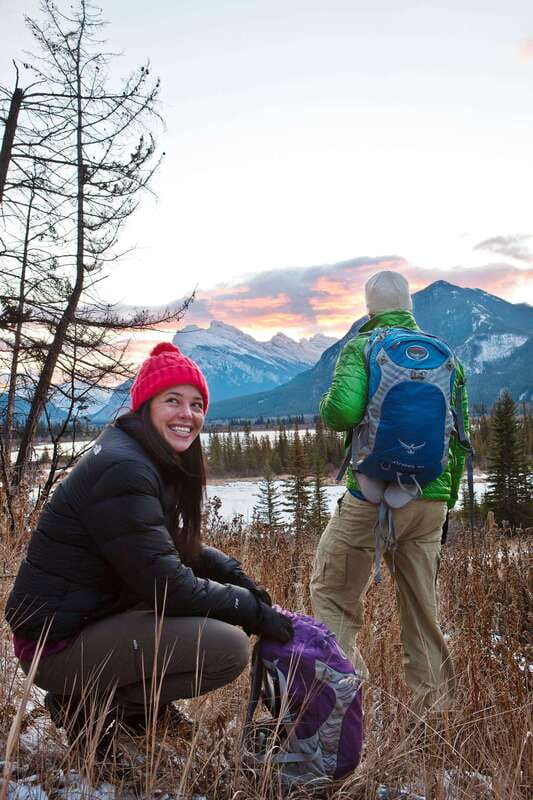
At $65 per person, the value depends on how much you want from a guided nature walk rather than a self-guided stroll. You are paying for two hours of instruction, local interpretation, wildlife tracking education, local stories, and help with photography.
The price also includes a professional guide, ice cleats when needed, and hiking poles upon request. Food, drinks, and transportation to Cave and Basin are not included, but the meeting point is close to downtown and has free parking. That keeps your extra costs fairly simple.
I think the price makes sense for first-time visitors who want to understand what they are seeing. Without a guide, you can enjoy the snow and scenery, but you may walk past the tracks that give the forest its real story.
The value is lower if you already have strong winter tracking skills or want a full-day adventure. Two hours is an introduction. It gives you a useful set of skills, but it will not cover every animal or every part of Banff National Park.
The small sample of ratings is very strong, with a five out of five average from three bookings. That supports the tour’s basic promise, especially the guide quality and scenery, but the sample is too small to treat as a broad measure of every possible departure.
Who Will Enjoy This Walk Most?
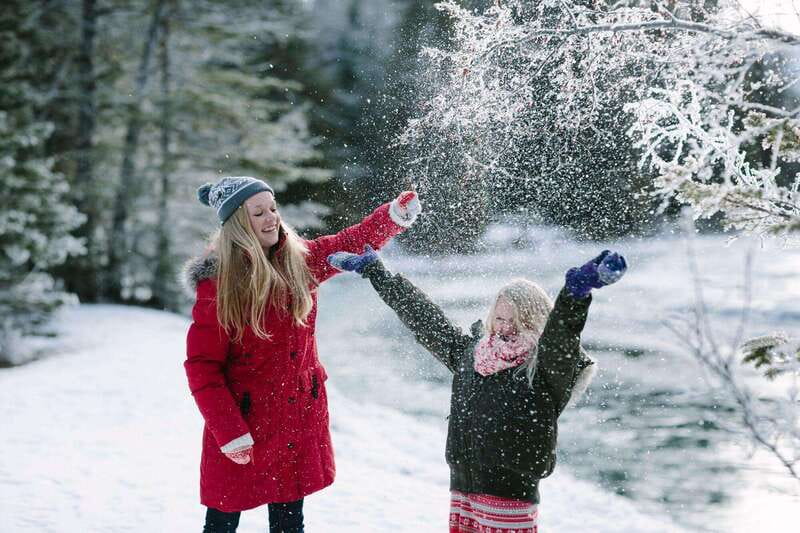
This outing suits nature enthusiasts, families with children old enough for the activity, photographers, and people who want a gentle introduction to winter in the Rockies. It is also a good choice if you like learning how a place works rather than simply checking off a viewpoint.
You will get the most from it if you are willing to slow down. Tracks are easier to understand when you stop, compare them, and listen to the guide’s explanation.
The walk may also suit solo visitors who want an English-speaking guide and a clear two-hour plan. You do not need to organize a route or work out which signs are worth examining. The guide handles that part.
It is less suitable for anyone seeking a fast hike, a guaranteed wildlife encounter, or a fully accessible path. People with no winter outdoor experience should also take the clothing and footwear advice seriously.
Booking Flexibility and Meeting Details
You can cancel up to 24 hours before the start for a full refund, and the reserve-now, pay-later option lets you hold a place without paying immediately. Starting times vary, so check availability for the date you want.
Transportation to the meeting point is your responsibility. From downtown Banff, a taxi takes about five to seven minutes, while free parking and public transit make the location easy to reach without a private car.
Bring water and food if you need them, since neither is supplied. There is no need to overpack, but your extra layers should be easy to reach. A small day pack works well for gloves, a hat, water, and a camera.
Should You Book the Winter Wildlife Walk?
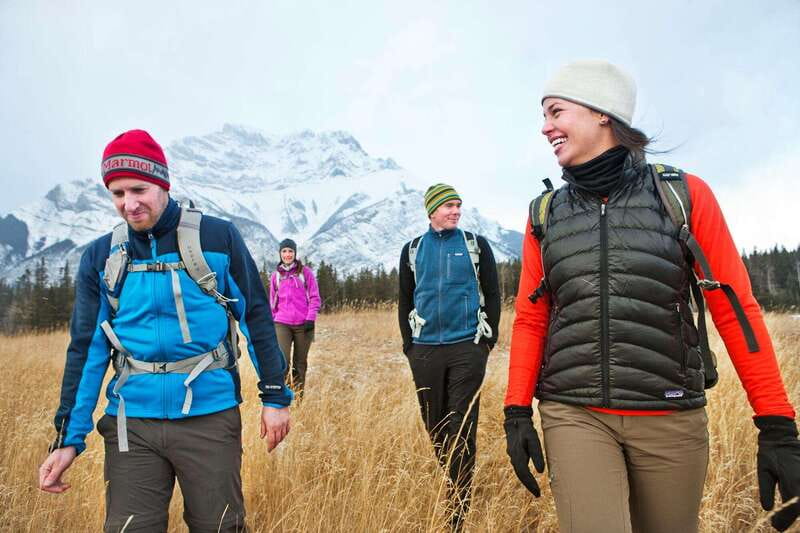
Book this tour if you want a short, guided introduction to Banff’s winter wildlife and enjoy the idea of reading tracks in the snow. The strongest reasons to go are the chance to learn from a local guide such as Jacob, the mix of animal signs and mountain scenery, and the added context from local stories.
Skip it if you need an accessible route, dislike cold-weather walking, or want a full-day hike with guaranteed wildlife sightings. For everyone else, $65 is a reasonable price for two focused hours, particularly if you would otherwise miss the clues scattered across the snow.
Go dressed for the weather, arrive early at Cave and Basin, and bring your camera. The best result may not be a close animal encounter. It may be leaving Banff able to look at a set of tracks and understand the story they tell.
FAQ
Where does the winter wildlife walk start?
The walk starts outside the gift shop in the Cave and Basin parking lot. Free parking is available, public transit serves the area, and the meeting point is about five to seven minutes by taxi from downtown Banff.
How long does the tour last?
The guided walk lasts two hours and returns to the Cave and Basin National Historic Site.
What animals and tracks might I learn about?
The guide teaches you to identify tracks and signs from deer, coyotes, and snowshoe hares. You might also see animals such as mule deer, foxes, or birds, but sightings are not guaranteed.
What should I bring?
Bring comfortable shoes, sturdy outdoor footwear, warm layered clothing, a hat, gloves, water, and a camera. Dress for the weather because the activity takes place outside for two hours.
Are ice cleats and hiking poles provided?
Ice cleats are included when needed. Hiking poles are available upon request.
Is the tour suitable for children and people with mobility concerns?
The tour is not suitable for children under nine, pregnant women, wheelchair users, people with mobility impairments, people without experience, people with pre-existing medical conditions, or people with recent surgeries.
More Winter Trips in Banff
- From Tromsø: Ice Domes Snow Park and Wilderness Experience
★ 4.6 · 1,255 reviews - Rocky Mountain National Park and Estes Park Tour from Denver Winter and Spring
★ 5.0 · 511 reviews - Levi: Winter Wilderness Husky & Reindeer Safari Combo Tour
★ 4.4 · 156 reviews - From Denver: Rocky Mountain National Park Winter/Spring Tour
★ 4.9 · 148 reviews
Just added for the parks around Banff
- Lake Louise, Banff Gondola, & Yoho National Park 2 Day Tour★ 4.6 · 13 reviews
- Banff and Jasper National Parks: Tour with Transport★ 4.8 · 185 reviews
- From Banff/Canmore: Deep 1 Day Tour in Banff National Park★ 4.8 · 11 reviews
- Banff National Park: Guided Signature Hikes with Lunch★ 4.9 · 123 reviews
- Banff National Park: Kayaking Trip★ 5.0 · 3 reviews
- Banff National Park: 2-Hour Sundance Loop Horseback Ride★ 4.3 · 128 reviews
- From Banff: Snowshoeing Tour in Kootenay National Park★ 4.9 · 37 reviews
- Banff: Guided Sunset and Stargazing Tour★ 4.9 · 262 reviews
Banff and Jasper National Park Tours, compared.
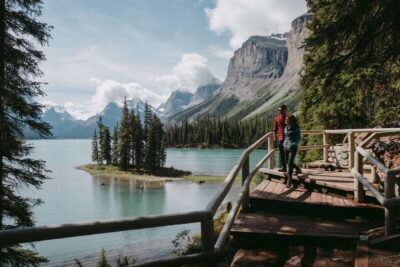
Jasper National Park: Maligne Lake Cruise With Guide
Read our review →
Explore Banff National Park with Our Premium Day Tour
Read our review →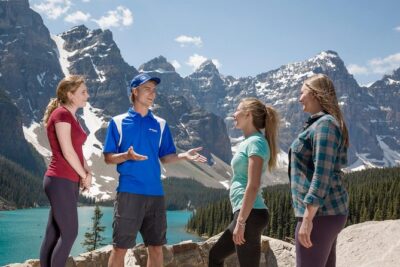
Banff National Park Tour with Lake Louise and Moraine Lake
Read our review →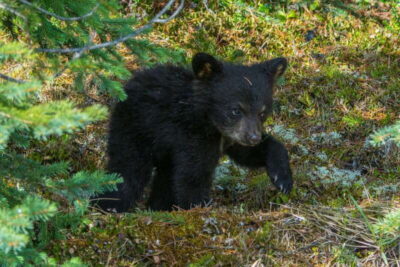
Jasper National Park: Evening or Morning Wildlife Watch Tour
Read our review →
Discover Banff National Park – Premium Day Trip
Read our review →
Banff National Park: 1-Hour Bow River Horseback Ride
Read our review →
Calgary/Canmore: Banff National Park & Lake Louise Day Trip
Read our review →
Jasper National Park Tour: Maligne Valley, Medicine Lake and Spirit Island
Read our review →Browse the lists this tour appears in