
Review · NATIONAL PARKS
From Fez: Middle Atlas Day Trip with Ifrane National Park
The most memorable part of this Middle Atlas day trip is not the polished resort town of Ifrane. It is the simple cup of tea shared inside a traditional cave home, where you get a close look at Amazigh family life far from Fez’s crowded Medina. Add cedar forests, snow in winter, and Barbary macaques, and you get a lot of Morocco in seven hours.
I like the mix of scenery and culture, rather than a day spent only taking photos from a vehicle. I also like the strong value: hotel pickup, transport, fuel, and a driver are included for $17 per person. The main drawback is that this is a full road day with several stops, and lunch is extra. Some roadside restaurants are pleasant, but food quality can vary.
- Tea in a traditional cave home: Meet a local Berber family, learn about their customs, and pay a small €2 entry fee.
- Barbary macaques in cedar forest: Ifrane National Park offers a memorable wildlife stop, with monkeys often close to the road.
- Ifrane’s unusual French character: See the stone lion, tidy streets, and Al Akhawaine University in Morocco’s mountain town.
- Azrou at 4,100 feet: Watch for traditional houses, shepherds, carpenters, and other signs of everyday Amazigh life.
- Drivers make the difference: Othman, Hamza, Momo, Mohamed, Karim, and others are praised for safe driving, clear explanations, and flexible help.
- Weather can change quickly: Snow, rain, and bright sun may all appear in one day, so bring layers, water, and sturdy shoes.
Why this Middle Atlas outing is worth your time
Fez is rewarding but intense. Its Medina gives you narrow lanes, tiled courtyards, leather workshops, food stalls, and plenty of people calling for your attention. This trip gives you seven hours in the open air, with mountain roads, cedar trees, villages, and cooler temperatures.
I see the experience as a good counterpoint to Fez rather than a substitute for it. You will not get a long trek or a quiet stay in the mountains. You will get a neatly packed day of short visits, scenic drives, a forest stop, wildlife, lunch, and one cultural encounter that feels more personal than a standard city tour.
At $17 per person, the value is unusually strong if the vehicle is shared. Hotel pickup and drop-off remove the hassle of arranging a taxi, and fuel is included. Private groups are available if you want more control over the pace, but the price may differ.
The road from Fez to Immouzar
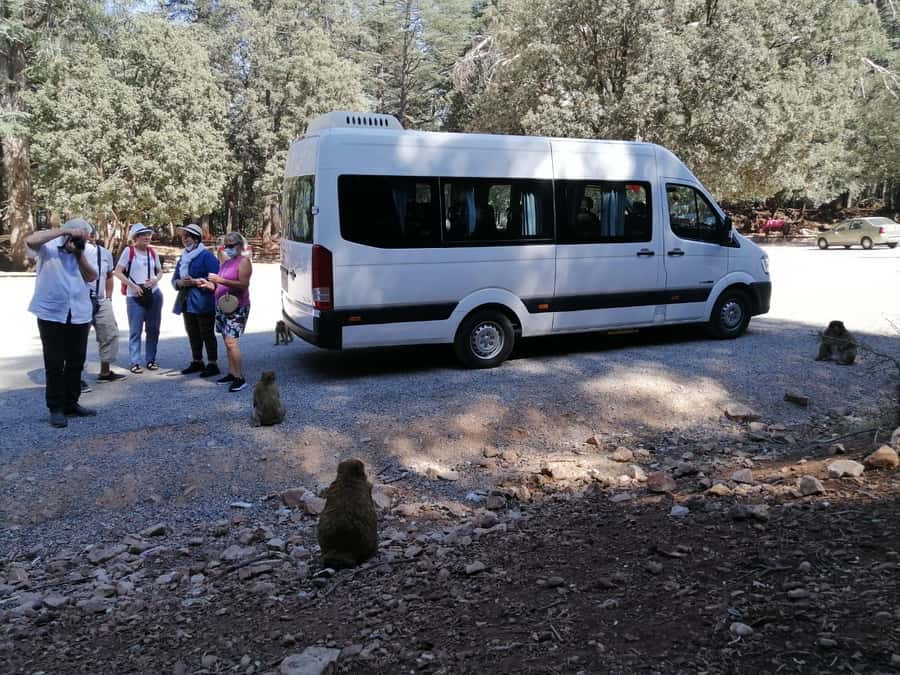
Pickup is arranged at your Fez hotel, with the operator contacting you beforehand to confirm the time and location. If you are staying in or near the Old Medina, pickup may be arranged at a nearby gate or accessible meeting point rather than directly inside the narrowest lanes.
The ride is air-conditioned, and the driver is more than a person behind the wheel. Guides such as Othman, Hamza, Momo, Mohamed, and Karim are repeatedly singled out for calm driving, friendly conversation, and answers to questions about Moroccan life. English, French, and Spanish are offered, though the exact language depends on your assigned driver.
The first major stop is Immouzar, a mountain town linked with local Amazigh traditions and the September Apple Festival. You can expect a short walk through the town and an introduction to the cave homes associated with the local community.
The cave visit is the most distinctive part of the day. You enter a traditional home carved into or built around the rock, meet a local family, and drink Moroccan tea. Music and conversation may be part of the welcome, depending on the arrangement that day.
The entry fee is €2 per person, payable separately. Bring small cash. This is not a grand museum with signs and display cases. Its value comes from seeing how a family space works and listening to an explanation of local customs.
Keep your expectations sensible. The cave is a lived cultural setting, not a staged theme-park attraction, and facilities may be simple. You should also be respectful with photography and ask before taking close pictures of family members.
More National Park Day Trips in the world:
- From Manapouri: Doubtful Sound Wilderness Day Trip
★ 4.8 · 1,621 reviews - Tenerife: Teide National Park Full-Day Tour with Pickup
★ 4.5 · 1,613 reviews - Split: Krka National Park Day Trip with Boat Ride & Swimming
★ 4.6 · 1,321 reviews
Ain Vital and the mountain views
As the road climbs toward Ifrane, the group stops at the hills of Ain Vital for photographs. This is a quick scenic pause, not a full walking excursion, but it breaks up the drive and gives you a chance to see the folds of the Middle Atlas.
I like this kind of stop because it gives the road a purpose. You are not simply being driven from one named attraction to another. The changing elevation, open hills, and mountain air help you understand why Ifrane feels so different from Fez.
The scenery changes with the season. Winter can bring fresh snow and difficult road conditions. One December outing faced heavy snow and a temporary road blockage, yet the driver continued carefully and the group still reached the planned stops. In January, one visitor described seeing several seasons in a single day.
That unpredictability is part of the appeal, but it also affects the experience. Wear layers, bring sunglasses even in winter, and keep water in your daypack. Comfortable shoes matter more than fashionable ones.
Ifrane, Morocco’s French-influenced mountain town
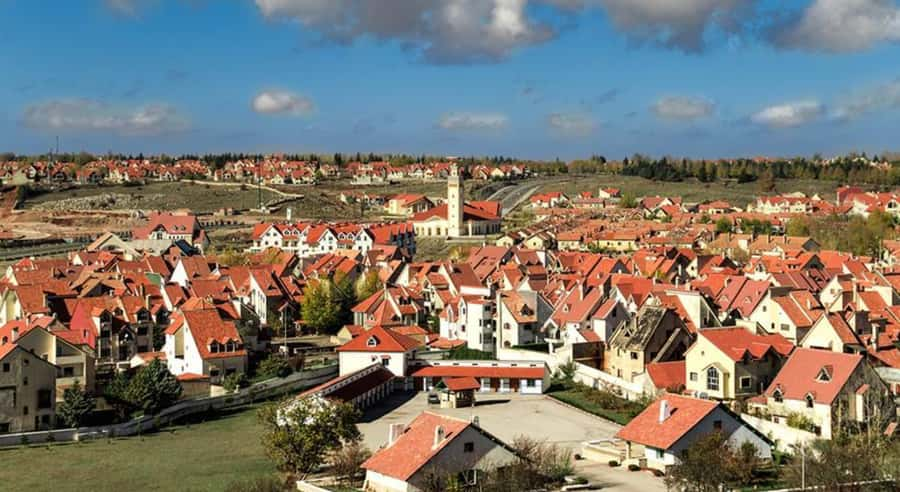
Ifrane is one of the day’s biggest contrasts. Founded in 1930 by French settlers, it has a tidy, European feel that surprises many people who first picture Morocco as desert, souks, and ochre walls.
You will have time to walk along streets lined with French-inspired buildings and see the large stone lion that has become the town’s best-known landmark. Al Akhawaine University is another important point of interest, though the tour is primarily a look at the town rather than an extended campus visit.
Ifrane is sometimes called Morocco’s Switzerland because of its mountain setting, cool climate, and chalet-like appearance. The nickname is easy to understand, especially when snow covers the roofs and streets. Still, do not expect an Alpine resort holiday. The stop is fairly brief, and the town’s charm comes from its contrast with Fez, not from a long list of major sights.
Some outings include optional local activities in the center, such as food, drinks, photographs, or a small train ride. These extras are not part of the fixed inclusions, so ask your driver what is available and what costs more before agreeing.
Barbary macaques in Ifrane National Park
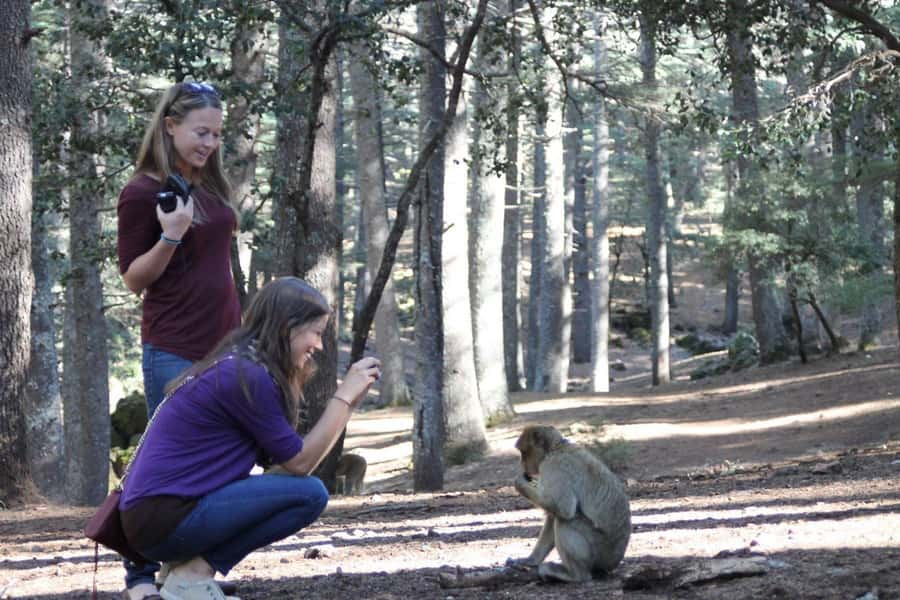
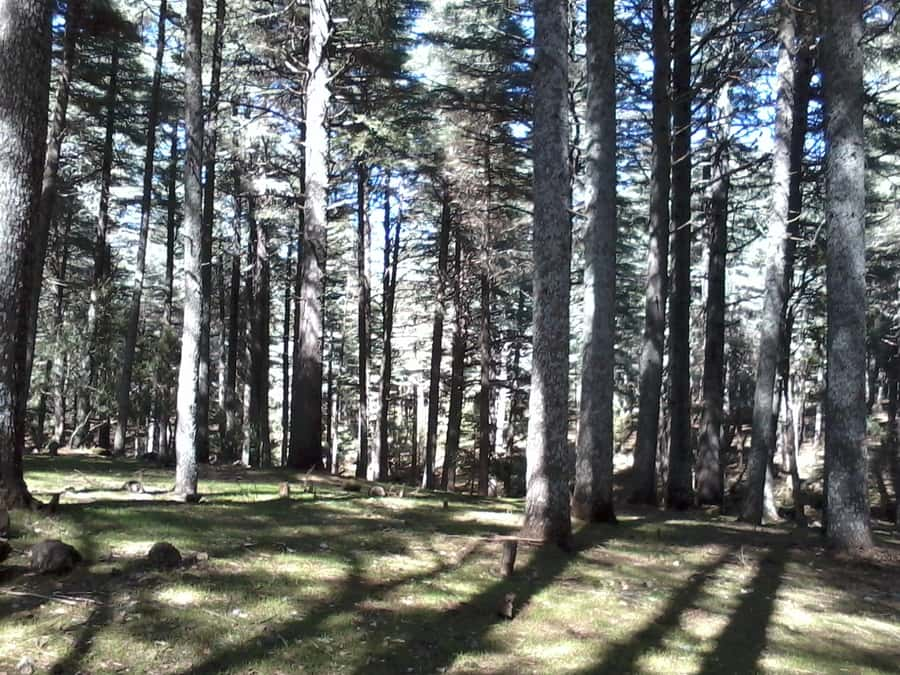
The cedar forest is the natural highlight for many people. The vehicle drives through Ifrane National Park, where endangered Barbary macaques live among the cedar trees.
You may see monkeys close to the road and around the stopping area. In winter, snow can make the sight especially striking. In wet weather, the animals may hide, so patience helps. One driver made an extra effort to locate them during rain, but wildlife never follows a timetable.
The forest itself deserves your attention. Give yourself time to look upward at the cedar branches instead of focusing only on the monkeys. The quiet here is a welcome change after Fez, and some schedules allow about an hour to walk around.
Use common sense around the animals. Food may attract them, but a monkey can snatch it quickly. Keep anything you are not prepared to lose inside your bag, and follow the driver’s advice about approaching or feeding them.
This is not a formal zoo visit. There may not be staff giving a wildlife talk or barriers separating you from the macaques. That makes the encounter feel immediate, but it also means you need to behave carefully and avoid crowding the animals.
More Day Trips in the world:
- From Dresden: Saxon Switzerland National Park Full-Day Trip
★ 4.7 · 931 reviews - Split/Trogir: Krka National Park Day Trip with Wine Tasting
★ 4.7 · 925 reviews - From San Francisco: Day Trip to Yosemite National Park
★ 4.5 · 883 reviews - Day Trip to Saranda and Butrint National Park from Corfu
★ 4.2 · 847 reviews
Lunch near Azrou and what it costs
Lunch is not included, so plan to pay separately. The group usually stops at a small roadside restaurant or a local eatery in or near Azrou.
Food experiences vary. Some visitors have had fresh, satisfying tagine, including a Berber version with spices different from the standard dishes served in tourist restaurants. Others found the restaurant service quick but the food less impressive. Your driver can suggest a place, and guides such as Smail and Soufiane have been praised for finding reasonably priced local meals.
Ask about the menu and prices before ordering. Cash is the safest choice, since cash is specifically recommended for the trip. If you are tired of tagine after several days in Morocco, ask what else is available rather than assuming the lunch stop will offer a wide menu.
The meal stop is practical rather than luxurious. It gives you a break, a chance to warm up in winter, and time to eat before the final cultural visit.
Azrou and everyday Amazigh traditions
Azrou sits at about 4,100 feet in the Middle Atlas and is described as a traditional Berber village. Here, the experience shifts from scenery to daily work and local customs.
You may pass men tending flocks, grinding flour, or working in carpentry. Traditional houses and village streets offer a more ordinary view of mountain life than the polished center of Ifrane.
This is where a good driver-guide adds real value. Othman, Mohamed, Momo, and several others are praised for explaining what you are seeing without turning every stop into a lecture. If you are curious, ask about shepherding, local trades, Amazigh identity, or the differences between Fez and the mountain communities.
Do not expect a long, formal walking tour of Azrou. The stop is best understood as a short introduction. You will see signs of village life and hear context from the driver, but the schedule has to keep moving to fit the forest, lunch, Ifrane, and the cave into seven hours.
A final tea inside the cave home
The cave-house visit is often described as the emotional high point because it brings the day down to human scale. After the roads, viewpoints, town streets, and monkeys, you sit with a local family and drink hot Moroccan tea.
The tea matters less as a drink than as a social ritual. You have space to ask questions, hear about Amazigh traditions, and notice how a family home differs from the riads and hotels used by visitors in Fez.
Depending on the day, music may be part of the welcome. The experience is simple, and that is precisely why it works. You are not being shown a palace or a famous monument. You are being invited into a home connected with the history of the local community.
The €2 fee is not a serious cost, but you should know about it before booking. Keep some Moroccan dirhams or euros available so you are not searching for change at the end of a long day.
Transport, timing, and the pace of seven hours
Seven hours sounds generous, but the route covers several places. You will spend a fair amount of time in the vehicle, especially on mountain roads, so this is not the right choice if you want one slow village walk.
The upside is variety. You get mountains, forest, wildlife, architecture, food, and a family visit in one outing. The downside is that most stops are introductions rather than deep visits.
Past vehicles have generally been described as comfortable, air-conditioned, and well maintained. One person found the bus seats a little small, while another praised the car’s comfort after a vehicle change. A rare breakdown was handled by sending another car and driver, but it is still a reminder that road trips can have small surprises.
The drivers receive especially warm praise for safe handling in snow and rain. That matters on the Middle Atlas roads, where weather can change quickly. Guides have also helped adjust the day, locate monkeys, recommend lunch, and give visitors enough time at each stop.
A private group is available if you want a more personal schedule. The standard experience is better for solo visitors, couples, and small groups who prefer an affordable shared outing.
What to pack for the Middle Atlas
Bring comfortable walking shoes, sunglasses, water, cash, and a small daypack. Add warm layers from late autumn through early spring, when snow is possible in Ifrane and the forest.
A light jacket is still useful outside winter because mountain temperatures can be cooler than in Fez. If you plan to take photographs, keep your phone or camera protected from sudden rain or snow.
You do not need specialist hiking equipment. The day includes walks and outdoor stops, but it is not described as a strenuous mountain trek.
Who should book this day trip
I recommend it if you want a change of pace from Fez and like having several types of experience in one day. It is especially suitable for first-time visitors who want to see the cedar forest, Ifrane, and Azrou without arranging separate transport.
Families may enjoy the monkeys and the stone lion, while solo visitors benefit from included pickup and a ready-made route. History and architecture fans will appreciate Ifrane’s French influence, and anyone curious about Amazigh culture will find the cave visit more meaningful than a quick photo stop.
I would think twice if you dislike road travel, want a long hike, or need complete control over meal choices and timing. The program is busy, and the cave, lunch, and optional center activities may involve extra costs.
Should you book the Fez Middle Atlas tour?
Book it if you want excellent value and wide variety for a single day. The combination of Barbary macaques, cedar forest, snowy Ifrane, Azrou, and tea in a traditional cave home gives you a broader view of Morocco than another day inside the Fez Medina.
The most important factor is your assigned driver. Othman, Hamza, Momo, Mohamed, Karim, and others have been praised for friendly explanations and careful driving. Confirm your pickup location and language in advance, carry cash for lunch and the €2 cave entry, and prepare for changing weather.
For $17, this is an easy recommendation for a flexible visitor who wants mountain scenery and local contact without paying for a private full-day car. Just treat it as a varied road trip, not a slow cultural retreat.
FAQ
How long does the Middle Atlas day trip from Fez last?
The tour lasts seven hours, including transport between Fez and the Middle Atlas stops.
Is hotel pickup and drop-off included?
Yes. Pickup and drop-off at your Fez accommodation are included, and the operator contacts you before the outing to confirm the location and time.
What languages can the driver speak?
Drivers are available in English, French, and Spanish. The exact language depends on the driver assigned to your booking.
Is lunch included?
No. Food and drinks are not included, so bring cash for the lunch stop.
How much does the cave visit cost?
The cave entry fee is €2 per person and is not included in the tour price.
Can I see monkeys on the trip?
The route includes Ifrane National Park and its cedar forest, where Barbary macaques live. Sightings are common, but animals may hide in rain or other poor weather.
Is the tour available as a private group?
Yes. A private group option is available.
Is the activity wheelchair accessible?
The activity is listed as wheelchair accessible. You should still confirm the practical details of the cave visit and walking stops when booking.
Just added for the parks around the world
- Stone Town: Jozani Chwaka Bay National Park Half-Day Tour★ 4.7 · 5 reviews
- Stockholm: Dog Walk in Nature Reserve with Swedish Fika★ 5.0 · 3 reviews
- Stockholm: Sunset Hike in Tyresta National Park with Meal★ 4.8 · 126 reviews
- Stockholm: Self Guided Kayak Adventure in Nature Reserve★ 5.0 · 69 reviews
- Stewart Island: Guided Wilderness Walk★ 5.0 · 10 reviews
- Stewart Island: Ulva Island Guided Wilderness Walk & Cruise★ 4.5 · 165 reviews
- Wasgamuwa: Wasgamuwa National Park Private 3-Hour Safari★ 4.9 · 10 reviews
- Sri Lanka: Yala National Park Private Safari★ 3.2 · 5 reviews