
Review · UDAWALAWE NATIONAL PARK
From Mirissa/Galle/Hikkaduwa: Udawalawa National Park Safari
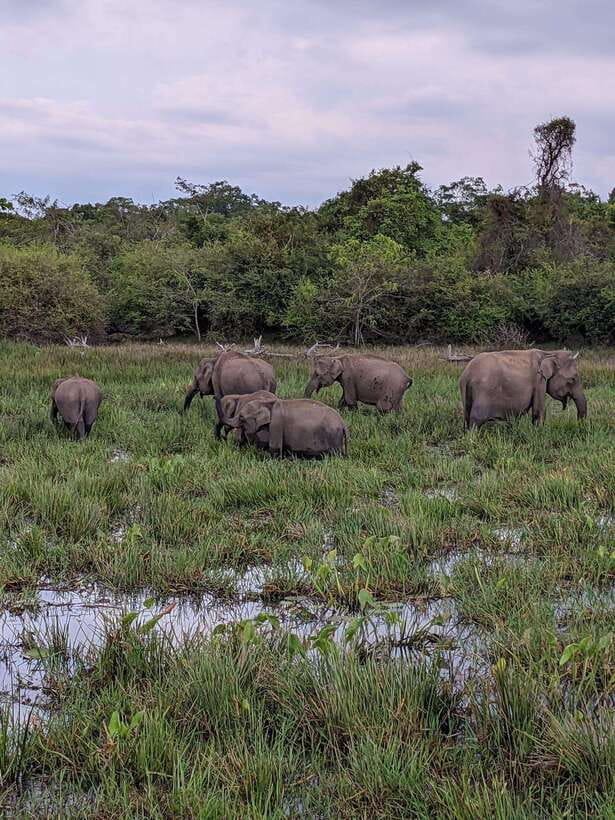
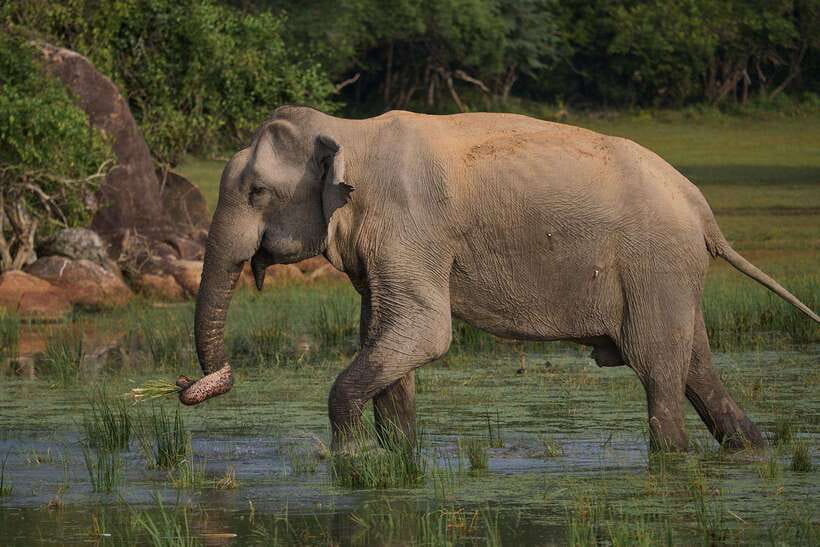
Udawalawe is the place to come for elephants in the wild. Herds often graze near the jeep roads, and you may see adults with calves, elephants wading in water, or one appearing from thick scrub just minutes after entering the park. The separate Elephant Transit Home adds a worthwhile conservation stop, with young elephants fed at set times.
I like the easy hotel pickup and the skilled safari drivers who take time with sightings instead of rushing past them. I also like the practical route choices, with pickup and drop-off available from Galle, Mirissa, Hikkaduwa, Matara, Tangalle, Ella, and several smaller coastal towns. The main drawback is the long road journey from some towns, plus a park entry fee of about $37 per adult on top of the $27 tour price.
Key points to know before you book
- Elephants are the main event: Udawalawe is especially good for seeing herds, including families with young calves.
- The safari lasts about three hours: You ride in a customized 4×4 jeep with an English-speaking guide and driver.
- The Elephant Transit Home has fixed feeding times: Visits are scheduled at 10:30 AM, 2:30 PM, or 6:00 PM.
- Transport is included: An air-conditioned vehicle collects you from selected hotels and returns you afterward.
- The real cost is higher than $27: Add roughly $37 for each adult park ticket, plus food and drinks.
- The day can be long: From Galle or other distant pickup points, the return journey may take most of the day.
Why Udawalawe works so well for an elephant safari
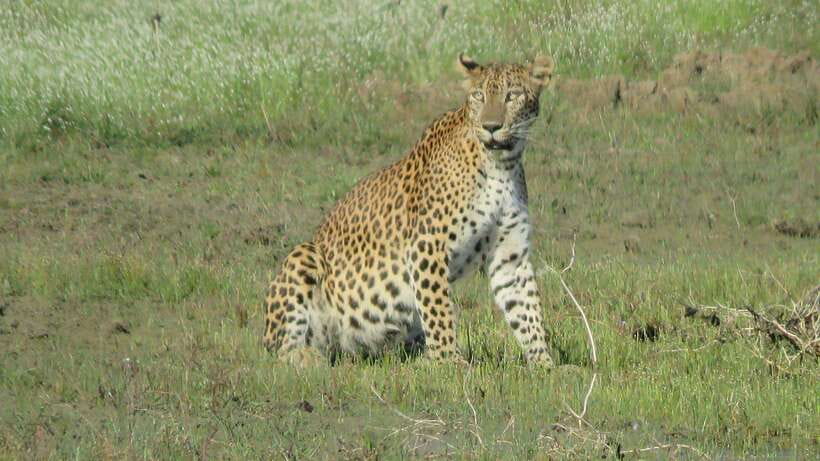
Udawalawe National Park is a strong choice if your first priority is seeing elephants rather than chasing a rare leopard. The park’s open areas, water sources, and scrub make animal spotting easier than in heavily wooded reserves. You still might see leopards, but no safari can promise one.
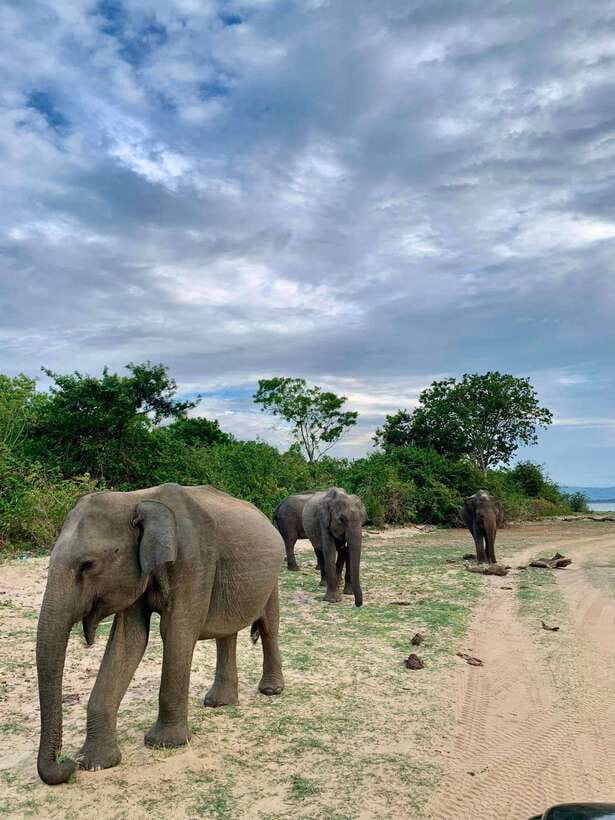
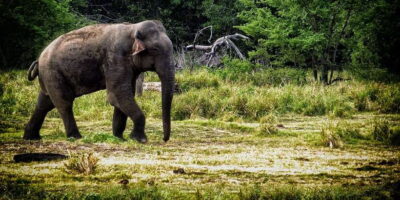
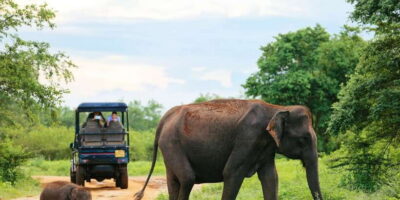
The most common big sight is the Asian elephant. You may see a single animal feeding beside the track, then come across a whole family group farther on. Several visitors had especially close views of elephants with babies, and one safari included an elephant swimming. These moments are memorable because the animals are living normally, not performing for a crowd.
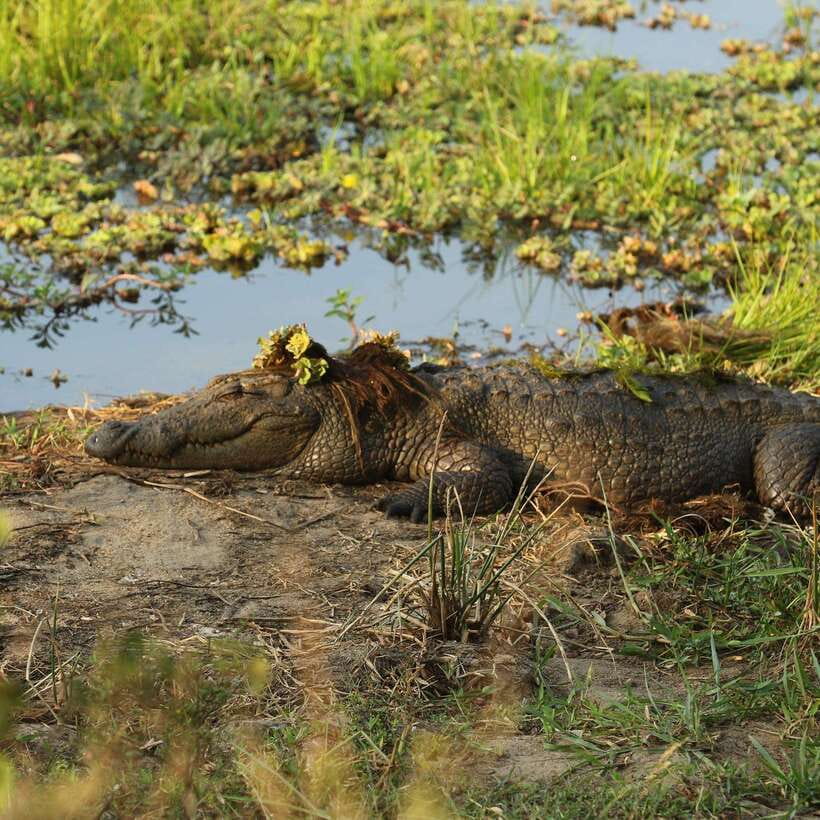
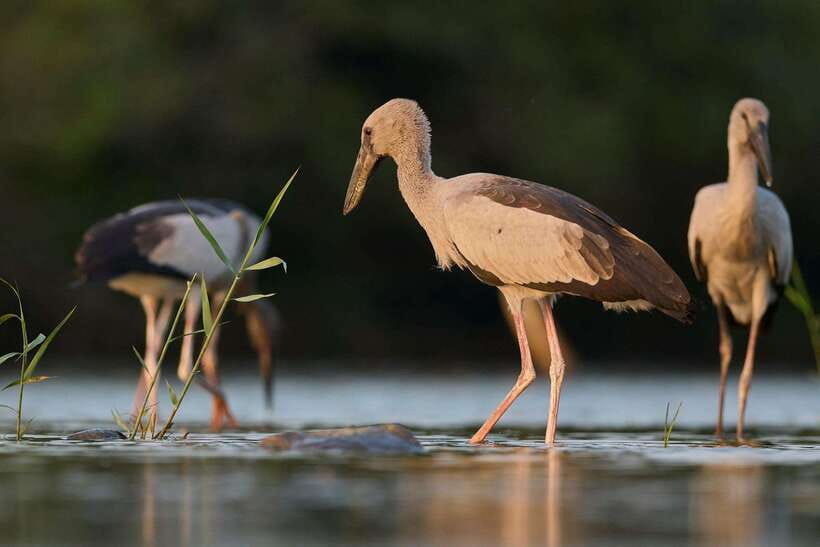
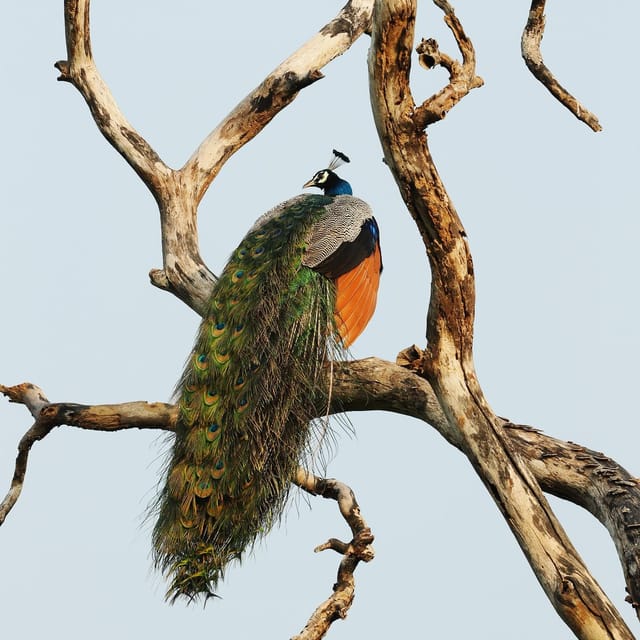
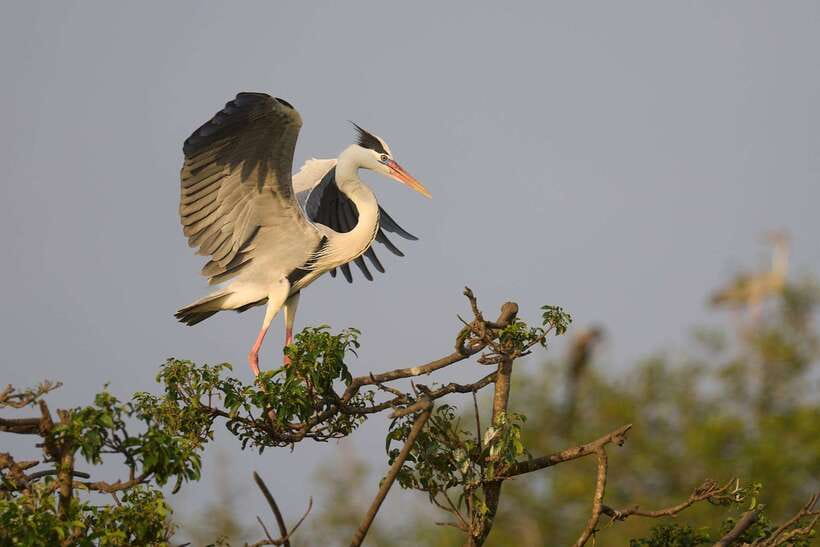
The park also holds water buffalo, crocodiles, deer, monkeys, monitor lizards, turtles, peacocks, eagles, chameleons, and many smaller birds. A good guide makes a real difference here. An animal sitting in reeds or a bird high in a tree is easy to miss when you are looking only for elephants.
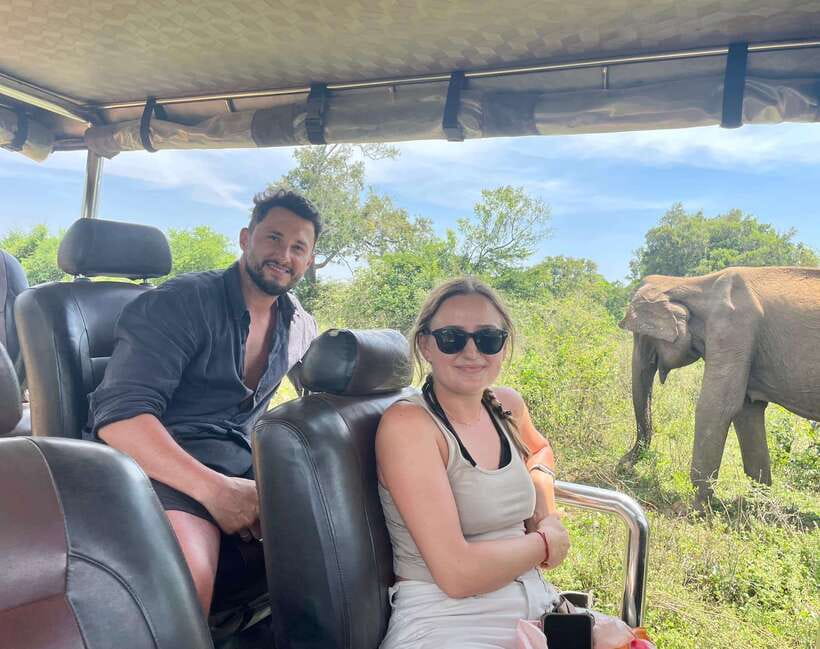
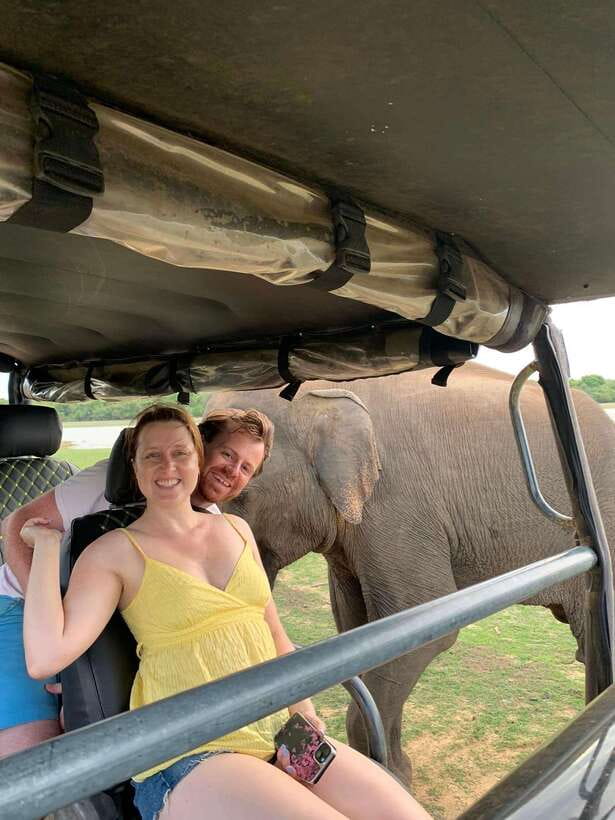
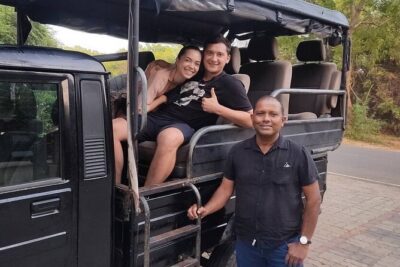
The tour uses a customized 4×4 safari jeep, giving you a raised view and open sides for photographs. That is useful, but remember that a jeep is still a working safari vehicle. Getting in and out can be awkward for some people, and the ride may feel bumpy on rough tracks.
More National Park Safaris in Sri Lanka
- Yala National Park Safari Tours: Morning/Evening/Full Day
★ 4.8 · 818 reviews - Udawalawe National Park: Elephant Safari with Expert Guide
★ 4.9 · 641 reviews - Full day Safari – Yala National Park – 04.30 am to 06.00 pm with – Janaka safari
★ 5.0 · 603 reviews
The road from Galle, Mirissa, or Hikkaduwa
Your day begins with pickup from a hotel or agreed location. Available towns include Galle, Mirissa, Hikkaduwa, Matara, Weligama, Ahangama, Talpe, Unawatuna, Dikwella, Tangalle, Udawalawe, Thanamalwila, Tissamaharama, and Ella.
The first section is by air-conditioned car or van, not the open safari jeep. That distinction matters. You can travel with more comfort on the main road, and the vehicle is also useful if you are moving between hotels. One booking even involved pickup in Mirissa and drop-off in Ella, with luggage kept safely in the car during the safari.
The drive from the coast is the main time commitment. A guest based in Galle described the return trip as about four hours of driving, while another day from a distant pickup point lasted close to 12 hours. The advertised activity time is 5 to 9 hours, but you should allow extra time if you are starting far from Udawalawe or ending in another town.
Pickups are usually arranged in advance, often with WhatsApp contact. The operator may send the vehicle details and confirm the timing, which is helpful when you are waiting beside a busy hotel entrance. Be ready in the lobby about 10 minutes before the scheduled pickup.
The early start is not just a scheduling nuisance. Morning is a useful time to reach the park, when animals may be active and the air is cooler. Ask about the recommended start time when you book, especially if you are staying in Mirissa, Galle, or Hikkaduwa.
Three hours inside Udawalawe National Park
At the park, you change from the road vehicle to the safari jeep and meet the guide. The safari itself is listed at about three hours, with time for scenic drives, animal sightings, photographs, and stops.
The guide’s main job is not simply to drive. You want someone who can spot movement in bushes, read the behavior of animals, and point out birds that are easy to overlook. On this trip, guides have helped identify animals from a distance, carried binoculars, and waited while people took photographs instead of forcing them to move on.
That relaxed pace is important. A sighting can last seconds, or it can stretch into several minutes while an elephant feeds, a crocodile rests in a lake, or a troop of monkeys moves through the trees. You get more from the experience when the driver stops at a safe distance and gives you time to watch.
The safari route may include open ground, water, scrub, and wooded sections. You can expect changing scenery rather than one fixed view. The park is especially appealing to people who enjoy looking for smaller details, such as a chameleon or a bird of prey, as well as those who want the drama of large animals.
Several visitors saw elephants within minutes of entering the park. That does not mean every outing will begin so quickly, but it shows why a good spotter matters. The guide may notice an elephant partly hidden in brush before you do.
You should keep your expectations sensible. Sightings are not guaranteed, and animal movement cannot be controlled. The tour’s strongest promise is access to a productive wildlife area and a guide who helps you make the most of the time, not a fixed list of species.
The Elephant Transit Home and its feeding schedule
After the park, the tour visits the Elephant Transit Home, a rehabilitation center for young elephants that have been orphaned or injured. The aim is to care for these animals and prepare them for a return to the wild.
This stop has a different character from the safari. In the park, you watch wild animals on their own terms. At the transit home, you see a managed care program, including feeding and the daily work involved in raising young elephants until they can cope without human care.
The feeding times are 10:30 AM, 2:30 PM, and 6:00 PM. Your exact safari and transport schedule needs to fit one of these windows, so confirm the timing before you set off. If you miss a feeding session, the stop may not have the same appeal.
The young elephants can be playful and entertaining, but the deeper value is educational. You see the practical side of conservation rather than only the postcard image of an elephant. It also gives you a chance to think about the difference between observing wildlife in a protected park and watching animals receive temporary human care.
I would treat this as a supporting part of the day, not the sole reason to book. The safari is the main wildlife experience. The transit home adds context and a close look at rehabilitation efforts.
More Udawalawe National Park Safaris in Sri Lanka:
- Udawalawe National Park Safari trip from Galle/Mirissa/Ella
★ 5.0 · 33 reviews - Udawalawa National Park half day Safari
★ 5.0 · 32 reviews - From Ella: All Inclusive Udawalawe National Park Safari
★ 4.8 · 19 reviews - Udawalawe National Park Safari from Weligama
★ 5.0 · 14 reviews
What the $27 price really covers
The advertised price is $27 per person, which covers the main transport service, the safari arrangement, the guide or driver, and pickup and drop-off. For a private or small-party day with long-distance transfers, that is a reasonable base price.
The important catch is the national park admission. Entry is not included and costs about $37 per adult. That makes the basic adult total roughly $64 before food and drinks, assuming the stated park fee applies to your visit.
Do not compare this with a $27 sightseeing tour. Compare it with the total cost of arranging a car to Udawalawe, organizing a jeep, finding a guide, paying park admission, and returning to your hotel. The value comes from having those moving parts arranged for you.
Food and drinks are also not included. Bring water and snacks, especially if you are starting on the coast or continuing to Ella afterward. One long outing was specifically described as easier with supplies packed for the morning.
The price is best for people who value convenience and want a full wildlife day without arranging separate transfers. It is less attractive if you are already staying beside the park and can hire a local jeep directly.
Comfort, timing, and the small practical drawbacks
The air-conditioned road vehicle is one of the strongest practical features. Coastal heat, early departures, and a long return drive are easier in a clean car or van than in an open tuk-tuk. Drivers have generally been punctual and careful, which matters when the day includes several handovers.
At Udawalawe, the safari jeep gives you a good view, but access can be high and slightly difficult. If you have back trouble, limited mobility, or are pregnant, this activity is not recommended. The supplied guidance also asks you to bring a passport or ID card and prohibits alcohol and drugs.
The service is not perfectly uniform. One complaint concerned a transfer driver who coughed, used the phone, and burped during the ride. That was separate from the safari guide, who was described as professional, but it is a reminder that the road transfer and the wildlife portion may involve different people.
The park can also become crowded around a popular sighting. One outing felt busier because many jeeps gathered around the same animals. A shared jeep can reduce the number of vehicles, but this arrangement may give you less control over how long you stay at a sighting. Ask how the jeep is organized if avoiding crowds matters to you.
For photography, bring a phone or camera with a zoom if you have one. Guides may carry binoculars, but you should not rely on that for every person in the vehicle. Keep a little patience in reserve. The best view may come after several ordinary minutes of driving.
The guides make the difference
The safari guide is the person who shapes the day. A strong guide spots wildlife early, explains what you are seeing, drives with care, and gives you time to observe. Several guides have been praised for bird knowledge as well as their ability to find elephants, crocodiles, buffalo, deer, and reptiles.
That range matters. If you only want elephants, a basic driver may be enough. If you want to understand the park, look for a guide who talks about birds, animal behavior, and the setting around you.
The guide may also help with park entry arrangements, which can make arrival less confusing. Transfer drivers and safari guides are separate roles, so do not expect the person who picks you up at the coast to lead the safari.
The operator is Wanderluxe Ceylon. Contact before the trip is useful for confirming the pickup, vehicle, safari start, and Elephant Transit Home feeding time. Anupa was specifically helpful with last-minute arrangements and suggestions about start times, though no regular safari guide name is provided.
Who should book this day
I would recommend this experience to you if:
- You are staying in Galle, Mirissa, Hikkaduwa, Matara, Tangalle, Ella, or another listed town and want door-to-door transport.
- You especially want to see elephants in a national park.
- You like having a guide point out birds and smaller animals.
- You want to combine a wild safari with a conservation visit.
- You are comfortable with an early start and a potentially long day in the car.
It may not suit you if you dislike long road transfers, have back problems, are pregnant, or want a quiet park with very few jeeps. It is also not the right choice if your budget cannot stretch beyond the headline price once park admission is added.
Families may appreciate the elephants and the transit home, but the bumpy jeep ride and long transfer require realistic planning. Young children may find the waiting between sightings tiring, while older children with an interest in animals may get a lot from the guide’s explanations.
Should you book the Udawalawe safari?
I would book this tour if elephants are high on your Sri Lanka wish list and you are based on the southern coast. The strongest combination is the simple pickup, the chance to see elephant families in the wild, the careful pacing of the safari, and the feeding visit at the Elephant Transit Home.
Go in knowing the full cost, pack water and snacks, and allow more time than the shortest advertised duration if you are coming from Galle, Mirissa, or Hikkaduwa. Ask about the feeding slot and the pickup time before you pay.
If you are already near Udawalawe, compare the total price with a local safari arrangement. If you are farther away and value a safe, organized transfer, this package saves effort. For an elephant-focused day with a helpful English-speaking guide, it is a strong choice, provided you can accept the road time and the possibility of crowded sightings.
FAQ
How long does the Udawalawe safari activity last?
The stated duration is 5 to 9 hours. The actual day can be longer from distant pickup towns, especially Galle, Mirissa, Hikkaduwa, or Ella. One reported outing lasted nearly 12 hours.
What is included in the price?
The price includes pickup and drop-off, air-conditioned road transport, the safari arrangement, and an experienced English-speaking guide or driver.
Is the national park entry fee included?
No. Park entry is separate and costs about $37 per adult.
What animals might I see at Udawalawe?
You might see elephants, water buffalo, crocodiles, deer, monkeys, monitor lizards, turtles, peacocks, eagles, chameleons, and other birds. Leopards are also present in the park, but sightings are not guaranteed.
When can I visit the Elephant Transit Home?
The feeding and visiting times are 10:30 AM, 2:30 PM, and 6:00 PM. Your safari schedule should be arranged around one of these times.
Which locations offer pickup and drop-off?
Pickup and drop-off are available from Galle, Mirissa, Hikkaduwa, Matara, Tangalle, Ella, Weligama, Ahangama, Talpe, Unawatuna, Dikwella, Udawalawe, Thanamalwila, and Tissamaharama.
What should I bring?
Bring your passport or ID card, water, snacks, and a camera or phone. The activity is not suitable for pregnant women or people with back problems, and alcohol and drugs are not allowed.
Just added for the parks around Sri Lanka
- Wasgamuwa: Wasgamuwa National Park Private 3-Hour Safari★ 4.9 · 10 reviews
- Sri Lanka: Yala National Park Private Safari★ 3.2 · 5 reviews
- Sigiriya Lion Rock Hike & Minneriya National Park Safari★ 4.8 · 55 reviews
- Sigiriya Rock Hike & Minneriya Elephant Safari – Day Tour★ 4.3 · 15 reviews
- Minneriya National Park: Halfday Jeep Safari with Wild Tours★ 5.0 · 2 reviews
- Minneriya National Park Safari★ 5.0 · 2 reviews
- Minneriya: Minneriya National Park Private Safari★ 4.8 · 95 reviews
- Minneriya National Park Wild Elephant Safari – Private★ 4.8 · 27 reviews
Udawalawe National Park Safaris, compared.
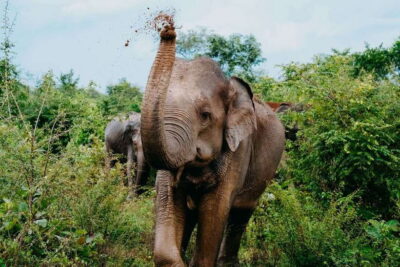
Udawalawe National Park: Elephant Safari with Expert Guide
Read our review →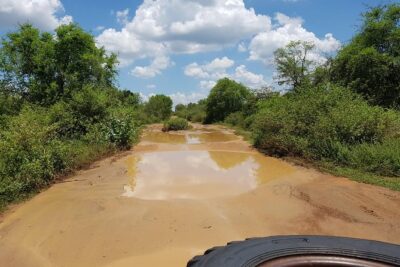
Udawalawe National Park Safari trip from Galle/Mirissa/Ella
Read our review →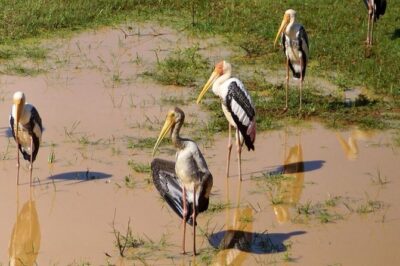
From Ella: All Inclusive Udawalawe National Park Safari
Read our review →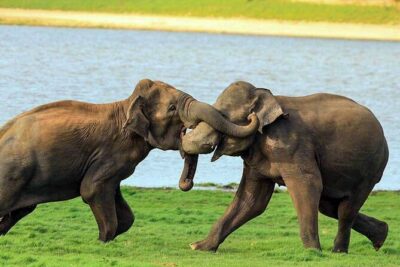
Explore The Beauty Of Udawalawe National Park From South Coast During 01 Day
Read our review →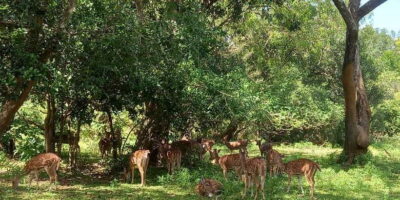
All inclussive Udawalawa National Park Safari From Colombo
Read our review →Browse the lists this tour appears in