
Review · HOBART
Hobart: Mt Field National Park & Wildlife Shore Excursion
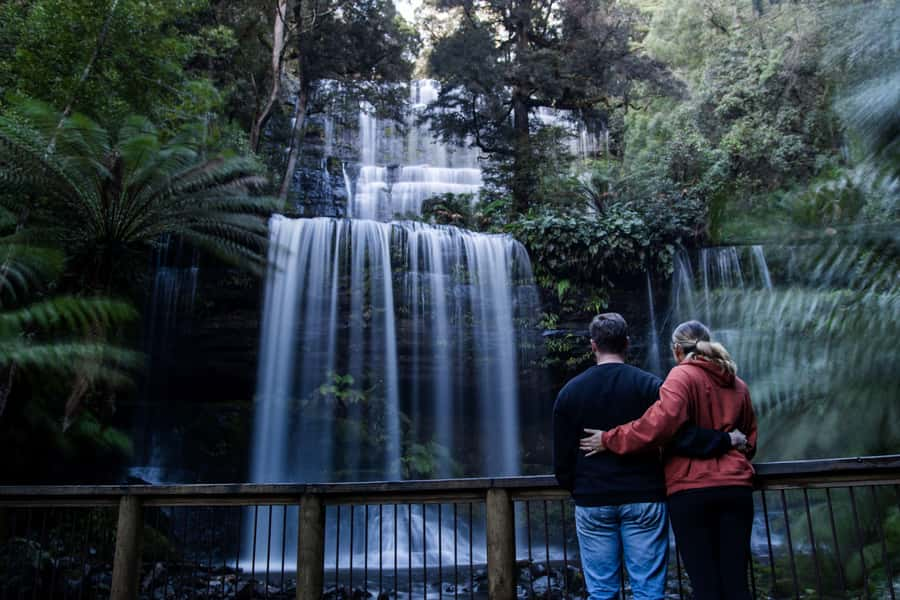
Mount Field National Park gives you a fine two-part taste of Tasmania in one day: cool rainforest and waterfalls first, native wildlife later. The easy walk to Russell Falls and Horseshoe Falls is the star, while the Tall Trees Trail adds a glimpse of trees reaching more than 80 meters high.
I like the efficient cruise-port timing and the small-group format. I also like that the $130 price includes both Mount Field and Bonorong admissions, along with guided walks. The main drawback is pace: you cover a lot of ground in seven hours, and one guide, Trevor, kept the group moving quickly. Bonorong may feel short if wildlife is your main reason for booking.
Key points to know before you book
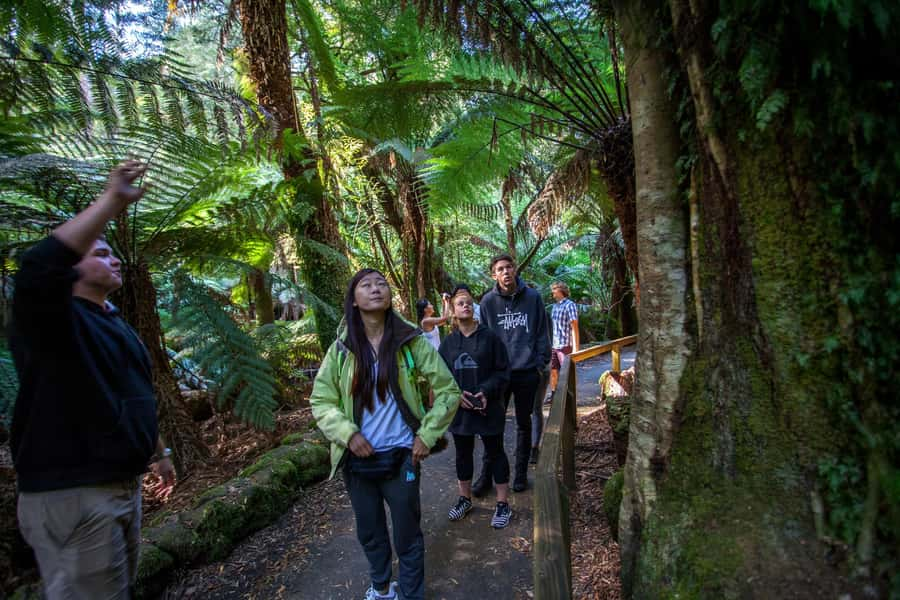
- Russell Falls and Horseshoe Falls: Follow an easy rainforest walk through ferns, streams, and shady woodland to two of Mount Field’s best-known waterfalls.
- Swamp gums over 80 meters high: The Tall Trees Trail adds a striking look at Tasmania’s giant eucalyptus trees.
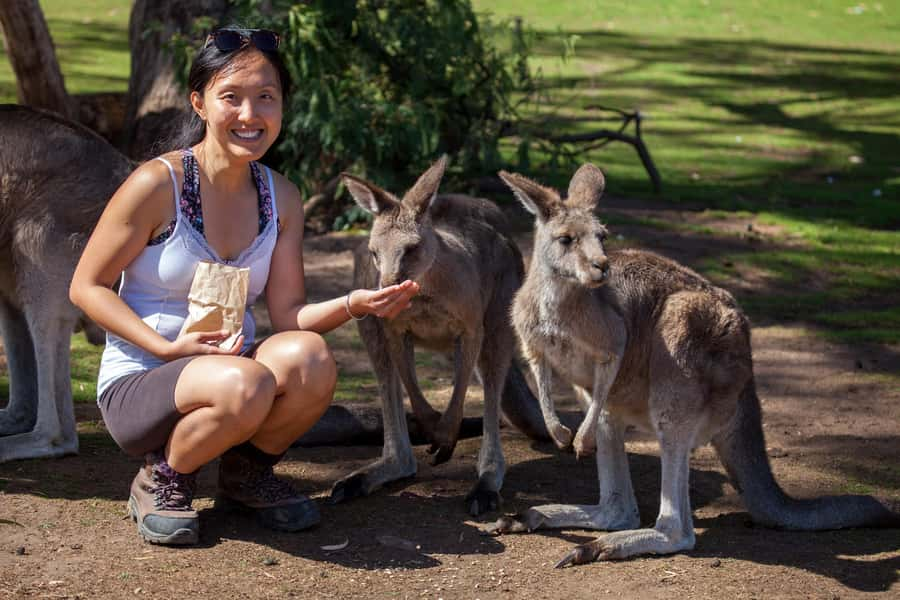
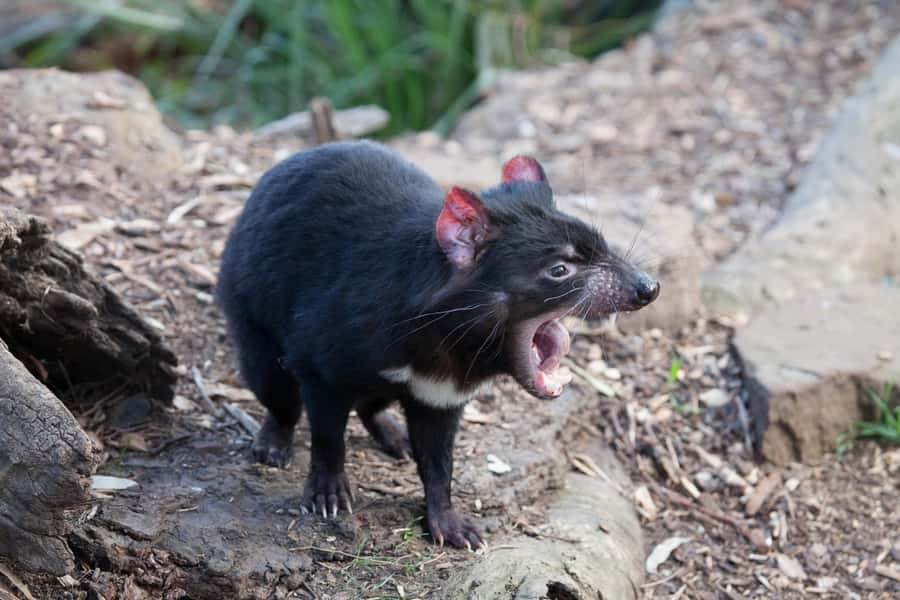
- Bonorong after the forest: Hand-feed wallabies, meet wombats, and watch a Tasmanian Devil feeding show.
- Built for cruise schedules: Meet at 20 Davey Street, about a five-minute walk from the Hobart Cruise Terminal, with a return around 4 p.m.
- Lunch is not included: You can buy a bakery-style takeaway lunch, or bring snacks and water for the picnic stop.
- Best for active adults and older children: The tour is not suitable for children under six, wheelchair users, or people with mobility impairments.
Why this Hobart shore excursion works
Hobart is pleasant to explore on foot, but the best-known natural sights lie beyond the city. Mount Field National Park is about 1.5 hours away, which makes independent transport awkward during a cruise stop. This tour solves that problem with a full-day outing timed around ship arrivals and departures.
You spend the morning among rainforest, falls, and giant trees. The afternoon shifts to close-up wildlife at Bonorong. That change of scene keeps the day interesting and gives you more than a quick look at one attraction.
The experience costs $130 per person. That is not the cheapest way to see the area, but the price includes Mount Field National Park admission, Bonorong Wildlife Sanctuary admission, guided walks, and a professional guide. For a cruise passenger, the value also comes from having the return arranged around the ship timetable.
The tour is described as small group and active, though no exact group size is given. You should expect a more personal setting than a large coach outing, but still plan for a shared schedule. This is not a private tour where you can set every stop to your own pace.
More Wildlife and Elephant Encounters in Australia
- Kakadu Wildlife Escape Fogg Dam or Crocodile Cruise from Darwin
★ 4.5 · 295 reviews - Darwin: Kakadu National Park & Wildlife Full Day Tour
★ 4.5 · 200 reviews - Kakadu National Park Wildlife & Ubirr Rock Art Tour from Darwin
★ 4.5 · 101 reviews
Meeting at 20 Davey Street
The meeting point is the Tasmanian Travel and Information Centre at 20 Davey Street. From the Cruise Terminal, it is a short and easy walk of about five minutes. That makes the start less stressful than meeting somewhere across Hobart or arranging a separate taxi.
Most cruise ships suit an 8:45 a.m. meeting time for a 9 a.m. departure. You need to allow time to leave the ship, clear any required procedures, and walk to the meeting point. One serious complaint involved a delayed immigration process and a missed departure, so do not cut this part close. If your ship arrival is late or border processing is delayed, contact the operator as soon as possible, but understand that a shore excursion cannot hold the whole group indefinitely.
The usual return is around 4 p.m. That timing is designed for cruise passengers, but you should still confirm the schedule against your ship’s departure time before booking. The operator is Tours Tasmania, and the live guiding is in English.
The drive to New Norfolk
The first scheduled stop is New Norfolk, where you get about 15 minutes for a break. Think of this as a practical pause rather than a major sightseeing stop. It gives you a chance to stretch your legs, use facilities, and buy something for the day if needed.
Food and drinks are not included. You have a chance to purchase a bakery-style takeaway lunch along the way, with lunch eaten in the relaxed setting of the Mount Field picnic area. I would bring a water bottle and a small snack even if you plan to buy lunch. Seven hours of walking and driving is much easier when you are not waiting for the next food stop.
Russell Falls and Horseshoe Falls in Mount Field
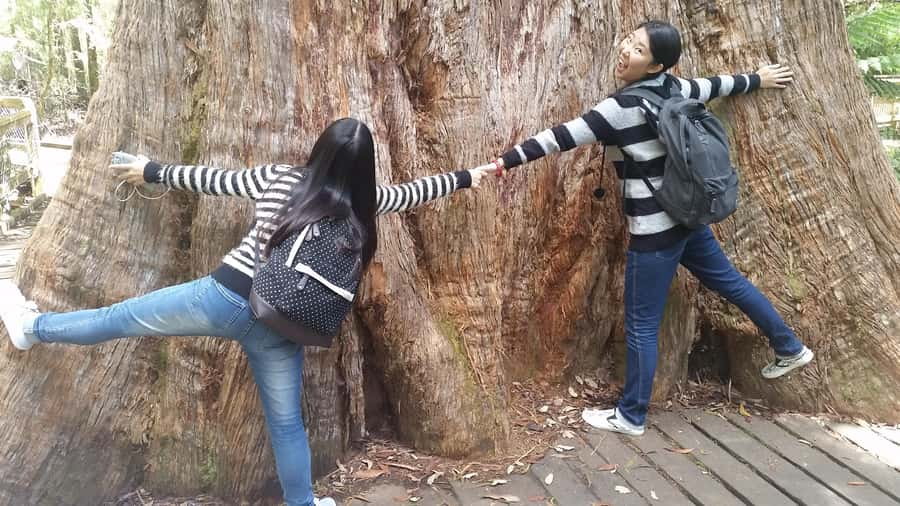
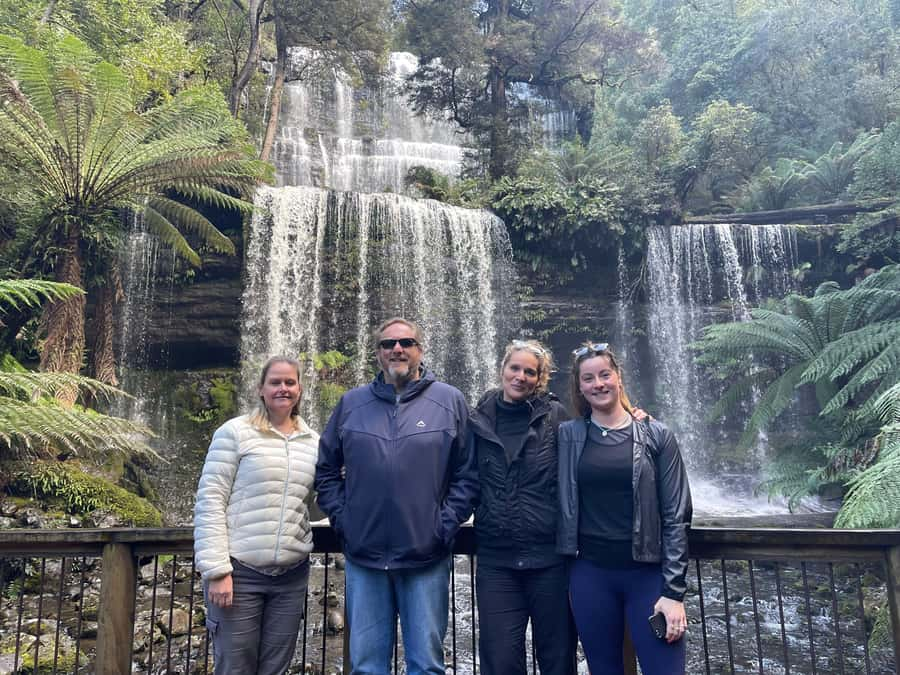
Mount Field National Park is one of Tasmania’s oldest national parks, and the first major walk takes you into its temperate rainforest. The route follows a quiet stream toward Russell Falls, with ferns and filtered light adding to the sense of calm.
Russell Falls drops in three clear tiers over rock. It is the most famous sight in the park, and for good reason. The walk is described as easy, but you still need comfortable shoes. Wet conditions can make forest paths slick, and the tour advises you to prepare for changing weather.
From Russell Falls, the walk continues toward Horseshoe Falls. This waterfall is smaller and more enclosed, with a quieter feel than the main attraction. The two falls work well together: Russell provides the classic view, while Horseshoe gives you more time among ferns and trees without the same sense of arriving at a single photo stop.
The guided walk lasts about three hours in total. That time includes the park’s main sights and the Tall Trees Trail, not just the walk to the falls. Your guide can help point out features you might miss on your own and adjust the length of individual sections when the group allows. One highly praised guide, described as flexible about the length of each part of the day, shows how useful that can be.
Do not expect a demanding mountain hike. The appeal here is the setting, not a strenuous climb. Still, the tour is not suitable for people with mobility impairments or wheelchair users, and you need to be comfortable walking on outdoor paths for several hours.
Same parks, a different way to see them:
- Litchfield National Park and Jumping Crocodile Cruise
★ 5.0 · 2,119 reviews - Grampians National Park Small-Group Eco Tour from Melbourne
★ 5.0 · 761 reviews - From Port Arthur: Tasman Island Wilderness Cruise
★ 4.9 · 704 reviews - Sydney: Blue Mountains National Park Tour with River Cruise
★ 4.6 · 701 reviews
The Tall Trees Trail and giant swamp gums
The Tall Trees Trail changes the mood of the Mount Field visit. After the falls and fern-filled rainforest, you reach trees that stretch dramatically upward. The swamp gums can grow beyond 80 meters, and their height is hard to appreciate until you are standing at ground level looking up.
This stop matters because it shows another side of Tasmania’s forests. Russell Falls is about moving water and close green cover. The Tall Trees Trail is about scale, open trunks, and the feeling of being dwarfed by living things much older and larger than you.
A guide can add useful context here, though the exact commentary will depend on who leads your group. Trevor was praised for his understanding of Mount Field and for spotting a pademelon in thick growth. That detail is worth noting if you enjoy quiet wildlife sightings rather than only the guaranteed attractions. A pademelon can be easy to miss, so keep your eyes on the forest edges as well as the path.
The tradeoff is time. You cannot linger indefinitely at every waterfall, tree, and photo stop. One strong experience of the tour came with a quick pace, which helped the group stay on schedule but left less room for leisurely exploration. If you want slow photography, long pauses, or a private forest walk, an independent visit with more time may suit you better.
A lunch stop with simple expectations
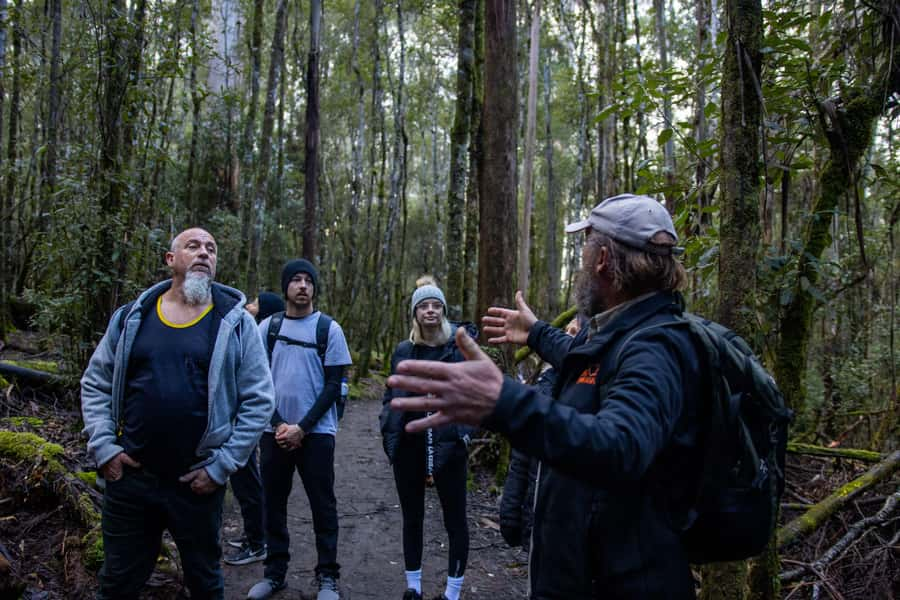
Lunch is intentionally uncomplicated. You can buy bakery-style takeaway food, then eat at the Mount Field picnic area. This is useful for a day tour because it avoids a long restaurant meal and keeps the schedule moving.
The picnic setting fits the outing, but do not book this expecting a prepared lunch or a food-focused experience. Food and drinks are your responsibility. Pack water, dress for outdoor conditions, and consider bringing something easy to eat if you have dietary needs or do not want to rely on the available bakery options.
Bonorong Wildlife Sanctuary and Tasmanian wildlife
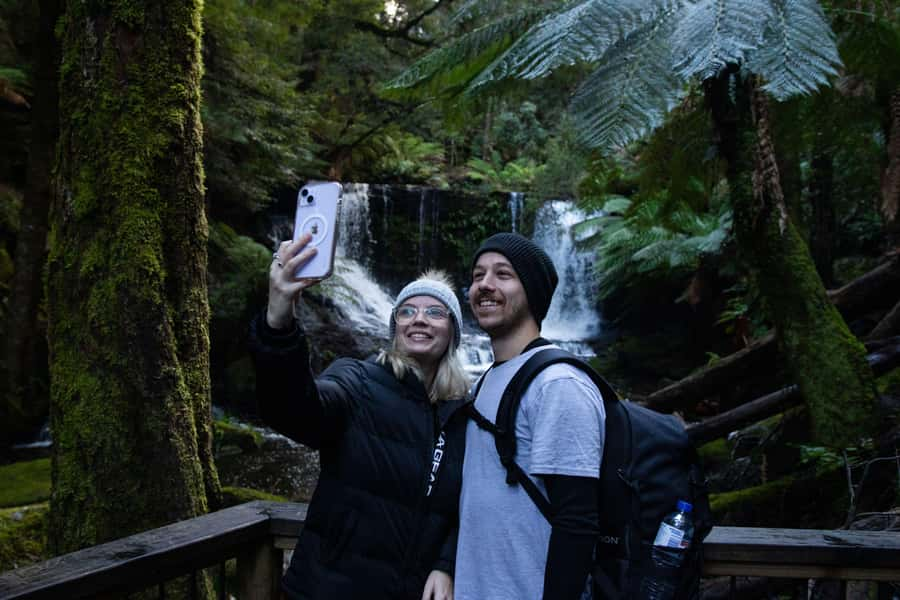
The second major stop is Bonorong Wildlife Sanctuary, where you spend about 1.5 hours. The sanctuary adds close contact with native animals after the quieter forest walks.
You can hand-feed wallabies and meet wombats. For many people, these encounters will be the most memorable part of the afternoon because the animals are close and familiar-looking in a way that makes Tasmania’s wildlife feel immediate rather than distant.
The Tasmanian Devil feeding show is the main educational feature. Tasmanian Devils are carnivorous marsupials found only in Tasmania. They look somewhat like small bears, but their behavior and powerful bite tell a different story. The feeding presentation lets you see their feisty side while learning about Tasmania’s rare fauna.
Bonorong is a good match for anyone who wants more than scenery. It also helps balance the day for people who are less interested in a long forest walk. That said, the 1.5-hour visit is not generous. One visitor who enjoyed the tour still wanted more time at Bonorong, and I can see why. Between walking through the sanctuary, seeing the animals, taking photographs, and watching the devil presentation, the clock can move quickly.
If wildlife is your top priority, you may wish the itinerary gave Bonorong the same attention as Mount Field. If your goal is a well-rounded shore excursion, the shorter visit makes sense because the national park is the larger part of the day.
The guides can shape the whole day
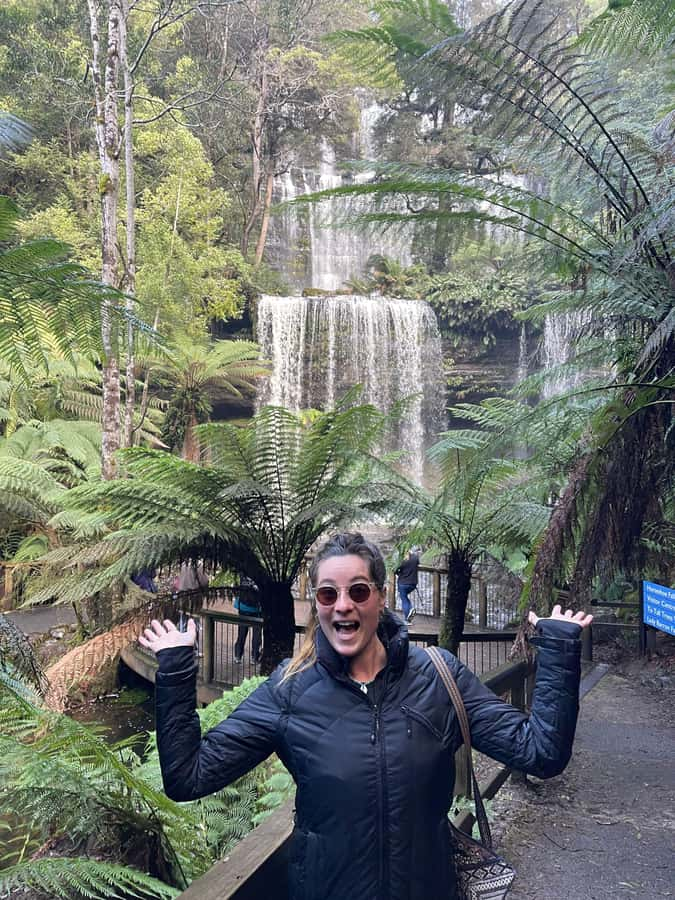
This tour relies heavily on the guide. The strongest praise centers on guides who are friendly, well informed, flexible, and attentive to the group. A guide named Trevor was praised for his Mount Field commentary, quick wildlife spotting, and consideration toward people who had not yet arrived.
Another guide was praised for adjusting the length of each part of the day. That flexibility is useful in a small group, especially when weather, walking speed, or an unexpected wildlife sighting changes the rhythm.
There is also a caution here. One very poor experience involved a communication failure between the cruise arrival process and the tour departure. Another note raised questions about communication between the main office and the guide. You should treat the meeting time seriously and make sure you understand exactly where to go before leaving the ship.
The overall rating is 4 out of 5 from six ratings, with several strong scores and one serious complaint. That suggests the experience can be excellent with the right timing and guide, but cruise-day logistics matter more than they would on an ordinary land holiday.
Who will enjoy this day most
I would choose this tour if you want to see Tasmania beyond Hobart without renting a car or planning several separate admissions. It suits you especially well if waterfalls, forest walks, and native animals all appeal to you.
It is also a good fit if you want a guided day with enough structure to protect your cruise schedule. The short walk from the terminal to the meeting point is helpful, and the return to the same Hobart area keeps the end of the day simple.
You should think twice if you dislike shared itineraries or prefer to spend half a day at one wildlife sanctuary. The pace can be swift, and the Bonorong visit may feel too brief for serious animal enthusiasts. You should also skip it if walking on outdoor paths is difficult, since the tour is not designed for wheelchair users or people with mobility impairments.
Children under six cannot join. Older children who can manage the walking may enjoy the waterfalls, tall trees, wallabies, wombats, and devils, but the day is still built around adult walking stamina and a fixed cruise schedule.
What to bring for changing Tasmanian weather
Mount Field can feel different from Hobart, so bring outdoor clothing rather than dressing only for the waterfront. Comfortable walking shoes are essential. Add a light waterproof layer or other weather-appropriate clothing, since conditions can change during the day.
Bring water and snacks even though there is an opportunity to purchase lunch. You will be out for seven hours, and the included package does not cover meals or drinks.
A camera is useful, but do not let it slow you down too much. The best moments may be small ones, such as a pademelon partly hidden in vegetation, rather than only the wide view at Russell Falls.
Should you book the Mount Field and Bonorong tour?
Book it if you want a practical, varied shore day that combines two of Tasmania’s strongest draws: rainforest scenery and unusual native animals. The included park and sanctuary admissions make $130 a reasonable price for a cruise-friendly excursion, especially when you add the guide and organized return to Hobart.
Choose another option if you need a slow pace, more time at Bonorong, or a fully accessible route. Also protect yourself from a missed departure by reaching 20 Davey Street early and allowing plenty of time to leave the ship.
For most active cruise passengers, this is a strong way to trade Hobart’s streets for waterfalls, giant swamp gums, wallabies, wombats, and a snarling Tasmanian Devil before sailing on.
FAQ
Where does the tour meet in Hobart?
The meeting point is the Tasmanian Travel and Information Centre at 20 Davey Street. It is about a five-minute walk from the Cruise Terminal.
What time does the shore excursion usually start and finish?
Most cruise ships suit an 8:45 a.m. meeting time for a 9 a.m. departure. The usual return is around 4 p.m., but you should check availability and confirm the timing for your ship.
Is lunch included?
No. You can purchase a bakery-style takeaway lunch along the way and eat it at the Mount Field picnic area. Bring your own snacks and water if you prefer.
What is included in the $130 price?
The price includes Mount Field National Park admission, Bonorong Wildlife Sanctuary admission, guided walks, and a small-group active day tour with a professional English-speaking guide.
Is the tour suitable for children and people with limited mobility?
Children under six cannot join. The tour is not suitable for wheelchair users or people with mobility impairments, and you should be comfortable walking outdoors in suitable shoes.
What animals can I see at Bonorong?
You can hand-feed wallabies, meet wombats, and watch a Tasmanian Devil feeding show. The tour also includes information about Tasmania’s native wildlife.
Just added for the parks around Australia
- Spring Brook National Park Driving Tour with an APP★ 4.4 · 2 reviews
- Port Douglas: Daintree National Park Tour, Cruise, & Zipline★ 4.9 · 31 reviews
- Port Stephens: Worimi National Park Sandboarding Adventure★ 4.8 · 18 reviews
- Port Lincoln: Lincoln National Park Sunset Sand Dunes Tour★ 4.9 · 17 reviews
- Port Arthur: Cape Raoul Wilderness Cruise★ 4.8 · 80 reviews
- Noosa: Epic Ocean Kayak with Dolphins & 4WD Beach Adventure★ 4.6 · 247 reviews
- Noosa: National Park and Dolphin Watching Safari★ 5.0 · 5 reviews
- Melbourne: Wilsons Promontory Morning Wilderness Cruise★ 5.0 · 71 reviews
Hobart National Park Tours, compared.
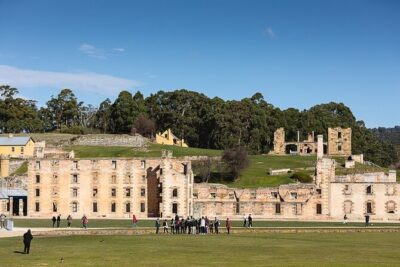
Port Arthur Full-day Guided Tour with Harbour Cruise and Tasman National Park
Read our review →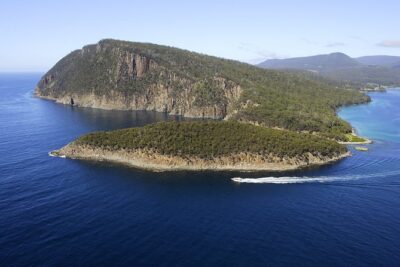
Bruny Island Wilderness Cruise from Adventure Bay, Bruny Island
Read our review →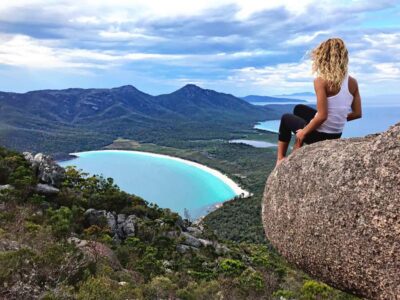
Wineglass Bay & Freycinet National Park Day Trip from Hobart
Read our review →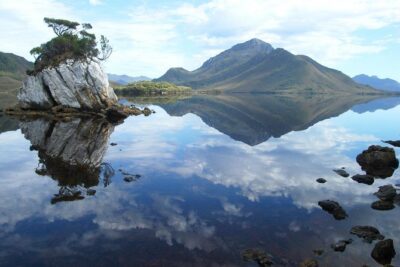
Southwest Tasmania Wilderness Experience: Fly Cruise and Walk Including Lunch
Read our review →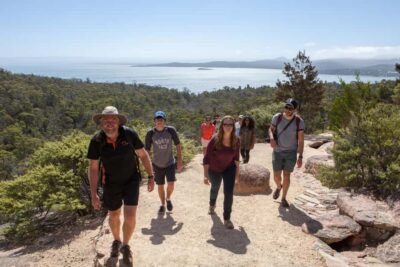
Wineglass Bay & Freycinet National Park Active Tour
Read our review →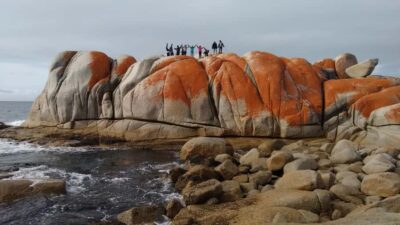
Tasmania: Wilderness and Wildlife Guided 6-Day Tour
Read our review →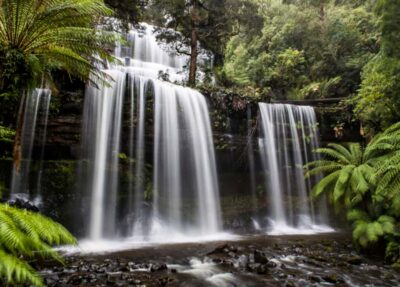
Browse the lists this tour appears in