
Review · PORTUGAL
Lisbon: Tagus Estuary Nature Reserve Birdwatching Boat Tour
The best surprise here is how quickly Lisbon gives way to open water and bird-filled mudflats. In about ten minutes, the city’s modern waterfront can fade behind you as Captain Carlos Cera steers toward the Tagus Estuary Nature Reserve, one of Europe’s important wetland areas.
I like the small group, limited to 10 people, and the fact that binoculars are provided. I also like Carlos’s patient style: he takes time to identify birds, explain migration and habitat, and position the boat without crowding wildlife. The main consideration is nature’s timetable. Bird numbers change with the season, tide, wind, and weather, so you should not book this expecting a guaranteed flamingo show.
Key points to know before booking
- A real wetland trip close to Lisbon: The Tagus estuary covers about 32 square kilometers, with a protected reserve of roughly 14,000 hectares.
- Carlos Cera leads the outing: He combines bird identification with practical explanations about the river, tides, wildlife, and Lisbon.
- Winter brings the biggest numbers: Regular winter counts reach about 120,000 birds, while 2024 records included 12,000 flamingos.
- The boat stays small: Groups are limited to 10, making it easier to hear the guide and get a clear view.
- Tides affect what you see: Exposed mudflats can bring feeding waders close, so checking the tide before booking can help.
- You get more than birds: The route includes Parque das Nações, Bairro dos Pescadores, Mouchao da Povoa, and the Vasco da Gama Bridge.
Why this three-hour boat trip feels different from Lisbon sightseeing
Lisbon is famous for tiled streets, hilltop viewpoints, and grand monuments. This trip gives you something many city breaks miss: a few quiet hours in a functioning wetland, close enough to the capital to remain convenient but far enough away to feel removed from it.
The Tagus estuary is the largest estuary in western Europe, according to the tour information, and it supports about 200 identified bird species. In winter, the total number of birds can reach around 120,000. Those figures matter because this is not simply a scenic cruise with the occasional gull. You are entering a feeding and resting area used by resident birds and seasonal migrants.
The experience is best understood as a wildlife search rather than a fixed sightseeing performance. You may see flamingos, spoonbills, avocets, glossy ibis, herons, egrets, marsh harriers, ospreys, little terns, or black-winged stilts. The exact mix depends on conditions, but the range can be impressive. In one strong autumn outing, more than 30 species were seen in three hours. In summer, when many birds have moved on or are nesting, sightings can be less numerous, though several tours still recorded a wide variety.
You will also see Lisbon from an unusual angle. The city, bridges, river channels, and working waterfront become part of the view, but the birds remain the main event.
More Park Boat and Lake Tours in Portugal
- Madeira: Garajau Nature Reserve Kayak and Snorkel Tour
★ 4.1 · 906 reviews - Porto: Peneda-Gerês National Park Tour with Kayaking & Lunch
★ 4.9 · 385 reviews - Kayaking and Waterfall in Peneda-Gerês National Park from Porto
★ 5.0 · 276 reviews
Meeting Carlos Cera at Parque das Nações
The meeting point is beside the Onda Luso-Americana artwork, near Parque das Nações. This modern waterfront district is a practical starting place, especially if you are staying near the metro. One of the useful details about this tour is that you do not need to spend half a day traveling outside Lisbon to reach the reserve.
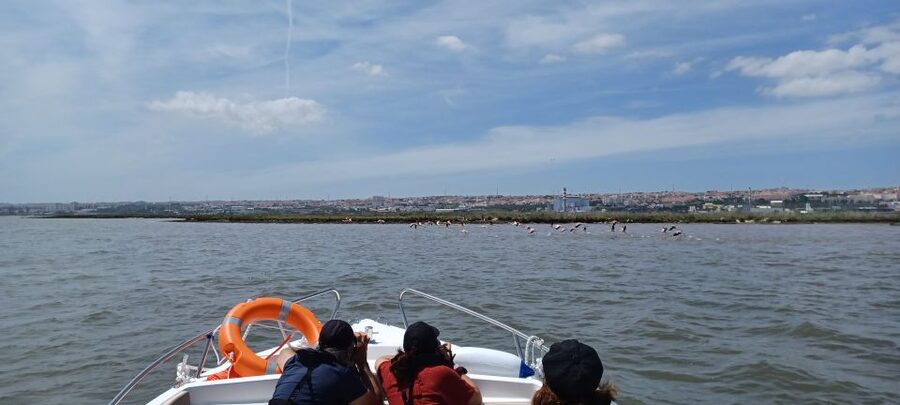
From the meeting point, you go to the marina for a safety briefing of about 15 minutes. Life jackets are worn, and the tour includes insurance and fuel. The boat is described in the tour material and guest feedback as a small, comfortable speedboat, with the group capped at 10 people.
That size makes a real difference. Carlos can speak to the whole group, respond to questions, and adjust the outing to suit different levels of birding experience. If you are an experienced birder, you can ask about migration and behavior. If you are new to birdwatching, you can simply point to a bird and ask what it is.
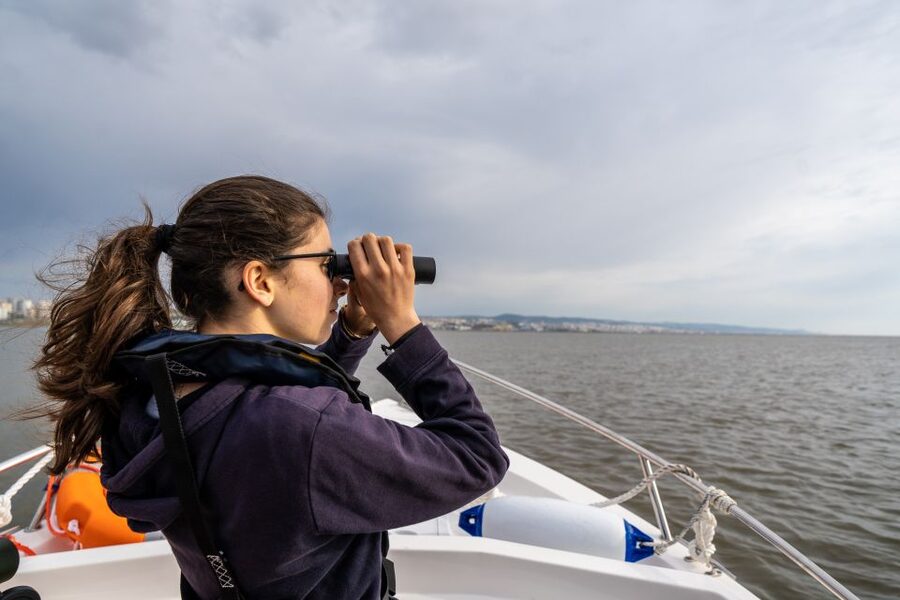
Binoculars are included, which is useful if you are packing light. You should still bring your own pair if you have one, particularly if you want to compare views or avoid waiting for equipment. A bird guide or reference book may also be useful, though Carlos has helped identify birds during the trip.
Parque das Nações and the first views from the water
The boat cruise begins around Parque das Nações, with about 30 minutes for sightseeing, photographs, and an introduction to the waterfront. This part is less about rare birds and more about getting oriented.
From the river, the modern architecture of the district looks different from street level. You see the waterfront, bridges, and the broad reach of the Tagus before turning toward quieter channels. It is a good opening because you get city views first, then watch the urban edge thin out.
The boat ride itself is part of the appeal, but it is not a long, slow sightseeing cruise. A speedboat can cover ground and reach the reserve efficiently. On calm water, it is comfortable and makes it possible to explore more than one area during the three-hour outing. Conditions can change, though, and the captain makes the final call on the route.
Next comes the Bairro dos Pescadores area, where the guide continues pointing out local scenery and wildlife. This stop is brief and should not be treated as a walking visit. You remain on the boat, taking photographs and listening as Carlos explains what you are seeing.
Entering the Tagus Estuary Nature Reserve
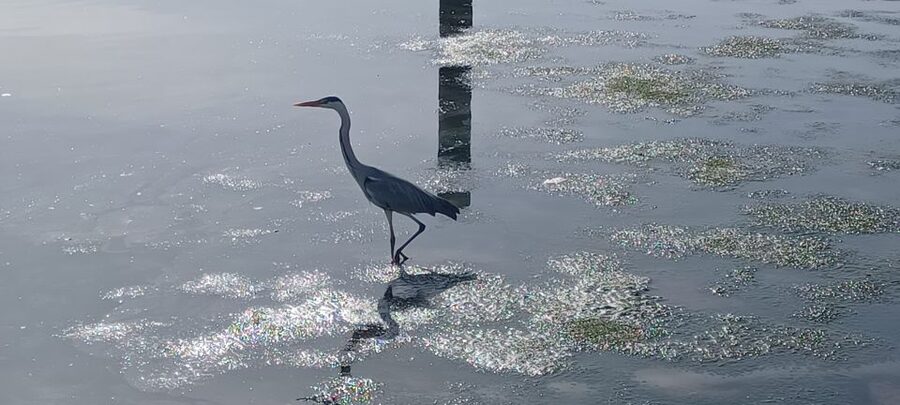
The main portion of the outing lasts about two and a half hours in and around the nature reserve. Here, the character of the trip changes. Instead of looking at city landmarks, you scan shallow water, mudflats, islands, and channels for movement.
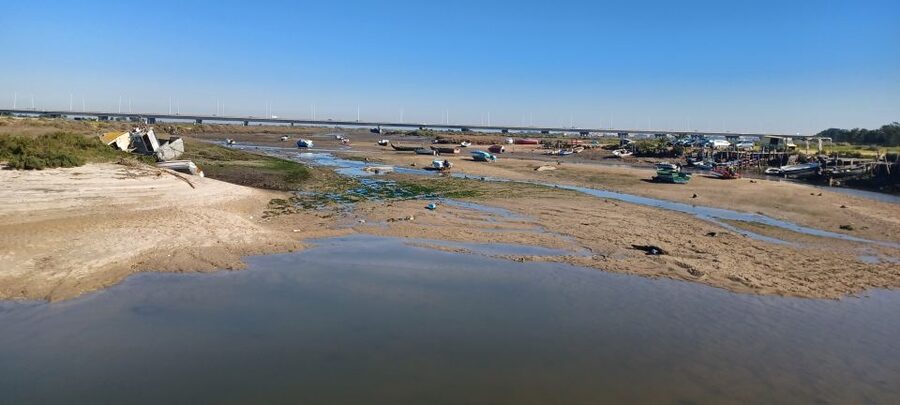
Mudflats are especially important. When the tide exposes them, birds can gather to feed, which is why tide timing has such an effect on the experience. A low tide is not a guarantee of great sightings, but it can reveal feeding areas that disappear under water at higher tide.
Carlos’s role is central. He knows where different birds tend to appear and can explain what you are looking at without rushing you from one sighting to the next. Several outings focused on photographing birds, and the boat was positioned with care so the group could watch without getting too close.
That respectful distance is important. Wildlife tours are better when the animals are not pushed away for a photograph. You might need patience, and sometimes the best sighting will be a bird in flight rather than one sitting close to the boat. Bring a camera, but keep your expectations flexible.
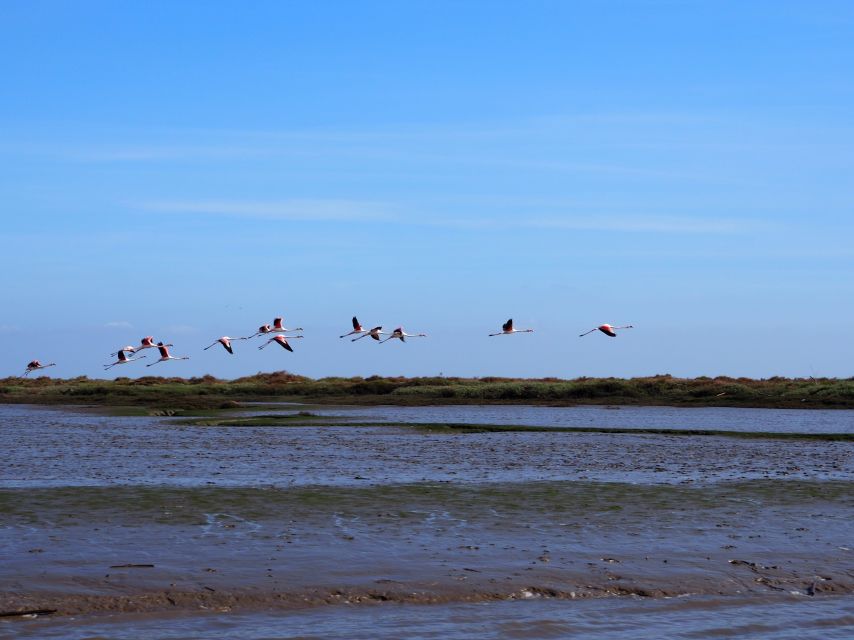
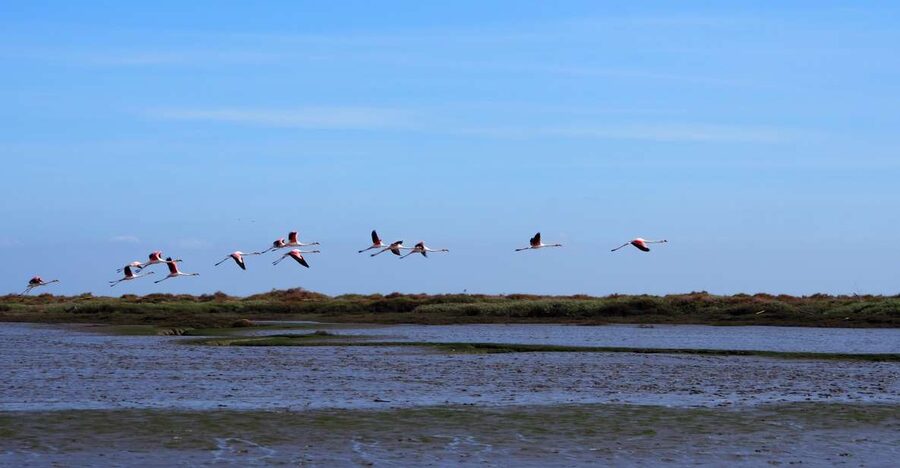
The reserve can produce a long list of species. Flamingos are an obvious draw, especially given the count of 12,000 in the estuary in 2024. Large flocks in flight can be more memorable than a single bird standing on the shore. Spoonbills, with their distinctive bills, are another highlight. Avocets, herons, egrets, glossy ibis, ospreys, and marsh harriers have also been seen on these outings.
Black-winged stilts are especially striking, with long red legs that make them easy to recognize once Carlos points them out. Little terns and purple herons add variety. At certain times of year, you may see large movements of ibis or birds of prey hunting over the islands.
I would treat the bird list as a guide to what is possible, not a promise. One May outing produced 17 species outside the busiest winter period. A July trip still found stilts, purple herons, spoonbills, glossy ibis, egrets, a little tern, and marsh harriers. But another visit during nesting season produced fewer birds. That is normal for a wild reserve.
Same parks, a different way to see them:
- Waterfall, Lagoon and Old Village in Peneda-Gerês National Park
★ 5.0 · 1,132 reviews - From Porto: Peneda-Gerês National Park Tour with Lunch
★ 4.9 · 1,128 reviews - Small Group Geres National Park Full Day with picnic from Porto
★ 5.0 · 846 reviews - From Porto: Hike & Swim in Gerês National Park
★ 4.8 · 452 reviews
Mouchao da Povoa and the quieter side of the estuary
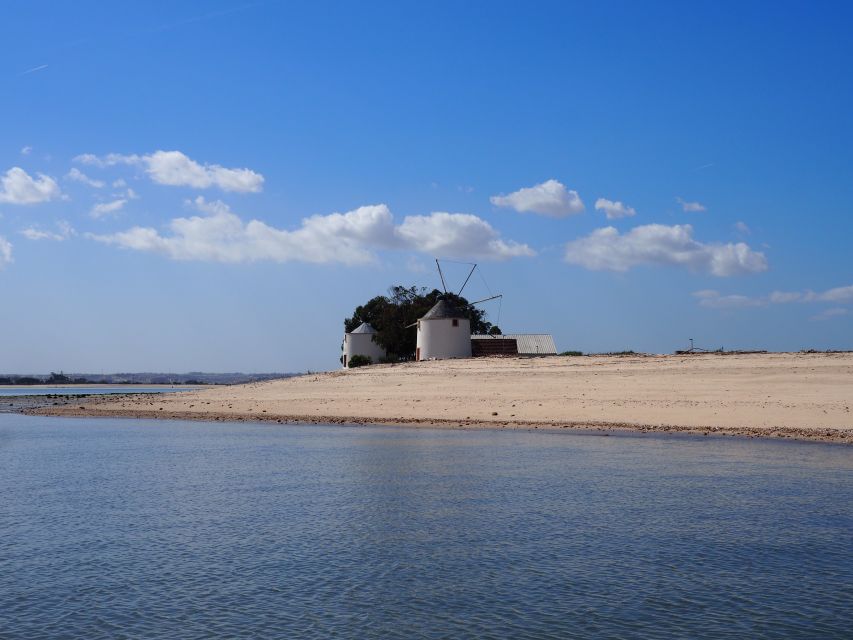
The route passes Mouchao da Povoa, an area associated with open river views, channels, and wildlife watching. The boat may pause for photographs or continue slowly while Carlos looks for birds and other signs of life.
This is where the trip feels least like a city excursion. The water opens out, the pace becomes calm, and you have time to watch rather than tick off sights. You might see birds feeding on the flats, flying low over the water, or hunting from above.
The setting is also valuable for anyone who is not a serious birder. You can enjoy the silence, the changing light, and the broad views even if you do not know a spoonbill from an egret. Families have found the outing suitable for children, and the three-hour length gives young passengers a clear beginning and end without turning it into a full-day commitment.
Still, this is not a boat ride for someone who needs constant activity. Some stretches involve scanning and waiting. If you want music, commentary every minute, or a packed sightseeing schedule, choose a different cruise. If you like open water and quiet observation, this slower rhythm is a strength.
Passing beneath the Vasco da Gama Bridge
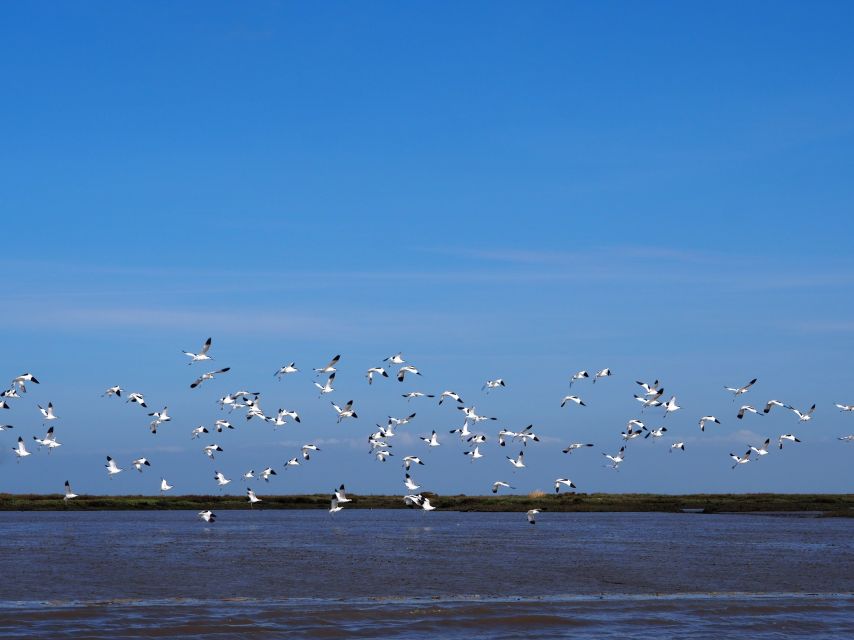
The Vasco da Gama Bridge provides one of the clearest urban landmarks on the route. The boat passes by for photographs and scenic views, giving you a strong sense of the estuary’s scale.
The bridge is a useful contrast. One moment you are looking at an enormous piece of modern infrastructure, and the next you are watching wetland birds on a mudflat. That mix helps explain why the tour works so well as a Lisbon add-on. You are not leaving the city behind entirely. You are seeing how the city sits beside a large natural system.
The boat then returns to the Onda Luso-Americana artwork. The full outing lasts about three hours, although the listed timings are approximate and water conditions can affect the route.
The best season, tide, and weather for birdwatching
Winter is the strongest choice if your priority is bird numbers. Regular wintering populations reach about 120,000 birds, and the cooler months bring many migrants into the estuary. February, October, and November are likely to appeal most to dedicated birders, based on the seasonal pattern described for the reserve and the species seen during those periods.
Spring can be rewarding, though breeding and nesting activity changes what you find. You may still see herons, waders, and birds of prey, but the mix will not be the same as in winter.
Summer is not automatically a bad time. July outings have produced many species, including black-winged stilts, spoonbills, ibis, egrets, terns, and marsh harriers. But you should expect a quieter period than peak migration. If you are booking in summer, focus on the boat ride, the views, and the chance to see resident wildlife as well as seasonal birds.
Tide timing deserves attention in every season. One useful approach is to check the tide before selecting your date or departure. Exposed mudflats can attract feeding birds, and the guide may use the changing tide to reach the right area at the right moment.
Weather is the other variable. Calm conditions make photography easier and the ride more comfortable. Foggy mornings or unexpected weather can lead to a last-minute cancellation. Safety comes first, and if the trip cannot be rescheduled, you receive a full refund.
Bring a jacket even on a warm Lisbon day. Open water can feel cooler than the city. Comfortable shoes, sunglasses, biodegradable sunscreen, a camera, and weather-appropriate clothing are sensible choices. A passport or identity card is also listed among the items to bring.
What the $58 price includes
At $58 per person, this is not the cheapest way to spend three hours in Lisbon, but the price covers more than transport. You are paying for a small boat, a captain-guide who specializes in this river environment, fuel, insurance, life jackets, and binoculars.
The small group is the main value. A larger boat might cost less, but it would make it harder to hear bird calls, ask questions, or get a clear look when the boat stops. With no more than 10 people, the outing remains personal without requiring a private charter.
There is no hotel pickup, food, or drink. Bring water and a picnic if you want one, since lunch is not part of the ticket. The tour is long enough that a snack can be useful, especially for children, but there is no suggestion of a meal stop during the cruise.
For a committed birder, the price is fair because the guide’s local skill matters more than a checklist. For a casual sightseer, the value depends on whether you want a peaceful nature break and a different view of Lisbon. If you only want a quick bridge-and-water cruise, this tour asks you to spend more time watching wildlife than landmarks.
Who will enjoy this boat tour most
I would recommend it most strongly to birdwatchers, photographers, nature lovers, and anyone who wants to balance Lisbon’s busy historic center with several hours outside. It suits beginners because Carlos explains what you see, while experienced birders can concentrate on migration, behavior, and habitat.
It is also a good choice for families. The boat ride adds movement and variety, and the small group keeps the outing manageable. Children who enjoy animals may find the search more engaging than a long museum visit.
You should think twice if you dislike changing plans because of weather or if you need guaranteed sightings. The reserve is wild, and the guide cannot control tides, fog, wind, or bird movement. You should also bring a warm layer and accept that some of the best moments may require patience.
The tour is offered in Portuguese, English, and Spanish, with French also listed among the available tour languages. Confirm the language when booking if that matters to your group.
Should you book the Tagus Estuary boat tour?
Book it if you want an authentic nature experience close to Lisbon and you are willing to let the estuary set the pace. Carlos Cera is the key reason to choose this outing: he knows the river, takes bird identification seriously, and gives the group time to observe without disturbing wildlife.
For the best chance of impressive numbers, aim for the cooler migration and winter months, check the tide, and keep your schedule flexible around weather. If you visit in summer, go for the peaceful water, city views, and resident birds rather than a guaranteed flamingo count.
At $58, it offers good value for a small-group wildlife trip with equipment included. It is not a standard sightseeing cruise, and that is exactly its appeal. You get a quieter side of Lisbon, a skilled local guide, and a real chance to see one of Europe’s major estuary habitats at the edge of the capital.
FAQ
Where does the Tagus Estuary birdwatching tour begin?
The meeting point is next to the Onda Luso-Americana artwork in the Parque das Nações area of Lisbon.
How long does the boat tour last?
The activity lasts three hours. The route includes a safety briefing, sightseeing near Parque das Nações, and extended time in the Tagus Estuary Nature Reserve.
How many people can join the boat?
The tour is a small-group activity limited to 10 participants.
Who guides the boat tour?
Captain Carlos Cera guides the experience and explains the birds, wildlife, habitat, river, and surrounding area.
Which languages are available?
The live tour is listed in Portuguese, English, and Spanish. French is also listed among the tour language options.
Are binoculars provided?
Yes. Binoculars are included, though you may bring your own pair if you prefer.
Is a life jacket provided?
Yes. Life jackets are included, and they are worn during the boat trip.
Is food included in the price?
No. Food and drinks are not included. You may bring a picnic if you wish.
What happens if the weather cancels the tour?
Boat trips depend on weather and sea conditions. If the activity is cancelled and cannot be rescheduled, you receive a full refund.
Can I cancel before the tour?
Yes. You can cancel up to 24 hours in advance for a full refund. You can also reserve now and pay later.
Just added for the parks around Portugal
- Ria Formosa National Park: Kayak Trip★ 4.4 · 16 reviews
- Ria Formosa National Park Segway Tour & Seafood Lunch★ 4.8 · 20 reviews
- Porto: swimming, hiking, picnic in Gerês National Park★ 4.8 · 65 reviews
- Peneda Gerês National Park: Self-Guided Electric Bike Tour★ 4.2 · 11 reviews
- Olhão: Ria Formosa National Park and Islands Boat Cruise★ 4.7 · 91 reviews
- Terceira Island: Ilhéus Cabras Boat Tour | Protected Area★ 5.0 · 4 reviews
- Inside Vila Franca Islet: Guided Nature Reserve Eco Tour★ 4.4 · 42 reviews
- Peneda Geres National Park: Private Tour with a Guide★ 4.8 · 19 reviews
Portugal National Park Tours, compared.
Waterfall, Lagoon and Old Village in Peneda-Gerês National Park
Read our review →
From Porto: Peneda-Gerês National Park Tour with Lunch
Read our review →
Madeira: Garajau Nature Reserve Kayak and Snorkel Tour
Read our review →
Small Group Geres National Park Full Day with picnic from Porto
Read our review →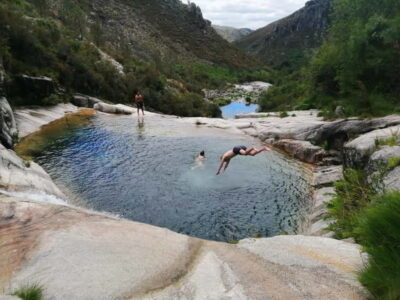
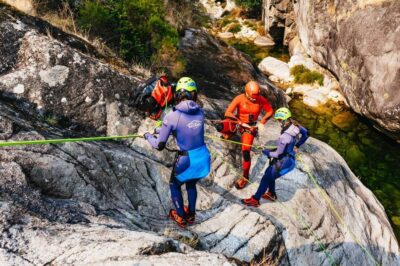
From Porto: Gerês National Park Canyoning Trip
Read our review →
From Porto: Small Group Day Tour of Geres National Park
Read our review →
Kayaking and Waterfall in Peneda-Gerês National Park from Porto
Read our review →Browse the lists this tour appears in