
Review · NATIONAL PARKS
Okinawa: Full-Day Bus Tour to Yanbaru National Park
Northern Okinawa is the part of Okinawa that most visitors miss. This 11-hour bus tour takes you from Naha to Cape Hedo, the island’s northern tip, then into Yanbaru National Park for forest walks and tropical plants. It is a long day, but it reaches places that are awkward to visit without a car.
I like the excellent range of included costs, with bus transport, admission fees, lunch, audio guide, and local gifts covered in the $98 price. I also like the chance to visit the Okinawa Rail Ecology Center and possibly spot the protected Okinawa rail, a bird found only in this part of the island. The main drawback is the time spent on the road, especially the long return to Naha, and the schedule may run late in traffic.
Key points to know before booking
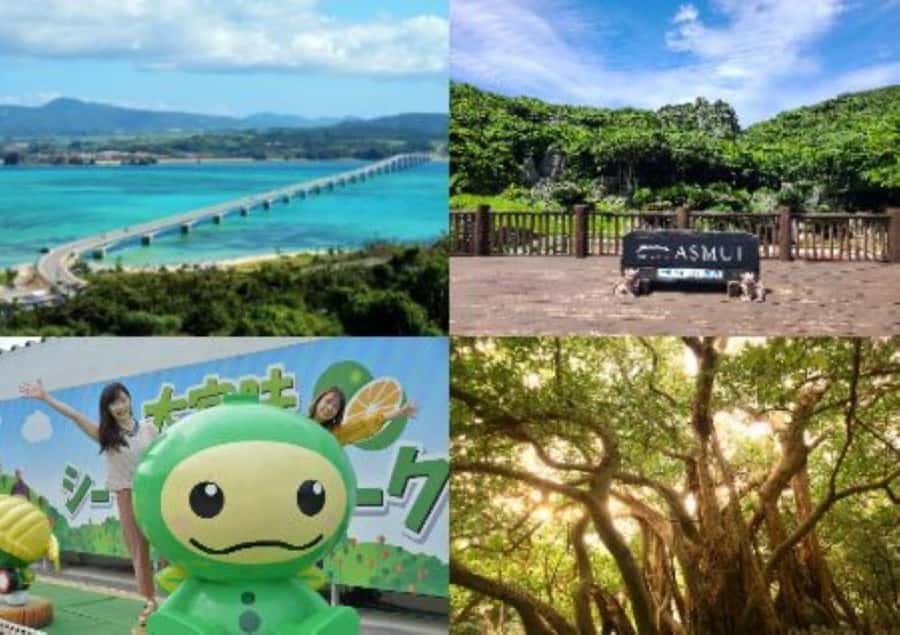
- Cape Hedo is the northern payoff: Look out over the ocean from Okinawa’s farthest northern point.
- Daisekirinzan brings you into Yanbaru: Expect a one-hour nature visit among tropical plants and unusual rock formations.
- The Okinawa rail gets special attention: The ecology center explains this nationally protected bird, with a chance to see one if luck is on your side.
- Your $98 covers a lot: Admissions, lunch for guests age three and over, round-trip bus transport, audio equipment, and local gifts are included.
- Three Naha pickup points keep the start simple: Choose Kenmin Hiroba, Tomariman, or T Galleria Okinawa by DFS when booking.
- This is a full day on a bus: The tour suits you if you want northern Okinawa without renting a car, but it is not a relaxed, slow-paced outing.
Why this tour matters for seeing northern Okinawa
Okinawa’s northern end feels far removed from the hotel districts and shopping streets around Naha. The trip takes you toward Yanbaru, an area known for forest, tropical vegetation, unusual rock formations, and rare wildlife. If you have only one day for the north, this tour gives you a practical way to reach several key places without driving.
The route is ambitious. You leave Naha at about 8:00 in the morning and return to one of the same three areas later in the day. The journey includes long stretches by coach, but that is also the point. Cape Hedo and Daisekirinzan are not easy add-ons to a short city visit.
You will have a tour conductor and live support in English and Japanese, plus a multilingual automatic audio guide. That combination matters. You get help with the day’s movements, while the audio commentary can provide background at each stop without requiring a guide to speak continuously.
More National Park Day Trips in the world:
- From Manapouri: Doubtful Sound Wilderness Day Trip
★ 4.8 · 1,621 reviews - Tenerife: Teide National Park Full-Day Tour with Pickup
★ 4.5 · 1,613 reviews - Split: Krka National Park Day Trip with Boat Ride & Swimming
★ 4.6 · 1,321 reviews
Starting in Naha at 8:00
You can board at Kenmin Hiroba, in front of the Okinawa Prefectural Office, at 8:00 am. The next pickup is in front of Tomariman at the Tomari Takahashi bus stop at 8:10, followed by T Galleria Okinawa by DFS at 8:20, near Yofuku no Aoyama.
Arrive at least 10 minutes early. Look for the bus marked Jumbo Tours and show your voucher to the attendant. One detail is easy to miss: the bus stops only at the pickup points selected for that day’s reservations. It does not automatically visit all three locations, so choose carefully when booking.
If you need to change your pickup point, notify the operator at least one day before departure. That small bit of planning can save you from a frustrating morning, especially if you are staying near one of the other stops.
The long ride north is part of the bargain
The first major coach section lasts about 100 minutes. Later, the schedule includes another 40-minute ride and a return journey of roughly two hours and 25 minutes. Traffic and road conditions can push the ending much later than planned.
I would bring water, a light snack, and something to occupy you during the longer stretches, even though lunch is included. The coach makes the northern route possible, but this is not a hop-on, hop-off outing with constant activity.
The bus also gives you a useful break between walks. Daisekirinzan and the other outdoor stops involve time on your feet, so sitting down between visits is welcome. Large items such as suitcases and baby strollers can go in the luggage compartment, but you remain responsible for valuables.
Yanbaru Forest Visitor Center and the northern story
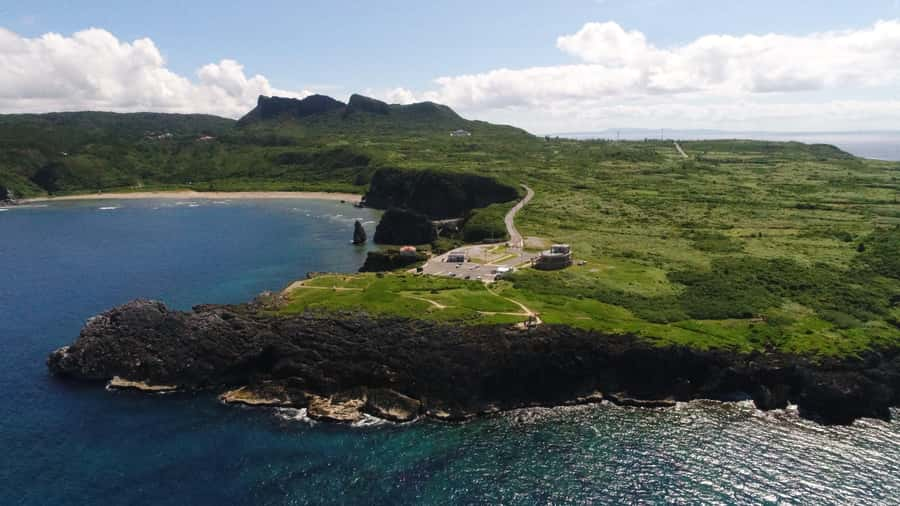
The day includes entry to the Yanbaru Forest Visitor Center and its Dome Theater. The schedule lists a visit of about 40 minutes at one point, along with another sightseeing period of around 50 minutes later in the route. The exact order can change with weather and road conditions.
The visitor center gives you a useful introduction before or after seeing the forest itself. The Dome Theater and audio guide help explain the natural setting and local background, giving the northern part of Okinawa some context rather than reducing it to a series of photo stops.
Do not expect a long museum visit. The overall schedule has several stops to fit into one day. You will get an orientation and a taste of the area, then move on.
More Full-Day Trips in the world:
- Montenegro: Full-Day Tour to Lovcen National Park & More
★ 4.9 · 992 reviews - Yosemite National Park: Full Day Tour from San Francisco
★ 4.0 · 937 reviews - From Dresden: Saxon Switzerland National Park Full-Day Trip
★ 4.7 · 931 reviews - Addo Elephant National Park All Inclusive Full-Day Safari
★ 4.8 · 872 reviews
Cape Hedo, where Okinawa ends
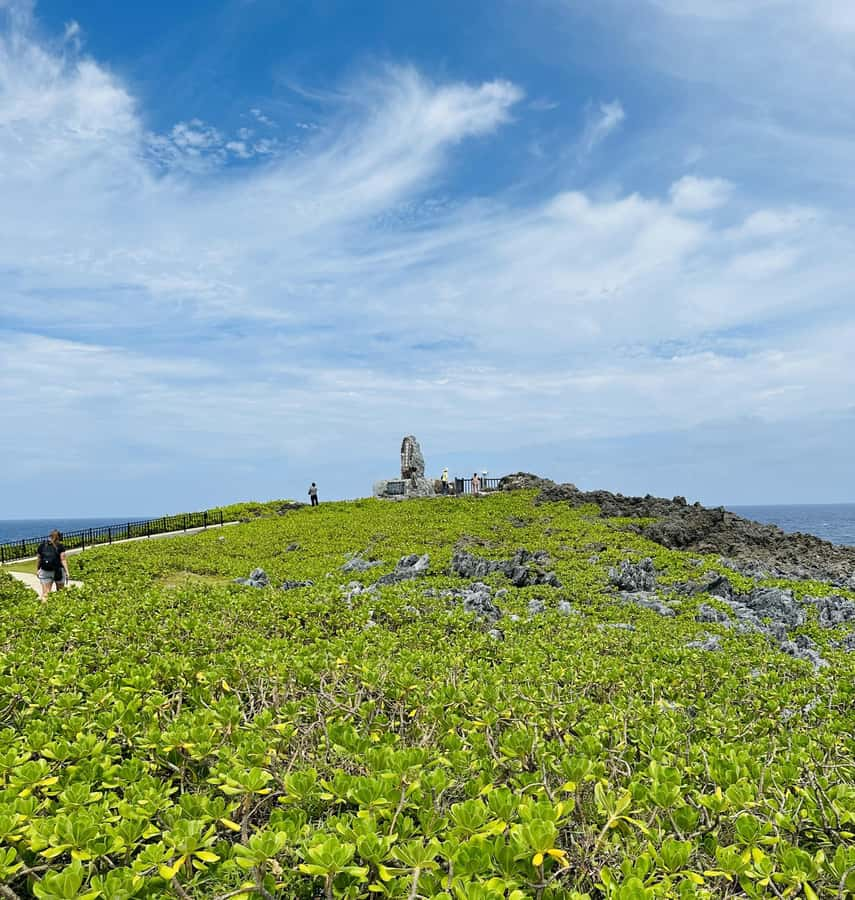
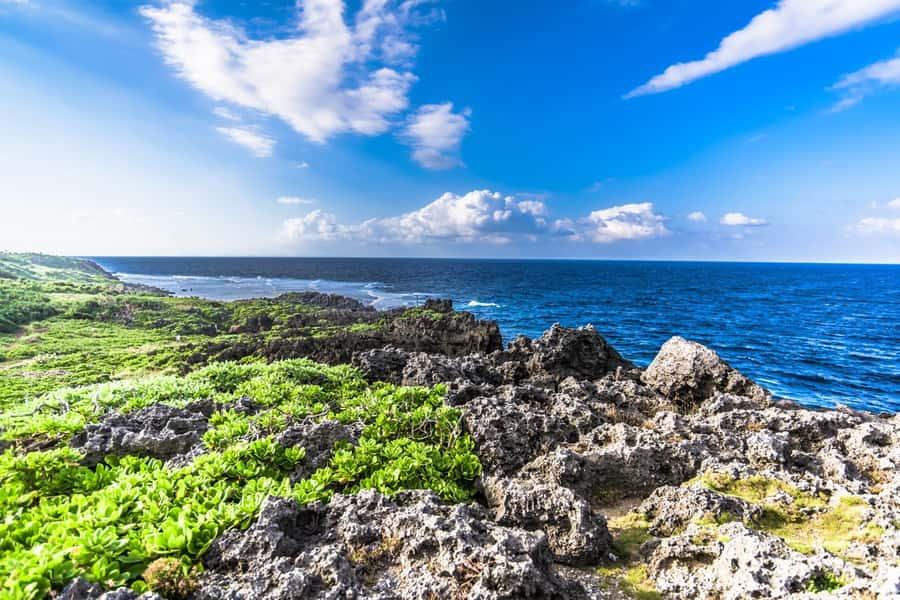
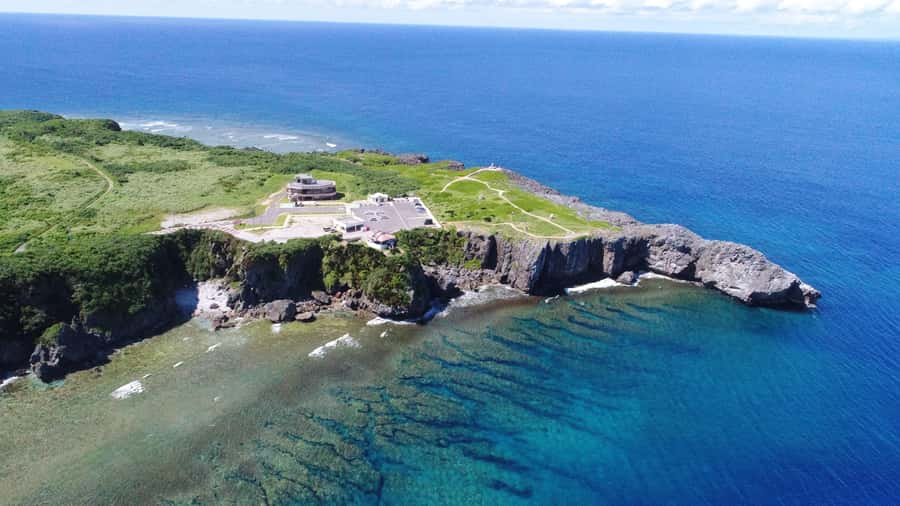
Cape Hedo is the visual centerpiece of the northern route. It marks the northern tip of Okinawa Island, and the tour allows time to reach an observatory for ocean views. The schedule shows about 30 minutes of sightseeing here, after a short coach ride from the previous stop.
That half hour is enough to take in the setting and use the observatory, but it is not an extended coastal walk. Keep your expectations practical. You are stopping for the viewpoint and the sense of place, not spending an afternoon exploring every path around the cape.
The audio guide adds value here by explaining the site and Okinawa’s local story while you look out over the water. Cape Hedo is one of those places where geography does much of the work. You feel the distance from Naha, and the long ride suddenly makes more sense.
Daisekirinzan’s rocks and tropical plants
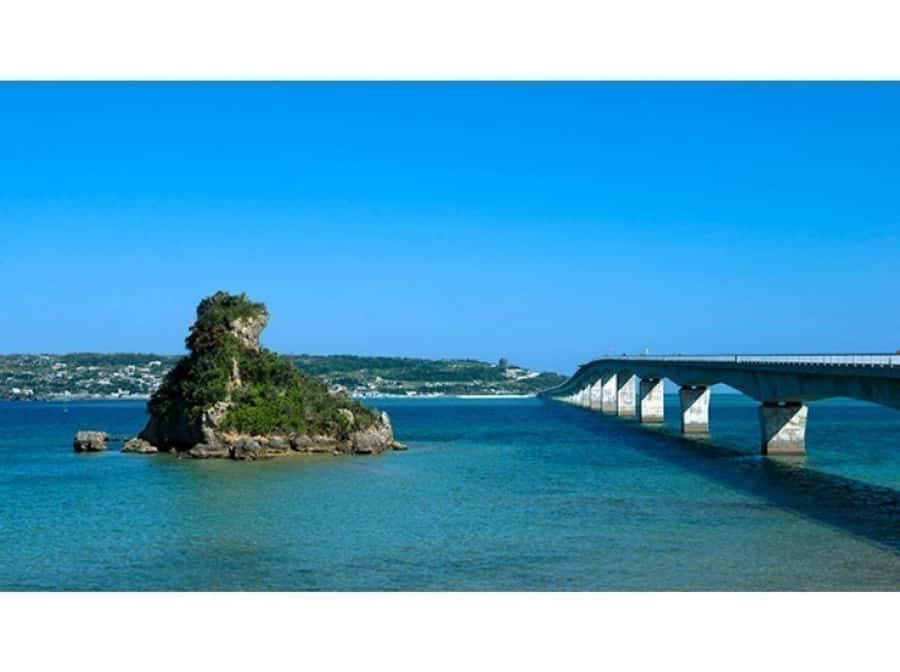
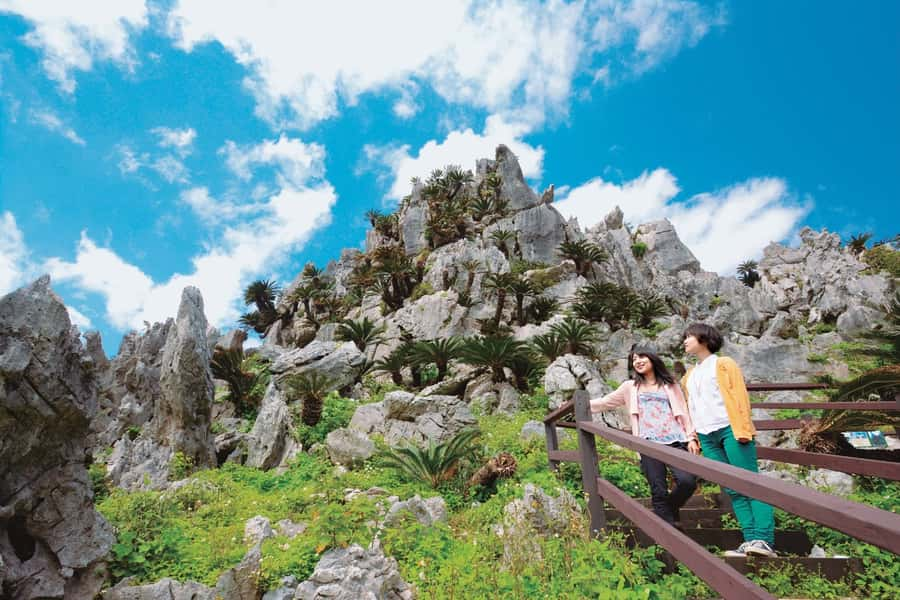
From Cape Hedo, the bus reaches Daisekirinzan after a short ride of about five minutes. You get roughly one hour at the site, making it one of the more substantial outdoor visits of the day.
The appeal is the mix of tropical plants and unusual rocks. This is a chance to walk through a natural setting rather than simply view it from a roadside lookout. The terrain and paths mean you should wear sensible shoes and be ready for a proper outdoor visit, though the supplied information does not specify trail difficulty.
Daisekirinzan is likely to be the tour’s best fit for you if you want nature rather than only scenic viewpoints. The one-hour period gives you more breathing room than the short Cape Hedo stop, but it is still a scheduled group visit. You will need to keep an eye on the meeting time.
Weather can change the order of stops, and personal circumstances or bad weather may prevent entry to a sightseeing site without a refund for that admission. That is worth keeping in mind when deciding how much of your day should depend on outdoor conditions.
The Okinawa rail and a rare northern resident
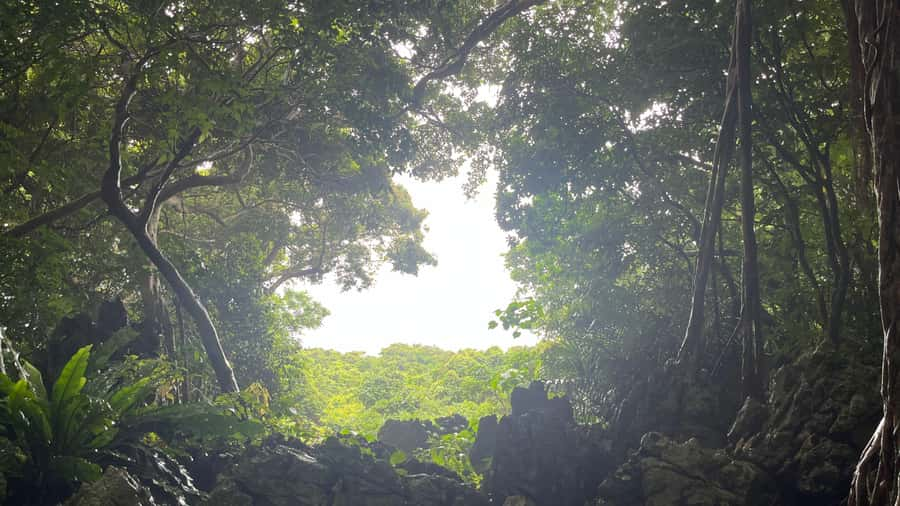
The route includes admission to the Okinawa Rail Ecology Center. This stop gives the protected Okinawa rail a clear place in the day, rather than treating local wildlife as an afterthought.
The Okinawa rail is a nationally protected species. You may be able to see one if luck is on your side, but a sighting is not promised. The ecology center is still worthwhile because it helps you understand why Yanbaru matters and why conservation is important in this northern part of the island.
The schedule gives this section about 30 minutes of sightseeing. That is enough for a focused visit, but not a long wildlife-watching session. If seeing the bird is your main goal, keep your expectations modest. The strength of this stop is the chance to learn about the species and its setting.
Lunch at Kunigami Minato Shokudo
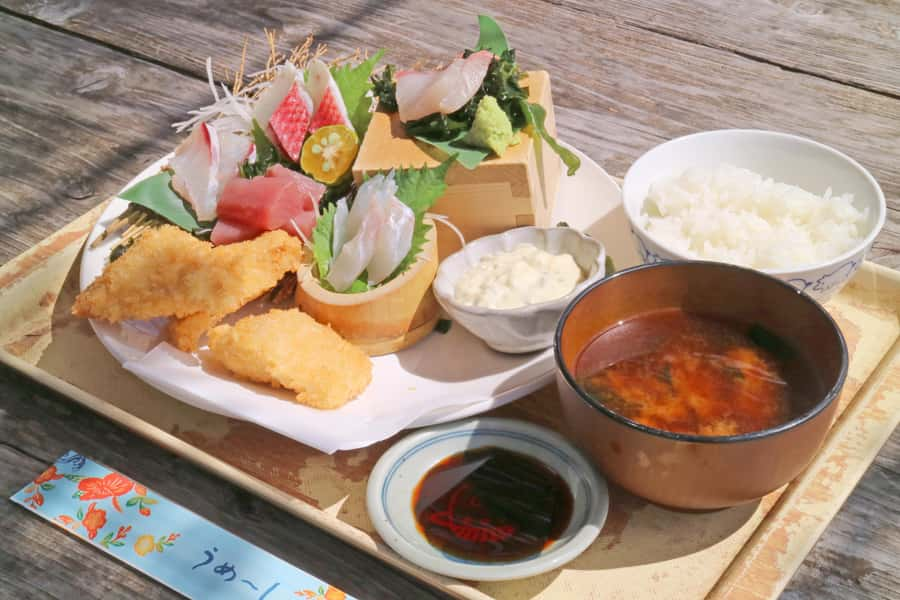
Lunch is planned at Kunigami Minato Shokudo. The lunch fee is included for anyone age three and over, although drinks and personal food purchases are not covered under the general inclusions.
A scheduled restaurant stop keeps the day moving and removes the need to hunt for food in an unfamiliar area. One strong point of the meal is that it gives you a chance to eat local food in the northern part of Okinawa rather than returning to Naha for lunch.
The tradeoff is time. The schedule gives the lunch stop a defined window, and one of the strongest practical criticisms of the day is that some people would prefer less time eating and more time in Yanbaru National Park. If you care most about walking and nature, you may find the meal stop longer than you would choose.
How the audio guide changes the experience
The multilingual automatic audio guide is more than a minor extra. A full-day coach trip can feel like a string of stops if nobody explains what connects them. The audio commentary supplies background at the visitor center, Cape Hedo, Daisekirinzan, and other points along the way.
The service includes earphones and supports multiple languages. English and Japanese are specifically listed for the activity, while the audio guide is described as multilingual. You should expect recorded information rather than a personal guide walking beside you at every site.
That distinction matters. If you want a lively, highly personal guide throughout the day, this may feel limited. If you prefer to explore each stop at your own pace while still receiving explanations, the audio system is useful.
The tour conductor handles the practical side of the day. Guide Koko has been singled out for being helpful and informed, and the same guide may not be assigned to every departure. You can expect live support in English and Japanese, but the exact guide is not guaranteed.
What the $98 price really buys
At $98 per person, this is not simply a bus ride to a viewpoint. The fee covers round-trip sightseeing transport, the tour conductor, admissions to the Yanbaru Forest Visitor Center and Dome Theater, Daisekirinzan, and the Okinawa Rail Ecology Center.
It also includes lunch for guests age three and over, use of the multilingual audio guide and earphones, consumption tax, and local specialty gifts. That bundle makes the price easier to justify, particularly if you would otherwise need to rent a car, pay for fuel, arrange parking, and purchase separate admissions.
The value depends on how you feel about time. You are paying for access to distant northern sites, but you are also accepting a long coach day with fixed departure times. A rental car would give you more control, yet driving to Cape Hedo and Yanbaru takes planning and places the responsibility on you.
The local gifts are a pleasant extra, but they should not decide the booking. The real value is the transport and the number of included admissions.
Who will enjoy this day most
I would choose this tour if you are staying in Naha, do not want to drive, and want to see the far north in one serious day. It is also a good match if you want a mix of scenery, nature, local background, and wildlife information rather than a single beach stop.
Families may appreciate the simple transport and included lunch, though the 11-hour length can test younger children. The activity is not suitable for wheelchair users, and the nature stops may be less comfortable for anyone who finds walking or outdoor terrain difficult.
You should think twice if you dislike fixed schedules, long coach rides, or short visits. The day covers a lot, but it does not give you hours to linger at one place. People focused mainly on Yanbaru walking may prefer a tour with more time in the park, while people who want a broad northern overview will get more from this itinerary.
Practical details that protect your day
The bus may return much later than scheduled because of traffic or road conditions. Avoid booking a tight evening connection, restaurant reservation, or other fixed appointment after the tour.
The sightseeing order can change with weather and road conditions. You should also understand that failure to enter a site because of personal circumstances or an unforeseen problem does not bring a refund for that particular admission.
Cancellation is flexible up to 24 hours before departure for a full refund, and you can reserve now and pay later. The activity has three pickup points in Naha, but only the point selected for your booking will be used on that day.
Should you book the Yanbaru bus tour?
Book it if northern Okinawa is a priority and you want Cape Hedo, Daisekirinzan, the forest visitor center, and the Okinawa rail center without renting a car. The included admissions, lunch, audio equipment, and local gifts give the $98 fare solid value.
Skip it if you want a slow nature day, dislike long bus journeys, or need wheelchair access. For most people, the best reason to go is simple: this is a practical way to reach the far north, where Okinawa’s forests, rocks, wildlife, and open ocean feel very different from Naha.
FAQ
How long is the Okinawa Yanbaru bus tour?
The tour lasts about 11 hours, though traffic and road conditions may make the return later than scheduled.
Where does the bus depart from?
You can choose Kenmin Hiroba in front of the Okinawa Prefectural Office, Tomariman at the Tomari Takahashi bus stop, or T Galleria Okinawa by DFS near Yofuku no Aoyama.
What time are the listed pickups?
The listed departures are 8:00 am from Kenmin Hiroba, 8:10 am from Tomariman, and 8:20 am from T Galleria Okinawa by DFS.
How early should I arrive at the pickup point?
Arrive at least 10 minutes before your selected departure time. Look for the bus marked Jumbo Tours and show the attendant your voucher.
Does the tour visit Cape Hedo?
Yes. The tour goes to Cape Hedo, the northern tip of Okinawa Island, where you can view the ocean from the observatory.
Is Daisekirinzan included?
Yes. The entrance fee to Daisekirinzan is included, and the schedule allows about one hour for sightseeing there.
Is lunch included?
The lunch fee is included for guests age three and over. Personal expenses, including additional food or drinks, are not included.
Is transportation included?
Yes. Round-trip sightseeing bus transportation is included in the price.
Is a tour guide included?
A tour conductor is included, with live tour support in English and Japanese. The activity also includes a multilingual automatic audio guide and earphones.
Is the tour suitable for wheelchair users?
No. The activity is listed as not suitable for wheelchair users.
Just added for the parks around the world
- Stone Town: Jozani Chwaka Bay National Park Half-Day Tour★ 4.7 · 5 reviews
- Stockholm: Dog Walk in Nature Reserve with Swedish Fika★ 5.0 · 3 reviews
- Stockholm: Sunset Hike in Tyresta National Park with Meal★ 4.8 · 126 reviews
- Stockholm: Self Guided Kayak Adventure in Nature Reserve★ 5.0 · 69 reviews
- Stewart Island: Guided Wilderness Walk★ 5.0 · 10 reviews
- Stewart Island: Ulva Island Guided Wilderness Walk & Cruise★ 4.5 · 165 reviews
- Wasgamuwa: Wasgamuwa National Park Private 3-Hour Safari★ 4.9 · 10 reviews
- Sri Lanka: Yala National Park Private Safari★ 3.2 · 5 reviews