
Review · THAILAND
Phuket Elephant Nature Reserve – Half Day Elephant Adventure
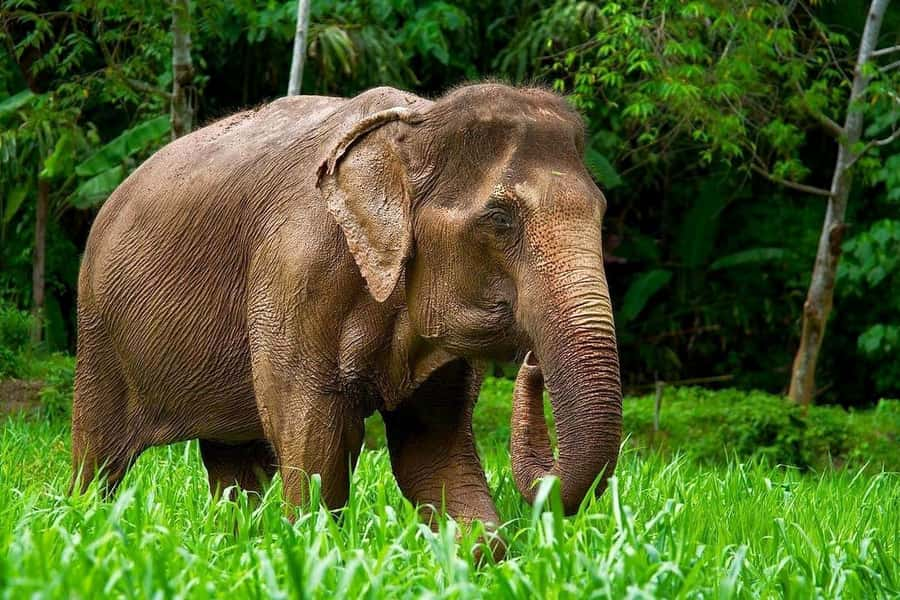
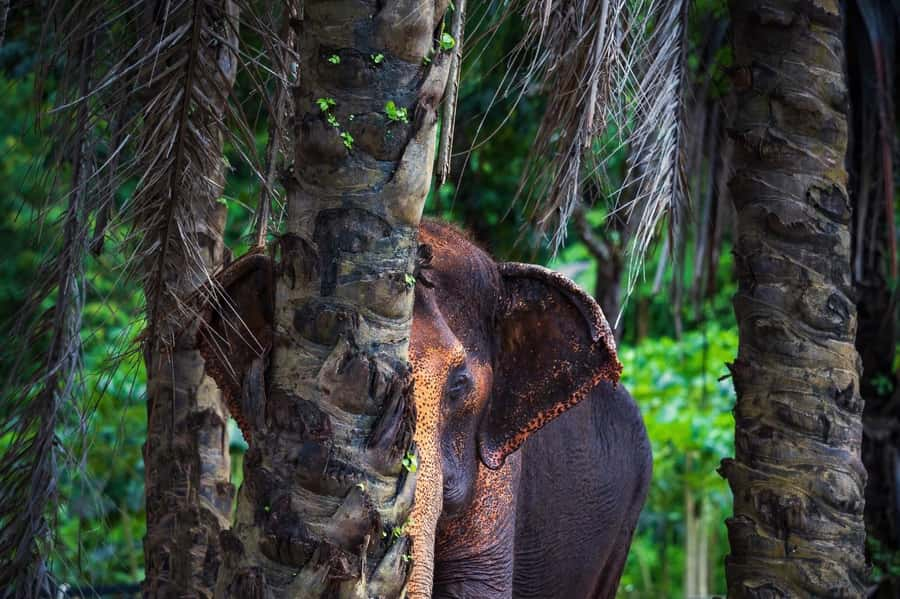
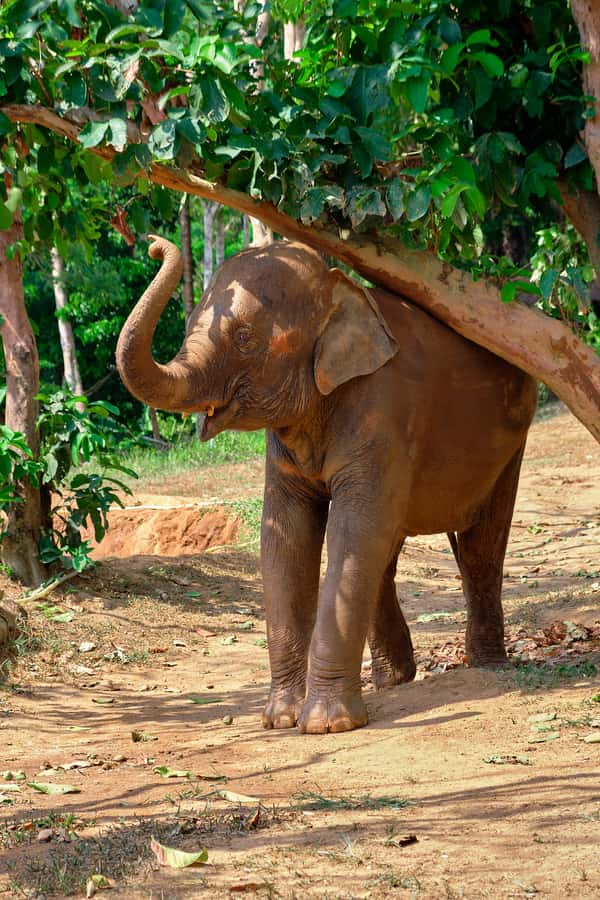
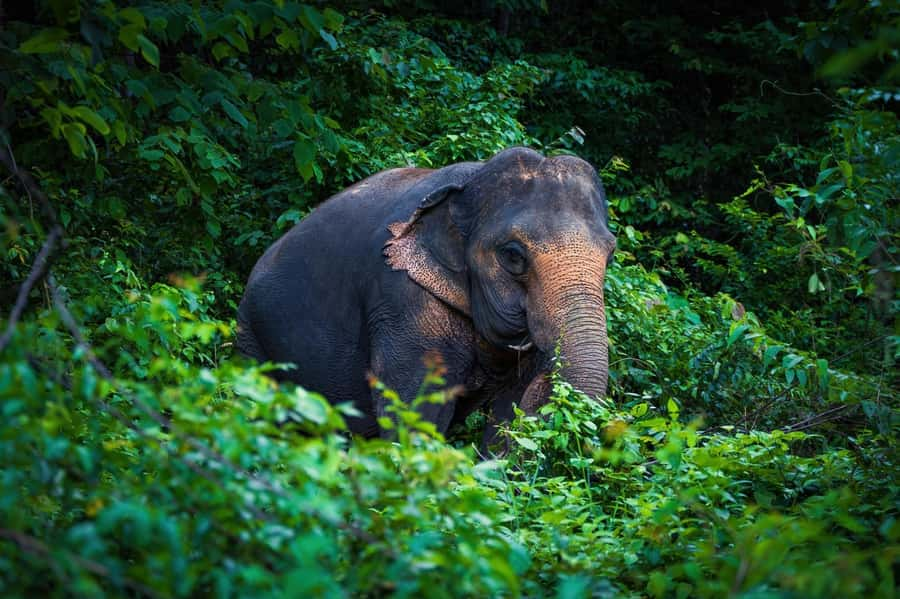
At Phuket Elephant Nature Reserve, the main event is simple: you watch rescued elephants live like elephants. Lotus, Bow, Thonglor, Nong Tang, and Mae Boon Lai roam through jungle, forage, dust-bathe, and socialize without chains, riding, or forced bathing. That makes this a good choice if you want close observation without turning animal welfare into a show.
I especially like the hands-off design and the practical conservation work. You prepare vitamin balls for the elephants, then see dung turned into paper instead of treated as waste. The Thai cooking lesson and vegetarian lunch also give the morning more substance than a quick photo stop.
The main consideration is that this is gentle walking on uneven jungle paths, not a polished park with easy access everywhere. You cannot touch the elephants, and people with mobility impairments or wheelchair users should choose another activity. At $96 per person, the price is fair if you value welfare, a small-group setting, lunch, and the care your booking helps fund.
Key points to know before booking
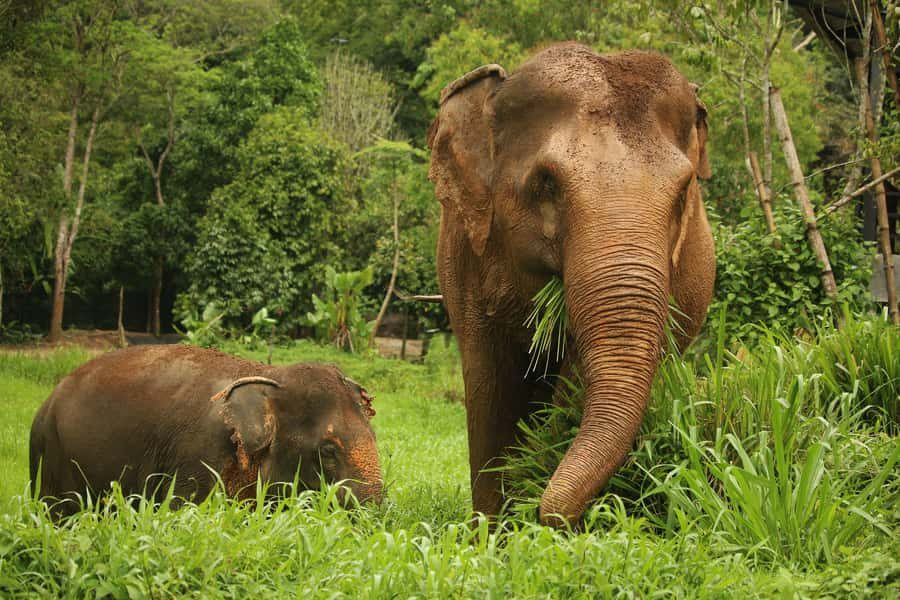
- Five rescued elephants live here: Lotus, Bow, Thonglor, Nong Tang, and Mae Boon Lai came from trekking, logging, and street begging backgrounds.
- The contact is fully hands-off: You watch, learn, and help prepare food, but touching, riding, and bathing are not allowed.
- The 210-minute program has variety: Expect wildlife viewing, an enrichment workshop, dung-paper demonstration, cooking class, lunch, and a final photo stop.
- The welfare credentials are unusually detailed: The reserve reports a 98% SGS Thailand audit result and an 86% ACES result, along with Good Animal Practices certification from the Phuket Regional Livestock Office.
- Lunch is included: You receive vegetarian Thai food, with a vegan option available if requested ahead of time.
- Come ready for the weather: Closed-toe shoes or sandals with good grip, sun protection, insect repellent, and a refillable water bottle will make the visit easier.
Why the hands-off approach matters
Elephant attractions can look similar on a booking page, but the rules tell you a lot. Here, no riding, bathing, touching, or chaining is permitted. The reserve keeps the focus on watching natural behavior rather than making an elephant perform for a camera.
That means you may see an elephant choose to forage, dust-bathe, or socialize while you remain at a respectful distance. You do not control the encounter. For an animal that has already worked in trekking, logging, or street begging, that lack of pressure is the point.
The reserve was established in 2019 and is certified by the Phuket Regional Livestock Office under Good Animal Practices. It also reports independent audits by SGS Thailand, with an overall score of 98%, and ACES, with an overall score of 86%. Those figures do not turn any wildlife visit into a perfect experience, but they give you more concrete information than a vague claim about being ethical.
The reserve is also a member of WISE and WARN Asia, and it is developing a partnership with World Animal Protection Thailand. It has received Tour Operator of the Year 2025 and Elephant Sanctuary of the Year 2023 recognition. The useful takeaway is this: you can ask what the sanctuary permits, how the animals arrived, and where your money goes. This program gives clear answers.
More Wildlife and Elephant Encounters in Thailand:
- Phuket: Elephant Nature Reserve Entry Ticket and Guided Tour
★ 4.9 · 223 reviews - Hua Hin: Kui Buri National Park Wild Elephant Watching
★ 4.4 · 139 reviews - Phuket Elephant Nature Reserve Ethical Sanctuary
★ 5.0 · 50 reviews
A calm start with five rescued elephants
Your morning or afternoon begins with check-in at Phuket Elephant Nature Reserve. Arrive 15 minutes early. You meet an English-speaking guide, with Russian also available, and receive a 15-minute safety briefing.
This opening explains the reserve’s mission and introduces the five elephants by name. Knowing that Lotus, Bow, Thonglor, Nong Tang, and Mae Boon Lai came from demanding former lives gives the rest of the visit more meaning. You are not simply looking at large animals in a forest. You are learning why this place exists.
The guide also sets the ground rules. Keep your distance, do not touch the elephants, and do not try to create a better photograph by moving closer. These instructions may sound strict, but they help keep the encounter calm. Claire from the United Kingdom specifically found guide Mike informative and appreciated how close the observation could feel despite the no-touch policy.
You can make your own way to the reserve, with free parking available. Round-trip hotel transfer is also offered from most Phuket areas as an optional choice at checkout, but it is not included in the base price. Confirm that detail before you pay, especially if you are staying far from the reserve.
Watching natural behavior on the jungle path
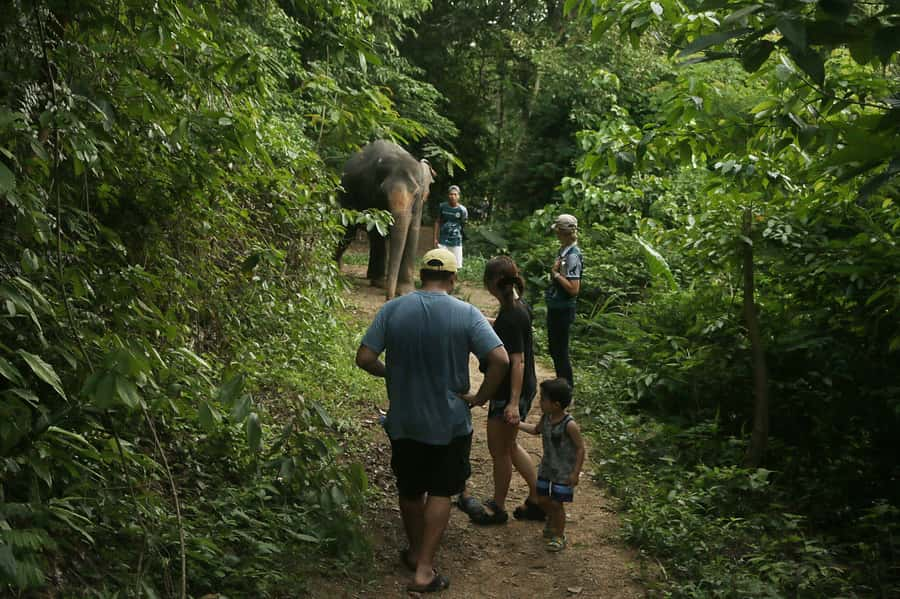
The wildlife viewing section lasts about 55 minutes. You walk along shady forest trails while the guide explains elephant behavior, diet, and communication. The route includes uneven ground, so good grip matters more than fashionable footwear.
This is the heart of the program. You might watch an elephant forage, dust-bathe, or interact with another elephant. The pace belongs to the animals, not to a performance schedule. That can mean a quiet spell, but quiet is useful here. It gives you time to notice how the elephants move and respond to one another.
The setting also helps. Instead of a bare enclosure, you see the elephants among jungle vegetation and natural ponds. You still remain on a supervised route, but the surroundings support a more respectful kind of viewing.
Do not expect a bathing session or a staged trick. There is no animal touching, and supervised feeding uses food prepared by staff. That may disappoint anyone hoping for a hands-on elephant encounter. For me, it is the feature that makes the experience easier to recommend.
Wear lightweight clothing, a hat, sunglasses, biodegradable sunscreen, and insect repellent. From May through October, bring a light rain jacket. Umbrellas are available if needed, but a rain jacket leaves your hands free on the path.
Making vitamin balls as a useful activity
After the forest viewing, you spend about 20 minutes preparing natural vitamin balls for the elephants. This is a small workshop, but it gives you a direct role in care without asking the animals to interact with you.
The enrichment has two purposes. The added nutrition supports health, while the activity encourages natural foraging behavior. You are helping prepare something useful rather than buying a snack to hand directly to an elephant.
That distinction is important. Feeding wildlife can become a problem when visitors bring unsuitable food or pressure animals to approach. Here, the staff prepares and manages the food, while you take part within the reserve’s welfare rules.
The workshop also breaks up the walking. If you are visiting with children, this hands-on task may hold their attention better than a long explanation about elephant anatomy. Children are welcome, and a play area is available on site, though the activity is still not suitable for wheelchair users or anyone who struggles with uneven paths.
More national park tours around Thailand:
- Chiang Mai: Doi Inthanon National Park Eco-Friendly Tour
★ 4.6 · 6,667 reviews - Doi Inthanon Waterfall and Royal Project Chiang Mai
★ 5.0 · 1,735 reviews - From Bangkok: Khao Yai National Park Small-Group Day Trip
★ 4.5 · 704 reviews - Chiang Mai: Doi Inthanon National Park and Pha Dok Siew Trek
★ 4.5 · 527 reviews
Turning dung into paper
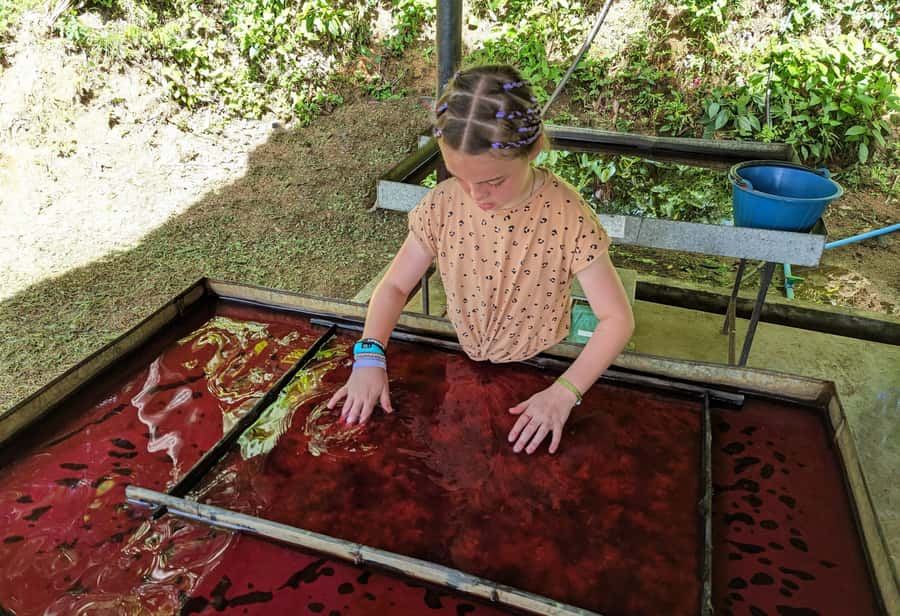
The guided program then takes you to the Elephant Dung Recycling Center for a paper-making demonstration. It is an amusing subject, but it also shows how the reserve thinks beyond the animal encounter.
Elephants produce a great deal of dung, and the center upcycles it into eco-paper and sustainable souvenirs. The point is not that every part of sanctuary life is charming. The point is that waste can become a useful resource, supporting a lower-waste operation.
This stop adds an environmental lesson that many elephant visits skip. Conservation is not only about keeping an elephant away from chains. It also involves food, veterinary care, waste, water, and the long-term costs of running a sanctuary.
You can buy personal souvenirs, but they are not included. Alcoholic drinks and other personal expenses are also your responsibility. The reserve provides drinking water, coffee, and tea, with refill stations available. Bring a reusable bottle because the site operates as a plastic-free venue.
Thai cooking with a jungle view
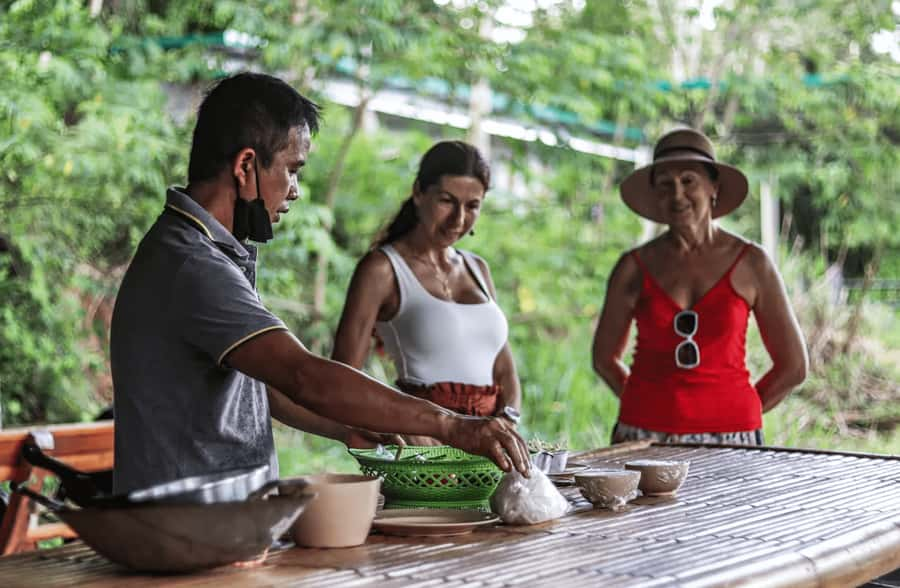
The cooking portion lasts about 20 minutes at the open-air Elephant Kitchen. You learn to prepare a classic Thai vegetarian or vegan dish, such as Tom Yum or Pad Thai, then sit down for a vegetarian lunch lasting about 30 minutes.
This is a smart addition to the half-day format. After watching animals and walking outdoors, you get a meal and a cultural activity instead of ending with a rushed farewell. The class is short, so think of it as a demonstration and guided preparation, not a full culinary school lesson.
The food is vegetarian, and vegan lunch is available on request. Tell the reserve about allergies and dietary needs in advance. It is better to make that clear before the day begins rather than hope the kitchen can improvise at the last moment.
Lunch also gives you time to absorb the visit. The open-air setting and jungle views keep the mood relaxed, while coffee and tea are available. If you want an attraction built only around elephants, this extra may feel unnecessary. I see it as part of the value because it turns the visit into a fuller morning or afternoon.
The final photo stop and farewell
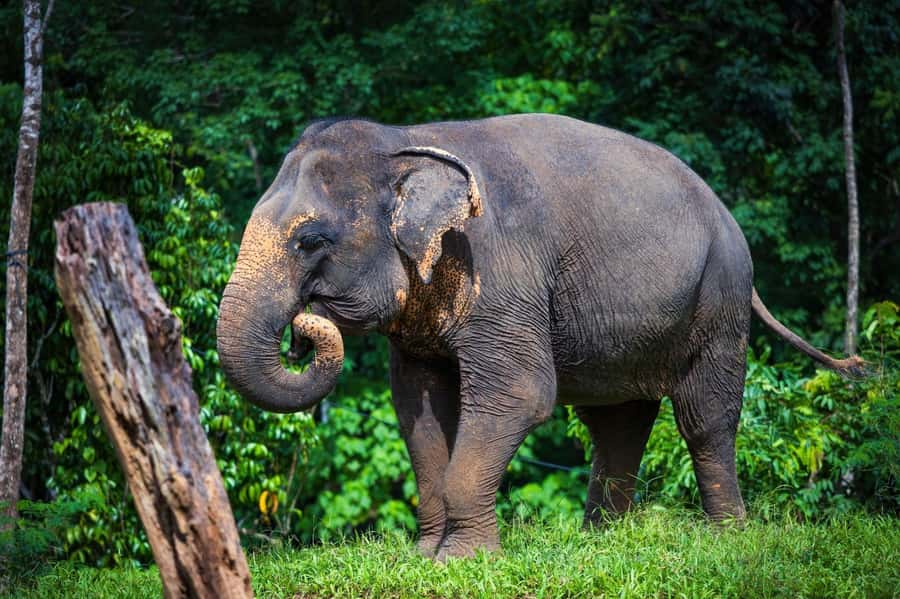
The last scheduled portion is a 10-minute photo stop. You can take memorable pictures from a respectful distance, without touching or crowding the elephants.
That distance may require you to rethink the usual wildlife photograph. You may not get a close-up selfie with an elephant’s trunk beside your face. You do get a record of seeing an animal in a setting where its choices matter more than your picture.
The farewell is also a chance to ask final questions about elephant care. The program leaves you with a clearer idea of how rescued elephants spend their days, what they eat, and why natural behavior matters.
Is $96 good value?
At $96 per person, this is not Phuket’s cheapest animal attraction. The price includes entry, an English-speaking guide, the safety and welfare briefing, jungle observation, supervised feeding with staff-prepared food, the vitamin-ball workshop, dung-paper demonstration, cooking class, vegetarian lunch, drinking water, coffee, tea, and accident insurance.
That is a lot for 210 minutes, especially when you add the reported welfare audits and the fact that your booking helps pay for elephant food, veterinary care, and future rescues. The value improves if you would otherwise book separate meals and activities during the same half-day.
The price is less convincing if you mainly want to touch an elephant, wash one, or ride one. You will not do any of those things here. The reserve’s value comes from ethical observation, education, and supporting ongoing care.
Small groups and limited spaces are part of the appeal, though the exact group size is not stated. The program is also highly rated, with 4.8 stars on Google, 5 stars on TripAdvisor, and 4.9 stars on GetYourGuide. The strongest praise focuses on calm conditions, caring treatment, informative guiding, and the cooking class. One short comment simply confirms the basic appeal: you see elephants. That is honest, but the wider program gives you more than a sighting.
Who should choose this experience?
I would recommend it to families, couples, solo visitors, and anyone who wants an ethical elephant encounter without physical contact. It suits people who enjoy learning how a sanctuary operates, not only taking photographs.
The program also works well if you want a half-day activity with food included. You get a mix of outdoor walking, animal observation, craft work, environmental education, Thai cooking, and lunch. It is not a full-day commitment, so you still have time for other Phuket plans.
It is a poor fit if you need wheelchair access, have significant mobility limits, or dislike uneven paths and warm weather. It is also a poor fit if the main goal is an interactive animal experience. The rules are clear: no touching, no riding, and no bathing.
Bring comfortable shoes, a hat, sunglasses, biodegradable sunscreen, insect repellent, weather-appropriate clothing, and a refillable water bottle. Keep drones, litter, intoxication, and animal contact out of the plan. Those rules protect both you and the elephants.
Should you book Phuket Elephant Nature Reserve?
Book this half-day program if you want to observe rescued elephants without asking them to perform. The strongest reasons are the welfare-first rules, the five named elephants, the forest setting, and the useful extras such as vitamin-ball preparation and dung-paper recycling.
Skip it if you want riding, bathing, or a close selfie. Also think twice if uneven walking is difficult for you. For everyone else, $96 buys a thoughtful 210-minute visit, a vegetarian meal, practical education, and direct support for food, veterinary care, and future rescues. That is a fair exchange for an experience built around letting elephants be elephants.
FAQ
How long does the Phuket Elephant Nature Reserve visit last?
The experience lasts 210 minutes, or three and a half hours. It includes the briefing, wildlife viewing, workshops, guided activities, cooking class, photo stop, and lunch.
Can I ride or bathe the elephants?
No. Riding and bathing are not permitted. The reserve is fully hands-off, and you must not touch the elephants.
Which elephants will I see?
The reserve is home to five rescued elephants named Lotus, Bow, Thonglor, Nong Tang, and Mae Boon Lai.
Is lunch included?
Yes. A vegetarian Thai lunch is included. A vegan option is available if you request it in advance.
What languages are available?
The live tour guide is available in English and Russian.
Is the activity suitable for wheelchair users?
No. The experience is not suitable for wheelchair users or people with mobility impairments because it includes gentle walking on uneven jungle paths.
Just added for the parks around Thailand
- Private Doi Inthanon National Park Sightseeing Day Tour★ 4.5 · 4 reviews
- Phuket: Elephant Nature Reserve Entry Ticket and Guided Tour★ 4.9 · 223 reviews
- Pa Pong Piang Rice Terraces & Doi Inthanon National Park★ 4.8 · 32 reviews
- Koh Phangan: Angthong National Park Speedboat Tour★ 3.4 · 18 reviews
- Ko Lanta: Old Town Sightseeing and National Park Tour★ 3.9 · 11 reviews
- koh lanta:National Park and Old Town Easy Half Day Tour★ 4.2 · 32 reviews
- Ko Lanta: National Park, Old Town, and Mangrove Kayak Tour★ 4.7 · 4 reviews
- Khao Yai National Park: Waterfalls – Heaw narok & Heaw Suwat★ 5.0 · 25 reviews
Thailand National Park Tours, compared.
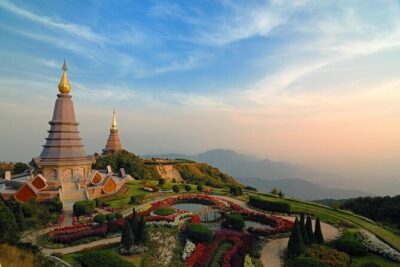
Doi Inthanon Waterfall and Royal Project Chiang Mai
Read our review →
Doi Inthanon National Park and Pha Dok Siew Trek
Read our review →
Khao Yai National Park Full-Day From Bangkok – Including Ticket
Read our review →
Doi Inthanon National Park, Waterfall & Royal Project Day Tour From Chiang Mai
Read our review →
Doi inthanon National Park + 2Hour Fantastic Trekking with Lunch
Read our review →Browse the lists this tour appears in