
Review · USA
Sequoia National Park: Sherman Tree & Congress Trail Walk
The main prize here is the General Sherman Tree, but the better part of the outing comes after the usual photo stop. Guide Scott takes you farther into Giant Forest, where sequoias, birds, squirrels, chipmunks, and signs of larger animals give the walk more meaning than a quick roadside visit.
I like the mix of wildlife biology and practical safety, plus the small-group pace. Scott has worked in Sequoia and Kings Canyon National Parks since 2014, once handled bears around campgrounds, and has led more than 1,000 tours. The catch is that this is a real high-elevation walk: three miles, two uphill sections, and about 6,000 feet above sea level.
Key points to know before booking

- See General Sherman Tree, then keep walking: The tour uses the famous tree as a starting point rather than the whole attraction.
- Led by a wildlife biologist: Scott brings a degree in wildlife biology, years in the parks, and former bear-management work.
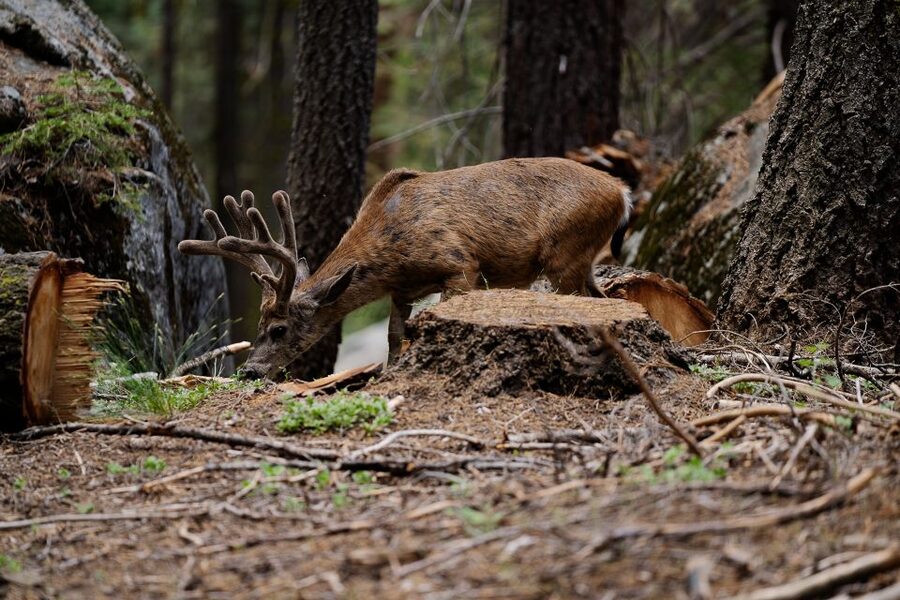
- Wildlife is possible, not promised: Sequoias, birds, squirrels, and chipmunks are guaranteed sights. Black bears and mule deer are chance encounters.
- A manageable but serious three miles: The route is paved in its opening section, but two climbs gain about 300 feet each.
- Small groups help the experience: You’ll be with fewer than 14 other people, so questions and photo stops are easier to manage.
- Good value for the right visitor: At $100 per person, the fee buys a private guide, safety support, field guides, trip-planning help, and focused interpretation, but not park entry or transport.
Why the General Sherman Tree is only the beginning
Many people reach the Giant Forest, walk to General Sherman Tree, take a few pictures, and leave. You can do that on your own, but this tour gives the famous tree a wider setting.
General Sherman Tree is the world’s largest tree by volume, and the opening stop gives you time to see it with a guide rather than treating it as a quick landmark. Scott covers the tree’s biology, the surrounding forest, and the safety basics needed for the rest of the walk. You’ll have about 15 minutes here for photos, questions, and a closer look.
That stop matters because giant sequoias can be hard to take in at first. Their scale is so unusual that a guide’s explanation helps you notice details beyond size. You may start asking how the trees reproduce, how they survive fire, and how their life changes over time.
The tour then moves farther into Giant Forest. This is where I see the strongest reason to book. The experience shifts from checking off a famous tree to understanding the plants and animals that share its space. Scott uses local field guides and identification books, so questions about birds, mammals, and plants have a practical answer rather than a vague response.
More national park tours around the USA:
- Miami: Everglades National Park Airboat Tour & Wildlife Show
★ 4.5 · 7,296 reviews - Clear Kayak Tour of Shell Key Preserve and Tampa Bay Area
★ 5.0 · 5,800 reviews - Discover Rocky Mountain National Park
★ 5.0 · 3,419 reviews
Meeting Scott at Upper Sherman Parking Lot
You meet at the Sherman Tree Trail access in the Upper Sherman Parking Lot. Look for the paved walkway around a group of boulders, the covered walkway, the restrooms, and the shuttle stop. Scott waits between the restrooms and the covered walkway.
The same spot is also where the tour ends. That makes the outing simple to manage, especially if you are using the park shuttle or arranging your day around a car parked nearby. There is no vehicle transport included, so you need to reach the trailhead on your own and pay the park entrance fee separately.
The meeting point can change with the season. If that happens, Big Trees Tours sends an update through the booking message system and the contact details you provide. Check those messages before setting out.
The first 10 minutes are used for a safety briefing. That may sound routine, but it is important here. You are above 6,000 feet, walking in bear country, and spending time in a forest where uneven effort and weather can affect the day. A guide with first-aid and CPR training, a first-aid kit, and an emergency medical contact device adds useful backup.
The first 15 minutes on foot
After the briefing, you begin with about 15 minutes of walking. This opening section helps the group settle into its pace before the main stops.
The guide can explain how the walk will work, point out early signs of forest life, and answer basic questions before the group spreads out. If you are visiting with children, this is also a useful time to establish simple wildlife rules. Watch from a safe distance, do not approach animals, and listen when the guide asks the group to pause or move on.
The advertised group size is fewer than 14 people plus the guide. That is not a private one-on-one tour, but it is small enough for people to ask questions without shouting over a crowd. It also gives Scott more room to adjust the pace. One guest in her later years completed the three-mile walk at a slower speed, and the guide was able to accommodate that.
Still, do not read great for all ages as effortless for everyone. The altitude and hills are real considerations. Comfortable clothes, hiking shoes, water, sun protection, and a daypack are sensible choices. Rain gear and insect repellent belong in the pack too, since the tour runs in rain unless conditions become unsafe.
General Sherman Tree: a 15-minute lesson in scale
The visit to General Sherman Tree lasts about 15 minutes. You get a photo stop, sightseeing time, a second safety reminder, and an introduction to wildlife viewing.
A short stop keeps the tour moving, but it also means you should arrive ready to look closely. This is not the place to spend the entire afternoon taking posed pictures. Scott’s role is to help you understand what you are seeing, then guide you toward the next part of the forest.
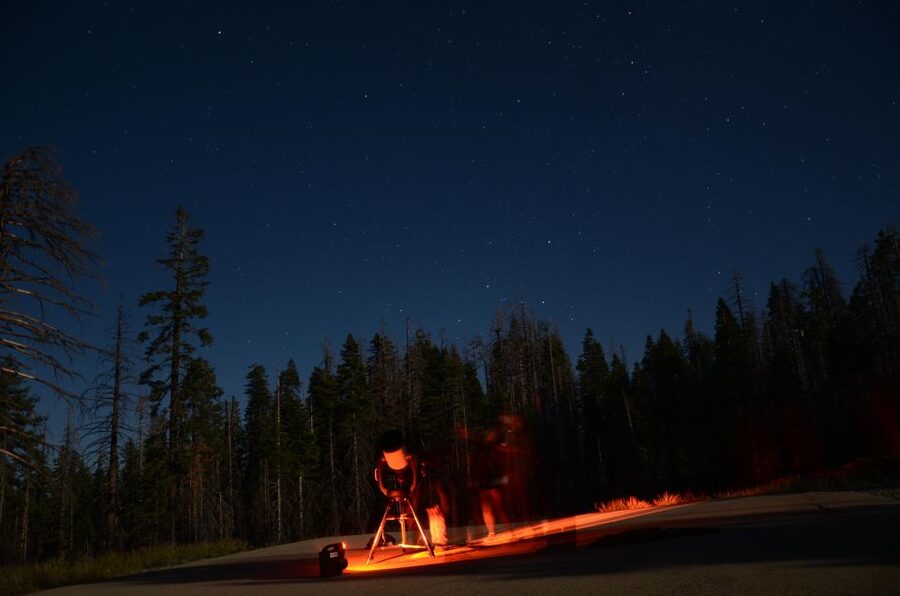
His background is useful here. He has a wildlife biology degree, more than six years of guiding and astronomy experience, and a former job dealing with black bears around campgrounds. That combination gives the tour both science and park know-how. Expect facts, stories, theories, and plenty of jokes, especially puns.
The bear experience is worth noting, but it should not be misunderstood. You may see a black bear, but you may not. Black bears and mule deer appear by chance, and taking more than one tour does not increase your odds. The reliable sightings are sequoias, birds, squirrels, chipmunks, and the forest itself.
Same parks, a different way to see them:
- Yosemite Highlights & Giant Sequoias Day Tour from San Francisco
★ 4.5 · 3,455 reviews - Mt. Rainier National Park Highlights Tour
★ 5.0 · 3,156 reviews - Grand Canyon National Park South Rim Bus Tour from Las Vegas
★ 4.5 · 3,071 reviews - Wilderness, Wildlife, Glacier Experience from Anchorage
★ 5.0 · 3,004 reviews
The next 30 minutes: moving into Giant Forest
After the Sherman Tree stop, you walk for roughly 30 minutes. This is the longest continuous walking stretch in the first half of the route and the point where the tour becomes more than a landmark visit.
Scott talks about the plants and animals that make the forest their home. The value of this section comes from learning how to pay attention. A squirrel or chipmunk is easy to spot, but a guide can connect that sighting to the forest around it. Birds may be easier to identify when you know what to listen and look for. Small details in the trees and ground can become part of a larger explanation.
You also get a chance to ask about the area’s natural and cultural history. The wording here matters: this is not a museum lecture or a long formal talk. It is a walking conversation shaped by what the group sees and asks about.
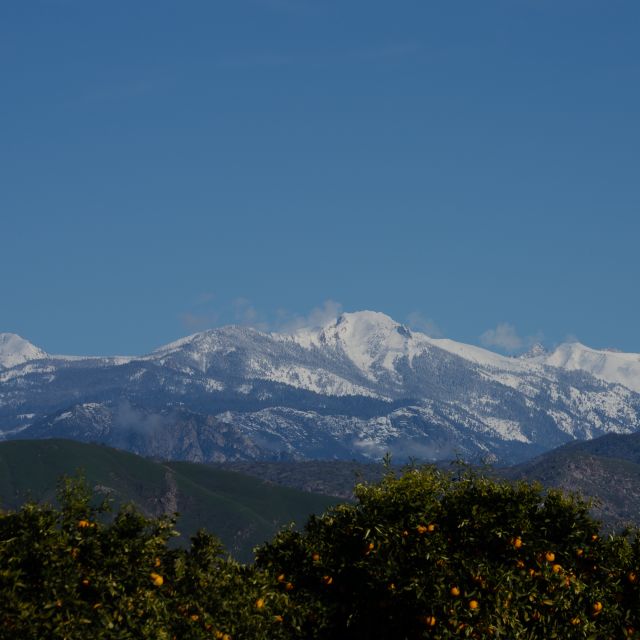
The route includes a hill with an elevation gain of about 300 feet. At 6,000 feet or higher, the same climb can feel harder than it would at home. Take the guide’s pace seriously, drink water, and avoid treating the first easy section as proof that the whole walk will feel easy.
Two Giant Forest stops with time to look around
The schedule includes two further Giant Forest stops, each around 15 minutes. Both allow for photos, guided interpretation, sightseeing, and wildlife viewing.
These pauses break up the longer walking sections. You are not expected to march for three hours without stopping, and the guide can spend more time on subjects that interest the group. One family found the route easy to manage and appreciated being able to decide where to pause longer for pictures and where to keep moving.
That flexibility is one of the tour’s better features. A fixed route does not have to mean a rigid experience. If the group is curious about a particular tree, animal sign, or view, there is room for questions. If children are tiring or someone needs a slower rhythm, the small group makes adjustment easier.
The stops also make the experience useful for mixed-age groups. A 12-year-old can ask direct questions, while an adult can focus on forest ecology, park management, or local history. Scott is accustomed to speaking with children as well as adults, and his humor helps keep the information from feeling like a classroom lesson.
The final 45 minutes back to the parking area
The return includes another 15-minute walking section and a final 30-minute stretch back to Sherman Tree Parking Access. By this point, you will have spent time at the famous tree and farther inside Giant Forest, but you still need enough energy for the walk out.
This is where good preparation pays off. Bring water and food for before or after the tour, since neither is provided. Wear shoes suited to walking, use sunscreen, and carry a hat and sunglasses. Rain gear is sensible because the tour takes place rain or shine unless weather, park closures, or another safety issue forces a change.
You finish where you started, near the restrooms and shuttle stop. The total route is about three miles over three hours. That works out to a relaxed pace with regular stops, not a fast hike, but the two hills and elevation can still make it tiring.
Wildlife viewing with a safe distance
The wildlife promise is carefully limited, and that is a good thing. You are guaranteed to see sequoias, birds, squirrels, chipmunks, and impressive views. Bears and mule deer are possible, but no responsible guide can schedule them.
Scott’s past bear-management work adds practical value. You learn about animal biology and behavior while also hearing how to view wildlife safely. That is better than treating a bear sighting as the sole reason to book.
The tour includes wildlife safety and occasional berry eating when berries are in season and a parent gives permission. That detail is aimed at families, but it also reflects the guide’s hands-on approach to the forest. Follow instructions closely, and do not assume that something growing in the park is safe to eat simply because it looks familiar.
The best mindset is to see wildlife as a bonus. If you book mainly for a guaranteed bear, you may be disappointed. If you want to learn how to notice the smaller, more dependable life around the sequoias, the tour makes good sense.
Is $100 per person fair?
The price is $100 per person. That does not include transportation to the trailhead, park admission, food, or drinks, so add those costs when planning your day.
I think the fee is fair if you have limited time, are new to the park, or want a guide who can combine wildlife knowledge with safety. You receive a wildlife biologist as your guide, a trained leader with more than 1,000 tours behind him, first-aid and CPR training, emergency contact equipment, field guides, accessibility accommodations, and help with trip planning.
The price is less compelling if you enjoy researching trails and are happy to explore on your own. The route is accessible without a paid guide, and the main tree is a well-known stop. You are paying for interpretation, structure, safety awareness, and the chance to ask questions throughout the walk.
Three percent of the tour revenue goes back to the parks. That will not decide the purchase by itself, but it gives the fee a small conservation connection.
Who will get the most from this walk?
This tour suits first-time visitors who want more than a photo at General Sherman Tree. It is also a strong choice for families, older walkers who prefer a measured pace, and anyone interested in wildlife rather than only tree size.
The small group helps people with different interests share the same outing. Children can ask questions, adults can learn about biology and park history, and photographers have several planned pauses. Wheelchair accessibility and other accessibility accommodations are offered, though you should discuss your needs when booking because the route includes two uphill sections.
You must have an adult with minors. Unaccompanied minors are not allowed. Assistance dogs are permitted, but other pets are not.
English is the tour language. If you need another language, this is not the right option based on the information provided.
Weather, cancellations, and useful planning
The tour normally runs in rain or shine. Big Trees Tours can reschedule or cancel with a refund if weather becomes hazardous, the park closes, or another safety issue affects the route. Government shutdowns and park closures can also change plans.
Check the local park forecast during the week before your visit and watch for updates from the operator. At 6,000 feet, conditions can differ from the weather in nearby towns, so do not pack only for the place where you spend the night.
You can cancel up to 24 hours before the tour for a full refund, and the reserve-now, pay-later option keeps you from paying at the time of booking. That flexibility helps if your wider Sequoia itinerary depends on road conditions or park access.
Should you book the Sherman Tree and Congress Trail Walk?
Book it if you want a guide to turn a famous tree stop into a wider forest lesson. Scott’s mix of wildlife biology, bear-management experience, park work, humor, and careful pacing is the main reason this costs more than a self-guided walk.
Skip it if you want a fast, independent visit or if three miles at high elevation sounds beyond your comfort level. Also skip it if you are booking only for a bear sighting, since bears and mule deer are never guaranteed.
For most first visits, I would choose this tour when time is short and learning matters. You see General Sherman Tree, walk deeper into Giant Forest, get help spotting wildlife, and return to the same parking area after three hours. That is a useful, focused way to meet Sequoia National Park.
FAQ
How long is the tour?
The tour lasts three hours and covers about three miles, or 4.8 kilometers.
Where does the tour meet?
Meet at Sherman Tree Parking Access in the Upper Sherman Parking Lot, between the restrooms and the covered walkway near the shuttle stop. The same area is used at the end of the tour.
Is General Sherman Tree included?
Yes. The route begins at the Sherman Tree Trail access and includes a guided visit and photo stop at General Sherman Tree.
Will I see a black bear?
A black bear sighting is possible but not guaranteed. Bears and mule deer occur randomly, while sequoias, birds, squirrels, and chipmunks are guaranteed sights.
How difficult is the walk?
The route covers three miles at an elevation above 6,000 feet and includes two hills with elevation gains of about 300 feet each. The pace includes several stops, but you should be prepared for a high-elevation walk.
Is the tour wheelchair accessible?
Yes, wheelchair accessibility and accessibility accommodations are offered. The route also includes two uphill sections, so discuss your specific needs when booking.
What does the $100 price include?
The fee includes the wildlife biologist guide, a trained guide, a small group of fewer than 14 guests plus the guide, first-aid support, an emergency medical contact device, field guides, wildlife safety information, and trip-planning help. Park admission, transportation, food, and drinks are not included.
Can I cancel if my plans change?
Yes. You can cancel up to 24 hours in advance for a full refund. The operator may also reschedule or cancel because of hazardous weather, park closures, government shutdowns, or other safety concerns.
Just added for the parks around the USA
- St. George: Sunset ATV Adventure near Zion National Park★ 5.0 · 12 reviews
- Springdale: Guided eBike Tour in Zion National Park★ 4.9 · 61 reviews
- Small Group: Olympic National Park Day Tour From Seattle★ 4.7 · 133 reviews
- Seattle:Small Group Mount Rainier National Park 1-Day Tour★ 4.6 · 46 reviews
- Sitka: Guided Alaskan Wilderness Trail Adventure Hike★ 5.0 · 3 reviews
- Seward: Kenai Fjords National Park Extended Cruise★ 5.0 · 47 reviews
- Seward: Kenai Fjords National Park Glacier & Wildlife Cruise★ 4.9 · 76 reviews
- Seward: Captain’s Choice Kenai Fjords National Park Tour★ 5.0 · 16 reviews
USA National Park Tours, compared.

Everglades National Park Airboat Tour & Wildlife Show
Read our review →
Clear Kayak Tour of Shell Key Preserve and Tampa Bay Area
Read our review →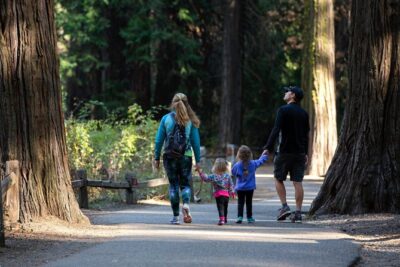
Yosemite Highlights & Giant Sequoias Day Tour from San Francisco
Read our review →
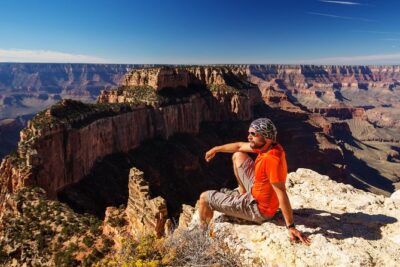
Grand Canyon National Park South Rim Bus Tour from Las Vegas
Read our review →
Wilderness, Wildlife, Glacier Experience from Anchorage
Read our review →
Bryce Canyon & Zion National Park from Las Vegas with Lunch, WiFi
Read our review →Browse the lists this tour appears in