
Review · PHUKET
Phuket Elephant Nature Reserve Ethical Sanctuary
At Phuket Elephant Nature Reserve, you watch elephants behave like elephants. They wander through jungle areas, visit natural water ponds, and follow their own routines while mahouts keep watch. The key difference is simple: no riding, bathing, touching, or forced tricks. You still get close views, but the animals come before the photo opportunity.
I like two things right away. First, the visit explains why hands-off care matters, rather than simply putting you beside an elephant for a quick picture. Second, preparing food and vitamin balls gives you something useful to do without turning the elephants into performers. The half-day program also includes a Thai cooking lesson and lunch, which adds real value to the admission price.
The main consideration is the heat. Phuket is hot and humid, and a longer visit can feel tiring, especially outdoors. A shorter 90-minute option may suit you better if you want the elephant experience without the full cooking program, while the advertised half-day visit lasts about three and a half hours.
Key points at a glance
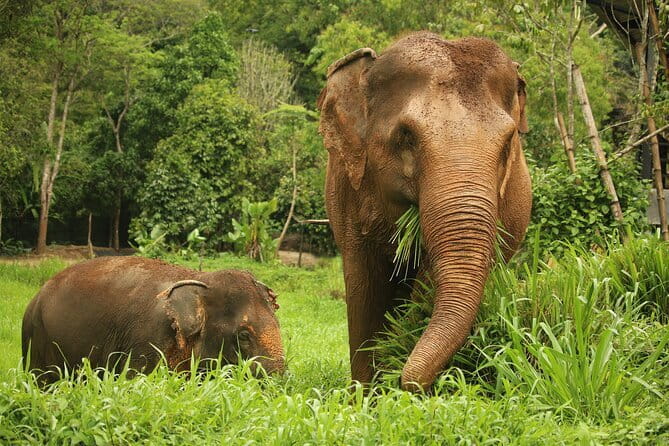
- Hands-off elephant encounters: Watch rescued elephants at close range without riding, bathing, touching, or direct hand feeding.
- Food preparation with the mahouts: Cut fruit and help make vitamin balls, then watch the elephants eat what you prepared.
- A useful ethical lesson: The guides explain how tourist activities can harm elephants and why free movement matters.
- Thai cooking and lunch: The half-day program includes a cooking demonstration and a meal based on what you learn to prepare.
- Dung recycling in action: See how elephant waste is reused at the sanctuary rather than treated as a nuisance.
- Good choice for families: Children can take part in food preparation and leave with a clearer idea of responsible animal tourism.
Why the hands-off approach matters
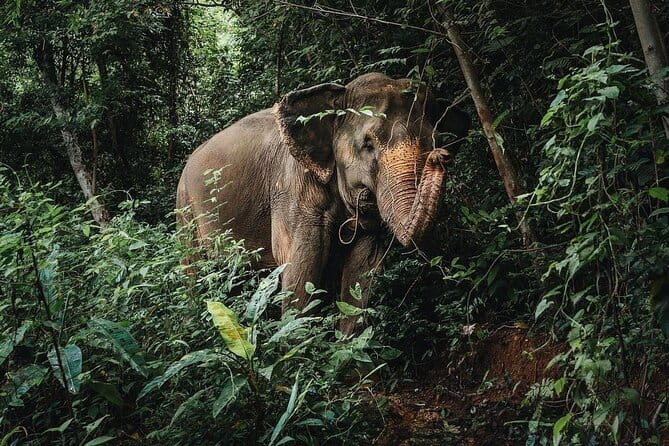
Many elephant attractions sell contact as the main event. You bathe an elephant, climb onto its back, or feed it directly from your hand. Those activities can look gentle, but they often require elephants to tolerate close human control, repeated handling, and behavior that is not natural to them.
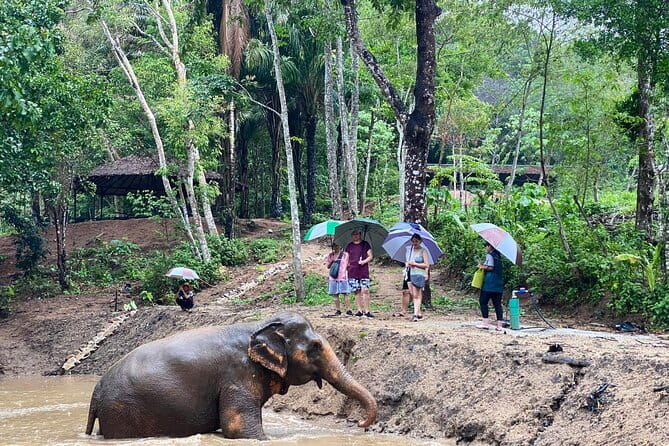
This sanctuary takes a different route. You watch the elephants in open areas and around water ponds while the mahouts follow them. The animals are not asked to perform, and the experience does not depend on a perfect photograph or a forced interaction.
That means you need to adjust your expectations. You will not rub an elephant’s ears or stand under a shower with one. You may not get the close-up portrait you imagined. In return, you see a more honest scene: elephants moving, eating, resting, and choosing where to go.
I find that trade worthwhile. The visit turns the lack of physical contact into part of the lesson. You learn that caring for elephants is not the same thing as giving every visitor access to their bodies.
More Wildlife and Elephant Encounters in Thailand:
- Phuket: Elephant Nature Reserve Entry Ticket and Guided Tour
★ 4.9 · 223 reviews - Hua Hin: Kui Buri National Park Wild Elephant Watching
★ 4.4 · 139 reviews - Phuket Elephant Nature Reserve – Half Day Elephant Adventure
★ 4.9 · 20 reviews
Watching elephants in the jungle and at the ponds
The central part of the visit is observation. After an introduction and briefing, you head toward the areas where the elephants roam. The sanctuary provides views in the jungle and at natural water features, so the setting is more than a fenced photo platform.
Your guide explains what you are seeing and how the elephants live at the reserve. You may watch them move between shaded areas and the ponds, eat food prepared by the team, or simply stand and observe their surroundings. The pace depends on the elephants, not on a fixed show schedule.
That is one reason the experience feels different from a standard animal attraction. You are not promised a trick, a bath, or a carefully timed display. You are given a chance to watch.
Bring a camera, but keep it secondary. The best moments may be quiet ones, and the elephants will not arrange themselves for every photograph. Comfortable shoes, a hat, and sunglasses are important, since much of the time is spent outdoors. The reserve asks you to bring your own reusable water bottle for the refill station, a sensible choice in Phuket’s heat.
Preparing food with the mahouts
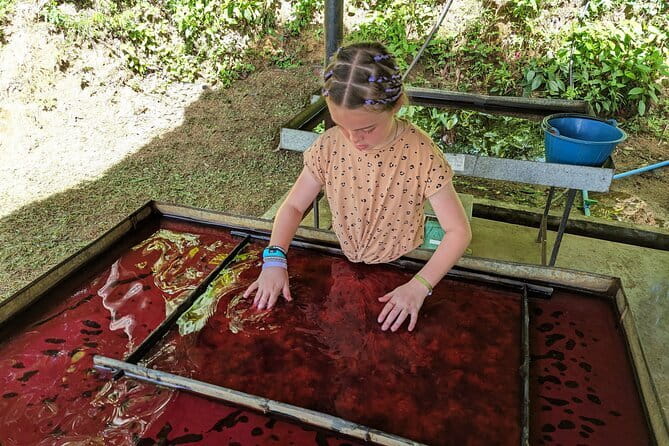
Food preparation gives the visit a practical center. You help prepare fruit and make vitamin balls for the elephants with the mahouts. The task is hands-on for you, but the elephant interaction remains controlled and respectful.
The distinction matters. You are not passing food directly from your hand to an elephant. Instead, you help prepare the food, then watch as the elephants receive and eat it. This lets you take part in care work without encouraging the animals to crowd around visitors.
For children, this can be the most useful part of the day. Cutting fruit and shaping vitamin balls is easier to understand than a lecture about animal welfare. You can point out that helping an elephant does not require climbing on it or touching it.
The activity also gives you a better sense of the daily work behind a sanctuary. Elephant care is not only about rescue stories and photographs. It involves food, water, supervision, cleaning, and long-term attention. The food preparation makes that work visible.
Learning why elephant tourism can be harmful
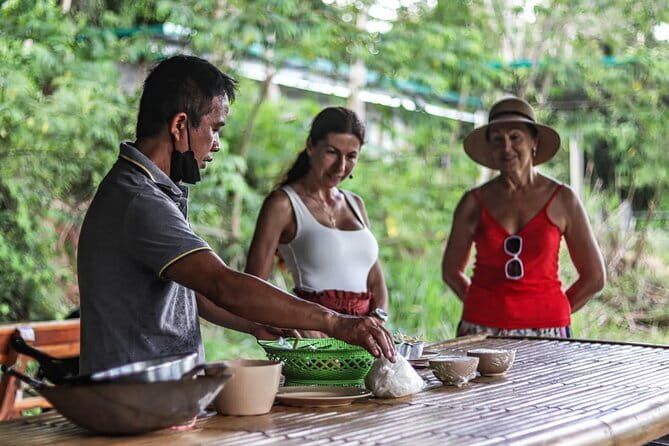
The education element is not an optional extra. The briefing explains the sanctuary’s approach and the problems linked to riding, bathing, and other close-contact tourist activities.
This is especially useful if you are comparing several elephant attractions in Phuket. A place that uses the word ethical may still offer direct contact, performances, or scheduled bathing sessions. Here, the rules are clearer: no touching, no bathing, no riding, and no direct hand feeding.
The guide’s explanation helps you understand the difference instead of asking you to accept a label. Guides named Tom, Steve, and Dong have been praised for making the information clear and engaging, though the guide assigned to your visit can vary.
I would pay attention during the introduction. It gives the rest of the visit more meaning. Once you understand why the elephants are allowed to move freely, watching one stroll away from the group becomes a success, not a missed photo opportunity.
More national park tours around Thailand:
- Chiang Mai: Doi Inthanon National Park Eco-Friendly Tour
★ 4.6 · 6,667 reviews - Doi Inthanon Waterfall and Royal Project Chiang Mai
★ 5.0 · 1,735 reviews - From Bangkok: Khao Yai National Park Small-Group Day Trip
★ 4.5 · 704 reviews - Chiang Mai: Doi Inthanon National Park and Pha Dok Siew Trek
★ 4.5 · 527 reviews
The dung recycling center adds an unexpected lesson

The elephant dung recycling center may not sound like the headline attraction, but it is one of the more memorable stops. You learn how the sanctuary recycles elephant waste and puts it to use.
This part shows how a working elephant reserve handles the less glamorous side of animal care. Large animals produce large amounts of waste, and responsible care means dealing with it in a practical way. The recycling lesson connects elephant welfare with daily operations, not just emotional rescue stories.
It is also a good reminder that a sanctuary is not a theme park. The place exists to care for animals, and that involves systems most visitors never think about. The dung center makes those systems easier to see.
This stop is included in the half-day program. If you choose the shorter visit, you should not expect the full set of educational activities.
Thai cooking turns the half-day into a fuller outing

The half-day program begins or includes a Thai cooking session, depending on the schedule. You watch a cooking demonstration, take part in preparing the meal, and then eat what you have learned to make.
The cooking class changes the shape of the visit. Instead of three and a half hours focused only on elephant viewing, you get a cultural activity and a proper lunch as well. The meal has been described as tasty, and the class gives you something to remember beyond the photographs.
This is a good fit if you want a slower morning or afternoon. It also helps justify the higher cost compared with a short elephant observation session. You are paying for the sanctuary visit, education, food preparation, dung recycling lesson, cooking demonstration, and lunch.
Still, do not choose the half-day option only because it sounds like the better deal. If you dislike organized cooking classes or struggle in hot weather, the shorter program may be the smarter choice. Several sessions are described as about 90 minutes, and that length can be enough to see the elephants, prepare food, and hear the basic welfare message without wearing yourself out.
How much value do you get for $39.11?
At $39.11 per person, this is reasonably priced for a half-day activity that includes lunch, water, insurance, a guide, elephant food preparation, the recycling center, and the cooking session. The price also supports the reserve’s care work, which is an important part of the purchase for many people.
The value is strongest if you use the full program. You receive more than a short photo stop, and the cooking class gives the outing a second purpose. Families and first-time visitors to Phuket may find the combination especially useful because it joins animal education with a local food activity.
The shorter visit is a different calculation. If you only want to see elephants ethically and spend less time outside, a 90-minute session may offer better personal value. Some people find three or four hours tiring in summer heat, while others feel the longer option is worth the extra money.
I would compare the choices by asking one question: do you want a quick, focused animal visit or a half-day activity with food and education? The answer matters more than the small price difference.
Timing, transport, and what to bring
Transport is not included, so you must arrange your own way to the Phuket Elephant Nature Reserve. The site is near public transportation, but the booking information does not provide a pickup service. Check your route and allow enough time, especially if you are relying on connections.
The experience lasts approximately three hours and 30 minutes in its half-day form. Start times can vary, and one reported session began at 1 p.m. The shorter program is often described as 90 minutes, so confirm which format you are booking before you pay.
Wear shoes you can walk in comfortably. The reserve asks you to bring a hat, sunglasses, and your own water bottle for the refill station. Water is available as part of the experience, but Phuket’s humidity makes regular hydration important.
Rain does not necessarily ruin the visit. Elephants may become more active in wet weather, and the reserve continues operating in changing conditions. Still, bring suitable clothing and accept that the outdoor portions are weather dependent.
The booking includes insurance and confirmation at the time of purchase. Service animals are allowed, and most people can participate. Free cancellation is available up to 24 hours before the start time. Within 24 hours, refunds and changes are not accepted.
Who will enjoy this sanctuary most?
This experience suits you if you want to see elephants without supporting riding, bathing, or forced contact. It is a strong pick for families because the food preparation gives children a clear activity, while the welfare briefing helps them understand why some popular elephant attractions are not responsible choices.
It also works well for first-time visitors who want structure. You receive an introduction, guided observation, food preparation, and, with the half-day option, cooking and lunch. You do not need to plan several separate activities.
The shorter session may suit older people or anyone who tires easily in heat. It can also work for a packed Phuket schedule. The half-day version is better for you if you want time for the dung recycling lesson, vitamin balls, cooking, and lunch.
You should think twice if direct animal contact is your main goal. This is not the place for bathing, touching, or holding an elephant’s trunk. The experience asks you to value observation over access.
Should you book the Phuket Elephant Nature Reserve?
I would book it if your priority is a clearly hands-off elephant experience with useful education and a real sanctuary setting. The strongest parts are the free movement, the explanation of harmful tourist practices, the food preparation, and the chance to see how the reserve handles everyday care.
Choose the half-day program if you want Thai cooking and lunch, and if three and a half hours in the heat sounds manageable. Choose the shorter visit if you mainly want elephant observation and food preparation without a longer outdoor commitment.
The sanctuary will not give you every classic elephant photograph. That is the point. You leave with a better understanding of what respectful care looks like, plus a meal and a few practical lessons that make the price feel fair.
FAQ
Where is the Phuket Elephant Nature Reserve?
The reserve is in Phuket, Thailand.
How long does the experience last?
The half-day program lasts approximately three hours and 30 minutes. A shorter option is described as lasting about 90 minutes.
How much does the experience cost?
The listed price is $39.11 per person.
Can I ride the elephants?
No. Elephant riding is not part of the experience.
Can I bathe or touch the elephants?
No. The sanctuary uses a hands-off approach, so bathing and touching are not permitted.
Can I feed the elephants directly?
Direct hand feeding is not permitted. You can help prepare food and vitamin balls, then watch the elephants eat.
Is lunch included?
Thai lunch is included with the half-day program. The program also includes a Thai cooking demonstration and meal preparation.
What else is included in the half-day program?
The half-day program includes elephant observation, food preparation, making vitamin balls, the elephant dung recycling center, a Thai cooking session, lunch, water, a guide, insurance, and admission.
Is transportation included?
No. Transportation to the reserve is not included. The site is near public transportation.
Can I cancel for a full refund?
Yes, if you cancel at least 24 hours before the experience start time. Cancellations or changes made less than 24 hours before the start time are not accepted for a refund.
Just added for the parks around Thailand
- Private Doi Inthanon National Park Sightseeing Day Tour★ 4.5 · 4 reviews
- Phuket: Elephant Nature Reserve Entry Ticket and Guided Tour★ 4.9 · 223 reviews
- Phuket Elephant Nature Reserve – Half Day Elephant Adventure★ 4.9 · 20 reviews
- Pa Pong Piang Rice Terraces & Doi Inthanon National Park★ 4.8 · 32 reviews
- Koh Phangan: Angthong National Park Speedboat Tour★ 3.4 · 18 reviews
- Ko Lanta: Old Town Sightseeing and National Park Tour★ 3.9 · 11 reviews
- koh lanta:National Park and Old Town Easy Half Day Tour★ 4.2 · 32 reviews
- Ko Lanta: National Park, Old Town, and Mangrove Kayak Tour★ 4.7 · 4 reviews
Phuket National Park Tours, compared.
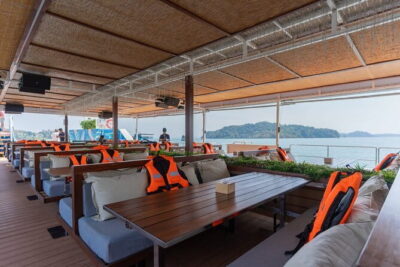
Exploring Phang Nga Bay national park with Lunch and Dinner
Read our review →
Khao Sok National Park & Samet Nangshe Private Tour from Phuket
Read our review →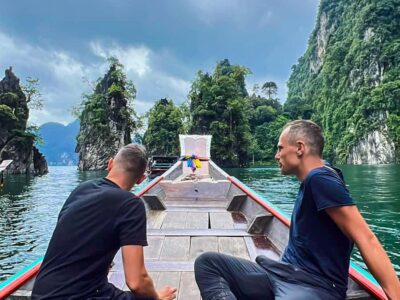
Phuket: Hong Island Lagoon and Lao Lading Island Speed Boat
Read our review →Browse the lists this tour appears in