
Review · NATIONAL PARKS
From Cusco: Manu National Park 3 Day Tour
The best moment here may be the dawn visit to a riverbank clay lick, where several parrot species gather to eat mineral-rich clay. You also get a rare look at the Andean cock-of-the-rock and its courtship ritual, plus a gradual change from highland valleys to thick cloud forest and lowland jungle.
I like the small group of up to 17 and the way the tour mixes wildlife with local culture, including Paucartambo, pre-Inca tombs, a coca plantation, and a rescue center. The price also covers transport, park entry, accommodation, meals, kayaking, and a guide. The tradeoff is long road travel and a packed schedule, with occasional uncertainty about timing and basic conditions at the first overnight stop.
Key points before you book
- The cock-of-the-rock is the star of Day 1: Learn about Peru’s national bird and its unusual courtship display in the cloud forest.
- The clay lick requires an early start: A speedboat takes you to a riverbank wall where parrots eat clay to aid digestion and remove toxins.
- You get more than wildlife: Paucartambo, Lupaca tombs, a coca plantation, and a rescue center add cultural and educational value.
- The trip changes environments fast: You move from Cusco’s Andean valleys through cloud forest to the Alto Madre de Dios River.
- The $370 price covers the main costs: Transport, two nights, meals listed in the plan, park admission, kayaking, and guiding are included.
- Pack for heat, rain, and insects: Comfortable shoes, swimwear, sunscreen, rain gear, insect repellent, binoculars, and a reusable water bottle all matter.
From Cusco’s high valleys to the Manu gateway
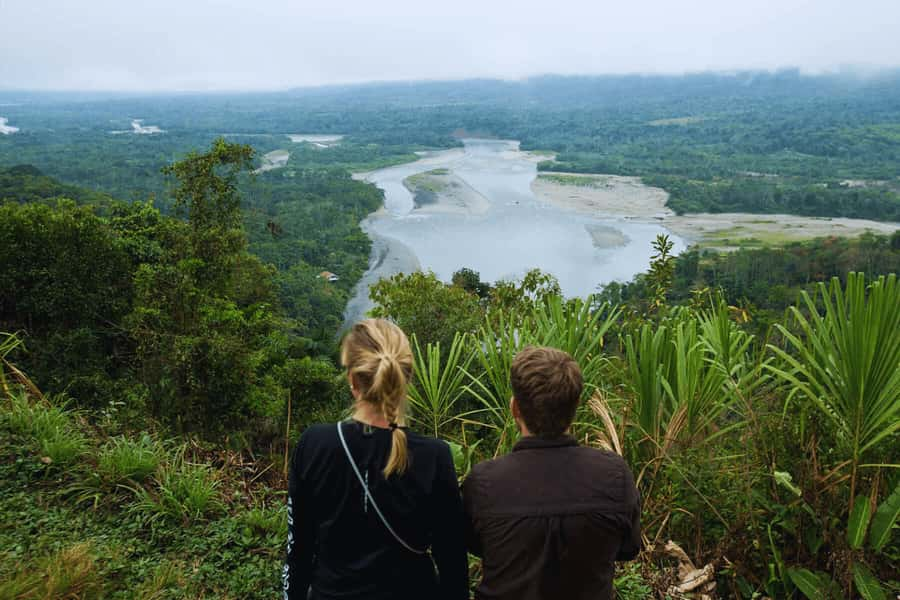
This is not a quick wildlife outing from Cusco. The first day is a long transition through changing climates, and that is part of the point. You leave the Andes behind, pass through valleys and picturesque towns, and gradually reach the cloud forest on the road toward Manu National Park.
I like this route because it gives you a sense of how sharply Peru’s environments change. You are not simply dropped into a jungle setting. You watch the scenery shift from mountain country to wetter forest, with more orchids, bromeliads, ferns, and native animals along the way.
The road time is also the main drawback. With only three days, the tour must cover a lot of ground. If you want a slow forest stay with long walks each day, this schedule may feel rushed. If you want a compact introduction to Manu’s cultural zone and surrounding forest, the route makes good use of limited time.
Pickup and drop-off in Cusco are included, and transport is by coach or minibus on the road sections. The small-group format, capped at 17 people, should make the transfers and stops easier to manage than a large coach tour, though you should still expect a full day of travel on Day 1.
More Three-Day Trips in the world:
- 3-Day Chitwan National Park Jungle Safari Tour Package with Pick Up
★ 5.0 · 184 reviews - 3 Day Serengeti National Park & Ngorongoro Crater Camping Safari
★ 5.0 · 142 reviews - From Johannesburg: Kruger National Park 3-Day Safari
★ 4.7 · 78 reviews
Lupaca tombs and colonial Paucartambo
One of the first meaningful stops is at pre-Inca tombs linked to the Lupaca culture. This adds context before the wildlife begins. You get a reminder that the road to Manu passes through places shaped by people and customs long before modern Peru.
The next stop is Paucartambo, a colonial city where you visit the local museum. It is a useful pause in the journey and gives the day more variety than a straight ride into the forest.
I appreciate this pairing of archaeology and local culture with nature. The tour does not treat Manu as a place without human history. Still, keep your expectations measured. The supplied details do not promise a long museum visit or an extensive archaeological tour, so think of these as focused stops within a larger journey.
Lunch takes place in the cloud forest. This is where the trip begins to feel distinctly different from Cusco. The forest is cooler and wet, plant life is thick, and you may notice orchids, bromeliads, and ferns around the road and walking areas.
The Andean cock-of-the-rock in the cloud forest
The Andean cock-of-the-rock is one of the tour’s strongest reasons to go. Peru’s national bird has a striking courtship ritual, and the guide explains how the display works and why the bird is important.
The tour information does not guarantee a close sighting, so bring binoculars and keep your expectations realistic. Wildlife watching depends on weather, timing, and the animals. Even if the bird is not perfectly visible, learning about its behavior in the cloud forest gives this stop real value.
This part of the trip also introduces the plants and sounds of the forest. You may see native fauna such as the Andean bear, along with the birdlife and plant species associated with this zone. The details provided do not promise an Andean bear sighting, so treat it as a possibility rather than a scheduled event.
You spend the night at a hostel. One practical note: the first overnight property may have untidy areas around the grounds. The food has been a strong point, but the lodging is functional rather than polished. Pack with that in mind and focus on the setting and the early access to the forest.
A morning forest walk, coca plantation, and rescue center
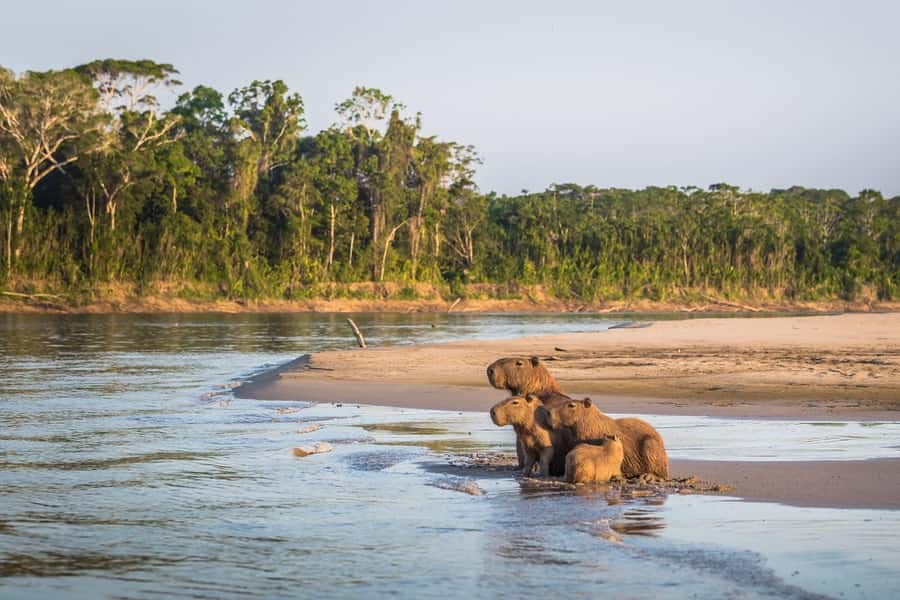
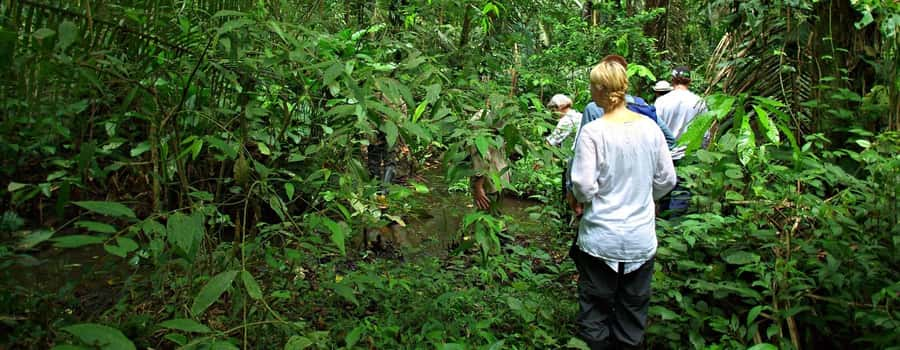
Day 2 starts early with breakfast, followed by a walk to look for forest animals. Early hours are useful for wildlife activity, but this is not a leisurely morning. You need to be ready on time, with closed, comfortable shoes and insect repellent.
The tour then visits a coca plantation. This is a chance to learn about a plant with an important place in Andean and Peruvian life. The supplied information does not give a detailed lesson plan, so the depth of the visit may depend on the guide and the time available.
The wildlife rescue center adds a conservation angle. I like this stop because it helps you think about the animals beyond the excitement of spotting them in the forest. You see how wildlife protection forms part of the wider story around Manu.
From there, you continue toward Atalaya on the Alto Madre de Dios River. The trip now shifts from road travel to river travel, and the river becomes your main route and viewing platform.
More national park tours around the world:
- Miami: Everglades National Park Airboat Tour & Wildlife Show
★ 4.5 · 7,296 reviews - Chiang Mai: Doi Inthanon National Park Eco-Friendly Tour
★ 4.6 · 6,667 reviews - Clear Kayak Tour of Shell Key Preserve and Tampa Bay Area
★ 5.0 · 5,800 reviews - Tenerife: Teide National Park Sunset & Stargazing Tour
★ 4.2 · 3,812 reviews
One hour of kayaking near Atalaya
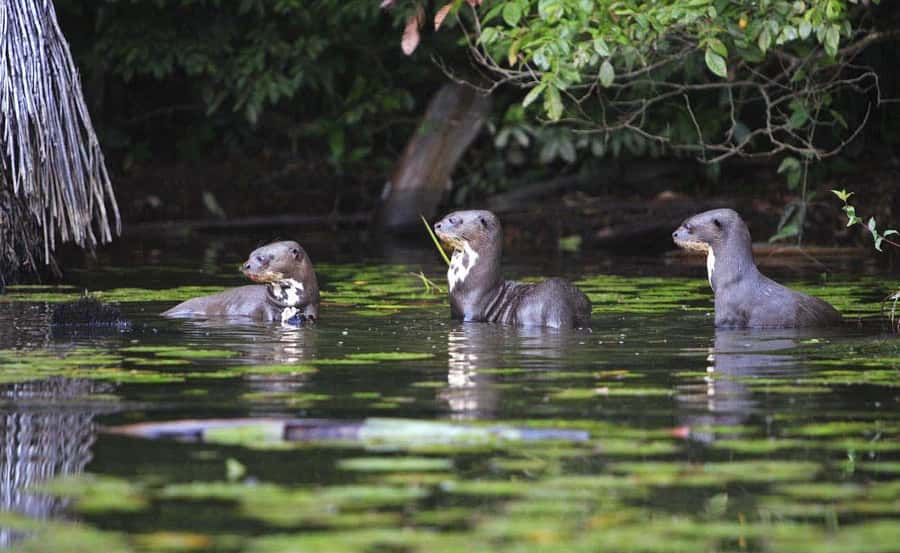
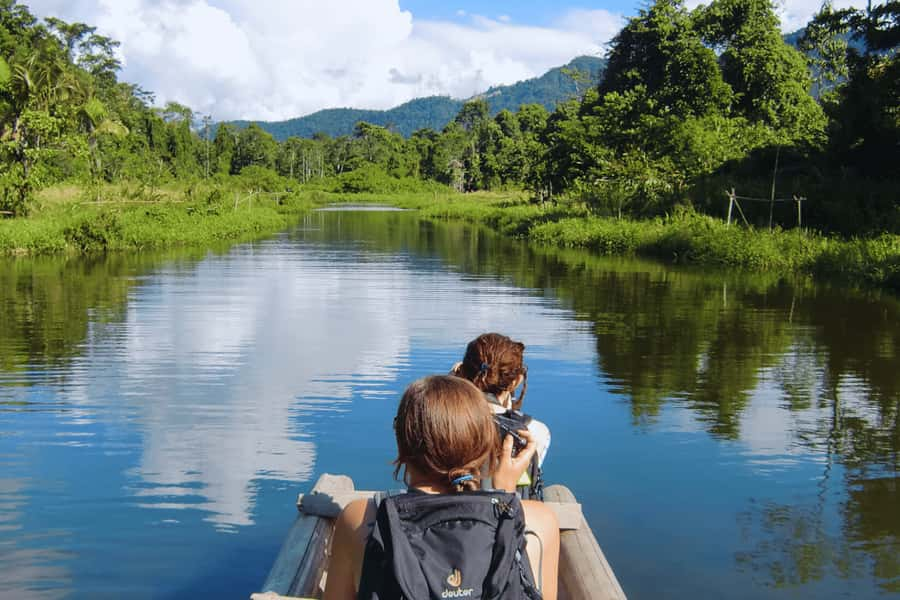
At Atalaya, you begin a one-hour kayaking activity. This is a gentle way to look for birds from the water, with herons, vultures, and cormorants among the species you might see.
Kayaking gives you a quieter position than a road vehicle, but it is not a guaranteed wildlife show. Birds may be distant or hard to spot, and weather can affect the activity. Bring binoculars if you have them, but protect your camera from spray and rain.
After kayaking, you reach the hostel, have lunch, and get some free time. You can take a swim in the river, so pack swimwear where you can reach it easily. This free period is welcome after the early start, though the schedule still includes more wildlife viewing later in the day.
The river setting also makes the second overnight stop feel different from the first. You are now closer to the lowland forest, with water, wetlands, and riverbank habitat shaping the day’s activities.
Swamp birds and a search for caimans
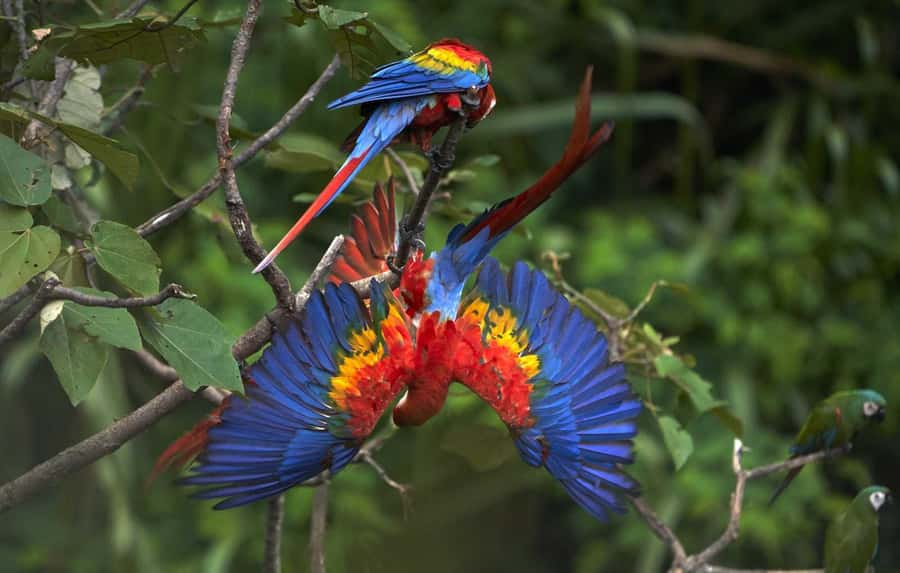
The afternoon visit to a swamp focuses on birds such as toucans, woodpeckers, and parrots. This is a good example of why patience matters on a nature tour. The value lies in entering several habitats, since each one offers a different chance to see birds and other animals.
You also go in search of caimans. The wording matters: this is a search, not a guaranteed sighting. Weather, water conditions, and animal behavior can all change the result. A guide can help you know where to look, but no responsible wildlife tour can promise a particular animal.
The guide speaks English and Spanish, and the trip is also available with both languages. A good guide can make a major difference here by pointing out calls, movement, and plant details that you might miss alone. The strongest comments about the tour focus on attentive guiding, clear explanations of local plants and animals, and a better understanding of why the forest needs protection.
One caution is that the daily plan can sometimes feel unclear. Ask your guide early about the order of activities, meal times, and the next morning’s departure. That simple step can save confusion, especially when the group is moving between road, hostel, river, and forest stops.
The early speedboat to the parrot clay lick
Day 3 begins early with a speedboat ride to a parrot clay lick. The clay wall sits on the riverbank, and several parrot species gather there to eat clay containing minerals. The clay also helps the birds digest food and remove toxins.
This is the tour’s most distinctive wildlife stop. You are watching a specific behavior, not just hoping to spot a bird in the trees. The setting by the river, the sudden gathering of colorful parrots, and the explanation of why they eat clay give the morning a clear purpose.
Again, the wildlife is not guaranteed on a timetable. Weather can affect the activity, and the whole tour is subject to weather conditions. Bring a camera, but do not let photography distract you from simply watching the birds. Feeding animals, touching plants, littering, and using disposable plastic bottles are not allowed.
After the clay lick, you return to the hostel for breakfast. You then take a speedboat back to Puerto Atalaya, where the coach or minibus is waiting for the journey to Cusco. Lunch is provided on the return trip, and arrival in Cusco is expected between 5:30 pm and 6:30 pm.
That return window is useful for planning, but I would avoid booking a tight evening connection or fixed dinner reservation in Cusco. Road and weather conditions can affect the schedule.
What the $370 price really covers
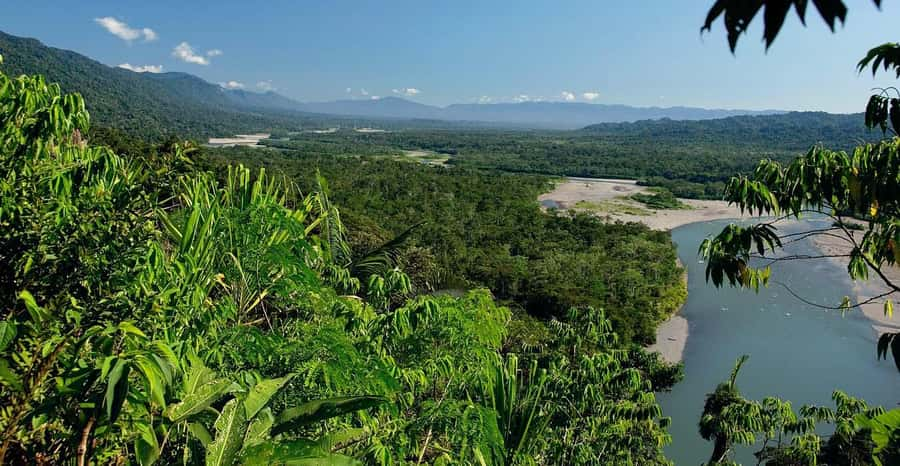
At $370 per person, this is a fair package if you value convenience and want several types of activity included. You are paying for three days of transport from Cusco, river transfers, two nights of accommodation, Manu National Park admission, an English or Spanish-speaking guide, kayaking, and the included meals.
The food allowance includes two breakfasts, two lunches, and two dinners. Breakfast on the first day and dinner on the final day are not included, and drinks are extra. Mineral water is included, but you should still bring a reusable bottle because plastic bottles are not allowed and the tour encourages lower plastic use.
The strongest value comes from the logistics. Arranging the road transport, river travel, park entry, accommodation, and wildlife stops independently would take time and require careful coordination. The price also gives you access to a small group rather than a very large departure.
The compromises are basic lodging, long transfers, and a plan that packs a lot into three days. You are buying an introduction to Manu, not a long wilderness stay. I would choose it if your Peru trip has limited time and you want both cloud forest and river-based activities.
Packing for wet forest conditions
Use comfortable shoes with good grip, comfortable clothes, and rain gear. The cloud forest and river areas can be wet, and weather may change the plan.
Bring:
- Hat and sunscreen
- Insect repellent
- Swimwear
- Camera
- Binoculars
- Water and a reusable bottle
- Comfortable walking shoes
- Rain gear
- A passport or identity card
Keep important items protected from rain during boat travel. Pack swimwear where it is easy to reach on Day 2, not buried under everything else.
The tour is not suitable for children under three, pregnant women, people with back or heart problems, or wheelchair users. It also includes walking, boat transfers, kayaking, and uneven natural settings, so you should consider your own comfort with those activities before booking.
Who should choose this three-day route
I would recommend this tour to you if you want a short, structured introduction to Manu and prefer having transport, meals, park entry, and guiding arranged together. It suits people who enjoy wildlife, birds, rivers, plants, and cultural stops rather than one single attraction.
It is also a good fit if you want to see several environments in one trip. The route connects Andean valleys, colonial Paucartambo, cloud forest, river habitats, wetlands, and the parrot clay lick.
I would hesitate if you need a relaxed pace, high-end lodging, or a firm minute-by-minute plan. The schedule is active, the road travel is substantial, and the first hostel may have basic outdoor upkeep. You should also accept that wildlife sightings are never fully predictable.
Should you book this Manu National Park tour?
Book it if the cock-of-the-rock, parrot clay lick, and changing habitats appeal to you more than comfort and free time. The combination of cultural stops, cloud forest, kayaking, caiman searches, and river wildlife gives you a lot for three days.
Skip it if you want a deep, slow forest stay or cannot manage early mornings, long transfers, and simple accommodation. For most visitors with limited time in Peru, the $370 cost is sensible because it covers the difficult transport chain and several major expenses. Just pack for rain, confirm the daily order with your guide, and leave room in your Cusco plans for a late return.
FAQ
How long is the tour?
The tour lasts three days, with departure from Cusco and return to Cusco between 5:30 pm and 6:30 pm on the third day.
What languages are available?
The live guide service is available in English and Spanish.
What is the group size?
It is a small-group tour limited to 17 participants.
Is transport included?
Yes. Hotel pickup and drop-off, coach or minibus transport, and speedboat transport are included.
Is accommodation included?
Yes. The price includes two nights of accommodation.
Are meals included?
Two breakfasts, two lunches, and two dinners are included. Breakfast on the first day and dinner on the final day are not included. Drinks are extra, and vegetarian meals are available.
Is kayaking included?
Yes. A one-hour kayaking activity near Atalaya is included.
What should I bring?
Bring comfortable shoes, a hat, swimwear, a camera, sunscreen, water, rain gear, comfortable clothes, insect repellent, binoculars, and a reusable water bottle.
Can I cancel the tour?
You can cancel up to 24 hours in advance for a full refund. The activity can also be reserved with payment made later.
Just added for the parks around the world
- Stone Town: Jozani Chwaka Bay National Park Half-Day Tour★ 4.7 · 5 reviews
- Stockholm: Dog Walk in Nature Reserve with Swedish Fika★ 5.0 · 3 reviews
- Stockholm: Sunset Hike in Tyresta National Park with Meal★ 4.8 · 126 reviews
- Stockholm: Self Guided Kayak Adventure in Nature Reserve★ 5.0 · 69 reviews
- Stewart Island: Guided Wilderness Walk★ 5.0 · 10 reviews
- Stewart Island: Ulva Island Guided Wilderness Walk & Cruise★ 4.5 · 165 reviews
- Wasgamuwa: Wasgamuwa National Park Private 3-Hour Safari★ 4.9 · 10 reviews
- Sri Lanka: Yala National Park Private Safari★ 3.2 · 5 reviews