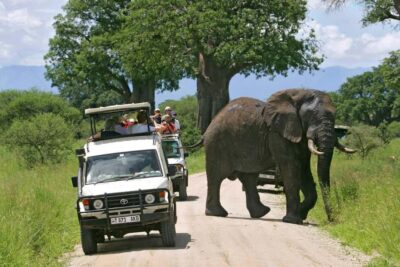
Review · TARANGIRE AND SERENGETI
3 Day Serengeti National Park & Ngorongoro Crater Camping Safari
The main draw is the chance to see two of Tanzania’s finest wildlife areas in only three days. You get open Serengeti plains, a full game drive through the Ngorongoro Crater, and a real camping setup rather than a string of hotel rooms. I especially like the small group limit of six and the fact that meals, park fees, camping fees, and a 4×4 vehicle are included. I also like that skilled guides such as Daniel, Emmanuel, Peter, James, and Manuel are known for patient driving and sharp animal spotting.
The tradeoff is the pace. You spend long hours on rough park roads, and this is a camping safari, not a luxury lodge trip. One campsite received a complaint about dirty washrooms, while the Ngorongoro rim can be cold at night. Pack warm clothes, accept some basic facilities, and this becomes a strong-value wildlife trip.
Key points to know before booking
- Two famous parks in three days: You visit the Serengeti and descend into Ngorongoro Crater, with game drives in both.
- Small groups matter: The maximum group size is six, giving you more room in the 4×4 and easier communication with your guide.
- Guide quality is central: Daniel, Emmanuel, Peter, James, and Manuel are praised for animal knowledge, safe driving, patience, and good positioning for photographs.
- Camping keeps the price down: At $1,100 per person, the package includes camping, meals, park charges, water, tea, coffee, and transport.
- Expect long safari days: Day two includes about eight hours of game viewing and travel, while the crater visit lasts about six hours.
- Prepare for changing temperatures: The Serengeti can feel hot, but the Ngorongoro rim may be chilly, especially at night.
Why this short safari works so well
If you have limited time in northern Tanzania, this route gives you two very different wildlife settings. The Serengeti is broad and open, with the feeling that the plains continue all the way to the horizon. Ngorongoro is compact by comparison. Its steep crater walls hold a large concentration of animals in one dramatic bowl.
I like this pairing because the parks complement each other. In the Serengeti, the pleasure is often the setting as much as the animal itself. A herd of zebra may stretch across the plain, or a lion may appear as a small shape against a huge sky. In Ngorongoro, sightings can feel more concentrated, with wildlife gathered around grassland, woodland, and Lake Magadi.
The trip is priced at $1,100 per person. That is not a bare-bones transport fare, but the cost covers the expensive parts of a safari: park and camping fees, a 4×4 vehicle, a guide, all meals, daily mineral water, coffee and tea, airport transfers, and accommodation as listed. The inclusion of these charges makes the price easier to judge.
Your value depends on what you want from a safari. If you want a short route with major wildlife areas and little planning work, the package is attractive. If you want private rooms, a slower schedule, or several days in one park, you should compare it with a longer lodge safari.
The group limit of six is important. A crowded vehicle can make a wildlife drive feel cramped, especially when everyone wants a window or a clear camera angle. A smaller group should make the long drives more manageable, though you should still confirm whether the booking is private or shared.
More National Park Safaris in Arusha
- 7 Days Tanganyika Wilderness Safari
★ 5.0 · 159 reviews - Arusha National Park Private Safari
★ 5.0 · 59 reviews - 6 days 5 nights safari Ngorongoro, Serengeti and Tarangire National Parks
★ 5.0 · 39 reviews
Day one: From Arusha to the Serengeti plains
The day begins with an early safety talk and briefing from your SafariHQ guide. The published start time is listed as 12:00 am, so confirm the exact pickup hour before departure. Pickup and airport transfers are offered, and the tour ends back at the meeting point.
From Arusha, the route passes through the Ngorongoro Highlands before reaching Serengeti National Park. This is a long transfer, but it also gives you a change of scenery as the road moves from cultivated and hilly areas toward the park’s broad grasslands.
The first scheduled wildlife activity is an afternoon game drive in the Serengeti. That timing gives you an immediate taste of the park rather than waiting until the next morning. You may see lions, elephants, buffalo, giraffes, zebra, wildebeest, gazelles, impala, or smaller antelope such as dik-dik. Cheetah and leopard are possible, though no safari can promise a particular sighting.
The Serengeti is closely linked with the Great Wildebeest Migration, but the park is not only a seasonal migration stop. It is also valued for its large resident wildlife population and wide views. The experience here is less about checking animals off a list and more about seeing how they fit into an enormous working ecosystem.
You camp after the game drive. The exact campsite details are not specified, so ask what bedding, tent setup, and washroom arrangements are supplied. Camping fees are included, and the support team sets up camp according to the available arrangements. One practical warning is worth taking seriously: a campsite washroom was described as unclean, so bring hand sanitizer, tissues, and a small supply of personal toiletries.
Day two: A full Serengeti wildlife day
Day two is the heart of the safari. You begin with a morning game drive, when the cooler hours can be a good time to search for predators and active herds. The schedule allows about eight hours for game viewing and travel, so prepare for a full day in the vehicle.
This is where the guide can make a real difference. Daniel is praised for answering questions about many kinds of animals. Emmanuel is described as patient and attentive, with a habit of researching birds while the vehicle is stopped. Peter is repeatedly singled out for spotting animals, handling the vehicle well, and helping people find the species they most want to see.
Those details matter. A safari guide is not just a driver. You need someone who can read animal behavior, identify birds and smaller mammals, choose a sensible position, and keep the vehicle safe on uneven roads. Guides named James and Manuel are also praised for their friendly approach, wildlife knowledge, and careful driving.
You return to Seronera Campsite for a cooked lunch prepared by the safari chefs. The food receives strong praise, with breakfast, lunch, and dinner included in the overall package. Some meals may be served at camp and some as packed lunches in the park, depending on the day’s schedule.
After lunch, you continue with a game drive toward the Ngorongoro Conservation Area and then up to the crater rim. This is not a quick hop. You should expect more time in the vehicle, but the route itself offers a final chance to watch the Serengeti change as you leave the open plains.
The second night is spent near the Ngorongoro area. This is where warm clothing becomes useful. The crater rim sits high, and the temperature can drop sharply after sunset. Pack a fleece or warm jacket, long trousers, and closed shoes even if Arusha feels hot when you start.
Day three: Down into Ngorongoro Crater
The final day takes you down into Ngorongoro Crater for about six hours of game viewing. The descent is one of the most memorable parts of the route. From the rim, the crater appears as a vast enclosed bowl, then the road carries you down toward grassland, woodland, and water.
Ngorongoro is the world’s largest intact volcanic caldera. The crater covers roughly 265 square kilometres and has walls reaching about 600 metres high. Those figures explain why the place feels so contained. Wildlife is easier to search for here than across the much larger Serengeti, though sightings still depend on the season, weather, and animal movement.
The crater is known for its population of large mammals, including lion, buffalo, zebra, wildebeest, gazelle, and eland. You may also see elephants, hippos, flamingos around Lake Magadi, and black rhino. The rhino sighting is one of the great attractions, but it is never guaranteed. A good guide will help you look without turning the experience into a frantic chase.
The crater also gives you a chance to compare two very different safari moods. The Serengeti offers distance and drama, with animals often spread across a huge plain. Ngorongoro gives you closer visual connections between the crater floor, the animals, and the enclosing walls.
After the crater drive, the activity ends back at the meeting point. The provided information does not give a detailed return schedule, so avoid booking a tight onward connection on the same day unless SafariHQ confirms the timing.
More National Park Safaris in Tanzania
- 3 Days Safari to Serengeti National Park & Ngorongoro Crater in Tanzania
★ 5.0 · 34 reviews - 3 Days Safari Ngorongoro Crater and Serengeti National Park
★ 5.0 · 21 reviews - Arusha: Tarangire National Park Full-Day Wildlife Safari
★ 4.8 · 6 reviews - Arusha: Arusha National Park Day Trip w/ Game Drives & Lunch
★ 5.0 · 4 reviews
The guides can shape your whole experience
The strongest repeated feature of this trip is the guide service. Daniel, Emmanuel, Peter, James, and Manuel are all associated with specific strengths: animal identification, safe driving, patience, good humor, photo positioning, and the ability to adapt to what you want to see.
Peter is especially associated with finding requested animals, including cheetah and black rhino. Emmanuel is praised for keeping the vehicle clean and organized, driving smoothly, and working hard to locate as many species as possible. Daniel is noted for his care, calm manner, and ability to explain animals and plants.
That said, guide assignments can change. You should treat these names as examples of the team rather than a promise that one particular person will lead your departure. If a specific guide matters to you, ask before booking.
You should also discuss your interests early. Tell the guide if you care most about predators, birds, photography, the Great Migration, or the crater’s rhino population. The guide still has to follow park rules and animal welfare standards, but clear communication helps shape the day.
The suggested gratuity is $20 per day for drivers. Tips for the guide, hotel staff, and other support workers are not included, so plan for this separately.
Camping, food, and the practical side
This is a camping safari with cooked meals and a support team. The food is one of the better-value parts of the package. Breakfast, lunch, and dinner are included, along with mineral water, coffee, and tea. Several guides and chefs receive praise for tasty meals and good organization.
Do not confuse included camping with lodge comfort. The information does not promise private bathrooms, permanent rooms, or high-end camp facilities. One campsite was described as comfortable, while another received a complaint about dirty washrooms. Conditions can vary, so bring a headlamp, hand sanitizer, toilet paper, and a warm layer.
The 4×4 safari vehicle is another key part of the price. A well-maintained Land Cruiser was specifically praised, and careful driving was a repeated strength. You will spend many hours seated in the vehicle, so a small day bag with water, sun protection, a camera, and any needed medication will help.
Alcohol is not included. Laundry, phone calls, porterage, travel insurance, and hotel gratuities are also extra. Park fees and camping fees are included, which removes two major cost surprises.
The tour accepts any age, and most people can participate. Still, the long drives and basic camping require patience. Families should ask about sleeping arrangements and the exact vehicle setup before confirming.
Who should book this safari
I would choose this trip if you want the classic northern Tanzania highlights but have only three days. It suits people who value wildlife time over polished accommodation and who like having transport, meals, park charges, and camp logistics arranged in one package.
It is also a good fit for first-time safari visitors who want a guide to explain what they are seeing. A maximum of six people is more comfortable than a large bus, and the named guides have strong reputations for spotting animals and answering questions.
I would hesitate if you dislike early starts, long road journeys, shared vehicles, or basic washrooms. I would also consider a longer itinerary if the Serengeti is your main goal. This route gives you a useful taste of the park, but two nights there would never feel like enough for every corner or every possible wildlife moment.
The cancellation policy is straightforward: cancel at least 24 hours before the local start time for a full refund. Changes made within 24 hours are not accepted, and late cancellations are not refunded.
Should you book it?
Book this safari if you want a tightly planned, wildlife-first introduction to the Serengeti and Ngorongoro Crater. The package offers strong practical value because it combines two major parks with a 4×4, guide, meals, water, camping, and park fees.
Go in with the right expectations. You are paying for access, guiding, and a well-organized route, not luxury. Pack for dust, cold crater nights, basic facilities, and long drives. If that sounds like part of the adventure rather than a problem, this three-day trip is a sensible way to see Tanzania’s most famous wildlife areas.
FAQ
How long is the Serengeti and Ngorongoro camping safari?
The experience lasts approximately three days.
Where does the safari start?
The safari is based in Arusha, Tanzania. Pickup is offered, and the activity ends back at the meeting point.
What is the maximum group size?
The maximum group size is six travelers.
Are park and camping fees included?
Yes. Park fees, camping fees, all listed taxes, and other fees are included.
Are meals included?
Yes. The package includes two breakfasts, three lunches, and two dinners, along with daily coffee, tea, and mineral water.
Is airport transfer included?
Yes. Airport transfers are included in the package.
Will I see the Big Five?
The Serengeti and Ngorongoro areas are home to Big Five wildlife, and the itinerary includes chances to see lion, buffalo, elephant, leopard, and black rhino. Sightings cannot be guaranteed.
Should I bring warm clothing?
Yes. The Ngorongoro area can be cold at night, especially near the crater rim. Warm clothes are strongly recommended.
What is not included in the price?
Porterage, travel insurance, laundry, phone calls, alcoholic drinks, and guide tips or hotel gratuities are not included. The suggested driver tip is $20 per day.
More Tarangire and Serengeti Safaris in Arusha
- Arusha: Tarangire National Park One-Day Trip
★ 3.9 · 8 reviews - Day trip to tarangire national park
★ 4.7 · 6 reviews - Private Guided Day Trip in Tarangire National Park
★ 5.0 · 5 reviews - Serengeti National Park: Balloon Safari at Dawn
★ 4.2 · 14 reviews
More Volcano National Park Tours in Arusha
- 4 Day Ngorongoro Crater Tarangire and Serengeti National Park
★ 5.0 · 44 reviews
Just added for the parks around Arusha
- Private 4×4 Vitara Safari in Arusha National Park★ 5.0 · 3 reviews
- Day trip to tarangire national park★ 4.7 · 6 reviews
- Arusha: Tarangire National Park Full-Day Wildlife Safari★ 4.8 · 6 reviews
- Arusha: Arusha National Park Day Trip w/ Game Drives & Lunch★ 5.0 · 4 reviews
- 3 Days Safari Ngorongoro Crater and Serengeti National Park★ 5.0 · 21 reviews
- 3 Days Safari to Serengeti National Park & Ngorongoro Crater in Tanzania★ 5.0 · 34 reviews
- The Amaizing Private Day Trip to the lovely Arusha National Park★ 5.0 · 5 reviews
- Private Guided Day Trip in Tarangire National Park★ 5.0 · 5 reviews
Tarangire and Serengeti Safaris, compared.

4 Day Ngorongoro Crater Tarangire and Serengeti National Park
Read our review →
6 days 5 nights safari Ngorongoro, Serengeti and Tarangire National Parks
Read our review →
3 Days Safari to Serengeti National Park & Ngorongoro Crater in Tanzania
Read our review →
Serengeti National Park: Balloon Safari at Dawn
Read our review →