Review · TARANGIRE AND SERENGETI
3 Days Safari to Serengeti National Park & Ngorongoro Crater in Tanzania
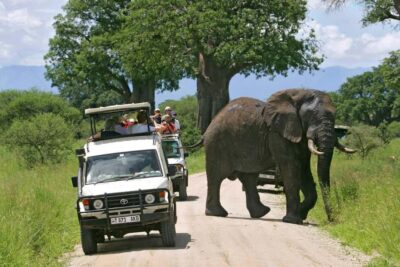
The biggest draw here is the pairing of Serengeti National Park with Ngorongoro Crater in only three days. You get open-country game drives, a stop at the Olduvai Gorge museum, and a full crater descent, all from Arusha and all in a private safari vehicle.
I like the small maximum of seven people and the custom-built 4×4, which gives you more room to watch animals and ask questions. I also like the practical camping setup: tents, sleeping mats, furniture, meals, park fees, fuel, and an English-speaking guide are included.
The catch is the pace. Arusha to the Serengeti is a long road journey, and the early starts leave little time for sleep. This suits you if wildlife matters more than comfort and you want a compact safari rather than a relaxed lodge holiday.
Key points to know before you book
- Two UNESCO-listed wildlife areas in three days: The route combines the Serengeti with the Ngorongoro Conservation Area.
- Private vehicle, small group: The tour allows no more than seven participants in a custom 4×4.
- A real camping safari: Tents, mats, camping furniture, breakfast, lunch, and dinner are provided.
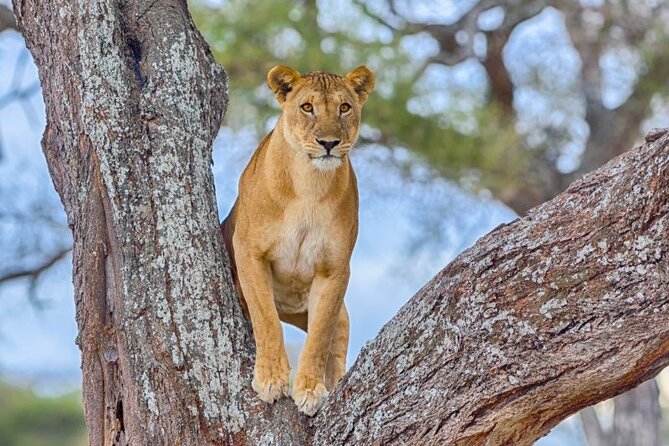
- Strong wildlife potential: Lions, cheetahs, elephants, zebras, wildebeest, buffalo, leopards, and rhinos are among the animals you may see.
- Useful human-evolution stop: Olduvai Gorge adds archaeology to the wildlife program.
- Early mornings and long drives: The schedule is rewarding but physically demanding.
What $1,200 covers on this three-day safari
At $1,200 per person, this is not a budget day trip. You are paying for access to two of Tanzania’s best-known protected areas, private transport, a guide, fuel, park fees, camping gear, and six included meals.
That package matters in Tanzania. Park access and vehicle costs can quickly make a short safari expensive, even before you add food, camping equipment, or a driver. The private vehicle also gives you something a larger shared departure may not: more control over viewing stops and more space for cameras, bags, and elbows.
Still, I would compare the camping arrangement carefully with lodge-based options before booking. The tour includes basic camping equipment, not a named lodge or a luxury tented camp. If you want a soft bed, private bathroom, or a slow dinner with a view, this probably is not the right version of the safari.
The value is strongest for someone who wants a lot of wildlife in a short window and is happy to trade comfort for access. Food appears to be a real strength of the operation. Chefs such as John and Mtumishi have been praised for keeping meals plentiful and well prepared during the trip, which is no small matter after hours on rough roads.
International flights, a Tanzanian visa, insurance, tips, laundry, and communication costs are not included. Build those into your real budget before you decide that $1,200 is the final price.
More National Park Safaris in Arusha
- 7 Days Tanganyika Wilderness Safari
★ 5.0 · 159 reviews - 3 Day Serengeti National Park & Ngorongoro Crater Camping Safari
★ 5.0 · 142 reviews - Arusha National Park Private Safari
★ 5.0 · 59 reviews
Day one: the long road to the Serengeti
The first morning begins with breakfast around 6 a.m. and hotel pickup at about 7 a.m. You then head toward Serengeti National Park with a picnic lunch.
The Serengeti covers roughly 14,763 square kilometers, about 5,700 square miles. That size explains both its magic and the first day’s long drive. You are not simply transferring between two nearby parks. Much of the day is spent getting into a huge area where wildlife can be scattered across wide plains.
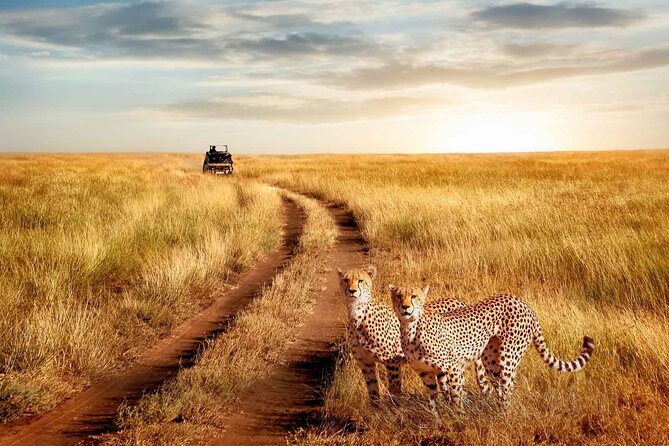
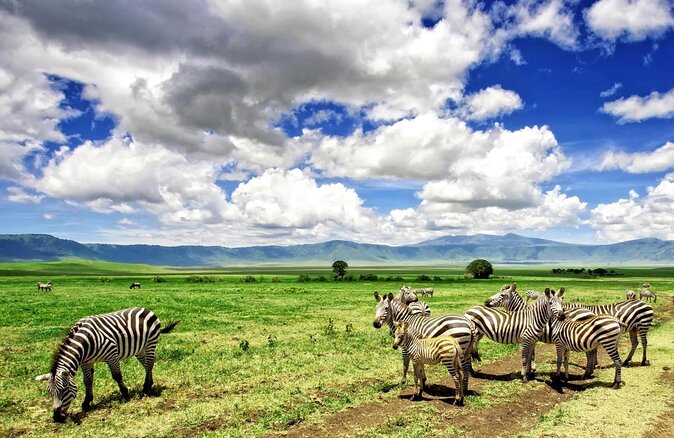
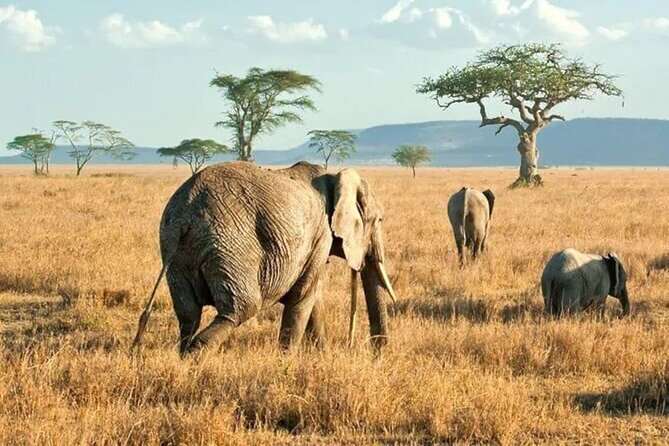
Once inside the park, the day becomes a game drive. The animal list is impressive: lions, leopards, elephants, cheetahs, buffalo, zebras, wildebeest, eland, wild dogs, gazelles, crocodiles, and many others. No guide can promise a particular sighting, but the Serengeti gives you a strong setting for classic African wildlife scenes.
The famous attraction is not only the number of animals. It is the way the open country lets you watch behavior. You may see zebras and wildebeest feeding near predators, or a pride of lions resting in plain view. Several people on similar departures saw hunting activity, including a cheetah hunt, but treat moments like that as luck rather than a guaranteed part of the schedule.
The vehicle is central to the experience. A private, custom-built 4×4 is designed for game viewing, and your guide can position it for better views. Guides named Albert, Frankie, Ismael, Joel, Jordan, and Bryson have been praised for safe driving, animal knowledge, and finding productive viewing areas on comparable departures. Your assigned guide may be different, so confirm that before booking if a particular guide matters to you.
Expect the day to feel full. Nine hours is listed for the first stop, and that does not mean nine calm hours of watching animals. It includes road time, park entry, stops, lunch, and searching. Bring patience. Wildlife does not operate on a timetable, and the best sighting may come after a stretch of apparent nothing.
Day two: early wildlife, Olduvai Gorge, and the crater rim
Day two begins around 6 a.m. with an early game drive. The schedule also refers to breakfast at the campsite and a 9 a.m. onward departure, so the exact order may vary according to the camp and the guide’s plan.
The early start is tiring, but it gives you a better chance to see animals before the heat of the day. It also places you in the Serengeti at a time when predators may still be active and herds are beginning to move. If you want photographs, early light can also be kinder than the strong midday sun.
After breakfast, you continue game viewing and begin the journey toward the Ngorongoro Crater rim. This is another long day, listed at about eight hours. You should expect a mixture of wildlife stops and road travel rather than a nonstop safari.
A valuable stop is Olduvai Gorge, where Louis and Mary Leakey carried out important excavation work. The small museum explains archaeological discoveries connected with human evolution. This gives the trip more range than a standard animal-watching program. You are not only looking at elephants and lions; you are also visiting a place tied to the story of early humans.
The Olduvai stop may be especially worthwhile if you enjoy archaeology, science, or the long human story of East Africa. If your only goal is wildlife, it does take time away from game viewing. That is a fair trade for many people, but it is worth knowing before you leave.
The itinerary also highlights elephant life stages. Your guide may explain how elephants grow, live in family groups, and change over time. That kind of interpretation is one reason the guide matters so much. A good safari is not just a series of animal sightings. It helps you understand what you are seeing.
By evening, you should be near the Ngorongoro Crater rim or campsite area. The change in setting is striking. The Serengeti feels vast and open, while the crater is enclosed by steep walls and has its own concentrated wildlife area.
Day three: descending into Ngorongoro Crater
Breakfast comes early again, followed by a drive toward the crater around 7 a.m. You descend to the crater floor for game viewing.
Ngorongoro Crater is about 19.2 kilometers across, 610 meters deep, and covers roughly 304 square kilometers. It is an extinct volcanic caldera, and its walls create a remarkable natural enclosure. From the vehicle, you can see open grassland, woodland, water, and steep crater sides within one broad view.
This is the day with the strongest chance of seeing a wide range of large animals in a compact area. The crater is home to buffalo, lions, elephants, leopards, and rhinoceros. It is also known for its black rhinos, among the rarest animals on the itinerary.
Seeing a rhino is never guaranteed, and your guide cannot control distance, weather, or animal movement. Still, the crater gives you a reasonable setting to look for them. Some departures have seen several rhinos, along with all five of the animals commonly called the Big Five: rhino, lion, leopard, buffalo, and elephant.
The crater also adds bird life to the safari. You may see flamingos around the soda lake, along with geese, storks, and vultures. The fresh springs provide water for animals and serve as practical picnic locations.
Lunch is scheduled at the Ngoitoktok spring picnic site. This is a useful break after the morning’s game drive, but keep your food packed and follow your guide’s instructions. You are in a wild area, not a park café, and the setting is part of the experience.
The crater can feel more concentrated than the Serengeti, which is good for sightings but may also mean more safari vehicles around popular animal locations. The Serengeti offers a sense of distance and freedom. Ngorongoro offers a dramatic bowl with many species in view. Having both on one trip gives you two different versions of northern Tanzania.
The final day is listed at about six hours. That includes the crater descent, game viewing, lunch, and the return portion of the activity to the meeting point in Arusha.
More National Park Safaris in Tanzania
- 6 days 5 nights safari Ngorongoro, Serengeti and Tarangire National Parks
★ 5.0 · 39 reviews - 3 Days Safari Ngorongoro Crater and Serengeti National Park
★ 5.0 · 21 reviews - Arusha: Tarangire National Park Full-Day Wildlife Safari
★ 4.8 · 6 reviews - Arusha: Arusha National Park Day Trip w/ Game Drives & Lunch
★ 5.0 · 4 reviews
Camping, food, and the daily rhythm
This is a camping safari, so your day begins before most people would choose to wake up on holiday. Breakfast, lunch, and dinner for two nights are included, along with tents, sleeping mats, camping furniture, and the basic equipment needed for the camp.
The information provided does not name the campsites or promise private bathrooms. Ask the operator for the exact camping standard before paying. That one question can prevent a mismatch between your expectations and the actual setup.
Food has received unusually strong praise. John and Mtumishi are among the cooks associated with similar trips, and meals have been described as a highlight. You should still mention allergies or dietary needs when booking, since the supplied details do not specify special-meal arrangements.
Camping gives you a closer connection to the trip’s setting and keeps the price below many lodge safaris. It also means less privacy, less predictable comfort, and more dependence on the camp equipment provided. Pack light, but bring warm layers for early mornings and practical clothing for dusty road travel. The exact packing list is not supplied, so ask for current advice before departure.
The guide and vehicle make the difference
A safari guide handles much more than driving. You rely on that person to interpret animal behavior, choose sensible stops, drive safely, and manage the timing between parks.
The names most often connected with strong departures include Albert, Bryson, Ismael, Joel, Jordan, and Frankie. Their reported strengths include safe driving, clear explanations, and a good eye for animal sightings. The guide may also help children understand what they are seeing, which makes this a reasonable first safari for families who can manage the early starts and long drives.
The private vehicle is another advantage. With a maximum of seven participants, you avoid the feel of a large coach. You have a better chance of getting a clear view from your seat and can ask questions without competing with a crowd.
That does not mean the ride will be smooth. Roads across the parks can be rough, and the schedule includes substantial driving. If you have back problems or dislike long vehicle journeys, ask specific questions about the road time and seating before booking.
Who will enjoy this safari most
I would recommend this trip to you if you want:
- A first taste of the Serengeti and Ngorongoro
- A private or very small group vehicle
- A camping safari with meals and park fees included
- A strong chance to see lions, elephants, zebras, buffalo, and other large mammals
- A mix of wildlife, archaeology, and scenery
- A compact itinerary based in Arusha
Families have found the animal sightings exciting, especially when children see lions, zebras, and elephants for the first time. The guide’s explanations can add a lot for younger participants, but parents should be ready for early mornings and long stretches in the vehicle.
I would hesitate to recommend it if you want a slow, luxurious holiday or a named lodge with guaranteed room facilities. Three days gives you a memorable sample, not a leisurely survey of northern Tanzania.
Pickup is offered in Arusha, and the activity returns to the meeting point. Confirmation is provided at booking, and most people can participate. The group limit is seven. Free cancellation is available up to 24 hours before the start time, but changes or cancellations inside that window are not accepted.
Should you book the Serengeti and Ngorongoro trip?
Book it if you want maximum wildlife value in a short period and you are comfortable camping, waking early, and spending long hours on the road. The combination of Serengeti game drives, Olduvai Gorge, and Ngorongoro Crater is hard to beat for a three-day introduction.
The main reasons I would choose it are the private 4×4, small group size, included park fees and meals, and the chance to see both wide-open Serengeti country and the compact crater ecosystem. The main reasons to pause are the demanding schedule and the basic level of accommodation.
Before booking, confirm the exact campsite standard, your guide, dietary arrangements, and the pickup and return timing. If those details suit you, this is a practical, wildlife-first safari with strong value at $1,200 per person.
FAQ
Where does the safari start and finish?
The activity starts in Arusha, Tanzania, with pickup offered from the hotel. It ends back at the meeting point.
How many people can join the tour?
The maximum group size is seven participants.
Is the safari private?
The tour includes a private 4×4 custom-built safari vehicle. The stated maximum is seven people, so confirm the exact vehicle arrangement for your booking.
What meals are included?
Breakfast, two lunches, and two dinners are included. Picnic lunches are used during the park days.
Is camping equipment included?
Yes. The package includes tents, sleeping mats, camping furniture, and related camping equipment.
Are park fees included?
Yes. National park fees are included, as are fuel, an English-speaking guide, and the private safari vehicle. International flights, a Tanzanian visa, travel insurance, tips, laundry, and communication costs are not included.
More Tarangire and Serengeti Safaris in Arusha
- Arusha: Tarangire National Park One-Day Trip
★ 3.9 · 8 reviews - Day trip to tarangire national park
★ 4.7 · 6 reviews - Private Guided Day Trip in Tarangire National Park
★ 5.0 · 5 reviews - Serengeti National Park: Balloon Safari at Dawn
★ 4.2 · 14 reviews
More Volcano National Park Tours in Arusha
- 4 Day Ngorongoro Crater Tarangire and Serengeti National Park
★ 5.0 · 44 reviews
Just added for the parks around Arusha
- Private 4×4 Vitara Safari in Arusha National Park★ 5.0 · 3 reviews
- Day trip to tarangire national park★ 4.7 · 6 reviews
- Arusha: Tarangire National Park Full-Day Wildlife Safari★ 4.8 · 6 reviews
- Arusha: Arusha National Park Day Trip w/ Game Drives & Lunch★ 5.0 · 4 reviews
- 3 Days Safari Ngorongoro Crater and Serengeti National Park★ 5.0 · 21 reviews
- The Amaizing Private Day Trip to the lovely Arusha National Park★ 5.0 · 5 reviews
- Private Guided Day Trip in Tarangire National Park★ 5.0 · 5 reviews
- Arusha National Park: Private Jeep Tour★ 4.8 · 9 reviews
Tarangire and Serengeti Safaris, compared.
3 Day Serengeti National Park & Ngorongoro Crater Camping Safari
Read our review →
4 Day Ngorongoro Crater Tarangire and Serengeti National Park
Read our review →
6 days 5 nights safari Ngorongoro, Serengeti and Tarangire National Parks
Read our review →
3 Days Safari Ngorongoro Crater and Serengeti National Park
Read our review →
Serengeti National Park: Balloon Safari at Dawn
Read our review →