

Review · TARANGIRE AND SERENGETI
4 Day Ngorongoro Crater Tarangire and Serengeti National Park
Tarangire’s elephant herds make a strong opening to this safari, then the route pushes north into the Serengeti before ending on the crater floor at Ngorongoro. In four days, you get three famous wildlife areas without paying luxury-lodge prices. The Big Five are possible, though no safari can promise every animal.
I like the practical route and the small maximum group of six. I also like that meals, taxes, camping, and park visits are built into the $899 price, so the main cost is clear from the start. The tradeoff is simple: this is a busy trip with long hours on rough roads, and one night of camping may have very basic bathroom facilities.
Key points at a glance
- Three major parks in four days: Tarangire, Serengeti, and Ngorongoro Crater are all included.
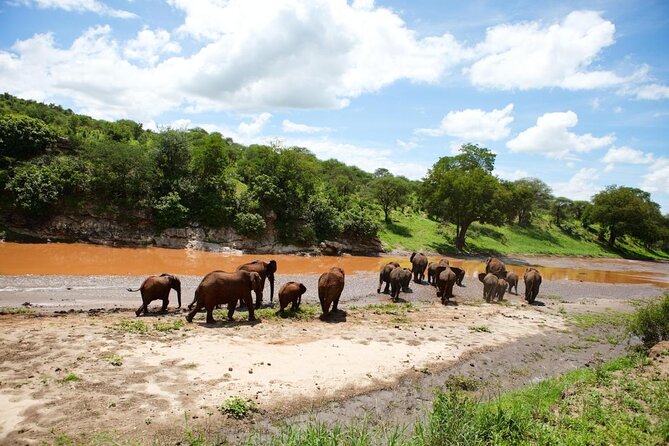
- Elephant country first: Tarangire is especially good for seeing groups of elephants, sometimes numbering 10 to 30.
- Small-group format: The safari vehicle holds no more than six travelers.
- Budget camping: Meals and three nights of camping are included, but facilities can be modest.
- Strong guide focus: Guides such as John, David, Godfrey, and Bulldozer have been praised for animal spotting, driving, and explanations.
- Flexible final transfer: After Ngorongoro, you can return to Arusha or go directly to the airport.
Why this four-day route works

If you have limited time in northern Tanzania, this itinerary makes a sensible choice. It links three very different wildlife settings rather than spending all four days in one park. Tarangire gives you elephants and broad savanna scenery, Serengeti provides the biggest sense of open wilderness, and Ngorongoro offers a compact wildlife area where animals often remain year-round.
The route is also designed for value. At $899 per person, you are not paying for private luxury camps or leisurely transfers. You are paying for a concentrated safari with transport, park access, camping, and food. That can be a very good deal if your priority is seeing wildlife rather than spending much of the day at a lodge.
The small-group limit matters. Six people in a safari vehicle is far more comfortable than a crowded group, especially when everyone wants a window view or a clear look through binoculars. Still, you should expect a shared vehicle, a fixed schedule, and the need to cooperate with the rest of the group.
More Volcano National Park Tours in Arusha
- 3 Day Serengeti National Park & Ngorongoro Crater Camping Safari
★ 5.0 · 142 reviews - 3 Days Safari to Serengeti National Park & Ngorongoro Crater in Tanzania
★ 5.0 · 34 reviews - 3 Days Safari Ngorongoro Crater and Serengeti National Park
★ 5.0 · 21 reviews
Day 1: Tarangire and its elephant herds
The first morning starts with pickup from your Arusha hotel at about 7:30 am. After breakfast, you head toward Tarangire National Park with a picnic lunch. The drive takes you out of the city and into a more open, dry setting where large baobab trees and grazing animals become part of the view.
Tarangire is an excellent first park because wildlife sightings can begin quickly. The park is especially known here for elephant groups, often around 10 to 20 animals and sometimes as many as 30. Watching a herd move together, with adults protecting younger animals, can be one of the clearest wildlife moments of the trip.
Keep your eyes up as well as ahead. The itinerary points to possible leopard sightings in the trees, though leopards are never guaranteed. You may also see buffalo, impala, zebra, warthogs, giraffes, and other animals during the game drive.
The day allows roughly six hours in the park and continues until late afternoon or evening. That gives you a fair amount of time to search, but it also means a long first day. You will spend the night at Tarangire Campsite after dinner, so this is not a soft landing into safari travel. It is an active start.
I would bring a hat, sunscreen, water, and a light layer for the changing temperatures. A camera with a zoom lens helps, but good animal spotting depends just as much on the guide as on your equipment. Guides named in the company’s feedback include John, who is praised for explaining plants and animals in several languages, and David, who is praised for seeing animals at a distance. You can ask at booking who will lead your departure.
Day 2: The long road to Serengeti
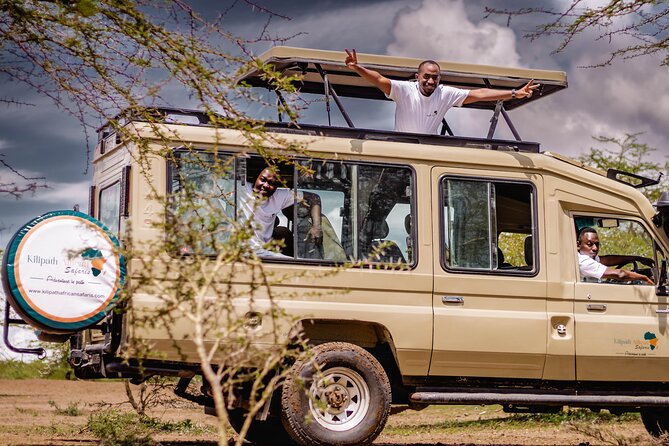
Day two begins with an early breakfast and a pack-up of the camping equipment. You then travel toward Serengeti by way of Manyara and the Rift Valley escarpment. This is a road-heavy day, so it is important to understand the rhythm: a morning start, long periods in the vehicle, changing views outside, and a game drive once you reach the park.
The option to visit a Maasai village adds a cultural stop to the day. Since it is listed as optional, ask ahead about the timing and any extra cost before you agree. A visit can add useful context to the region, but your main wildlife time is limited, and you may prefer to keep moving toward Serengeti.
You are scheduled to arrive in Serengeti in the evening for a game drive before reaching Seronera Campsite. Seronera is in the central part of the park, a useful base for the next morning’s drive. The evening outing gives you an early taste of the area, but do not expect a long, relaxed safari session after the road journey.
This is the day when the rough-road reality matters most. One person described the roads as challenging, while also crediting the guide with making the journey enjoyable. That is a fair way to think about it. The vehicle is not just transportation between attractions. It is your main room for much of the day, so patience and a good sense of humor help.
You will have dinner at camp and sleep there overnight. Camping keeps the price down and places you close to the park, but it comes with fewer comforts than a lodge. Bring a headlamp, small toiletries, and clothing you can layer. The morning can be chilly, even in a generally warm country.
Day 3: A sunrise game drive in central Serengeti
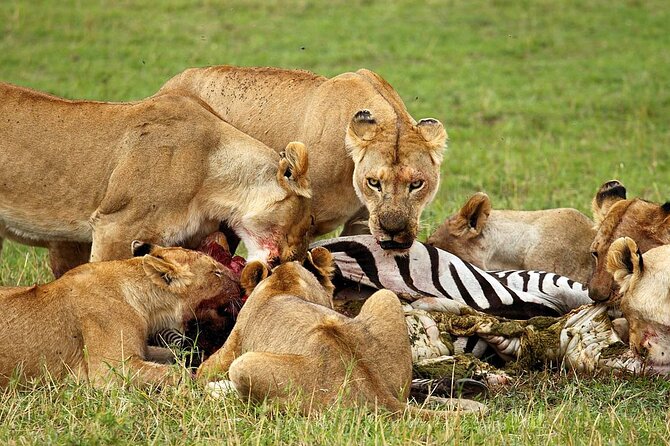
Day three starts at 6 am with coffee before a morning game drive. This is the early hour when the light is soft, the air is cool, and animals may be more active. Bring warm clothing, as the morning chill is specifically noted in the schedule.
The game drive continues until midday, followed by a return to camp for a full breakfast and lunch served together as brunch. That timing is practical. You get the early wildlife hours without stopping for a conventional breakfast in the middle of the search.
After brunch, you continue toward the Ngorongoro Conservation Area. The route includes another game drive, so you may still see animals while leaving Serengeti. You then reach Ngorongoro Simba Campsite for dinner and the night.
This day combines the best and hardest parts of a short safari. You get a sunrise in Serengeti and several chances to look for animals, but you also spend much of the afternoon moving again. If you want a slow Serengeti experience with long hours in one area, a longer safari would suit you better. If you want to see several major destinations quickly, this schedule does the job.
Animal sightings depend on timing, weather, guide skill, and plain luck. The company’s guides have received strong praise for spotting animals from far away. Names associated with that praise include Bulldozer, known for exceptional long-distance spotting, and Godfrey, praised for driving and explanations. These personal skills matter because animals can be easy to miss, especially at a distance or behind vegetation.
Same parks, a different way to see them:
- 7 Days Tanganyika Wilderness Safari
★ 5.0 · 159 reviews - Arusha National Park Private Safari
★ 5.0 · 59 reviews - 6 days 5 nights safari Ngorongoro, Serengeti and Tarangire National Parks
★ 5.0 · 39 reviews - Day Trip to Kilimanjaro National Park
★ 5.0 · 20 reviews
Day 4: Ngorongoro Crater from rim to floor
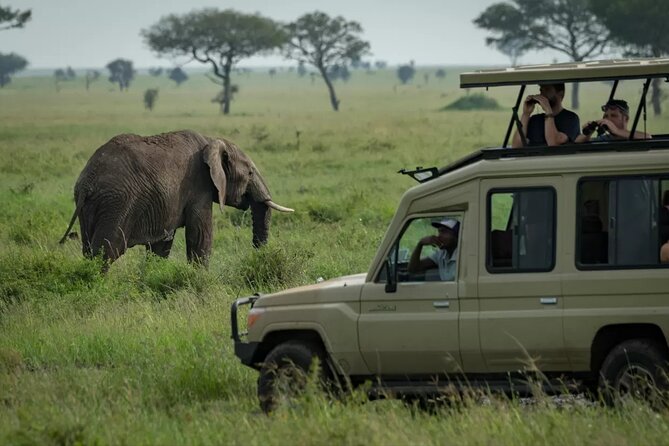
The final morning begins with breakfast and preparation of a picnic lunch. You then drive to the descent gate and enter the Ngorongoro Crater. The crater floor lies about 650 meters below the rim, and the descent gives you a dramatic change in setting before the half-day game drive begins.
Ngorongoro is special because water is available throughout the year. That supports many permanent resident animals, making the crater one of the strongest places on this route for a concentrated wildlife outing. You may see buffalo, zebra, giraffe, and other animals, and there is a chance of spotting a rhinoceros.
The rhino sighting is not guaranteed, but it is one reason this final day can be memorable. Several people who took similar trips reported seeing all of the Big Five, including rhinos in the Ngorongoro area. Treat that as a possibility, not a promise. Wildlife is wild, and the guide cannot control where animals appear.
You stop for a picnic lunch, then climb back to the crater rim and return to camp to collect your equipment. From there, the trip continues to Arusha or directly to the airport. That direct airport option is useful if your flight timing works, but confirm the plan carefully before departure. The final day already contains a crater descent, a half-day drive, an ascent, and a road transfer.
What $899 includes, and what it does not
The $899 price covers a lot for a four-day northern Tanzania safari. Included items are:
- All taxes
- Breakfast for three mornings
- Lunch on four days
- Dinner for three nights
- Camping accommodation
- Park admissions listed in the schedule
- Pickup from the Arusha meeting point
- Return to the meeting point, or airport transfer at the end as arranged
That package gives you a clear base price. You are not separately budgeting for every meal or park entrance. For a short safari that visits three major destinations, the value is strongest if you are comfortable with camping and long driving days.
Visas and tips are not included. Set aside money for both. You should also check exactly what equipment the operator supplies for camping, since the schedule says you pack camping equipment into the safari vehicle but does not give a full gear list.
The price is less attractive if you want privacy, premium bedding, or plenty of downtime. In that case, compare the cost with a lodge-based safari. But if your main goal is wildlife access and you accept basic camping, this is a competitive way to reach Tarangire, Serengeti, and Ngorongoro in one short trip.
Camping, meals, and comfort on the road
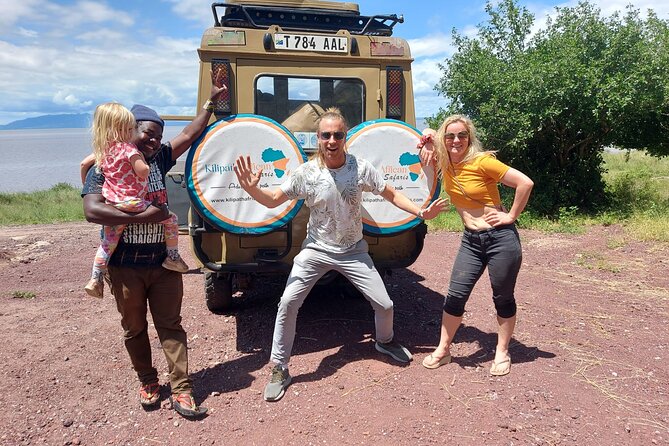
Food is one of the stronger practical features of this trip. Breakfast, lunch, and dinner are included, and several people specifically praised the cooking. One safari chef, Mathew, was singled out for good meals. The exact chef on your departure may differ, but the food is clearly treated as an important part of the operation.
Camping conditions are more mixed. Budget camps can be pleasant, but one Serengeti night was described as having very poor bathroom facilities. You should be prepared for basic washrooms and limited comfort rather than lodge standards.
Pack light, but include the essentials:
- Warm layers for the early Serengeti drive
- Comfortable clothes for long vehicle rides
- Sunscreen and a hat
- A headlamp
- Personal toiletries
- Camera batteries and charging equipment
- Any medication you need during long driving days
The mobile ticket and hotel pickup make the start straightforward. The activity begins in Arusha and ends back at the meeting point unless you arrange the airport transfer. Most people can participate, and the group size is capped at six.
The guides can shape the whole safari
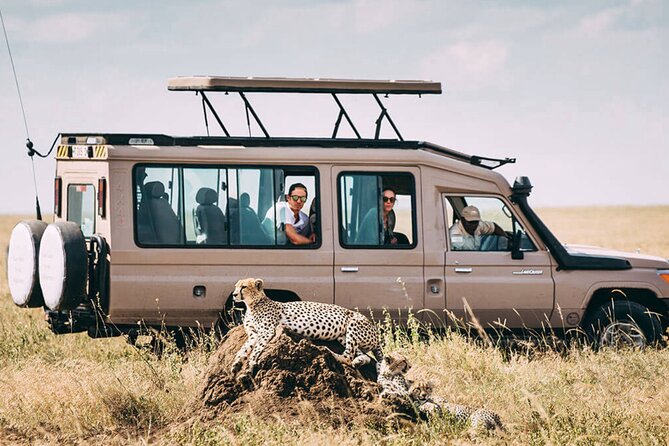
A safari vehicle only gets you so far. The guide’s eyes, driving judgment, and ability to explain what you are seeing shape the experience from hour to hour.
John is praised for knowing plants and animals and for communicating in multiple languages. David is praised as both a driver and a sharp spotter, with particular skill at finding distant animals. Bulldozer is also known for spotting wildlife from very far away. Godfrey is praised for driving and clear explanations, while Hatibu is noted for finding animals along less obvious paths.
These names are useful when you are discussing your booking, but they do not guarantee who will be assigned to your vehicle. Ask the company which guide is available and whether the guide will also act as driver. Also ask about the language used for explanations if that matters to you.
The most useful guide is not simply the person who finds a lion. You want someone who handles rough roads calmly, shares time fairly among people in the vehicle, explains animal behavior, and solves practical problems when something goes wrong. The company’s feedback points to problem-solving as another strength, which matters in remote areas.
Who should book this safari?
I would recommend this trip to you if you have four days, want the classic northern Tanzania route, and care more about wildlife than luxury. It suits first-time safari visitors, budget-conscious couples, small groups, and people adding a safari to a larger Tanzania trip.
It is also a good fit if seeing the Big Five is a major goal. Tarangire offers elephants, Serengeti provides wide-ranging game-drive opportunities, and Ngorongoro gives you a strong final chance to look for rhino and other permanent residents.
I would hesitate to recommend it if you dislike early mornings, bumpy roads, shared camping, or long transfers. Four days is enough to sample the parks, but it is not enough to make the route feel leisurely. Families or older visitors should consider their comfort with camping and vehicle time before booking.
The free cancellation rule gives you flexibility up to 24 hours before the start time. Inside that window, changes are not accepted and the payment is not refunded. Poor weather can lead to a different date or a full refund, according to the stated policy.
Should you book it?
Book this safari if you want a direct, budget-minded route through Tarangire, Serengeti, and Ngorongoro, with a small group and meals included. The strongest reasons are the efficient route, the chance of seeing the Big Five, the elephant sightings in Tarangire, and the experienced animal spotters attached to the company.
Think twice if you expect polished camps or relaxed travel. The Serengeti bathroom facilities may be basic, and the road time is substantial. For the right person, though, $899 buys a serious wildlife trip rather than a padded resort holiday. Bring warm clothes, patience, and realistic expectations, and this compact safari can deliver a lot.
FAQ
Where does the safari start?
It starts in Arusha, Tanzania, with pickup from the meeting point or your hotel.
What time does the safari begin?
The stated start time is 7:30 am.
Where does the safari end?
It ends back at the meeting point in Arusha, or you can travel directly to the airport after the final day if arranged.
Which parks are included?
The route includes Tarangire National Park, Serengeti National Park, and Ngorongoro Crater.
How many people can join the safari?
The maximum group size is six travelers.
Are meals included?
Yes. The package includes four lunches, three dinners, and three breakfasts.
Is camping included?
Yes. The itinerary includes nights at Tarangire Campsite, Seronera Campsite, and Ngorongoro Simba Campsite.
Are visas included?
No. Visas are not included in the price.
Are tips included?
No. Tips are not included.
Can I cancel for a full refund?
Yes, if you cancel at least 24 hours before the experience start time. Cancellations inside 24 hours are not refunded.
More Four-Day Trips in Arusha
- Khaosok National Park: 4-Day and 3-Night Package Trip
★ 4.2 · 58 reviews - Johannesburg: 4-Day Classic Kruger National Park Safari
★ 4.8 · 52 reviews - From Cusco: 4-Day Manu National Park Guided Tour
★ 4.6 · 48 reviews - 3 Nights 4 Days Chitwan National Park with Tower Night Stay
★ 5.0 · 41 reviews
More Tarangire and Serengeti Safaris in Arusha
- Arusha: Tarangire National Park One-Day Trip
★ 3.9 · 8 reviews - Day trip to tarangire national park
★ 4.7 · 6 reviews - Arusha: Tarangire National Park Full-Day Wildlife Safari
★ 4.8 · 6 reviews - Private Guided Day Trip in Tarangire National Park
★ 5.0 · 5 reviews
Just added for the parks around Arusha
- Private 4×4 Vitara Safari in Arusha National Park★ 5.0 · 3 reviews
- Day trip to tarangire national park★ 4.7 · 6 reviews
- Arusha: Tarangire National Park Full-Day Wildlife Safari★ 4.8 · 6 reviews
- Arusha: Arusha National Park Day Trip w/ Game Drives & Lunch★ 5.0 · 4 reviews
- 3 Days Safari Ngorongoro Crater and Serengeti National Park★ 5.0 · 21 reviews
- 3 Days Safari to Serengeti National Park & Ngorongoro Crater in Tanzania★ 5.0 · 34 reviews
- Private Guided Day Trip in Tarangire National Park★ 5.0 · 5 reviews
- Arusha National Park: Private Jeep Tour★ 4.8 · 9 reviews
Tarangire and Serengeti Safaris, compared.
3 Day Serengeti National Park & Ngorongoro Crater Camping Safari
Read our review →
6 days 5 nights safari Ngorongoro, Serengeti and Tarangire National Parks
Read our review →
3 Days Safari to Serengeti National Park & Ngorongoro Crater in Tanzania
Read our review →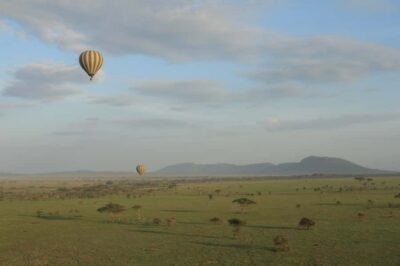
Serengeti National Park: Balloon Safari at Dawn
Read our review →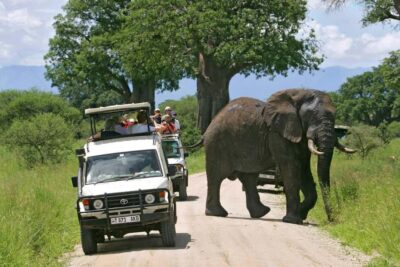
Tarangire National Park Full-Day Wildlife Safari
Read our review →Browse the lists this tour appears in