Review · UDAWALAWE NATIONAL PARK
Udawalawe National Park: Elephant Safari with Expert Guide
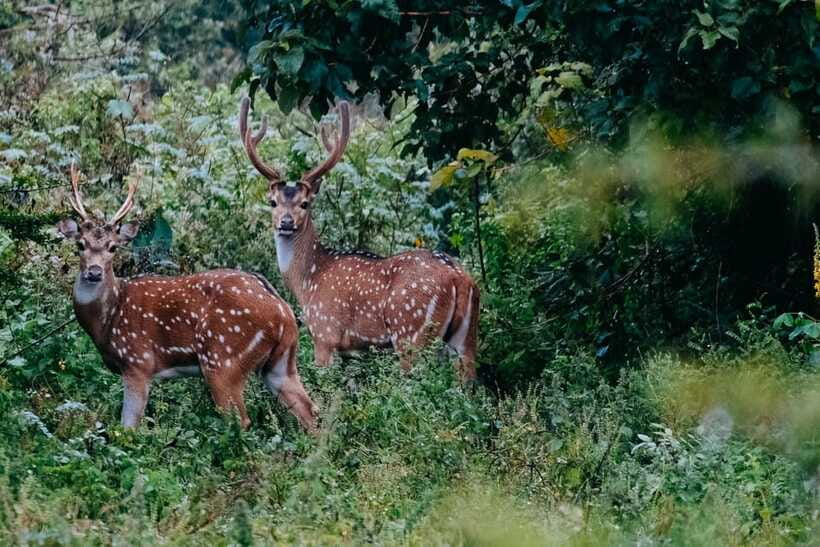
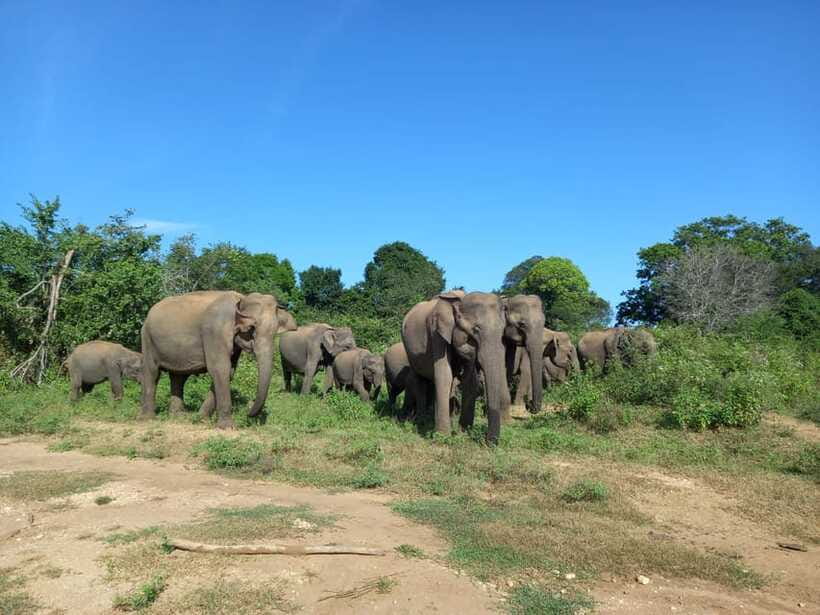
Udawalawe’s big draw is simple: wild elephants are often easy to find, and you may see herds with calves moving across open grassland or gathering near water. The 308-square-kilometer park also gives you a fair shot at crocodiles, buffalo, deer, jackals, monkeys, colorful birds, and, with luck, a leopard.
I like the private 4×4 format, since your guide can pause for photographs and take quieter routes instead of rushing with a large group. I also like the careful driving reported by guides such as Gimhana, Jayashan, Uditha, and Gayan, who turn off the engine near animals and leave them room to move. The main drawback is that wildlife is wild: a four-hour trip can be full of sightings, but you may also spend 10 or 15 minutes driving before the next one.
Quick points to know before you book
- Elephants are the main event: Udawalawe is home to more than 500 elephants, and sightings often include young calves.
- Early starts pay off: A 6 a.m. safari can put you inside near opening time, before some of the day’s traffic builds.
- The guide matters: Guides such as Gimhana, Jayashan, Uditha, Gayan, Jaya, Lasindu, and Deneth are praised for spotting small animals and birds.
- You get a private 4×4 Jeep: The format gives you room to stop, ask questions, and set the pace for your own group.
- The national park fee is extra: The tour price is $30 per person, but entry costs another $37 per person.
- Four hours is the practical choice: The 10-hour option suits serious wildlife fans and includes lunch and water.
Why Udawalawe is one of Sri Lanka’s best elephant parks
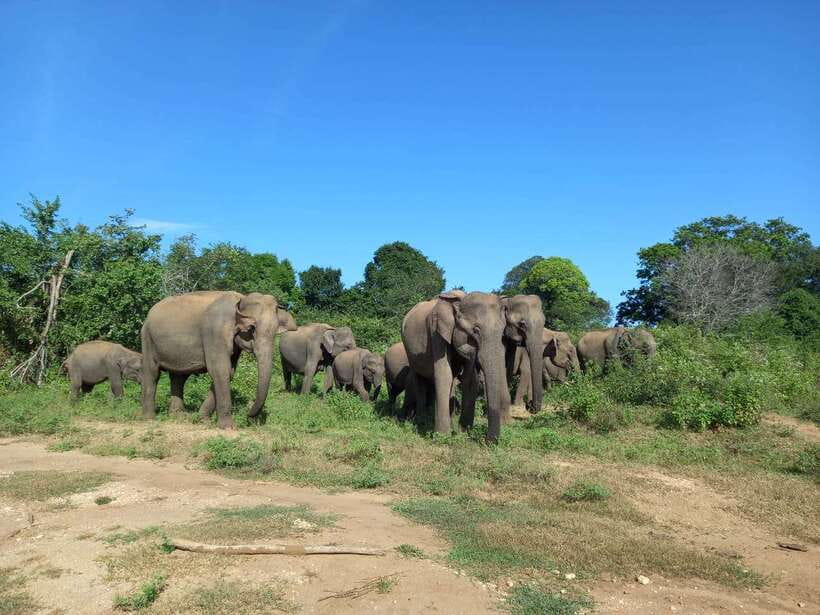
Udawalawe National Park sits along the border of Sri Lanka’s Sabaragamuwa and Uva Provinces. It was created to protect the watershed of the Udawalawe Reservoir, and its mix of open grassland, forest, marsh, and water attracts a wide range of animals.
The park covers 308 square kilometers, so this is not a small animal enclosure where every sighting is guaranteed. You are moving through a real habitat, with long stretches of track between the best viewing points. That size is part of the appeal. When the Jeep stops and the engine goes quiet, you get a better sense that the animals are going about their own business.
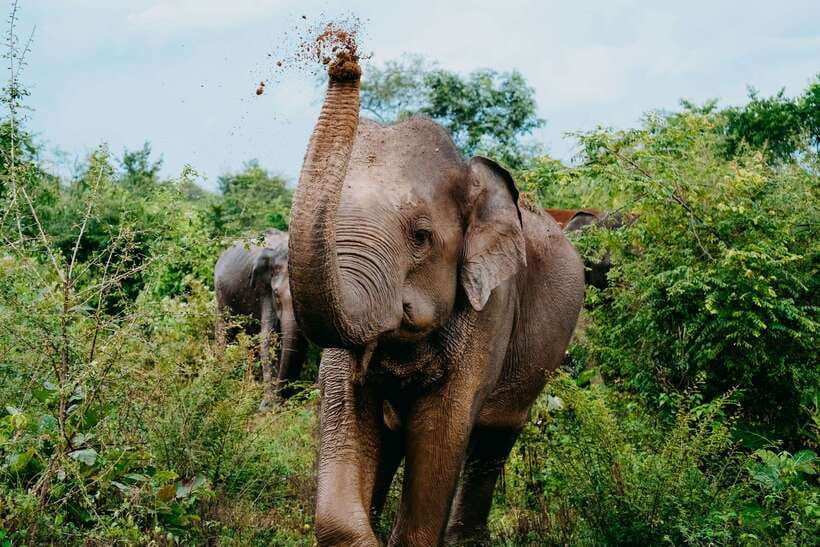
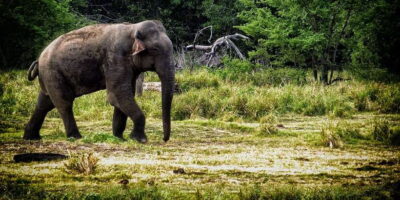
Elephants are the safest bet. You might see a lone bull, a small family group, or a larger herd with calves. Several outings have produced more than a dozen elephants, and one morning group counted over 20. Those numbers change from day to day, but Udawalawe gives you one of Sri Lanka’s better chances to see elephants in open country.
The views help, too. Grasslands make large animals easier to spot than in thick forest, while the reservoir and wetlands bring birds and reptiles into view. The result is a safari that feels varied even when elephants are your main goal.
More National Park Safaris in Sri Lanka
- Yala National Park Safari Tours: Morning/Evening/Full Day
★ 4.8 · 818 reviews - Full day Safari – Yala National Park – 04.30 am to 06.00 pm with – Janaka safari
★ 5.0 · 603 reviews - Yala National Park: Half, 7-Hour, or Full-Day Safari & Meals
★ 4.8 · 489 reviews
Your pickup and the ride into the park
Hotel pickup and drop-off are included for stays in the Udawalawe area. The pickup time depends on the option you choose, but early morning trips commonly leave around 6 a.m. That means a cool, sometimes chilly start, so bring a light layer even in warm weather.
The operator has also helped arrange longer transfers in some cases, including transport from Ella to Udawalawe and onward to another destination. Those transfers are not part of the $30 safari price, so confirm the cost before agreeing. Still, this can be useful if Udawalawe is part of a longer route rather than a simple local outing.
At the park entrance, your driver can help explain the ticket process. The national park entry fee is not included and costs $37 per person. Add that charge to the tour price when comparing the total cost with other safari options.
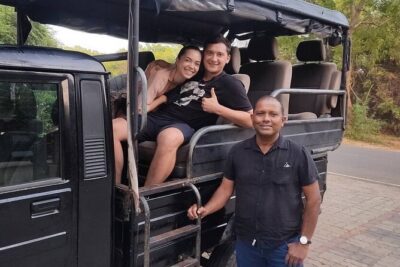
The private 4×4 Jeep is the right vehicle for these tracks. You sit high enough to see over grass and scrub, and the open sides give you a clear view for photographs. The roads can be bumpy, especially when the driver is working toward a good animal sighting, so this is not a polished sightseeing bus ride.
A four-hour safari: the sensible half-day plan
The four-hour option is enough for most people. You get time to cross several parts of the park, stop for animals, and watch elephants without turning the day into an endurance test.
Your driver-guide will look for movement in the brush, tracks, birds in trees, and animals near water. This is where a good guide earns the fee. A trained eye can notice a mongoose, jackal, lizard, or small bird before you have any idea what you are looking at.
Gimhana is frequently singled out for his ability to spot animals, explain what you are seeing, and find less crowded routes. Jayashan is also praised for using a wildlife book to identify animals, while other guides such as Uditha, Gayan, Jaya, Lasindu, and Deneth are noted for careful driving and useful explanations.
You should tell the guide what matters most to you before setting off. If elephants are your priority, say so. If you care about birds, ask for time to stop for them. One visitor with a strong interest in birds appreciated that the guide stopped for even small sightings instead of treating them as a distraction.
A four-hour trip can pass quickly. You might see elephants, buffalo, crocodiles, deer, peacocks, monitor lizards, monkeys, jackals, and many birds, then realize the morning is nearly over. The tradeoff is that you have less time to wait for a leopard or explore distant sections of the park.
The 10-hour option for serious wildlife fans
The longer option makes sense if you want to spend most of the day inside the park or prefer a slower pace. It gives the guide more time to try different routes, wait quietly near likely animal areas, and respond to changing conditions.
Lunch and water are included with the 10-hour choice. One longer outing included a simple meal in the bush, with wildlife nearby. That is a pleasant way to break up a full day, though you should still expect heat, dust, and long periods in the Jeep.
The extra hours do not guarantee more animals. That point matters. You may see an excellent herd in the first two hours and then spend much of the afternoon searching. Still, the longer format improves your odds of covering more ground and gives you time to wait instead of moving on quickly.
For families with young children, I would think carefully about the duration. One parent said a child became tired after a couple of hours, and another noted that dust can be a problem with a baby. A four-hour safari is easier to manage, especially if you are combining Udawalawe with other stops.
More Wildlife and Elephant Encounters in Sri Lanka
- From Sigiriya: Minneriya National Park Elephant Safari
★ 4.8 · 365 reviews - Yala National Park Wildlife Safari/ Game Drive – by Ajith Safari
★ 4.5 · 351 reviews - Private Jeep Safari at Minneriya National Park to Visit Elephants
★ 5.0 · 338 reviews - Minneriya National Park Elephant Jeep Safari Private Tour
★ 5.0 · 68 reviews
What you might see beyond the elephants
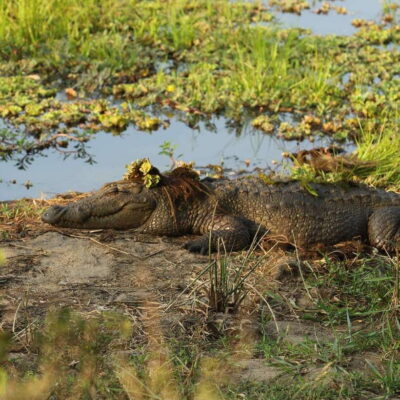
Crocodiles are common enough to be a realistic part of the outing. Several trips produced large numbers near water, sometimes a dozen or more. They are not as active or expressive as elephants, but seeing one lying low beside a wetland adds a different feel to the safari.
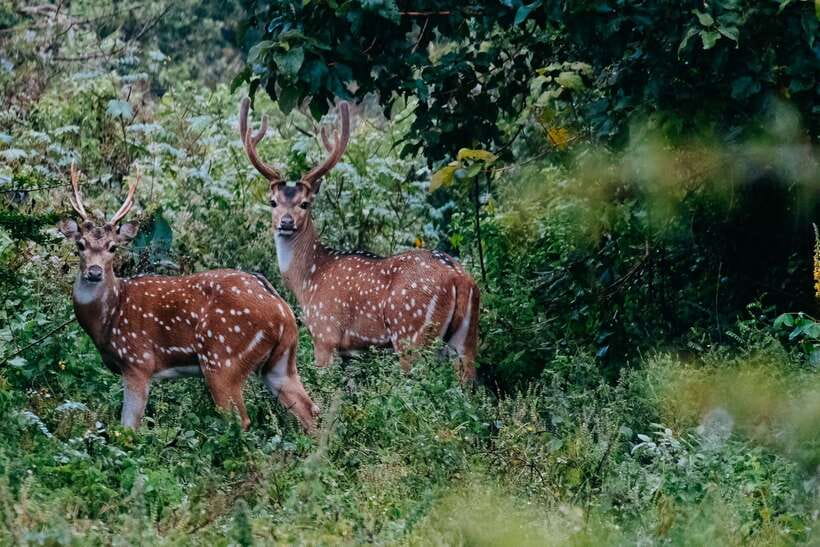
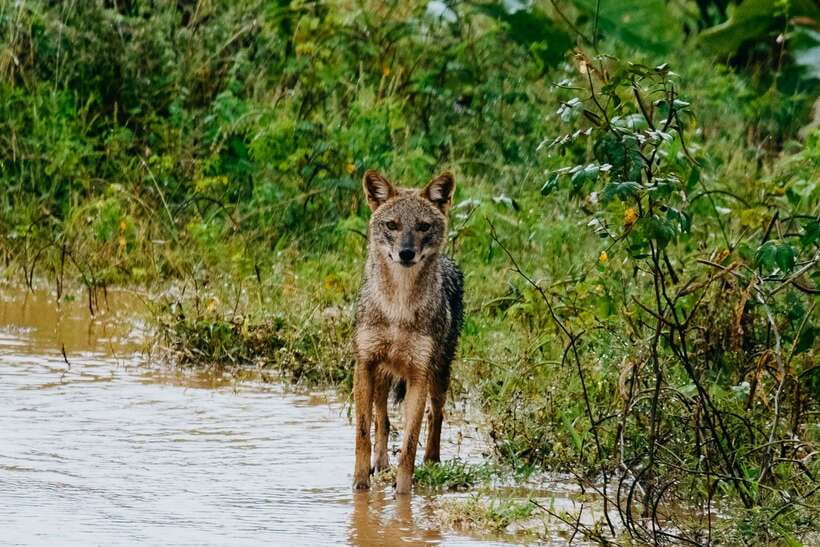
Water buffalo, sambar deer, wild boar, monkeys, mongoose, monitor lizards, and jackals are also possible. Golden jackals can be harder to find, and one outing produced two of them. A group also spotted four jackals, which shows why patience and a sharp-eyed guide matter.
Leopards are possible but not assured. One outing included a leopard sighting, while many others focused on elephants and smaller animals. Do not book this trip expecting a guaranteed big-cat encounter. Book it for the overall mix of wildlife, with a leopard as a bonus.
Birdwatching is one of the safari’s quieter pleasures. You may see peacocks, eagles, colorful smaller birds, Sri Lankan junglefowl, Sri Lankan spurfowl, and other species. The endemic Sri Lankan junglefowl is especially worthwhile for bird fans, and guides can help separate one species from another.
The park’s open spaces make birds easier to notice than they might be in dense forest, but you still need patience. Bring binoculars if you have them. Gimhana has provided binoculars on some trips, but that should be confirmed when you book rather than assumed.
The guide’s approach makes a real difference
The strongest part of this safari is not just the Jeep or the park. It is the way the driver handles an animal encounter.
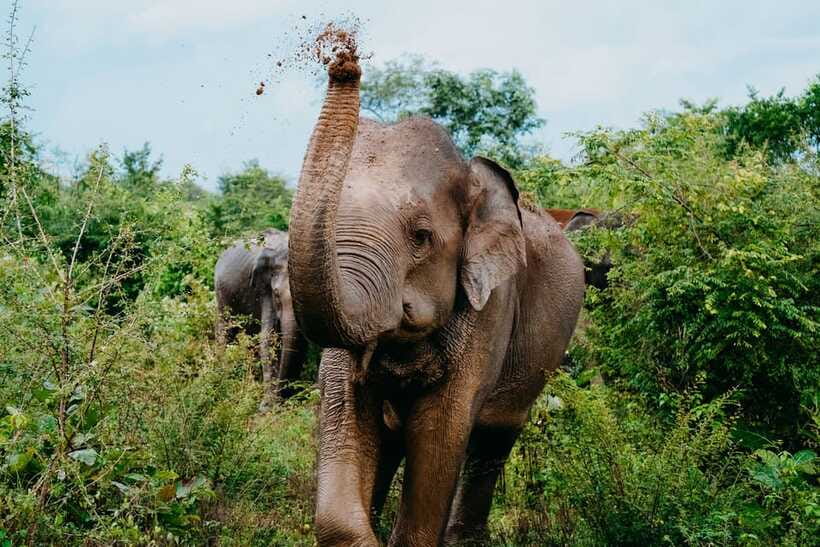
The best practice is to stop at a respectful distance, turn off the engine, and let the animal decide what happens next. Several guides are praised for doing exactly that. Elephants sometimes come closer on their own, including curious young ones, but the Jeep should not chase or crowd them.
That matters for your experience as much as for the animals. A quiet Jeep gives you time to watch behavior instead of grabbing a quick photograph while the vehicle moves on. It also makes the encounter feel less like a parade of cars.
Guides are also helpful when the animal is small or partly hidden. A jackal, mongoose, monitor lizard, or bird can be easy to miss from the back seat. A good guide points it out, waits until you have seen it, and explains what makes it interesting.
Communication is generally available in English and Sinhala. The level of English may vary by driver, but even guides with limited English have been praised for spotting animals and helping guests enjoy the outing. If detailed animal explanations are important to you, request an experienced English-speaking guide when booking.
Timing, weather, and what to bring
Early morning is my preferred choice. The air is cooler, the light is softer for photographs, and animal activity can be good. Getting picked up early also helps you reach the entrance near opening time, when the park may feel less crowded.
Afternoon trips can work well, too. The light changes, and you may get different views as the day goes on. You should be ready for heat, glare, and dust, particularly on dry tracks.
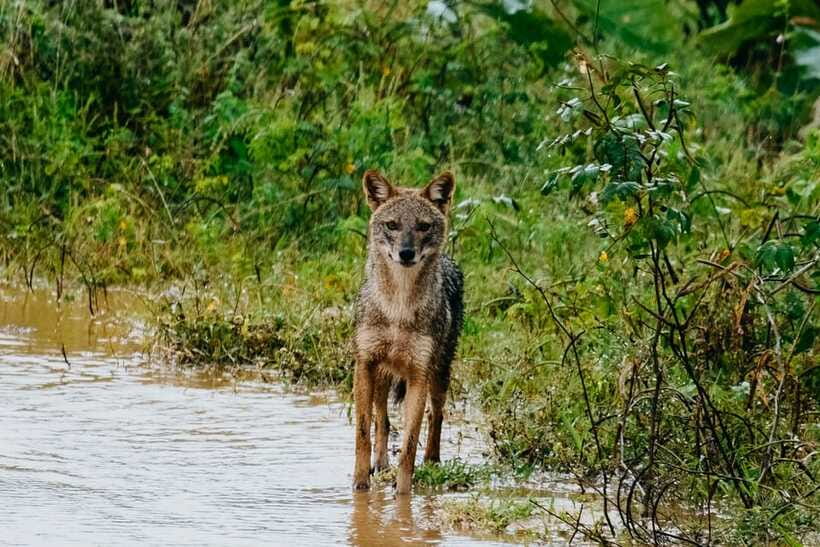
Rain can affect the mood and visibility, but it does not automatically ruin the safari. One guide continued to search carefully during wet conditions and adjusted the outing to make the most of it. Still, carry a light rain layer and protect cameras and phones.
Useful items include:
- A light jacket for an early start
- Sun protection and a hat
- Water, especially on the four-hour option
- A camera with a secure strap
- Binoculars, unless you confirm they are provided
- A scarf or cloth to cover your mouth and nose on dusty tracks
- Comfortable clothing that can handle dust and splashes
Drones, alcohol, and drugs are not allowed. The activity is also not suitable for pregnant women or people with mobility impairments. The Jeep rides over uneven tracks, and getting in and out may be awkward.
Is $30 a good value?
The $30 per-person price is attractive for a private safari with hotel pickup, a 4×4 Jeep, and a driver-guide. The important catch is the $37 national park entry fee, which is extra. Your actual cost is therefore at least $67 per person before any optional transport from outside Udawalawe.
That total can still be fair if you value a private vehicle and a guide who works around your interests. A shared Jeep may cost less, but you have less control over how long you stop and where the driver goes. Here, you can ask to spend more time with elephants, pause for birds, or move on when children are tired.
The 10-hour option offers better value for dedicated wildlife fans because lunch and water are included. For most people, though, the four-hour trip gives the right balance of time, sightings, and cost.
The transport service has earned a 96 percent perfect score, and the overall activity rating is 4.9 from 641 bookings. Those numbers suggest dependable service, but they cannot change the basic rules of wildlife viewing. The park controls the animals, not the guide.
Who should book this safari?
I would choose this outing if elephants are high on your Sri Lanka list, especially if you want a private vehicle and a guide who can spend time on birds and smaller animals. It also suits solo visitors, couples, and families who prefer not to share a Jeep with strangers.
Solo visitors may like the private format, though a group option can be available. Families should consider the four-hour trip, bring dust protection, and remember that the open Jeep can be tiring for small children.
Bird fans should tell the guide in advance. So should photographers, since stopping in a good position and waiting quietly can matter more than covering every track.
I would be more cautious if your only goal is a leopard. Leopards appear, but the reliable reason to visit Udawalawe is its elephants and broad mix of wildlife. I would also skip the 10-hour version if you dislike long vehicle rides or struggle with heat and dust.
Should you book it?
Book this Udawalawe safari if you want a strong chance of seeing elephants in open country, plus crocodiles, deer, buffalo, birds, and the occasional jackal or leopard. The private Jeep, hotel pickup, flexible duration, and careful guiding add real value, especially with guides such as Gimhana, Jayashan, Uditha, Gayan, Lasindu, or Deneth.
Choose the early four-hour trip for the best all-around plan. Pick 10 hours only if you enjoy slow wildlife watching and want time to cover more of the park. Before paying, confirm the pickup point, total cost including the $37 park fee, the language of your guide, and whether binoculars are included.
FAQ
How long is the Udawalawe safari?
You can choose a four-hour or 10-hour safari. Starting times vary, so check availability when booking.
Is hotel pickup included?
Hotel pickup and drop-off are included for accommodations in the Udawalawe area. Transfers from places such as Ella may be arranged separately and can cost extra.
Is the national park entry fee included?
No. The Udawalawe National Park entry fee is listed as $37 per person and must be paid separately.
What animals can I see?
You may see elephants, leopards, crocodiles, sambar deer, wild boar, water buffalo, jackals, monkeys, mongoose, monitor lizards, and many birds. Wildlife sightings are not guaranteed.
Is lunch included?
Lunch and water are included with the 10-hour option. They are not listed as included with the four-hour safari.
What languages are available?
The live tour guide languages are English and Sinhala. You can request an English-speaking guide when arranging the safari.
More Udawalawe National Park Safaris in Sri Lanka
- From Mirissa/Galle/Hikkaduwa: Udawalawa National Park Safari
★ 4.7 · 106 reviews - Udawalawe National Park Safari trip from Galle/Mirissa/Ella
★ 5.0 · 33 reviews - Udawalawa National Park half day Safari
★ 5.0 · 32 reviews - From Ella: All Inclusive Udawalawe National Park Safari
★ 4.8 · 19 reviews
Just added for the parks around Sri Lanka
- Wasgamuwa: Wasgamuwa National Park Private 3-Hour Safari★ 4.9 · 10 reviews
- Sri Lanka: Yala National Park Private Safari★ 3.2 · 5 reviews
- Sigiriya Lion Rock Hike & Minneriya National Park Safari★ 4.8 · 55 reviews
- Sigiriya Rock Hike & Minneriya Elephant Safari – Day Tour★ 4.3 · 15 reviews
- Minneriya National Park: Halfday Jeep Safari with Wild Tours★ 5.0 · 2 reviews
- Minneriya National Park Safari★ 5.0 · 2 reviews
- Minneriya: Minneriya National Park Private Safari★ 4.8 · 95 reviews
- Minneriya National Park Wild Elephant Safari – Private★ 4.8 · 27 reviews
Udawalawe National Park Safaris, compared.
From Mirissa/Galle/Hikkaduwa: Udawalawa National Park Safari
Read our review →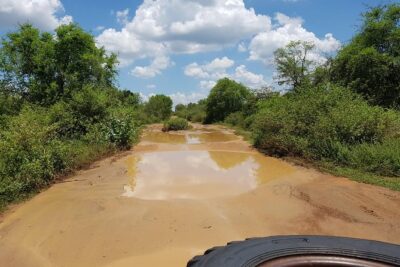
Udawalawe National Park Safari trip from Galle/Mirissa/Ella
Read our review →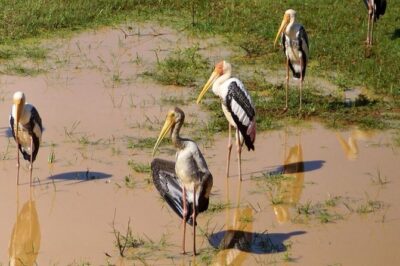
From Ella: All Inclusive Udawalawe National Park Safari
Read our review →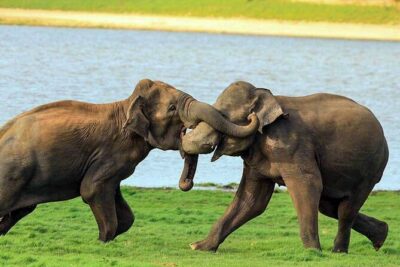
Explore The Beauty Of Udawalawe National Park From South Coast During 01 Day
Read our review →