
Review · CAN THO
Can Tho: Floating Market & Lung Ngoc Hoang Nature Reserve
Cai Rang floating market is at its best early, when boats trade breakfast as the sun comes up over the Mekong. This tour gives you that lively river scene, then shifts into quieter canals, a family noodle workshop, a bamboo basket village, a Khmer pagoda, and Lung Ngoc Hoang Nature Reserve. It is a full day of very different experiences.
I like the small group of up to 10 and the use of a traditional sampan, which can reach narrow canals that larger boats cannot. I also like the mix of food, craft, religion, and nature. Guides such as Sophia, Theo, and Sonny have provided warm, capable company, with Sophia especially noted for answering questions throughout the day.
The main drawback is the early start and the amount of walking and boat time. The tour is not suitable for wheelchair users or people with mobility limits, and eight hours in the sun can feel long if you prefer a slower, shorter outing.
Key points at a glance
- Cai Rang at sunrise: See Can Tho’s largest floating market before the day’s heat and crowds build.
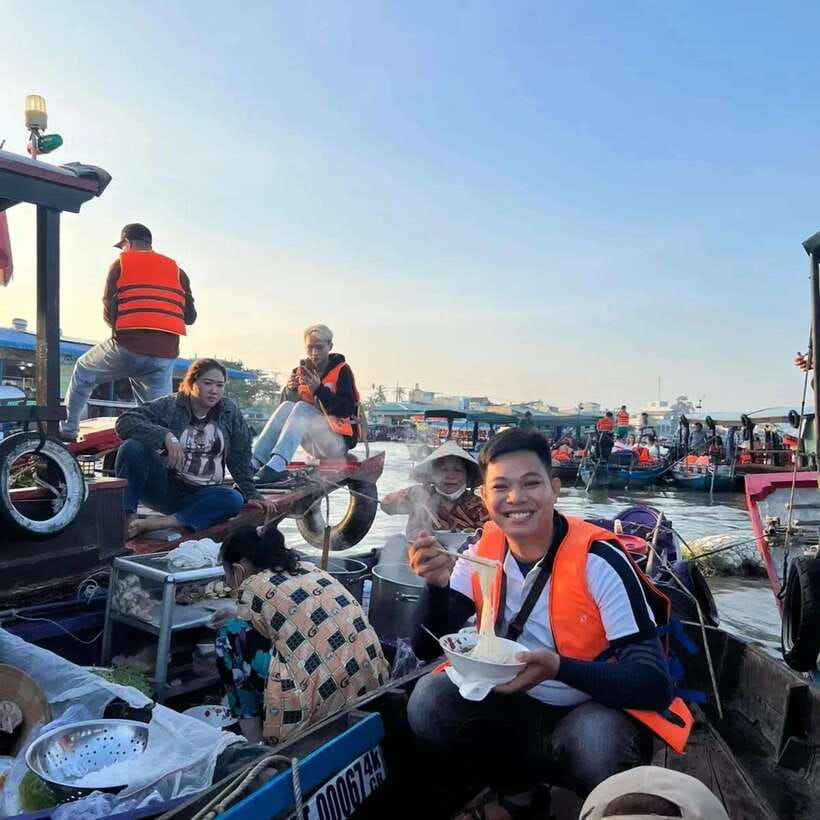
- Breakfast on the river: Enjoy a vegetarian-friendly morning meal while boats trade around you.
- Small sampan access: Travel through narrow, less-used canals near Phong Dien.
- Hands-on village visits: Watch noodles being made and try weaving a bamboo basket.
- Khmer culture: Visit a decorated pagoda and learn about Buddhism from a local expert.
- A quiet final stop: Finish at Lung Ngoc Hoang Nature Reserve, with greenery, waterways, and birdlife.
Why this tour works beyond the floating market
Many Can Tho outings begin and end with Cai Rang. That market is worth seeing, but it can take only part of a morning. This tour uses the market as an opening scene, then takes you into parts of the Mekong Delta that feel more personal and less hurried.
You get several ways to understand the region. The market shows how trade works on the water. The noodle house connects food with family craft. The basket village shows how local materials become useful household goods. The pagoda introduces Khmer Buddhist culture, while the nature reserve offers a quiet change of pace.
I like this broad mix because it keeps the day from becoming a single repeated boat ride. You are not simply looking at scenery. You are meeting working families, seeing how objects are made, and hearing about daily life in southern Vietnam.
The tour costs $72 per person. That is not the cheapest way to see Cai Rang, but the price includes hotel pickup and drop-off, the sampan, breakfast, the noodle house, basket village, pagoda, and nature reserve entrance. For a full eight-hour day with transport and a live English-speaking guide, the value is strongest if you want several stops handled in one outing.
More Market Visits in Vietnam:
- Nature Reserve and Largest, Authentic Floating Market Experiences
★ 5.0 · 115 reviews
Starting early at Ben Pha Xom Chai
The activity begins at Ben Pha Xom Chai, listed at 1 Hai Ba Trung in Can Tho. Hotel pickup and drop-off are included, but you should confirm the exact pickup details and starting time when booking. The schedule begins early so you can reach Cai Rang around sunrise and see the market before it thins out.
That early hour is important. Floating markets are working markets, not staged shows with a fixed performance all day. Boats arrive, sell, load, and leave. The earlier you go, the better your chance of seeing the river at its most active.
Bring water, sunscreen, and a hat. Morning light can be gentle, but the sun becomes strong later, especially on open water. Wear clothes and shoes that are comfortable for walking and boarding boats. A camera is useful, though you should also keep it protected from spray and rain.
Cai Rang floating market from a sampan
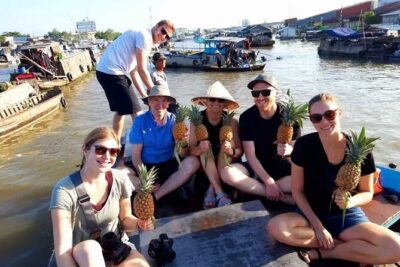
Cai Rang is the largest and best-known floating market in Can Tho. From the sampan, you see the market at water level, close to the boats and the people moving between them. That gives you a more immediate view than watching from a distant riverbank.
The experience is not only about taking pictures. Your guide can explain how goods are traded and how people live around the river. One particularly personal part of the visit may be stepping onto one of the market boats to see the living and working space up close. That kind of access helps you understand that these boats are part shop, part transport, and sometimes part home.
Breakfast is served on the river, with vegetarian options available if requested ahead of time. Ask about your meal needs when you book rather than waiting until the morning. Eating while boats pass around you is simple, but it makes the market feel like part of everyday life instead of a quick sightseeing stop.
The market can be busy and noisy. If you want a calm, silent morning, this section may feel hectic. The reward is the sense of a real working waterway, with the sunrise and Can Tho tributary providing the setting.
A traditional noodle house near the village
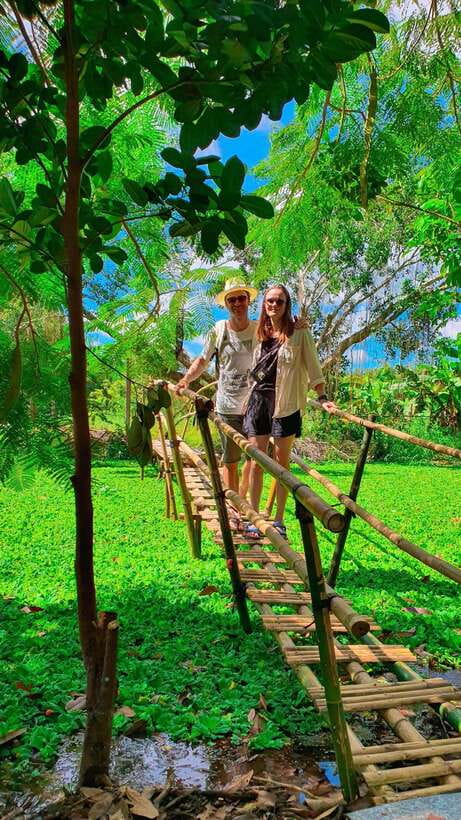
After the market, the boat continues to a traditional noodle house. Here, a local family makes colorful noodles by hand. You can watch the process and learn how a familiar food becomes a small-scale craft.
This is one of the day’s more useful stops because it gives you something concrete to look at. Rather than simply tasting a dish, you see the work behind it. The family setting also keeps the visit grounded in local life.
Your guide can fill in the details and help with questions. Sophia, one of the guides associated with this experience, has been especially strong at explaining everyday life in Vietnam as well as the places on the route. If you enjoy asking questions, a small group makes it easier to keep the conversation going.
The stop is a visit, not a full cooking course. You should expect to watch the noodle-making process and learn about the tradition rather than spend hours preparing your own meal.
More Shopping Trips in Vietnam:
Phong Dien’s quieter canals
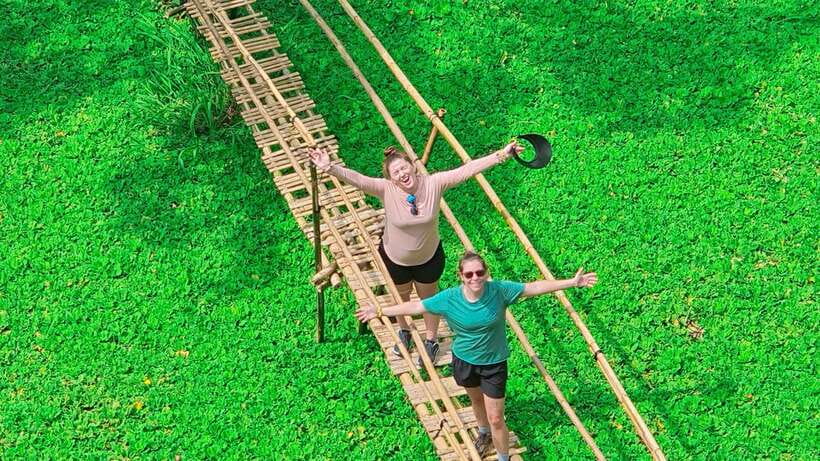
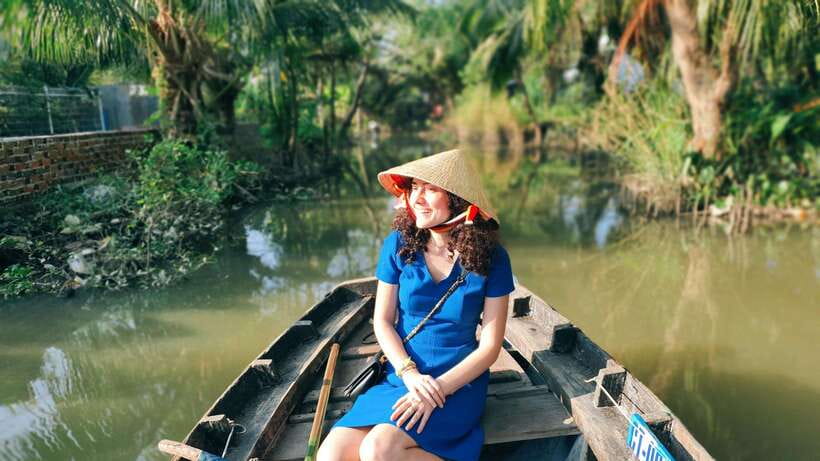
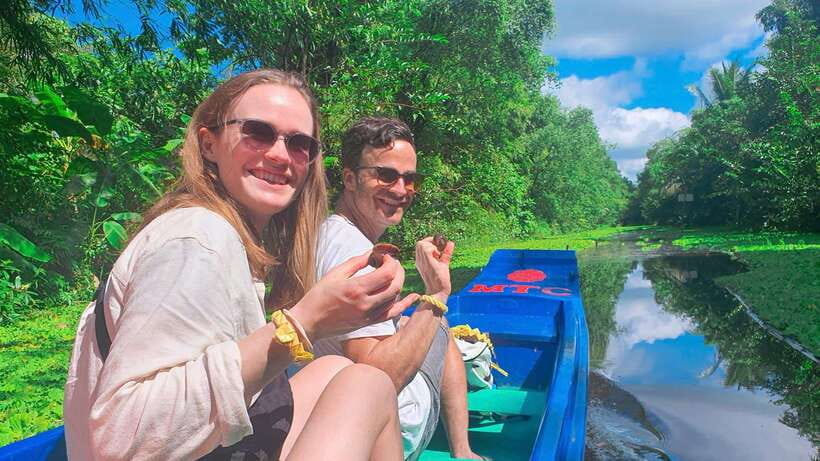
The sampan then enters the less-used canals around Phong Dien. This is where the pace changes. The market is social and active, while these waterways offer shade, stillness, and a closer look at the delta’s smaller channels.
A smaller traditional boat matters here. It can move into narrow canals and may continue through areas that are difficult for larger vessels, including at lower tide. You should expect a scenic ride rather than a narrated attraction at every moment. The value is in slowing down and watching the water, vegetation, houses, and river traffic pass close by.
Rain does not necessarily ruin this section. A rain shower can make the canals feel cooler and bring out the softer side of the scenery. Still, bring suitable protection, since weather in the delta can change and the tour continues outdoors.
The boat ride takes time, and you may sit for long stretches. That suits you if you enjoy quiet observation. If you need constant activity, this will be the least structured part of the day.
Bamboo basket weaving by the river
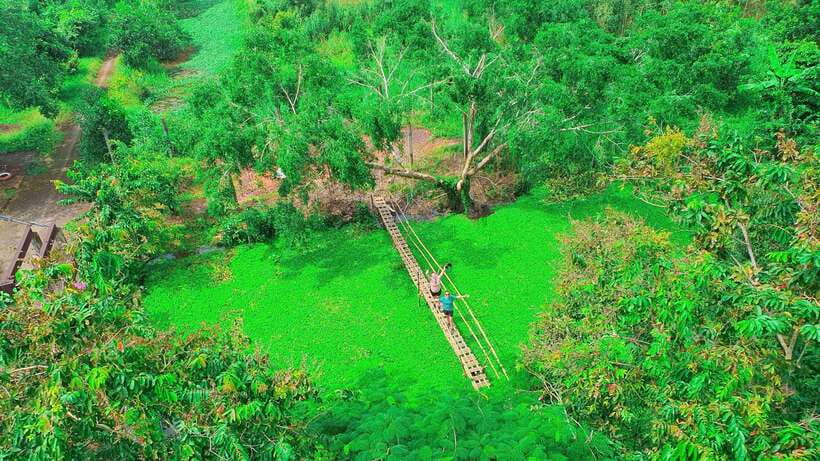
The riverside village is known for bamboo basket weaving. You meet local makers, observe their handwork, and get the chance to try weaving a basket yourself.
This stop adds a practical, hands-on element to the tour. You see how a common local material becomes a useful object, and you gain more respect for the patience and precision involved. Even a brief attempt makes it clear that the craft is harder than it first appears.
The village is also a good place to observe the relationship between work and home in the delta. Instead of visiting a large commercial workshop, you are introduced to a family-based tradition. Keep in mind that craftspeople may offer items for sale, so bring only the spending money you want to use. Personal expenses are not included.
You do not need special skills for the basket activity. Comfortable clothing is enough, and the guide can help you follow the basic steps. The experience is best approached as a short introduction, not a complete apprenticeship.
A Khmer pagoda and a quieter cultural pause
The next stop is a Khmer pagoda with detailed decoration and a peaceful setting. This gives the day a cultural focus beyond river trade and village work.
A local expert explains Buddhist ideas and the role of the pagoda. You will have time to look around and pause quietly rather than rush through for a few photographs. Dress respectfully and keep your voice low, as you would at any active religious site.
The pagoda is especially useful if you want to understand that the Mekong Delta is culturally mixed. River life, Vietnamese traditions, and Khmer Buddhist customs all form part of southern Vietnam’s identity. This visit does not require prior knowledge of Buddhism. The guide’s explanation helps connect the architecture and rituals with daily life.
This is a place where your behavior matters more than your camera. Ask before photographing people or religious activity, and follow the guide’s instructions.
Lung Ngoc Hoang Nature Reserve
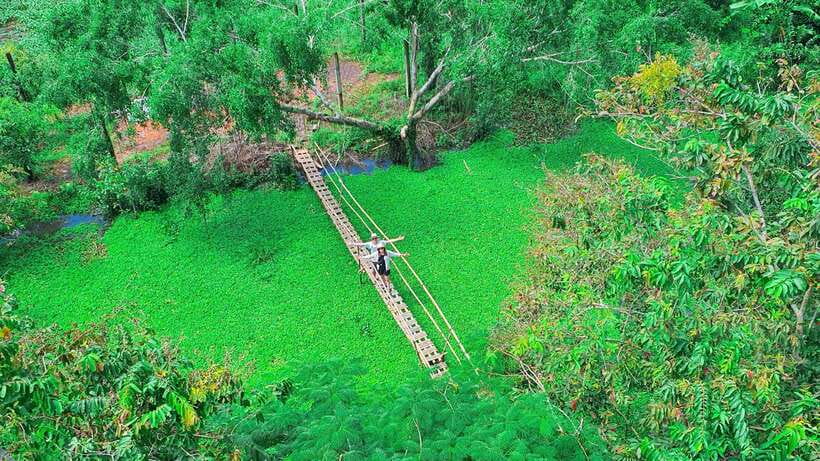
The final major stop is Lung Ngoc Hoang Nature Reserve, a broad area of waterways and greenery away from the busy streets of Can Tho. Its appeal is quiet. You hear natural sounds, see plant life, and may spot birds during the boat ride.
The reserve works well at the end of the tour because it lowers the tempo after the market, village visits, and pagoda. You have already seen how people use the delta. Here, you get a sense of the wetland environment that supports that way of life.
Ask your guide about extending the boat ride if time and conditions allow. Sophia has made a point of giving extra time on the water so that visitors can look for birds and enjoy the reserve at a gentler pace. Sightings are never guaranteed, so the reserve should not be booked as a dedicated birdwatching expedition.
This stop is also weather-dependent in feel. Rain can make the reserve more atmospheric, but it may limit comfort and visibility. Pack water and sun protection, and be ready for changing conditions.
What the guides add to the day
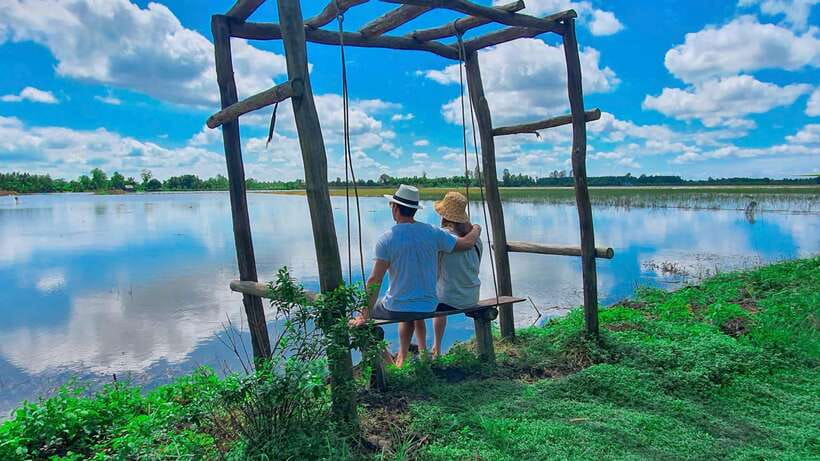
The guide can make or break a tour with this many moving parts. You need someone who can explain the market, help with local interactions, keep the transfers on track, and adjust the pace when the weather or tide changes.
Sophia has been particularly praised for answering questions through the full eight hours and explaining both the stops and ordinary life in Vietnam. Theo brings a light, funny manner along with strong historical explanation. Sonny has helped with practical matters, including waiting for a group and helping a taxi driver find the correct drop-off point.
Guide assignments can change, so you should not book on the assumption that one specific person will lead your date. The useful point is that this small-group format gives the guide room to talk with you. With no more than 10 participants, you can ask about food, religion, river commerce, or village life without being lost in a large crowd.
Transport between the boat stops is included. A comfortable transfer vehicle has been used on the route, and hotel pickup and return reduce the need to arrange separate taxis.
Who should book, and who should think twice
I would choose this tour if you have one full day in Can Tho and want more than the floating market alone. It suits first-time visitors who appreciate having transport, meals, entry fees, and explanations organized in one package.
It is also a good match for you if you enjoy variety. In eight hours, you move from market boats to narrow canals, food production, basket weaving, a religious site, and a nature reserve. Families with older children may enjoy the hands-on craft stop, while photographers will find good subjects in the early light and waterways.
You should think twice if you dislike early mornings, boats, heat, or moderate walking. The route is not suitable for wheelchair users or people with mobility impairments. It is also not recommended for people over 95 years old.
The tour is listed for English speakers, with a small group and free cancellation up to 24 hours before departure. You can also reserve now and pay later, which helps if your Can Tho plans are still shifting.
Is the $72 price fair?
For the amount covered, I find the price reasonable rather than a bargain. A basic market trip costs less, but it will not give you the same combination of boat rides, village visits, cultural explanation, nature reserve access, breakfast, and hotel transport.
The value depends on how you travel. If you are comfortable arranging local boats, taxis, food, and entrance fees yourself, you may spend less independently. You will also need to manage the early start and coordinate several locations.
At $72, you are paying for a full day with the practical details handled. The strongest value comes from the guide’s local context and the smaller sampan, especially if the boat can enter narrow canals that larger group tours miss.
My verdict: book it for a full Mekong Delta day
I would book this experience if you want Cai Rang to be the beginning of your Can Tho day, not the whole story. The market provides the famous scene, but the noodle house, basket village, pagoda, and Lung Ngoc Hoang give the outing its range.
Book it if you value local contact, small boats, and a guide who can answer questions. Skip it if you want a short market visit, a late start, or a tour with little walking.
The practical choice is to confirm your pickup point, request a vegetarian breakfast in advance if needed, and arrive ready for sun, water, and changing weather. With those points handled, this is a well-rounded way to see the Mekong Delta at both its working and quieter sides.
FAQ
How long does the Can Tho tour last?
The activity lasts eight hours. Starting times vary, and the tour begins early in the morning to reach Cai Rang floating market around sunrise and avoid larger crowds.
What is included in the price?
The $72 price includes hotel pickup and drop-off, a sampan ride, breakfast, the noodle house visit, the bamboo basket weaving village, the Khmer pagoda, and entrance to Lung Ngoc Hoang Nature Reserve.
Is breakfast suitable for vegetarians?
Vegetarian breakfast options are available. You should notify the tour provider in advance if you need one.
What language does the guide speak?
The live tour guide speaks English.
How large is the group?
The tour is limited to 10 participants, making it a small-group experience.
Is the tour suitable for wheelchair users?
No. The tour is not suitable for wheelchair users or people with mobility impairments, and a moderate amount of walking is involved.
Just added for the parks around Vietnam
- Private Full Day Tam Coc, Cuc Phuong National Park W/ Lunch★ 4.5 · 4 reviews
- Phong Nha National Park: Paradise Cave Half-Day Tour★ 5.0 · 23 reviews
- National Park- Paradise Cave & Dark Cave or Duck Farm★ 4.0 · 4 reviews
- Ninh Binh : Cuc Phuong National Park One Day Group Tour★ 4.4 · 41 reviews
- Ninh Binh: Cuc Phuong National Park 1 Day Small Group★ 4.1 · 61 reviews
- Ninh Binh: Cuc Phuong National Park Day Trip with Lunch★ 4.5 · 2 reviews
- National Park – Paradise Cave & Phong Nha Cave★ 4.6 · 18 reviews
- Ho Coc Beach, Nature Reserve & Dragon Fruit Farm Day Tour★ 4.8 · 11 reviews
Can Tho National Park Tours, compared.
Nature Reserve and Largest, Authentic Floating Market Experiences
Read our review →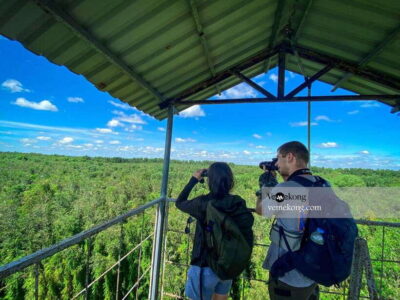
Can Tho: Lung Ngoc Hoang Nature Reserve & Forest Tour
Read our review →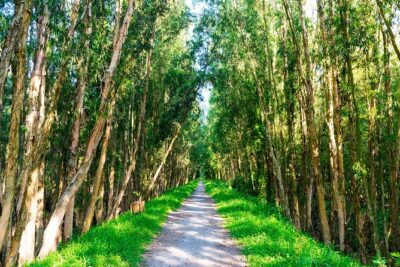
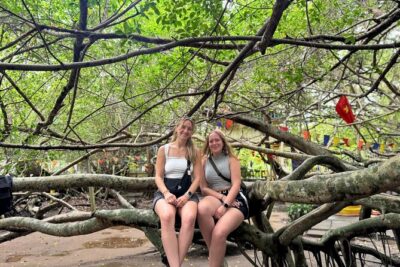
Can Tho: Lung Ngoc Hoang Nature Reserve & Hidden Forests
Read our review →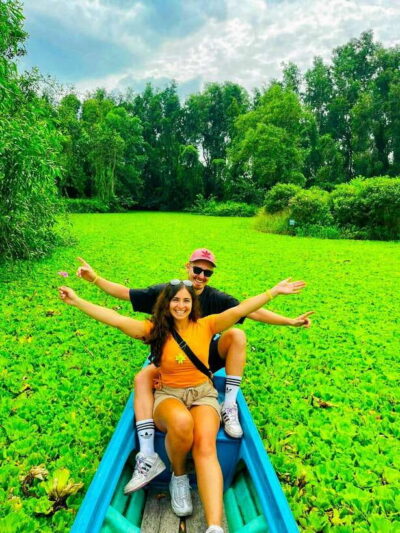
Can Tho: Explore Lung Ngoc Hoang Nature Reserve from Can Tho
Read our review →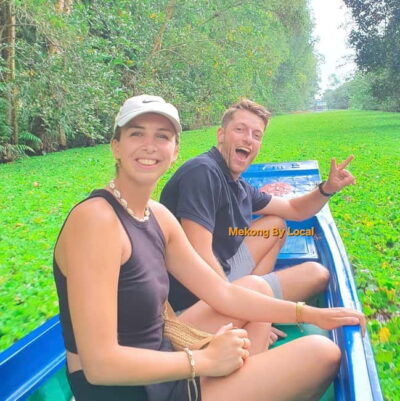
Can Tho: Lung Ngoc Hoang Nature Reserve and Mekong’s Soul.
Read our review →Browse the lists this tour appears in