
Review · CAN THO
Nature Reserve and Largest, Authentic Floating Market Experiences
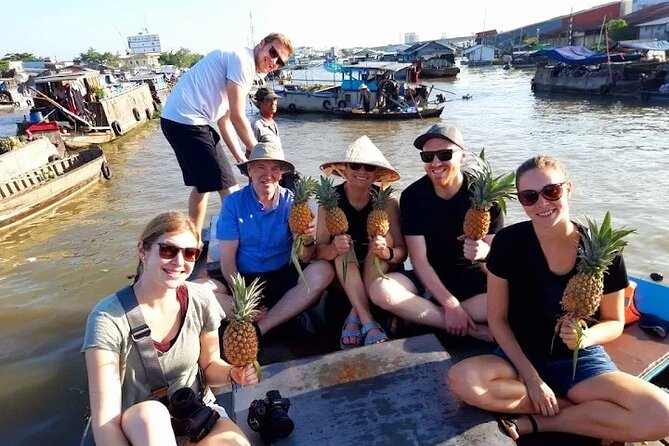
Cai Rang Floating Market is the star of this trip, but the best part is how much more you see after the morning boats thin out. You begin with trading boats, pineapples, mangos, and breakfast served from the river, then move into tiny canals and a traditional rice-noodle village. I especially like the floating breakfast and the visit to the 40-year-old noodle village, two experiences that feel tied to daily life rather than staged for a quick photo.
The trip also gives you a rare change of pace at Lung Ngoc Hoang Nature Reserve, where water hyacinth and water lettuce cover the canals. Guide Ngan has been singled out for attentive service and near-perfect English. The catch is simple: this is a very long day, roughly 9 to 10 hours, with an early start and about an hour in the car before the reserve.
Key points to know before booking
- Cai Rang starts early: Meet at Vincom Plaza Xuan Khanh at 6:30 a.m. for about 90 minutes at the market.
- Breakfast comes from the river: Order food and drinks from floating restaurants and cafes rather than stopping at a standard roadside café.
- The noodle village adds hands-on culture: Watch and take part in the traditional making of rice noodles at a village operating for four decades.
- The nature reserve changes the mood: After the market and canals, Lung Ngoc Hoang offers quiet water routes lined with floating plants.
- Small groups help: The maximum is 10 people, and the tour requires at least two people per booking.
- Plan for a full day: The experience starts early, ends back at the meeting point, and includes a one-hour drive between sections.
Why this Mekong Delta day is different
Many Can Tho outings focus only on Cai Rang, which is understandable. The market is the Mekong Delta’s most famous morning scene, and it rewards an early start. This experience takes a broader view. It gives you trade on the river, food from a boat, village craft, narrow canals, and a protected wetland in one long day.
I like that progression. It begins with the social and commercial side of river life, then moves into quieter places where the main attraction is the setting itself. You get to see how the waterways function as roads, workplaces, dining rooms, and links between rural communities.
At $89 per person, the price needs to be judged against the length and range of the day. You are not paying only for a short boat ride to the market. The outing includes several boat sections, ground transport, a guide, the noodle-village stop, and the reserve visit. It can be good value if you want one organized day covering several parts of the delta. It is less compelling if your main goal is simply to photograph Cai Rang and return to Can Tho before lunch.
The 5 out of 5 rating from 115 ratings and a 100 percent recommendation mark suggest a strong record. Still, the practical warning matters more than any number: the day is long. You should be comfortable with an early meeting time, several hours on the water, and a drive between the Can Tho area and Nga Bay.
More Market Visits in Vietnam:
- Can Tho: Floating Market & Lung Ngoc Hoang Nature Reserve
★ 5.0 · 11 reviews
Cai Rang at 6:30 in the morning
Your day begins at Vincom Plaza Xuan Khanh, 209 Duong 30 Thang 4, Xuan Khanh, Ninh Kieu, Can Tho. The meeting time is 6:30 a.m., so arrange your morning around reaching the pickup point on time.
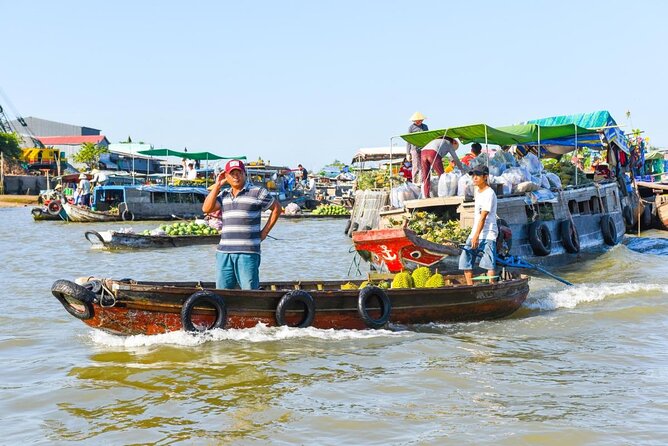
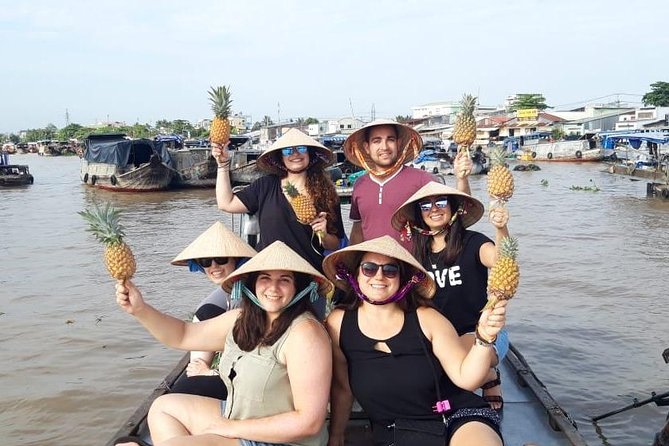
The first boat section lasts about 1 hour and 30 minutes. You ride a sampan into Cai Rang, the largest floating market in Vietnam, as sellers and buyers move produce across the water. Pineapples and mangos are among the goods traded, giving the scene color and purpose without the need for a formal performance.
The market works best when you pay attention to the practical details. Boats gather to buy and sell food, and the river becomes a working marketplace rather than a backdrop. Look at the produce, the boat shapes, and the way goods are handled. The market is valuable because it shows commerce adapted to water, not because it resembles a land-based bazaar placed on boats.
Your timing matters here. A 6:30 start puts you in the delta during the morning market period. You do not get a leisurely hotel breakfast first, but the early hour is part of the experience. If you prefer slow starts, this may feel demanding. If you want to see Cai Rang when trade is the main activity, it makes sense.
Breakfast ordered from a floating café
Breakfast is one of the tour’s most memorable details. Instead of getting off the boat for a conventional meal, you can order from floating restaurants and cafes. Your food arrives as part of the river scene, with boats continuing their work around you.
I like this because it connects the meal to the place. You are not simply looking at the market, then eating somewhere unrelated. The food stop is part of the same river economy you have come to see.
The provided information does not specify the exact dishes, so do not book this expecting a particular breakfast menu. Think of it as a chance to order a morning meal or drink from vendors on the water. The experience may appeal most to people who enjoy trying ordinary local routines in an unusual setting.
The market section is free of a separate admission charge, according to the tour details. That does not mean the whole day has no additional food costs. If you order breakfast from a floating vendor, budget for what you choose to eat or drink.
Small canals and ordinary river life
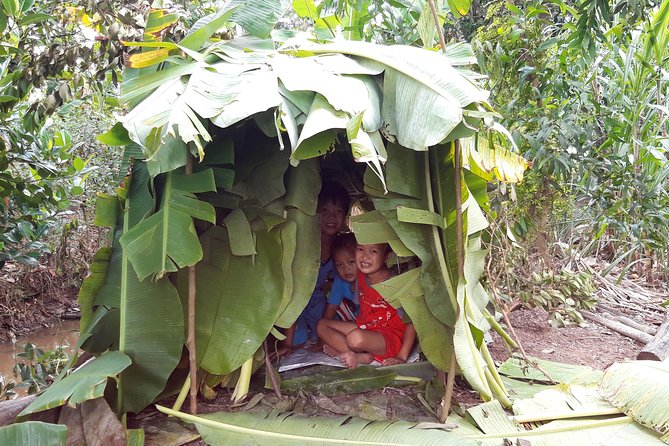
After Cai Rang, the route moves into a network of smaller canals for about 2 hours and 30 minutes. This is where the trip becomes quieter and more reflective.
The canals are described as small but complex, and they provide a close look at the waterways that shape life in the Mekong Delta. The boat route gives you time to relax and watch the plants and animals around the banks. The pace is slower than the market, which helps the day feel like more than a sequence of stops.
You may want to treat this section as a chance to put your camera down for a while. The value is in the change from trade to calm water, from crowded activity to a more private view of the delta. The tour description specifically presents this part as a place to relax and meditate, so the experience is not built around constant commentary or nonstop attractions.
That quiet period can also be the day’s biggest test for some people. Two and a half hours is a substantial stretch. If you need frequent changes of scenery, you may find it slow. If you enjoy being on the water and watching daily life unfold at a gentle pace, it should be one of the stronger sections.
More Shopping Trips in Vietnam:
Making rice noodles in a 40-year-old village
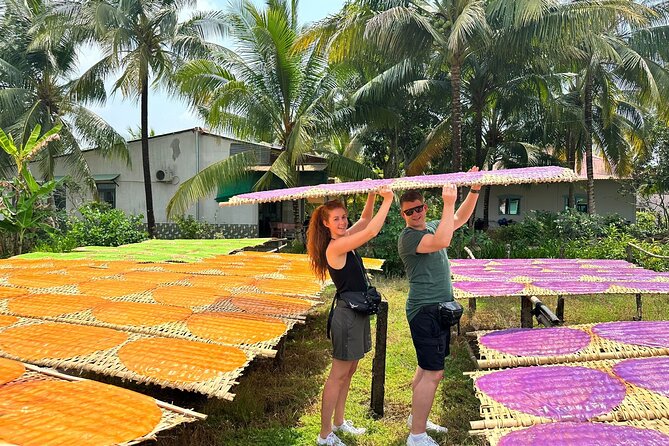
The boat stops at a rice-noodle village with four decades of tradition. Here, you take part in the traditional noodle-making process.
This stop gives the day a useful human scale. At the market, you see food being sold. At the village, you see one form of food production and craft. It helps explain that the Mekong Delta is not only about scenery and boats. It is also about small businesses and skills passed through working communities.
The activity is especially useful for people who want more than a quick photo stop. You have a chance to watch how rice noodles are made and participate in the process. The supplied details do not promise a full cooking class or specify how long the hands-on portion lasts, so keep expectations reasonable. Think of it as a traditional demonstration with participation, not a professionally structured culinary course.
This is also a good point to ask your guide questions. Guide Ngan has been praised for attentive service and very strong English, which matters during a stop where explaining process and context adds real value. If Ngan leads your outing, you can expect help understanding what you are seeing rather than simply being directed from boat to car.
The one-hour drive to Nga Bay
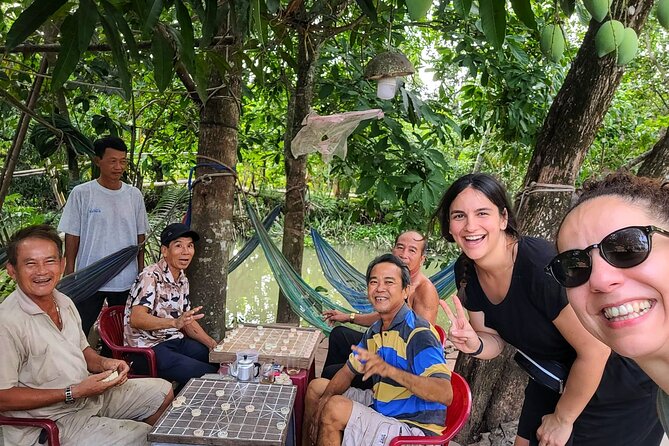
The tour then switches from boat to car for about an hour. That transfer is important when planning your energy.
The route continues toward Nga Bay and Lung Ngoc Hoang Nature Reserve. You should see the drive as a link between two parts of the Mekong Delta, not as a sightseeing stop in itself. Still, it breaks up the boat time and gives you a chance to rest after the morning.
This is the point where the tour becomes a full-day commitment. You have already started before breakfast, spent time at the market, moved through canals, and visited the noodle village. The car ride adds distance before the final boat section.
The advantage is range. In one day, you see both a famous market close to Can Tho and a quieter wetland farther out. The disadvantage is that the tour does not stay in one compact area. If you want a short, easy morning near your hotel, choose a smaller Cai Rang outing instead.
Lung Ngoc Hoang Nature Reserve by boat
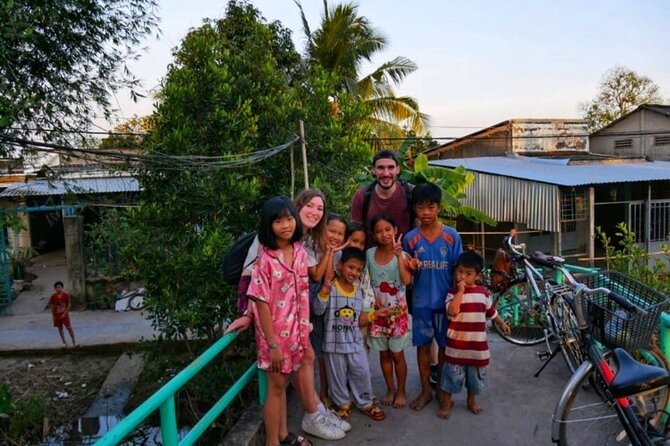
The final major section lasts about two hours in Lung Ngoc Hoang Nature Reserve. You cruise along meandering canals surrounded by water hyacinth and water lettuce.
This setting changes the mood again. The market is social and commercial. The smaller Can Tho canals show daily river life. The reserve is about plants, water, and the feel of a protected natural area. The floating vegetation gives the waterways a distinctive appearance and helps you see how closely the region’s ecology is tied to slow-moving water.
The tour information says the reserve supports varied flora and fauna. It does not promise sightings of particular animals, so go with an open mind. You may notice plant life, bird activity, or other signs of wetland life, but the main reward is the quiet boat route and the chance to observe the reserve at a relaxed pace.
I would give this section more weight than its two-hour duration suggests. It prevents the day from becoming only a market visit. You get a look at a less commercial side of the delta, with water hyacinth and water lettuce spread across the surface and canals curving through the reserve.
At the same time, nature reserves are not zoos. Sightings can vary, and the setting may feel subtle rather than dramatic. If your idea of a nature trip requires guaranteed animals, this may disappoint. If you enjoy plants, waterways, and a slower ride, the reserve makes the long day worthwhile.
Group size, transport, and guide quality
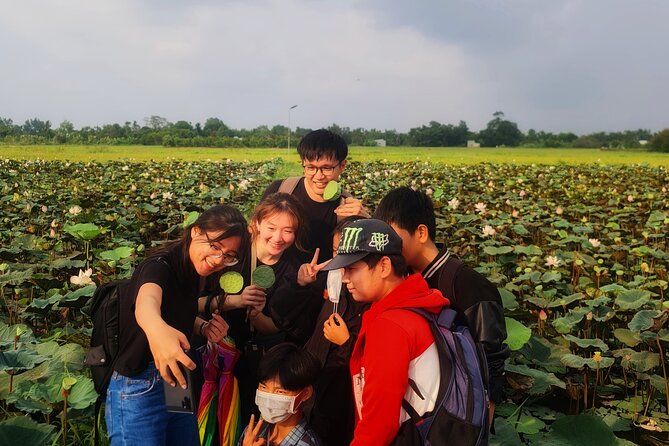
The maximum group size is 10 people, and at least two people are needed to book. That is a useful middle ground. You are not signing up for a huge coach group, but you should not expect a private trip unless your party fills the available places.
A small group matters most during the sampan rides and at the noodle village. It should be easier to hear the guide and easier to move through small spaces than it would be with a large crowd. The actual boat arrangement is not specified, so do not assume that every passenger has a private boat or that the entire day uses the same vessel.
Transport changes during the experience. You begin by boat, spend much of the day on canals, transfer to a car for about an hour, then return to the water at the reserve. That variety is a strength, but it also means you should prepare for a long day with different travel conditions.
Guide Ngan is the clearest personal strength attached to this experience. Her attentive manner and almost perfect English have been praised, and her presence was especially appreciated by a family traveling with two daughters. A good guide can make the noodle village and market more understandable, especially when the visual scene is busy and unfamiliar.
The experience has a mobile ticket, confirmation is provided when you book, and it ends back at the Vincom Plaza Xuan Khanh meeting point. Free cancellation is available up to 24 hours before the start time. After that point, changes and refunds are not accepted.
Who should book this day
I would recommend this trip to you if you want a broad introduction to the Mekong Delta and prefer one organized outing over several separate bookings. It suits people who enjoy food, working communities, waterways, and nature in equal measure.
Families can also find it appealing, especially with a guide who keeps young people engaged. The family feedback connected to Ngan is a useful sign, though the early start and long duration still deserve attention if you are traveling with children.
This is not the best match if you want a relaxed late morning, a short ride, or a single focused attraction. It also may not suit anyone who dislikes long periods on a boat or finds a one-hour road transfer tiring.
The small-group limit makes the tour more personal than a large coach excursion, but do not confuse a maximum of 10 with a private tour. The child rate applies only when a child shares with two paying adults, and at least two people must book.
Is the $89 price fair?
At $89 per person, I see this as a value-focused full-day trip rather than a cheap morning excursion. You are paying for a long route with multiple modes of transport, a guide, several distinct settings, and access to experiences that would be difficult to combine on your own in one day.
The value is strongest if you want variety. Cai Rang alone may be enough for some visitors, but this trip adds the noodle village and Lung Ngoc Hoang. You also avoid the work of arranging separate transport from Can Tho to Nga Bay.
The value is weaker if you plan to spend only a short time in Can Tho or if the market is your sole priority. In that case, the hours after the market may feel like too much. Before booking, ask yourself if the quiet canals and nature reserve sound like attractions or simply extra travel.
Should you book this floating market and nature reserve tour?
Book it if you want the Mekong Delta in several distinct moods: a working market, breakfast on the river, narrow canals, rice-noodle making, and a wetland reserve. The itinerary is long, but it offers more substance than a quick market run.
Skip it if you need a short outing or dislike early mornings and road transfers. For everyone else, the combination of a small group, strong guide support from Ngan, and a route that reaches beyond Cai Rang makes the $89 price reasonable. Bring patience, start early, and treat the quiet stretches as part of the experience rather than dead time.
FAQ
Where does the tour start?
It starts at Vincom Plaza Xuan Khanh, 209 Duong 30 thang 4, Xuan Khanh, Ninh Kieu, Can Tho, Vietnam.
What time does the tour begin?
The start time is 6:30 a.m.
Where does the tour end?
The activity ends back at the meeting point at Vincom Plaza Xuan Khanh.
How long does the experience last?
The full experience lasts approximately 9 to 10 hours.
How many people can join the tour?
The maximum group size is 10 people.
Is there a minimum number of people required to book?
Yes. A minimum of two people per booking is required.
Does the tour include Cai Rang Floating Market?
Yes. The tour includes about 1 hour and 30 minutes at Cai Rang Floating Market, with a sampan ride and floating food and drink vendors.
Can I cancel for a full refund?
Yes. You can cancel at least 24 hours before the start time for a full refund. Changes or cancellations made less than 24 hours before the start time are not accepted.
Just added for the parks around Vietnam
- Private Full Day Tam Coc, Cuc Phuong National Park W/ Lunch★ 4.5 · 4 reviews
- National Park- Paradise Cave & Dark Cave or Duck Farm★ 4.0 · 4 reviews
- Phong Nha National Park: Paradise Cave Half-Day Tour★ 5.0 · 23 reviews
- Ninh Binh : Cuc Phuong National Park One Day Group Tour★ 4.4 · 41 reviews
- Ninh Binh: Cuc Phuong National Park 1 Day Small Group★ 4.1 · 61 reviews
- Ninh Binh: Cuc Phuong National Park Day Trip with Lunch★ 4.5 · 2 reviews
- National Park – Paradise Cave & Phong Nha Cave★ 4.6 · 18 reviews
- Ho Coc Beach, Nature Reserve & Dragon Fruit Farm Day Tour★ 4.8 · 11 reviews
Can Tho National Park Tours, compared.
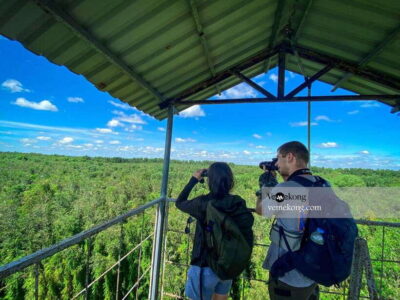
Can Tho: Lung Ngoc Hoang Nature Reserve & Forest Tour
Read our review →
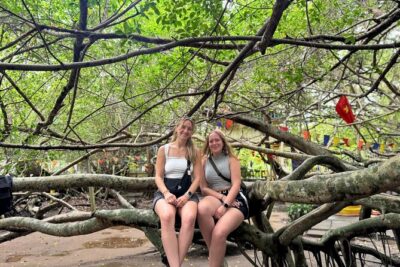
Can Tho: Lung Ngoc Hoang Nature Reserve & Hidden Forests
Read our review →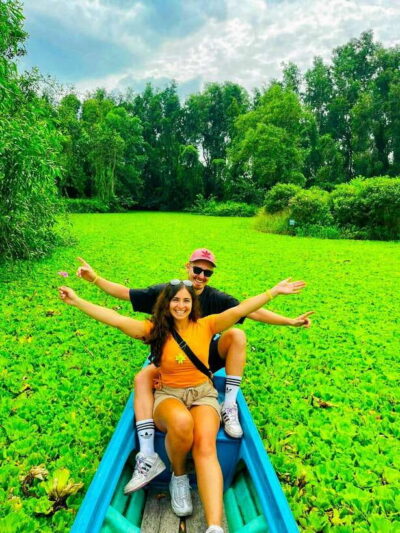
Can Tho: Explore Lung Ngoc Hoang Nature Reserve from Can Tho
Read our review →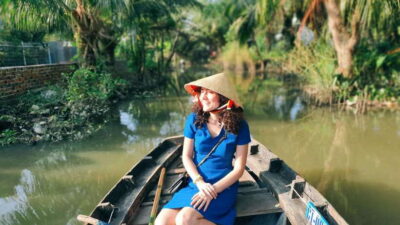
Can Tho: Floating Market & Lung Ngoc Hoang Nature Reserve
Read our review →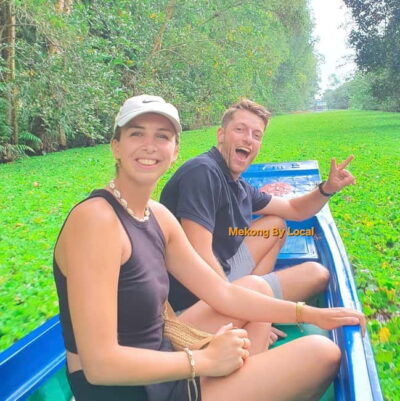
Can Tho: Lung Ngoc Hoang Nature Reserve and Mekong’s Soul.
Read our review →Browse the lists this tour appears in